
Valuation in High-Rate Environments: The Uncompromising Math Behind Pricing Resets

In the highly reactive, sentiment-driven arena of commercial real estate syndication, the amateur investor and the obsolete seller are currently trapped in a shared, catastrophic hallucination. The seller looks at an offering memorandum from 2021, remembers when debt was virtually free, and blindly demands a 4% Capitalization Rate for an aging, heavy-friction asset. The amateur…
Expense Ratio Benchmarks: Identifying “Normal” Operating Costs for a Costa Mesa Retail Center

In the highly reactive, top-line obsessed arena of commercial real estate syndication, the amateur investor navigates retail acquisitions with a fatal blind spot. They stare at the Gross Scheduled Income on the broker’s offering memorandum, obsess over the boutique tenant roster, and calculate an idealized yield. They blindly assume that a property generating massive gross…

The TTM (Trailing Twelve Months) Audit: Seeing Through the Seller’s “Pro Forma” Fantasy

In the highly reactive, heavily marketed arena of commercial real estate syndication, the amateur investor navigates the acquisition pipeline with a fatal level of operational gullibility. They receive an offering memorandum wrapped in glossy photography, flip straight to the financial breakdown, and stare at the “Pro Forma” Net Operating Income (NOI). They see a projected…

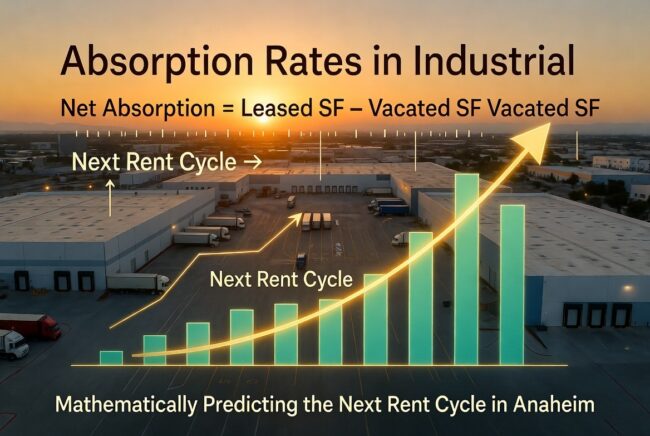
Absorption Rates in Industrial: Mathematically Predicting the Next Rent Cycle in Anaheim

In the highly reactive, sentiment-driven arena of commercial real estate syndication, the amateur investor navigates market cycles looking completely backward. They read a quarterly brokerage report stating that industrial rents in Orange County rose by 6% last year, and they blindly assume the trend will continue. They buy an aging warehouse at a peak valuation,…

The Rent Roll Audit: Spotting “Ghost Tenants” and Artificial Income Before Closing Escrow

In the highly reactive, spreadsheet-driven arena of commercial real estate syndication, the amateur investor approaches the due diligence phase with a fatal level of operational trust. They receive an Excel file from the listing broker, glance at the “Gross Scheduled Income” column, and calculate their projected yield. They blindly assume that every name on that…

The Loan-to-Cost (LTC) Reality for OC Developers: Financing New Dirt in Shifting Economic Climates

In the highly reactive, rendering-obsessed arena of commercial real estate development, the amateur syndicator approaches ground-up construction with a fatal misunderstanding of bank leverage. They secure a raw parcel of dirt, commission a breathtaking architectural rendering of a multi-story mixed-use complex, and calculate their projected exit value. They walk into a commercial bank asking for…

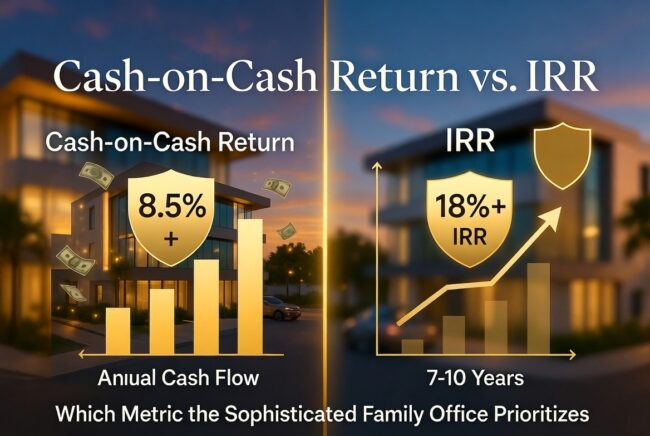
Cash-on-Cash Return vs. IRR: Which Metric the Sophisticated Family Office Prioritizes

In the highly reactive, spreadsheet-driven arena of commercial real estate syndication, the amateur investor navigates their acquisitions with a fatal, one-dimensional mindset. They look at a broker’s offering memorandum, bypass the mechanical audits, ignore the terminal exit strategy, and lock their eyes onto a single metric: the Year-1 Cash-on-Cash (CoC) Return. They see an 8%…

The Debt Service Coverage Ratio (DSCR): How Institutional Lenders Actually View Your Cash Flow

In the highly reactive, spreadsheet-driven arena of commercial real estate syndication, the amateur investor navigates the acquisition process wearing financial blinders. They stare at a broker’s offering memorandum, obsess over the Gross Scheduled Income, and calculate their idealized cash-on-cash return. They assume that if the building generates enough rent to simply cover the mortgage payment…

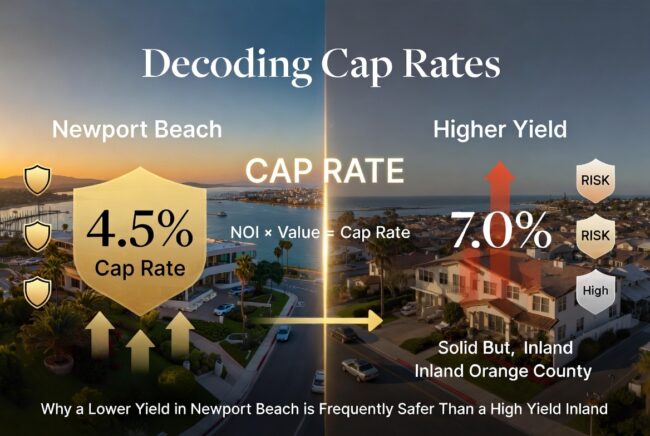
Decoding Cap Rates: Why a Lower Yield in Newport Beach is Frequently Safer Than a High Yield Inland

In the highly reactive, spreadsheet-driven arena of commercial real estate syndication, the amateur investor navigates the market with a fatal misunderstanding of financial mechanics. They open an offering memorandum, bypass the demographic data, ignore the tenant credit, and immediately hunt for the highest Capitalization Rate (Cap Rate) they can find. They look at an 8%…