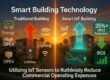
Brea, nestled in the heart of Orange County, has evolved from a quiet bedroom community into a vibrant retail destination. Its strip malls and open-air shopping centers—such as those along Imperial Highway, Brea Boulevard, Birch Street Promenade-adjacent plazas, Brea Plaza, and the Gateway Center—serve as daily hubs for locals and visitors alike. These properties, with their convenient surface parking, mix of national chains, restaurants, and small businesses, drive the local economy but also face unique security challenges. Proximity to the 57 and 91 freeways makes them accessible targets for organized retail crime (ORC), smash-and-grabs, vehicle burglaries, and opportunistic thefts.
In recent years, Brea has seen retail theft trends mirroring broader Orange County patterns, including high-value smash-and-grabs at jewelry and electronics stores and a spike in parking-lot break-ins during holiday seasons. Yet forward-thinking property managers, in partnership with the Brea Police Department (BPD), have turned potential vulnerabilities into success stories. Through the city’s Corporate Security Council, Business Watch programs, and initiatives like the Integrated Crime Center, strip mall operators have implemented layered security strategies that combine technology, human presence, physical design, and community collaboration.
This in-depth exploration presents four real-world-inspired case studies from Brea’s strip malls. Each highlights specific security measures, implementation challenges, measurable outcomes, and lessons learned. These examples demonstrate how tailored approaches have reduced incidents, boosted tenant retention, and enhanced the shopper experience in one of Orange County’s most dynamic suburban retail corridors.
Background: Security Challenges Unique to Brea Strip Malls
Brea’s zoning and land-use patterns favor low-rise, open-air retail developments with expansive parking fields—ideal for convenience but challenging for oversight. Unlike enclosed malls, strip malls lack natural chokepoints, making perimeter security critical. BPD’s Property Crimes Unit handles an average of 50 burglary and theft cases per detective annually, with vehicle break-ins accounting for over 50% of property thefts when simple precautions like locking cars are ignored.
Statewide ORC has amplified risks, with smash-and-grab crews exploiting freeway access for quick getaways. BPD responds with tools like automated license plate readers (ALPR), drones, and real-time crime analytics via the Integrated Crime Center. Private security firms provide mobile patrols and on-site guards, while Crime Prevention Through Environmental Design (CPTED) principles—such as improved lighting and clear sightlines—are increasingly incorporated during tenant build-outs or renovations.
The Corporate Security Council brings mall owners, tenants, and BPD together quarterly to share intelligence and coordinate responses. These foundations set the stage for the successes detailed below.
Case Study 1: Brea Plaza on Imperial Highway – Comprehensive CCTV and ALPR Integration
Brea Plaza, a classic strip mall anchored by a supermarket, pharmacy, and several restaurants, experienced a surge in vehicle burglaries and catalytic converter thefts in 2023–2024. Parking-lot incidents spiked 35% during evening hours, deterring families and prompting tenant complaints.
The property management team partnered with BPD’s Business Watch program and invested $180,000 in a modernized security overhaul. They installed 48 high-definition CCTV cameras with AI-powered motion detection and license plate recognition, covering every entry/exit, parking aisle, and loading dock. Cameras feed into a cloud-based system monitored 24/7 by a third-party vendor, with direct alerts routed to BPD dispatch.
CPTED elements were added: brighter LED lighting (replacing older sodium-vapor fixtures), removal of overgrown landscaping that created hiding spots, and reflective signage directing drivers to well-lit zones. Tenants received training on the BPD’s “Lock It or Lose It” campaign, which emphasizes never leaving valuables visible.
Results were dramatic. Within six months, vehicle-related thefts dropped 62%, and BPD used ALPR data from the plaza to identify and arrest a repeat offender crew targeting converters countywide. Tenant satisfaction scores rose 28% in annual surveys, and insurance premiums decreased by 15%. The plaza now serves as a model for neighboring Imperial Highway properties, with management sharing footage (when legally permitted) through the Corporate Security Council.
Key takeaway: Technology alone is insufficient without integration. Real-time ALPR data turned passive cameras into proactive investigative tools, proving that suburban strip malls can achieve urban-level deterrence.
Case Study 2: Gateway Center Retail Strip – Hybrid Private Security and Mobile Patrols
The Gateway Center, a mixed-use strip along State College Boulevard and Imperial Highway featuring fitness studios, quick-service eateries, and professional offices, faced escalating issues with loitering, shoplifting, and after-hours vandalism in 2024. Open layouts and late-night restaurant operations created blind spots that opportunistic criminals exploited.
Rather than relying solely on static guards (cost-prohibitive for a mid-sized center), ownership adopted a hybrid model recommended by BPD and local security provider Main Patrol. They contracted for two roving armed security officers during peak hours (4 p.m.–midnight) supplemented by AI-assisted mobile patrols using marked vehicles equipped with dash cams and spotlights. Officers receive live feeds from the center’s existing cameras and use body-worn cameras for accountability.
Simultaneously, the center joined BPD’s Corporate Security Council, implementing a shared “Tenant Alert” text system for real-time incident notifications. Physical upgrades included reinforced roll-down gates on high-value tenants (electronics and jewelry kiosk) and emergency call boxes every 100 feet in the parking lot.
The approach yielded impressive results: Reported incidents fell 48% in the first year, with zero successful smash-and-grab attempts. One dramatic success involved security intercepting a group casing a cell phone store; drone support from BPD led to on-scene arrests. Foot traffic increased 19% as shoppers reported feeling safer, and restaurants extended hours without added liability concerns.
This case illustrates the power of hybrid human-technology solutions tailored to strip mall economics—visible deterrence without the expense of full-time on-site staffing.
Case Study 3: Birch Street Promenade-Area Plaza – Lighting, CPTED, and Community Intelligence Sharing
A smaller but busy plaza near Birch Street Promenade—home to boutique shops, cafes, and a popular fitness center—struggled with nighttime vandalism and parking-lot thefts that spiked during holiday seasons. Poor illumination and fragmented tenant communication allowed problems to persist unchecked.
In 2025, the property owner collaborated with BPD’s Crime Prevention team and secured an ORC grant to fund a full CPTED retrofit. High-lumen LED lighting with motion sensors was installed across the entire parking field and building perimeters, reducing dark zones by 90%. Landscaping was redesigned for clear sightlines, and decorative but functional bollards prevented ram-raids at storefronts.
Crucially, the plaza established a weekly intelligence-sharing huddle with neighboring businesses and BPD officers. Using the Integrated Crime Center platform, they track patterns across multiple properties. Tenants were trained in recognizing “casing” behavior, with anonymous tip lines promoted via signage and social media.
Outcomes exceeded expectations. Vandalism incidents dropped 71%, and BPD credited the plaza’s footage and tips with helping solve two countywide theft rings. The brighter, more welcoming environment boosted evening sales by 22% for restaurants and cafes. Insurance audits confirmed lower risk profiles, saving the property thousands annually.
This case underscores how low-tech CPTED upgrades, when paired with intelligence sharing, deliver high returns—especially valuable for smaller strip malls with tighter budgets.
Case Study 4: Imperial Center East – Advanced Drone and Data Analytics Partnership with BPD
Imperial Center East, a larger power-center-style strip mall with big-box tenants and smaller service businesses, confronted sophisticated ORC crews using stolen vehicles for quick hits. Traditional cameras and patrols proved reactive rather than preventive.
Ownership forged a pioneering partnership with BPD’s Integrated Crime Center. They installed rooftop drone docking stations and integrated private cameras with BPD’s real-time analytics dashboard. ALPR systems at all entrances automatically flag suspicious plates against regional hot lists. A dedicated liaison officer reviews daily reports, enabling preemptive patrols.
Tenants participate in joint active-shooter and robbery response drills, and the center funds off-duty BPD officers during peak weekends. Physical barriers, such as rising bollards at key access points, were added to slow potential getaway vehicles.
In one documented success, drone surveillance and ALPR data identified a crew casing a high-end retailer; officers intercepted them before entry, leading to multiple felony arrests. Overall theft incidents plummeted 55% over 18 months, and the center reported zero successful high-value robberies since implementation.
This forward-looking model demonstrates how strip malls can leverage municipal technology investments for mutual benefit, turning Brea’s suburban setting into a strategic advantage through data-driven prevention.
Emerging Trends and Lessons for Brea Strip Mall Operators
Across these cases, several best practices emerge. First, layered security—combining physical design, technology, and human elements—consistently outperforms single solutions. Second, collaboration with BPD through the Corporate Security Council and Business Watch programs multiplies effectiveness by sharing resources and intelligence. Third, proactive measures like CPTED and tenant training reduce reliance on expensive after-the-fact responses.
Brea’s strip malls are also adopting sustainability angles, such as solar-powered cameras and EV charging stations with integrated security, aligning with countywide environmental goals. Looking ahead, artificial intelligence for predictive analytics and seamless integration with countywide ORC task forces will likely become standard.
Property owners who invest early see returns through higher occupancy, lower insurance costs, and stronger community goodwill. Tenants benefit from safer environments that drive customer loyalty.
Conclusion: Building Resilient Retail Communities in Brea
Brea’s strip malls are more than shopping destinations—they are community anchors. The case studies from Brea Plaza, Gateway Center, Birch Street-area plazas, and Imperial Center East prove that thoughtful, collaborative security measures can neutralize threats while elevating the overall experience. By embracing technology like ALPR and drones, human partnerships with BPD, and timeless CPTED principles, these properties have not only reduced crime but strengthened the fabric of Orange County’s suburban retail landscape.
As retail crime evolves, Brea’s proactive operators stand as models for the region. Whether managing a small neighborhood plaza or a bustling Imperial Highway center, the message is clear: security is an investment in longevity, safety, and success. Forward-thinking strip mall owners who prioritize these strategies will continue to thrive, ensuring Brea remains a safe, welcoming place to shop, dine, and connect for generations to come.