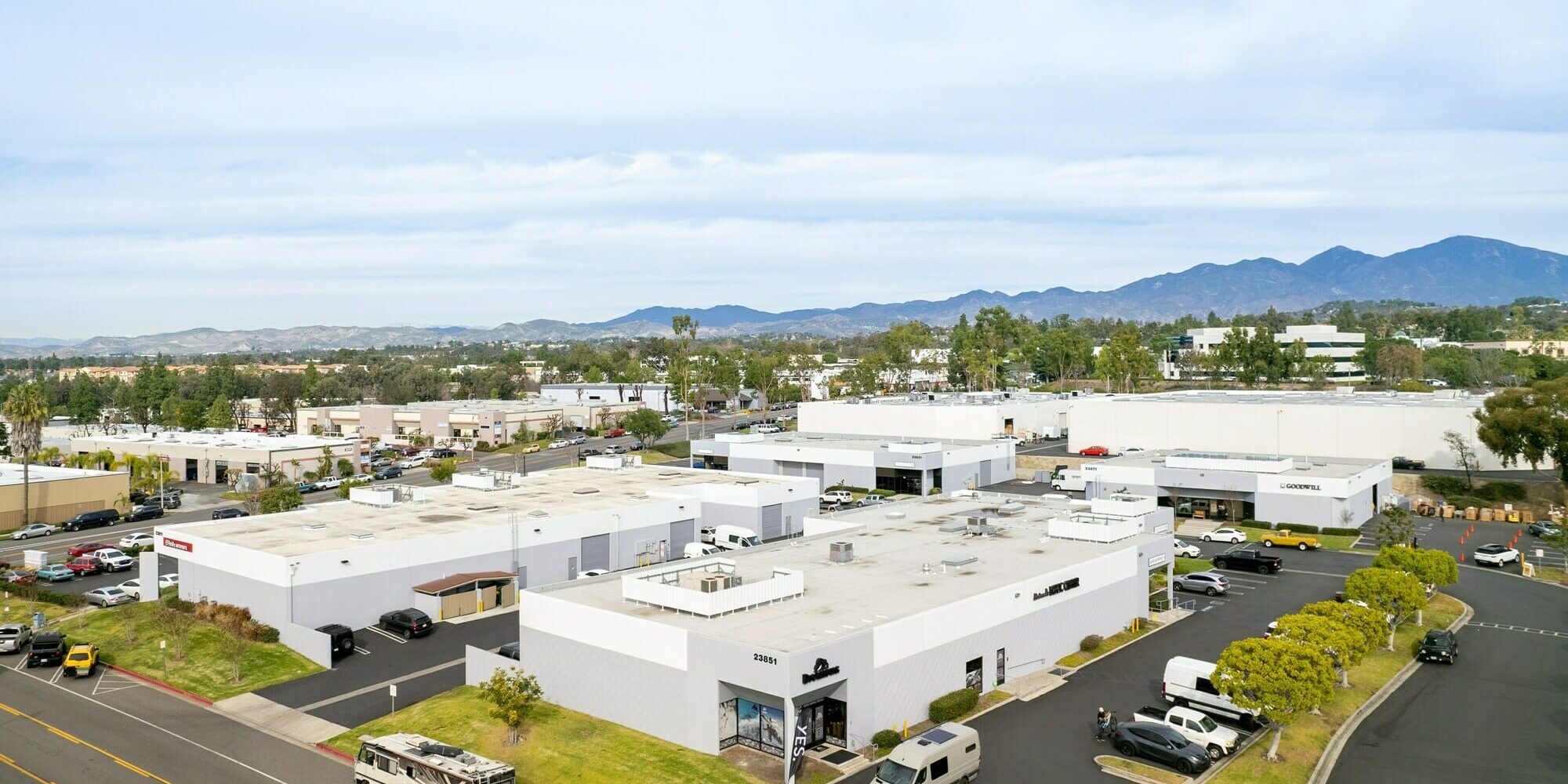
In today’s highly competitive industrial real estate market, energy efficiency has shifted from being a bonus feature to a key factor influencing profitability, tenant appeal, and long-term property value. For warehouse owners, operators, and investors in Mission Viejo and across Orange County, conducting a detailed market analysis centered on energy performance can reveal untapped opportunities, reduce escalating utility expenses, and help properties stay ahead of tightening regulations and evolving tenant expectations.
Located in South Orange County, Mission Viejo features a small but high-quality industrial submarket with approximately 1.1 million square feet of warehouse space. Extremely low vacancy rates—often around 0.6%—and rents exceeding $2.20 per square foot highlight strong demand from sectors like high-tech, manufacturing, and last-mile logistics. These tenants value proximity to affluent communities and major transportation routes. However, with California’s high electricity costs and strict building codes, energy efficiency has become a decisive advantage. This guide outlines how to conduct a professional market analysis focused on energy-efficient upgrades, enabling stakeholders to increase returns while supporting sustainability goals.
Understanding the Local Industrial Market
Orange County’s industrial sector remains one of the most stable in Southern California, with more than 268 million square feet of inventory. Although demand softened during much of 2024 and early 2025, recent trends show recovery, with positive absorption returning and vacancy stabilizing around 5–6%. While rental growth has cooled from its peak, South County submarkets like Mission Viejo continue to command premium rents due to limited supply and high development barriers.
Mission Viejo warehouses benefit from strong location advantages, including access to major freeways, proximity to John Wayne Airport, and a skilled labor pool. Typical tenants—such as electronics distributors, pharmaceutical companies, and e-commerce operators—often run 24/7 operations and prioritize efficiency and cost control. Since energy expenses can account for 10–20% of operating costs, improving efficiency directly protects net operating income.
A strong market analysis should reflect these realities. Demand for energy-efficient buildings is increasing as tenants seek to lower both operating costs and carbon emissions. Warehouses equipped with LED lighting, smart HVAC systems, solar-ready infrastructure, and energy management technologies tend to lease faster and achieve rental premiums of 5–15% over less efficient properties.
Why Energy Efficiency Matters More Than Ever in Warehouses
Warehouses are energy hogs. High ceilings demand powerful lighting, frequent door openings strain HVAC systems, and heavy equipment like forklifts and conveyors add to consumption. In California’s Climate Zone 8 (which includes Orange County), cooling loads are moderate, but electricity rates from Southern California Edison (SCE) average around $0.17 per kWh—among the nation’s highest. Inefficient facilities can waste thousands of dollars annually per 100,000 square feet.
Beyond cost savings, energy efficiency delivers multiple benefits:
- Regulatory Compliance: California’s Title 24 Building Energy Efficiency Standards (updated for 2025-2026) set strict requirements for new construction, additions, and alterations. Warehouses must meet lighting power density limits (often 0.5-0.7 watts per square foot for high-bay areas), automatic controls for dock doors, and enhanced envelope performance. Non-compliance risks delays in permitting or occupancy.
- Tenant Attraction and Retention: Modern occupiers, especially those in supply-chain sensitive industries, prioritize ESG (Environmental, Social, Governance) criteria. Energy-efficient warehouses lower their Scope 2 emissions and appeal to corporate sustainability goals.
- Incentive Leverage: SCE and statewide programs offer rebates, on-bill financing, and custom incentives for lighting retrofits, HVAC upgrades, motors, and refrigeration. These can offset 30-70% of project costs, shortening payback periods to under three years.
- Asset Valuation: Energy Star or LEED-certified warehouses trade at lower cap rates and higher sale prices per square foot, as buyers factor in reduced risk from future energy price volatility.
Ignoring these factors in your market analysis could leave properties vulnerable to obsolescence as competitors upgrade.
Step-by-Step Guide to Conducting Market Analysis for Energy Efficiency
A robust market analysis combines quantitative data, qualitative insights, and forward-looking projections. Follow these steps to build a defensible report or investment thesis.
1. Define Scope and Gather Baseline Data. Start with your property or target portfolio. Collect 12-24 months of utility bills (electricity and gas) to calculate energy use intensity (EUI) in kWh per square foot. Benchmark against industry averages: typical warehouses range from 5-15 kWh/sf annually, but efficient ones achieve under 5 kWh/sf. Use local submarket data—Mission Viejo’s compact inventory means even small efficiency gains create competitive edges. Inventory building systems: lighting type (e.g., metal halide vs. LED), HVAC age/efficiency ratings, insulation levels, and dock equipment.
2. Assess Local Market Demand and Tenant Preferences: Survey current and prospective tenants. In Orange County, logistics and manufacturing firms increasingly request energy audits during lease negotiations. Analyze leasing comps: how do efficient versus standard warehouses perform in absorption and lease-up speed? Factor in the WAIRE program (Warehouse Actions and Investments to Reduce Emissions), which applies fees to facilities over 100,000 sf in the South Coast Air Quality Management District (including Orange County). Tenants in compliant, low-emission buildings enjoy lower ongoing costs.
3. Evaluate Technical Opportunities Conduct or commission an energy audit focusing on high-impact measures:
- Lighting: Upgrade to LED high-bay fixtures with occupancy sensors and daylight harvesting—potential 50-70% savings.
- HVAC and Controls: High-efficiency units, variable frequency drives, and smart thermostats.
- Envelope and Roofing: Cool roofs, insulation, and dock seals.
- Renewables and Storage: Solar PV (Mission Viejo’s sunny climate yields a strong ROI) paired with battery storage for peak shaving.
- Process Equipment: Efficient motors, compressed air systems, and EV charging infrastructure.
Model savings using tools like energy simulation software calibrated to local climate data. Estimate capital costs, incentives, and payback periods.
4. Analyze Economic and Financial Impacts. Calculate return on investment (ROI) metrics: simple payback, internal rate of return (IRR), net present value (NPV), and impact on cap rates. Incorporate SCE incentives and federal tax credits. Stress-test scenarios for rising energy prices (historically 3-5% annually in California) and potential carbon pricing. In Mission Viejo’s high-rent environment, even modest efficiency improvements can boost NOI by 5-10%, justifying premium valuations.
5. Review Regulatory and Risk Factors Map upcoming requirements: Title 24 2025 updates emphasize automated demand response and EV readiness. Review local zoning, SCAQMD rules, and AB 98 warehouse standards that impose setbacks and design mandates near sensitive receptors. Identify risks like outdated equipment failing efficiency codes during tenant improvements.
6. Benchmark Against Competitors and Project Future Trends: Compare your analysis to regional peers. Orange County’s vacancy uptick creates a window for retrofits before full recovery. Forecast demand: e-commerce growth and nearshoring will sustain warehouse needs, with energy-efficient spaces capturing the lion’s share of premium tenants.
Local Regulations, Incentives, and Compliance Advantages in Orange County
California leads the nation in building efficiency. Title 24 mandates performance-based compliance, rewarding integrated designs over prescriptive minimums. For warehouses, this translates to mandatory lighting controls, reduced plug loads, and preparation for electrification.
SCE’s suite of programs makes upgrades affordable. Business customers can access Express Efficiency rebates for off-the-shelf equipment, Customized Solutions for engineered projects, and On-Bill Financing with zero-interest loans. The Industrial Incentive Solutions program targets warehouses with point-of-sale rebates and technical support. Combining these with utility demand-response programs can yield additional revenue streams by curtailing usage during peak events.
Mission Viejo owners benefit from South County’s stable power grid and supportive local permitting. Early adopters of efficiency measures often qualify for expedited reviews and marketing advantages in a market where tenants scrutinize sustainability reports.
Tools, Metrics, and Best Practices for Success
Leverage free or low-cost resources:
- Energy benchmarking via EPA Portfolio Manager.
- Local utility data portals for usage trends.
- Third-party auditors certified under ASHRAE or similar standards.
Key metrics to track: EUI, energy cost per square foot, payback period (<4 years ideal), and carbon reduction (tons CO2e avoided). Best practices include engaging tenants early, phasing upgrades during turnovers, and certifying projects under ENERGY STAR or LEED for marketing leverage.
Opportunities, Challenges, and the Road Ahead
Opportunities abound. With Orange County’s industrial market rebounding and Mission Viejo’s low-vacancy premium, energy-efficient warehouses can achieve faster lease-ups and higher sale multiples. Challenges include upfront capital (mitigated by incentives), disruption during retrofits, and measuring actual savings post-implementation.
Looking forward, electrification trends, falling solar and battery costs, and corporate net-zero commitments will accelerate demand. Properties that integrate efficiency today will command market leadership tomorrow.
Conclusion: Make Energy Efficiency Your Competitive Edge
Conducting a market analysis for energy efficiency in Mission Viejo’s industrial warehouses is more than due diligence—it’s a strategic investment in resilience and profitability. By systematically evaluating local market conditions, technical potential, financial returns, and regulatory drivers, stakeholders can transform older assets into high-performance facilities that attract top tenants and deliver superior returns.
Whether you own a single 50,000-square-foot warehouse or manage a portfolio, now is the time to act. Partner with local experts, leverage available incentives, and position your properties at the forefront of Orange County’s evolving industrial sector. The payoff? Lower operating costs, stronger tenant relationships, higher asset values, and a measurable contribution to California’s clean energy goals.
Ready to get started? A professional energy audit tailored to Mission Viejo conditions could be your first step toward unlocking significant value. The future of industrial real estate is efficient—make sure your warehouses lead the way.