

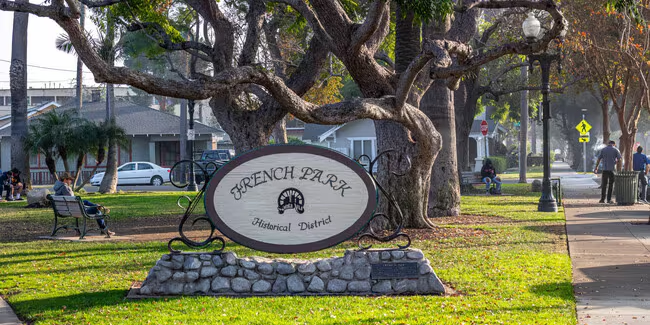
Nestled just northeast of downtown Santa Ana, the Historic French Park Neighborhood is a 20-square-block gem that transports visitors and residents alike back to the late 19th and early 20th centuries. Known as the “Nob Hill of Orange County,” this charming district is celebrated for its architectural splendor, tree-lined streets, and vibrant community spirit. Listed on the National Register of Historic Places since 1999, French Park offers a unique blend of history, culture, and urban lifestyle that makes it a must-visit destination in Orange County. In this blog post, we’ll explore the rich history, stunning architecture, community vibrancy, and hidden treasures of French Park, providing a comprehensive guide for anyone eager to discover this historic enclave.
A Glimpse into French Park’s Storied Past
French Park’s origins trace back to 1877, when Santa Ana was still a fledgling city. Visionary businessmen, including William Spurgeon, J.H. Fruit, and James McFadden, formed the Western Development Company to persuade the Southern Pacific Railroad to extend its line from Anaheim to Santa Ana. By 1878, the tracks were laid, and the company plotted a 160-acre tract called Santa Ana East, which laid the groundwork for what would become French Park.
In the 1890s, influential figures like George Wright purchased land in this area, sparking a wave of development. Wright’s home, originally built on a triangular plot, was later relocated, and the land was donated to the city to create Flatiron Park (now known as French Park), giving the neighborhood its name. By 1900, the construction of Miles Crookshank’s grand Colonial Revival home at 802 N. French Street set a high standard for the area, earning it the “Nob Hill” moniker. The early 20th century saw the neighborhood flourish with Victorian, Neoclassical, and Craftsman bungalow-style homes, reflecting Santa Ana’s growing prosperity.
However, the mid-20th century brought challenges. The 1940s saw many of French Park’s large homes converted into apartments or rooming houses to accommodate military families, and some Victorian masterpieces were demolished for parking lots or modern developments. By the 1970s, the neighborhood faced urban pressures, but a passionate group of residents rallied to preserve its historic charm. In 1979, the Historic French Park Neighborhood Association was formed, and in 1984, the city officially designated it a historic district. This grassroots movement, coupled with the 1999 National Register listing, ensured French Park’s legacy would endure.
Architectural Treasures of French Park
French Park is an architectural wonderland, showcasing a diverse array of styles that reflect its evolution over decades. Walking through its oak-lined streets feels like stepping into a living museum, where each home tells a story of craftsmanship and history.
-
Victorian “Painted Ladies”: The neighborhood’s earliest homes, built in the 1890s, include vibrant Queen Anne-style Victorians, known as “Painted Ladies” for their colorful facades and intricate details like turrets and gingerbread trim. While some were lost to redevelopment, those that remain are meticulously preserved, drawing admiration from architecture enthusiasts.
-
Colonial Revival and Neoclassical: Homes like the Crookshank House (1900) exemplify the grandeur of Colonial Revival architecture, with symmetrical designs and classical elements. Neoclassical homes, with their stately columns and pediments, also dot the neighborhood, reflecting the wealth of early residents.
-
Craftsman Bungalows: By 1905, the northern end of French Park saw a surge of Craftsman bungalows, characterized by low-pitched roofs, exposed beams, and cozy porches. These homes, often built with superior craftsmanship, remain some of the neighborhood’s most iconic structures.
-
Spanish Colonial and Eclectic Revival: In the 1910s and 1920s, Spanish-style fourplexes and eclectic revival homes filled the remaining lots, particularly along the 900 block of Lacy Street. These graceful buildings add a Mediterranean flair to the district’s architectural tapestry.
The Historic French Park Neighborhood Association, in collaboration with the City of Santa Ana, enforces strict preservation guidelines to maintain these homes’ integrity. Many properties are registered under the Mills Act, which offers tax incentives to homeowners who preserve their historic homes, ensuring that French Park’s architectural heritage remains intact.
Community Spirit and Modern Vibrancy
French Park is more than just a collection of beautiful homes; it’s a tight-knit community that values its history while embracing modern urban living. With a population of approximately 2,350, the neighborhood has a dense, urban feel, yet it retains a peaceful, walkable charm. Residents, a diverse mix of families, young professionals, and creatives, take pride in their neighborhood’s unique character.
The Historic French Park Neighborhood Association plays a pivotal role in fostering community engagement. The association organizes events like historic home tours, jazz festivals, and cultural programs, often centered around French Park itself, a small park at the neighborhood’s core. These events not only celebrate the district’s heritage but also bring neighbors together, creating a strong sense of belonging.
French Park’s proximity to downtown Santa Ana—less than a mile away—adds to its appeal. Residents enjoy easy access to a vibrant array of restaurants, bars, art galleries, and cultural venues, including the Bowers Museum and the Downtown Santa Ana Artwalk, held every first Saturday of the month. The neighborhood’s walkability, coupled with its freeway access and proximity to the Santa Ana Train Station, makes it a convenient hub for exploring Orange County and beyond.
Local interests reflect the community’s dynamic spirit. According to Nextdoor, French Park residents are passionate about walking, home improvement, gardening, local history, and live music, among other pursuits. The neighborhood’s lush trees, historic charm, and downtown access are frequently cited as reasons why residents love living here.
Hidden Gems and Must-Visit Spots
Exploring French Park offers a chance to uncover hidden treasures that highlight its historical and cultural significance. Here are a few must-visit spots and experiences:
-
Dr. Willella Howe-Waffle House & Medical Museum: This Queen Anne Victorian home, built in 1889, was the residence and office of Santa Ana’s first female doctor. Now a museum, it offers docent-led tours that delve into 19th-century medical practices and the life of Dr. Howe-Waffle. Special events, like the April 5, 2025, tour featuring a bird scavenger hunt and historic bird jewelry, add a unique twist to the experience. Tickets include tea and sweets, making it a delightful outing.
-
French Park Walking Tours: Organized by Preserve Orange County, these expert-led tours take visitors through French Park’s stately streets, highlighting the stories behind its homes and the preservation efforts that protect them. The final tour of the spring/summer 2025 season is scheduled for June 21, from 10 a.m. to 12:30 p.m., offering a perfect way to spend a sunny Saturday.
-
Claycomb House: Located at the corner of Eleventh and Spurgeon streets, this 1903 Victorian mansion, a blend of Fairy and Colonial Revival styles, is a standout example of French Park’s restoration efforts. Restored by resident Paul Cook-Giles after years of neglect, it’s a testament to the neighborhood’s commitment to preserving its heritage.
-
French Park (Flatiron Park): The small park that gave the neighborhood its name is a serene spot for a picnic or a moment of reflection. Surrounded by historic homes, it’s a great place to soak in the district’s ambiance.
-
Downtown Santa Ana: A short walk from French Park, downtown offers a vibrant mix of dining and entertainment. Favorites include the Blinking Owl Distillery, known for its NY-style pizza, and the eclectic shops and galleries of the Artists Village.
Challenges and Considerations
While French Park is undeniably charming, it faces some urban challenges. Parking can be scarce, especially in areas with apartments, and street parking often requires permits. Some residents have reported issues with homelessness and petty crime, such as car break-ins, particularly near French Court, the apartment-heavy area north of Washington Street. However, the neighborhood watch, supported by the Santa Ana Police Department, works to keep the area safe, and most residents describe French Park as peaceful and welcoming.
Another quirky challenge? Fleas. Some newcomers have reported persistent flea issues, possibly due to the neighborhood’s lush landscaping and pet-friendly vibe. Residents recommend consulting with local vets for effective treatments like Bravecto or Advantage.
Why Visit or Live in French Park?
French Park offers a rare opportunity to experience a slice of Orange County’s history while enjoying the conveniences of modern urban living. For visitors, it’s a chance to marvel at architectural masterpieces, delve into Santa Ana’s past, and enjoy the cultural vibrancy of downtown. For potential residents, French Park combines historic charm with a central location, making it ideal for those who value walkability, community, and unique homes. While housing costs are higher than the national average—median home prices hover around $795,000, and average rents for a one-bedroom are about $2,490—the neighborhood’s character and amenities make it a worthwhile investment for many.
Whether you’re strolling through its tree-lined streets, touring a historic home, or sipping coffee at a nearby café, French Park invites you to slow down and appreciate the beauty of a bygone era. Its blend of preservation and progress makes it a standout destination in Santa Ana, one that continues to attract history buffs, architecture lovers, and community-minded individuals alike.
Plan Your Visit
Ready to explore French Park? Start with a walking tour through Preserve Orange County or a visit to the Dr. Willella Howe-Waffle House. Check the Historic French Park Neighborhood Association’s website (frenchpark.org) for upcoming events, like the Holiday Home Tour, and subscribe to their email list for the latest news. For a deeper dive into Santa Ana’s history, visit the Santa Ana Historical Preservation Society’s website or the Online Archive of California.
French Park is more than a neighborhood—it’s a living testament to Santa Ana’s enduring charm and resilience. Whether you’re a history enthusiast, an architecture aficionado, or simply looking for a vibrant community to call home, French Park has something to offer. So, lace up your walking shoes, grab a camera, and discover the timeless allure of this Orange County treasure.