

South Coast Metro stands as one of Orange County’s most recognizable and successful urban districts. Spanning portions of both Costa Mesa and Santa Ana, the area has become synonymous with luxury retail, world-class performing arts, corporate headquarters, fine dining, and high-end condominium living. At its heart lies South Coast Plaza, consistently ranked among the highest-grossing shopping centers on the planet. Surrounding it are the Segerstrom Center for the Arts, major office campuses, boutique hotels, and a growing collection of sleek residential towers that define the modern skyline.
This polished, high-density environment—often labeled one of Southern California’s premier “edge cities”—emerged relatively recently. Most of the district’s defining structures and infrastructure date from the late 1960s onward. Yet the land beneath these glass towers and landscaped plazas carries a much longer story, one tied to Native American habitation, Spanish and Mexican land grants, 19th-century cattle ranching, and 20th-century agriculture. While South Coast Metro itself contains very few pre-1960s buildings due to its focused commercial and late-20th-century residential development, the immediately surrounding neighborhoods—especially in Costa Mesa—preserve a meaningful collection of older and genuinely historic properties. These homes and landmarks offer architectural character, period craftsmanship, and a direct connection to the region’s pre-urban past.
Understanding the historic properties near South Coast Metro requires looking at both the single most significant surviving landmark and the broader inventory of vintage residences found in adjacent residential areas.
Historical Context: Rancho Roots to Mid-Century Transformation
The territory that now comprises South Coast Metro once belonged to vast Mexican-era land grants, including portions of Rancho Santiago de Santa Ana. After California transitioned to U.S. control, the land supported cattle ranching and, later, large-scale farming. By the early 20th century, lima beans, sweet potatoes, strawberries, and other crops covered much of what would become Costa Mesa and the future South Coast Metro site.
Significant change arrived in the post-World War II era. In the 1960s, the Segerstrom family, long-time landowners and farmers in the area, made the pivotal decision to develop their property commercially rather than continue agricultural use. South Coast Plaza opened in 1967 as a regional shopping center anchored by high-end department stores. That opening proved transformative. Over the following decades, the surrounding area saw steady waves of office construction, cultural venues, hotels, and eventually luxury residential high-rises. Today, the district blends high-density urbanism with carefully planned open space, pedestrian-friendly retail streets, and cultural institutions that draw visitors from across Southern California and beyond.
Despite this rapid modernization, pockets of earlier development survive in the neighborhoods that border the South Coast Metro. These older properties—ranging from 1920s cottages to 1950s ranch-style homes—represent the community’s transition from farming village to postwar suburb long before the arrival of glass office towers and 20-story condominiums.
The Diego Sepulveda Adobe – Orange County’s Earliest Link
The most important historic property in close proximity to the South Coast Metro is the Diego Sepulveda Adobe, located in Estancia Park in Costa Mesa. Constructed between 1820 and 1823, this adobe served as housing for vaqueros and herdsmen working on behalf of Mission San Juan Capistrano. It is officially designated California Historical Landmark No. 227 and ranks among the oldest surviving structures in northern Orange County.
The building exemplifies early California adobe construction: thick walls made of sun-dried bricks mixed with straw, small windows to keep interiors cool, a low-pitched roof, and an unpretentious layout designed for function rather than ornament. Over nearly two centuries, the adobe has endured floods, earthquakes, changing ownership, and periods of neglect. Careful restoration efforts—most recently culminating in a major renovation completed in 2022—have preserved its structural integrity and historical authenticity.
Today the adobe operates as a small public museum managed by the Costa Mesa Historical Society and city partners. Visitors can walk through the modest interior, view interpretive exhibits, and stand in the quiet park setting that surrounds the building. The adobe’s survival offers a rare, tangible connection to the rancho period that shaped so much of Southern California’s early history. For anyone interested in the deeper roots of the South Coast Metro area, the Diego Sepulveda Adobe remains the single most significant historic site within a short drive of the district’s modern core.
Vintage Homes and Architectural Heritage in Adjacent Costa Mesa Neighborhoods
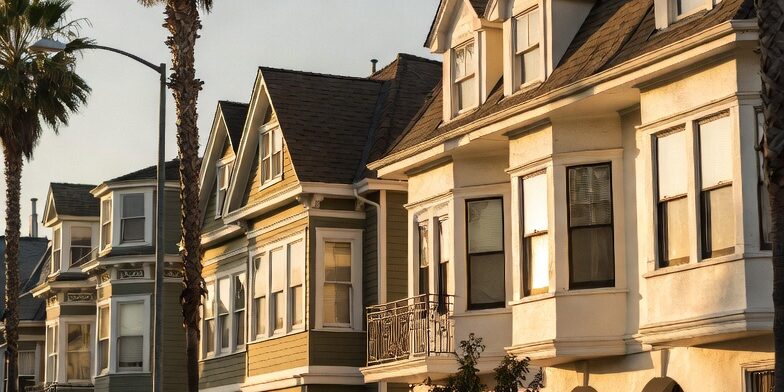
While the commercial heart of South Coast Metro contains almost no residential structures built before the late 20th century, the surrounding single-family neighborhoods in Costa Mesa hold a rich and varied collection of older homes. These properties, primarily constructed between the 1920s and the 1950s, reflect several distinct periods of regional growth and popular Southern California architectural styles.
Among the most frequently encountered styles are:
- Spanish Colonial Revival This style dominated Southern California residential design in the 1920s and 1930s. Hallmarks include red clay tile roofs, smooth stucco walls, arched doorways and windows, decorative wrought-iron balconies or window grilles, and often a small courtyard or entry patio. These homes frequently feature heavy wooden beams, colorful tile accents, and fireplaces with hand-painted surrounds—details that give each property a warm, romantic character rooted in the region’s Spanish and Mexican heritage.
- Craftsman Popular in the early decades of the 20th century, Craftsman homes emphasize natural materials, handcrafted details, and an ethos of honest construction. Typical features include low-pitched gabled roofs with wide overhanging eaves, exposed rafter tails, tapered porch columns, built-in cabinetry, leaded or stained-glass windows, and extensive use of wood, stone, and brick. Many retain original hardwood floors, coved ceilings, and cozy inglenook fireplaces.
- Postwar Ranch and Mid-Century Modern Homes built in the 1940s through the early 1960s often adopt a more horizontal, open layout suited to California’s indoor-outdoor lifestyle. Clean lines, large picture windows, sliding glass doors to patios or rear yards, flat or low-pitched roofs, and integration of carports or attached garages are common. These properties frequently feature terrazzo or concrete floors, clerestory windows, and minimalist detailing that feels both timeless and forward-looking.
Neighborhoods such as Eastside Costa Mesa, College Park, Mesa Verde, and areas near downtown Costa Mesa contain the highest concentrations of these vintage homes. Many retain original or sympathetically updated features: plaster walls, period light fixtures, mature landscaping, brick or stone pathways, and mature trees that provide shade and character. Some properties have been designated as local historic resources or qualify for Mills Act tax incentives that reward preservation efforts.
The Costa Mesa Historical Society actively documents and celebrates this architectural heritage. Through walking tours, oral history projects, publications, and annual historic home calendars, the society helps keep the stories of these properties alive and encourages owners to maintain or restore period-appropriate details.
The Value of Historic Character in a Modern District
In an area defined by contemporary high-rises, luxury retail, and new construction condominiums, older and historic properties bring several irreplaceable qualities:
- Distinct personality — Handcrafted elements, original materials, and design choices from earlier eras create homes that feel individual rather than mass-produced.
- Connection to place — These residences link current residents to the community’s evolution from agricultural fields to a globally recognized commercial and cultural center.
- Visual and spatial variety — Older homes contribute human-scale streetscapes, mature trees, and architectural diversity that balance the larger, more uniform forms of modern development.
- Long-term desirability — In a high-demand market like Orange County, well-maintained vintage properties often appreciate steadily, especially among buyers who prioritize authenticity, craftsmanship, and neighborhood character over the latest finishes.
For prospective buyers or long-time residents interested in historic homes, working with real estate professionals who specialize in vintage and character properties can make a significant difference. Inventory of older single-family residences in Costa Mesa fluctuates, but demand remains consistent from those who value the blend of history and location.
Past and Present in Harmony
South Coast Metro today exemplifies successful, forward-looking urban planning in Orange County. Its concentration of luxury retail, cultural venues, corporate offices, and high-rise living attracts residents, workers, and visitors from across the region and the world. Yet the story of this place would be incomplete without acknowledging the layers that preceded the modern district: indigenous presence along the Santa Ana River, Spanish and Mexican ranchos, American-era farming, and the gradual suburbanization that began in the early 20th century.
The Diego Sepulveda Adobe, standing since the 1820s, and the vintage homes scattered through nearby Costa Mesa neighborhoods serve as quiet but powerful reminders of that longer timeline. They illustrate how a community can grow dramatically while still preserving meaningful traces of its origins.
For visitors exploring South Coast Plaza and the Segerstrom Center, a short drive or walk into adjacent residential areas reveals another side of the region—one defined by red-tile roofs, Craftsman porches, mature gardens, and the enduring adobe walls of an early California rancho. That juxtaposition of old and new is one of the area’s quiet strengths. It shows that rapid progress and thoughtful preservation can coexist, enriching both the daily experience of residents and the deeper identity of the place.
In a corner of Southern California known for constant reinvention, the surviving historic properties near South Coast Metro remind us that every modern skyline rests on foundations laid long before the first tower rose.