

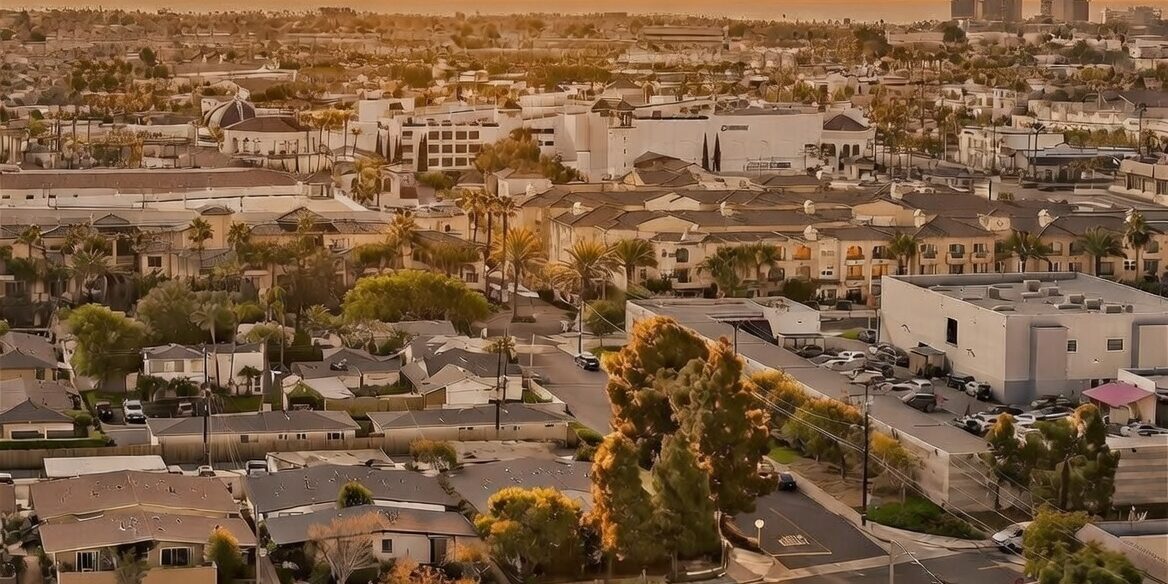
In the sun-drenched landscapes of Southern California, few areas embody the allure of coastal living quite like Westside Costa Mesa. Nestled in Orange County, this vibrant neighborhood blends urban edge with suburban charm, boasting proximity to beaches, trendy eateries, and a thriving arts scene. Yet, beneath the glossy facade of million-dollar homes and manicured lawns, whispers of instability have grown louder. As we navigate through 2026, with median home prices hovering around $1.3 million and economic uncertainties looming, questions arise: Is Westside Costa Mesa on the brink of a real estate crash? This blog post delves deep into the predictions, data, and expert insights surrounding this possibility. We’ll explore historical patterns, current trends, potential triggers, and why some believe a downturn is imminent—while others argue the market’s resilience will prevail. Buckle up; this isn’t just about bricks and mortar—it’s about the economic forces shaping one of California’s most sought-after enclaves.
Current State of the Westside Costa Mesa Real Estate Market
To understand crash predictions, we must first ground ourselves in the present. As of early 2026, the Westside Costa Mesa housing market remains competitive, but signs of cooling are evident. The median sale price for homes in the neighborhood stands at approximately $1.31 million, reflecting a modest 2.7% year-over-year increase. This is a far cry from the double-digit surges seen during the post-pandemic boom of 2021-2023. Homes are lingering on the market longer—averaging 42 days compared to 41 days last year—with 31 sales recorded in January 2026, up 55% from the previous year but still indicative of a slower pace.
Inventory levels, a critical barometer of market health, are rising modestly. Orange County as a whole, including Costa Mesa, has seen inventory climb, driven by easing mortgage rates and more homeowners listing properties. In Westside specifically, the market is rated as very competitive, with desirable properties often fetching at or above list price. However, longer-market listings highlight the need for realistic pricing. The median sale price per square foot has climbed to $833, up 16.9% year-over-year, underscoring persistent demand but also potential overvaluation.
Broader Costa Mesa trends mirror this: The city’s median home price is around $1.5 million, up 2.5% from last year, with homes selling after about 50 days on the market. This stabilization follows years of frenzy, where bidding wars were the norm. Now, with inventory improving and buyer activity tempered, the market feels more balanced. Yet, this balance could tip if external pressures intensify, fueling crash speculations.
Affordability remains a glaring issue. With home prices nearly double historical averages and costing about 14 times the median annual income in the area, many potential buyers are sidelined. This mismatch has led some analysts to label Costa Mesa as severely overextended, with prices well above long-term trends. Such metrics evoke memories of past bubbles, setting the stage for dire predictions.
Historical Context: Lessons from Past Downturns
Westside Costa Mesa’s real estate history is a rollercoaster of booms and busts, providing valuable context for current crash fears. During the 2008 financial crisis, the neighborhood—like much of Orange County—suffered sharply. Home values in Costa Mesa plummeted significantly, one of the steeper drops in the region. Foreclosures surged as subprime mortgages unraveled, and inventory ballooned, forcing prices down. Recovery took years, but by the mid-2010s, values had rebounded, fueled by low interest rates and economic growth.
The post-2020 pandemic era supercharged this recovery. Stimulus money, remote work trends, and rock-bottom rates drove a buying spree. Westside saw prices skyrocket, with median values climbing dramatically from pre-pandemic levels—a staggering increase over the past two decades. This rapid appreciation mirrored statewide trends but amplified local vulnerabilities. Orange County’s desirability—proximity to beaches, strong job markets in tech and finance, and limited land for new builds—kept supply tight, pushing prices higher.
However, history shows that such escalations often precede corrections. The dot-com bust of the early 2000s saw modest dips in Costa Mesa, while the 2008 crash was more severe due to lax lending. Today, with echoes of overvaluation, some predict a similar fate. Annual price volatility in Costa Mesa has historically been high, indicating a market prone to swings. Recent data reveals new listings up significantly year-over-year, while pending sales have dropped, signaling growing inventory that historically precedes price drops.
Factors That Could Trigger a Market Crash
While no crystal ball guarantees a crash, several converging factors heighten the risk for Westside Costa Mesa in 2026. First and foremost is affordability erosion. Home prices have outpaced income growth dramatically since 2000, creating a severe affordability crisis. Only a small percentage of Orange County households can afford a median-priced home, down from historical norms. This squeezes demand, particularly among first-time buyers and middle-class families.
Interest rates play a pivotal role. Currently averaging around 6% for 30-year fixed mortgages, rates have stabilized but remain elevated compared to the sub-4% era that fueled the last boom. Even modest increases—or failure to drop meaningfully—keep monthly payments unaffordable for many, reducing purchasing power and cooling buyer enthusiasm.
Economic uncertainty adds another layer. Persistent inflation, potential recession signals, layoffs in tech and finance sectors, and global trade disruptions could erode consumer confidence. Westside Costa Mesa relies heavily on high-earning professionals who commute to Los Angeles, Irvine, or nearby business hubs. Any slowdown in those industries could trigger a wave of sellers or stalled purchases.
Rising inventory is another red flag. Sellers who held off during high-rate periods are now listing, hoping to capture still-elevated prices. If demand doesn’t keep pace, a classic supply glut could develop, pressuring prices downward. Combined with longer days on market and more price reductions, this pattern has preceded downturns in the past.
Over-leveraged buyers represent a hidden risk. Many recent purchasers bought at peak prices with minimal down payments or adjustable-rate mortgages. If values dip even modestly and rates reset higher, negative equity could return, prompting distressed sales and accelerating any decline.
Finally, psychological factors cannot be ignored. Media headlines about a cooling market, combined with stories of neighbors accepting lower offers, can create a self-fulfilling prophecy. Fear of missing out drove the boom; fear of overpaying could now drive the bust.
Counterarguments: Why a Crash Might Not Happen
Not everyone is predicting doom. Optimists point to structural strengths that differentiate today’s market from 2008. Lending standards are far stricter—no widespread subprime loans or no-doc mortgages exist today. Most homeowners have substantial equity after years of appreciation, making them less likely to walk away even if prices soften.
Orange County’s economy remains robust, anchored by diverse industries including healthcare, education, tourism, and emerging tech. Population growth, while slower than in previous decades, continues to support housing demand. Limited new construction—due to zoning restrictions, high land costs, and environmental regulations—helps prevent the massive oversupply seen in some Sun Belt markets.
Demographic tailwinds also favor the region. Millennials and Gen Z entering prime home-buying years still view coastal Orange County as aspirational. Many are willing to stretch financially or rely on family assistance to secure a foothold. Remote and hybrid work has made proximity to beaches and lifestyle amenities even more valuable, sustaining long-term demand.
Some analysts argue that what looks like a crash risk is actually a healthy correction. After extraordinary price gains, a period of flat or modestly declining values would restore affordability without triggering widespread foreclosures. A “soft landing” scenario—where prices stabilize or fall 5–15% over several years—is seen as more probable than a dramatic crash.
What Experts and Locals Are Saying
Real estate professionals in Costa Mesa offer mixed outlooks. Some agents report increased negotiations, more contingencies, and buyers walking away from overpriced listings—classic pre-correction behavior. Others insist demand remains resilient, especially for well-priced, updated homes in desirable pockets of the Westside. They note that truly turnkey properties still generate multiple offers and close quickly.
Long-time residents express concern about affordability for their children and grandchildren, while newer arrivals who bought recently worry about paper losses on their largest investment. Online forums and neighborhood groups buzz with speculation, ranging from doomsday forecasts to calm reassurances that “California real estate always comes back.”
Looking Ahead: Scenarios for 2026–2028
Three broad scenarios emerge for Westside Costa Mesa:
- Mild Correction (Most Likely) Prices flatten or decline 5–12% over the next 18–36 months as inventory continues to rise and affordability constraints persist. Sales volume slows but no mass foreclosures occur. The market resets at a more sustainable level before resuming gradual growth.
- Deeper Downturn (Moderate Risk) A recession or sharp rise in unemployment triggers 15–25% price drops. Distressed sales increase, though not to 2008 levels. Recovery takes 3–5 years, with significant pain for recent buyers and over-leveraged investors.
- Surprise Rebound (Lower Probability) Interest rates fall meaningfully, economic conditions improve, and pent-up demand floods back. Prices stabilize quickly and begin climbing again by late 2026 or 2027, rewarding patient sellers and punishing those who waited too long.
Final Thoughts
Predicting real estate crashes is notoriously difficult—markets can defy logic for years before reality intervenes. Westside Costa Mesa remains one of Southern California’s most desirable neighborhoods, with fundamentals that many regions would envy. Yet the combination of extreme affordability challenges, elevated interest rates, rising inventory, and economic headwinds creates a credible case for at least a meaningful correction, if not an outright crash.
For buyers, the message is caution: overpaying today carries real risk, but waiting indefinitely may mean missing the next upcycle. For sellers, pricing realistically and preparing for longer market times is prudent. For everyone else—investors, renters, long-time owners—the coming years will test whether this coastal gem can weather another storm or if the shadows finally give way to a broader downturn.
The only certainty is uncertainty. In Westside Costa Mesa, as in much of California real estate, the future remains unwritten—but the warning signs are impossible to ignore.