South Coast Metro, located primarily in Costa Mesa with portions extending into Santa Ana, is a dynamic mixed-use district in the heart of Orange County, California. Centered around one of the world’s most renowned luxury shopping destinations, this area combines high-end retail, corporate offices, residential neighborhoods, dining, cultural venues, and convenient access to major freeways and John Wayne Airport.
In a state known for dramatic real estate cycles influenced by interest rate fluctuations, chronic housing shortages, and economic shifts, South Coast Metro stands out for its relative stability. As of early 2026, with mortgage rates hovering between 5.9% and 6.3% for 30-year fixed loans, gradually increasing inventory, and cautious buyer sentiment, the market maintains a balanced and resilient character. This article examines the area’s demographics, historical performance, current conditions, core stabilizing factors, potential risks, investment appeal, and forward-looking outlook through 2026 and beyond.
Location, Lifestyle, and Demographics
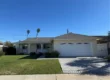
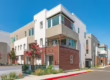
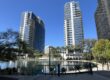
South Coast Metro offers an appealing blend of urban convenience and suburban comfort. The district features walkable streets with retail, restaurants, parks, and a variety of housing types—from modern condominiums and townhomes close to major commercial hubs to quieter single-family residential pockets a short distance away.
The population is diverse and well-educated, with a significant portion holding bachelor’s or advanced degrees. Median household income exceeds national and even many California regional averages, reflecting a concentration of professionals in fields such as technology, healthcare, finance, retail management, and creative industries. The area attracts young professionals, growing families, and some retirees who value proximity to employment centers, top-rated schools, cultural amenities, and year-round pleasant weather.
Housing tenure leans toward renting, with a notable share of owner-occupied units. Rental demand remains strong, particularly for one- and two-bedroom apartments and condos. The lifestyle appeal—easy access to shopping, dining, entertainment, parks, and beaches without the extreme price premiums of neighboring coastal cities—continues to drive consistent demand for both ownership and rental properties.
Historical Market Trends
Orange County real estate has long outperformed national averages, supported by limited developable land, strong job growth, desirable climate, and proximity to major economic engines. South Coast Metro has followed the broader Orange County trajectory but with distinct characteristics tied to its mixed-use identity.
The post-2008 recovery was robust. Low interest rates during the early pandemic years triggered rapid price appreciation, extremely low inventory, and intense competition among buyers. By 2023 and 2024, higher mortgage rates slowed momentum, extending days on market and moderating price growth in many segments.
In 2025, the market entered a more balanced phase. Prices stabilized after several years of strong gains, inventory levels rose noticeably from pandemic-era lows, and new mixed-use and sustainable residential developments continued to come online. Median prices in overlapping submarkets showed modest year-over-year increases or slight softening depending on property type, while overall values held firm compared to less supply-constrained regions.
Days on market lengthened modestly, bidding wars became less common, and price reductions appeared more frequently—signs of a shift from a pure seller’s market toward greater equilibrium. Despite these adjustments, the area avoided sharp corrections, thanks to persistent underlying demand and limited new supply.
Current Market Conditions (Early 2026)
As of the first months of 2026, South Coast Metro exhibits measured stability:
- Pricing: Condominiums, townhomes, and smaller single-family homes typically fall within accessible price ranges relative to surrounding luxury coastal markets. Per-square-foot values vary by location and condition but remain competitive within the broader Orange County context.
- Inventory and Sales Activity: Active listings have increased meaningfully from the ultra-low levels of 2021–2022, giving buyers more choice and modest negotiating power. Well-priced properties continue to sell within a reasonable timeframe, though extremely high-end or overpriced listings take longer.
- Market Dynamics: Competition has cooled compared to peak years. Multiple-offer situations are less frequent, and sellers are more likely to make concessions on price, closing costs, or repairs.
- Interest Rates: The 5.9–6.3% range for conforming 30-year fixed mortgages has improved affordability compared to recent highs and supports both purchase and refinance activity.
Multifamily properties continue to perform strongly, with low vacancy rates and high occupancy supporting stable rental income streams and investor confidence.
Core Factors Supporting Stability
Several structural and location-specific elements underpin South Coast Metro’s market resilience:
- Strong Employment and Economic Base: Orange County maintains one of the lowest unemployment rates in California. The region benefits from diverse industries including technology, healthcare, finance, tourism, logistics, and retail. South Coast Metro itself generates significant economic activity through major retail, office, and hospitality employers.
- Persistent Supply Constraints Limited land availability, restrictive zoning, high construction costs, environmental regulations, and community opposition to large-scale development keep new housing supply well below long-term demand. This chronic undersupply creates a natural floor under prices, even during periods of reduced buyer enthusiasm.
- Prime Location and Lifestyle Appeal Excellent freeway access, proximity to employment hubs in Irvine and Newport Beach, short drives to beaches, and immediate access to world-class shopping, dining, and entertainment create enduring desirability. The walkable, mixed-use environment aligns with modern preferences for convenience and community.
- Ongoing Development and Revitalization New mixed-use projects, luxury apartment communities, and pedestrian-friendly retail and office developments continue to enhance the area’s appeal. These additions address some supply pressure while reinforcing the district’s vibrancy and long-term value.
- Demographic and Generational Demand Millennials and younger Gen Z buyers favor locations offering urban amenities, walkability, and proximity to employment. Families value strong schools and parks. High homeowner equity levels provide a buffer against downturns.
Together, these factors create a market that tends toward gradual appreciation or stability rather than dramatic boom-bust cycles.
Potential Risks to Monitor
While fundamentals remain solid, several challenges could influence future performance:
- Affordability pressures from high entry prices and mortgage rates
- Potential economic slowdown impacting white-collar employment
- Rising insurance costs and natural disaster risks (earthquakes, wildfire smoke)
- Regulatory changes affecting rents, short-term rentals, or development approvals
- Any unexpected surge in inventory if broader market conditions shift dramatically
Even with these risks, South Coast Metro’s location, economic diversity, and supply constraints provide significant downside protection compared to many other California markets.
2026 and Longer-Term Outlook
Forecasts for 2026 point to continued stability with modest positive momentum:
- Gradual price appreciation in the 2–5% range in a base-case scenario, potentially higher if rates decline further
- Inventory levels are likely to remain healthier than pandemic years, but still below long-term balanced norms
- Sales activity is steady, with reasonable marketing times for well-priced properties
- Multifamily and commercial sectors expected to maintain strong occupancy and rental growth
Over the longer term, population growth, job expansion, infrastructure improvements, and persistent housing shortages across Southern California should continue to support demand. While affordability challenges and policy shifts could moderate the pace, the area’s core advantages position it well for sustained performance.
Investment Considerations
South Coast Metro appeals to a range of investors:
- Residential properties offer potential for both appreciation and rental income
- Multifamily investments benefit from strong occupancy and rental demand
- Commercial retail and office spaces in prime locations maintain high tenancy
Long-term hold strategies tend to perform best, capitalizing on equity buildup, rental growth, and gradual appreciation. Investors should carefully evaluate HOA fees (common in condos and townhomes), property taxes, insurance costs, and maintenance requirements.
Buyers are advised to focus on properties priced realistically in the current environment, prioritize locations with strong walkability and amenities, and work with experienced local professionals. Sellers should price competitively and emphasize upgrades, location, and lifestyle benefits to attract serious buyers.
Final Thoughts
South Coast Metro exemplifies how strong location fundamentals, economic diversity, limited supply, and vibrant mixed-use character can produce a real estate market that withstands broader economic cycles with greater stability than many other areas. While no market is immune to external pressures, the combination of persistent demand drivers and structural constraints creates a resilient environment well-suited for residents, buyers, sellers, and investors seeking predictability in a high-cost region.
In early 2026, South Coast Metro offers a compelling balance of lifestyle quality and market durability—making it one of Orange County’s more dependable real estate submarkets.