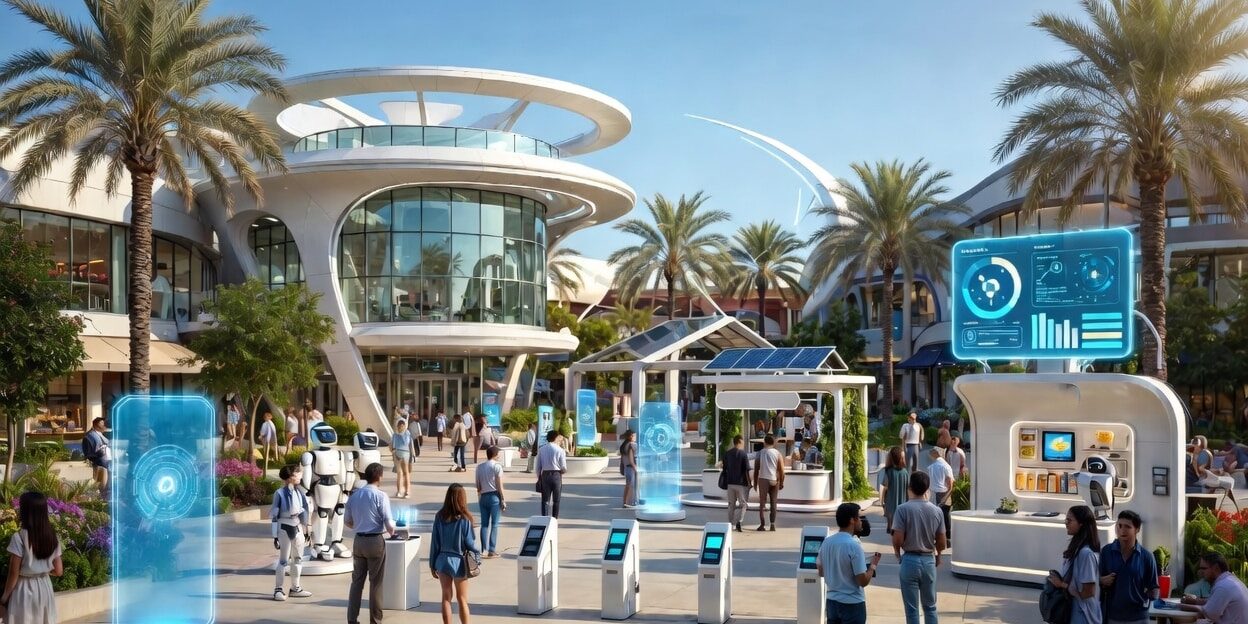
As one of Southern California’s most dynamic retail hubs, Irvine in Orange County has long been a showcase for innovative shopping experiences. With its master-planned communities, affluent demographics, and proximity to tech giants like Blizzard Entertainment, Broadcom, and the University of California, Irvine, the city continues to evolve as a premier destination for retail and lifestyle centers. Shopping centers such as Irvine Spectrum Center, The Market Place, and Fashion Island (just across the border in Newport Beach but serving the broader Irvine market) are not just places to shop—they are experiential ecosystems where vendors play a pivotal role.
Vendor management in these shopping centers is undergoing a profound transformation. From traditional lease negotiations to AI-driven partnerships, the future of how shopping centers engage with vendors—whether they be pop-up retailers, food trucks, experiential brands, or service providers—is being reshaped by technology, consumer behavior shifts, sustainability demands, and economic pressures. This comprehensive exploration dives deep into the emerging trends that will define vendor management in Irvine’s shopping centers over the next decade.
The Current Landscape of Vendor Management in Irvine Shopping Centers
Irvine’s retail scene benefits from a highly educated, high-income population. Median household incomes in Irvine exceed $100,000, with many residents working in tech, finance, healthcare, and education sectors. This creates a demand for premium, diverse, and convenient retail experiences. Shopping centers here have traditionally managed vendors through long-term leases, percentage rents tied to sales performance, and strict operational guidelines covering hours, merchandising standards, and maintenance responsibilities.
However, post-pandemic recovery has accelerated changes. The rise of e-commerce forced many brick-and-mortar locations to rethink tenant mixes. In Irvine, centers like Irvine Spectrum have embraced hybrid models, blending anchor stores with rotating vendors, food halls, and entertainment options. Vendor management today involves not only securing reliable tenants but also ensuring they contribute to the overall foot traffic, brand synergy, and customer satisfaction metrics that drive center-wide success.
Key challenges currently faced include rising operational costs (utilities, security, and common area maintenance or CAM fees), labor shortages in retail and food service, and the need to adapt to fluctuating consumer preferences toward experiential and sustainable shopping.
Trend 1: Technology Integration and Data-Driven Vendor Selection
One of the most significant future trends in vendor management is the heavy integration of technology. Shopping centers in Irvine are increasingly adopting AI-powered platforms for vendor onboarding, performance tracking, and predictive analytics.
Imagine a centralized dashboard where center managers can analyze real-time sales data from vendors, foot traffic patterns captured via IoT sensors, and even sentiment analysis from customer reviews. In the coming years, expect Irvine shopping centers to use machine learning algorithms to predict which vendors will perform best based on historical data, seasonal trends, and demographic shifts. For instance, during back-to-school season or holiday periods, AI could recommend vendors specializing in tech gadgets or eco-friendly gifts that align with Irvine’s tech-savvy, environmentally conscious residents.
Blockchain technology may also emerge for transparent lease agreements and payment processing, reducing disputes over percentage rents. Smart contracts could automatically adjust terms based on predefined KPIs, such as sales thresholds or customer engagement scores.
Moreover, augmented reality (AR) and virtual reality (VR) tools will allow prospective vendors to visualize their space within the shopping center before signing. A vendor could “walk through” a virtual kiosk at Irvine Spectrum Center and test layouts optimized for traffic flow. This reduces onboarding time and improves fit, leading to higher success rates.
Data privacy will remain a critical consideration. With California’s strict CCPA and evolving privacy laws, shopping centers must ensure vendor data-sharing agreements comply while still leveraging insights to optimize the tenant mix.
Trend 2: Emphasis on Sustainability and ESG Compliance
Sustainability is no longer optional—it’s a core expectation in Orange County’s progressive retail environment. Irvine shopping centers are poised to prioritize vendors that align with Environmental, Social, and Governance (ESG) standards.
Future vendor management will include rigorous screening for carbon footprints, waste reduction practices, and ethical sourcing. For example, food vendors at The Market Place or Irvine Spectrum’s food halls may be required to use compostable packaging, source locally from Orange County farms, or implement zero-waste operations. Fashion and lifestyle vendors could face mandates for sustainable materials, such as organic cotton or recycled fabrics, reflecting the values of Irvine’s younger, eco-aware demographics.
Shopping centers themselves are investing in green infrastructure—solar panels, EV charging stations, and water conservation systems. Vendors will need to integrate with these initiatives. Expect “green leases” that incentivize sustainable practices through reduced CAM fees or bonus marketing support for high-performing eco-vendors.
Social responsibility will extend to labor practices. Vendors must demonstrate fair wages, diversity in hiring (aligning with Irvine’s multicultural population, including significant Asian-American communities), and community engagement programs, such as supporting local charities or hosting educational workshops.
Certification programs like LEED for interiors or B Corp status could become prerequisites for premium vendor spots. Centers in Irvine may even create “sustainability scorecards” to rank vendors, influencing lease renewals and promotional opportunities.
Trend 3: The Rise of Experiential and Pop-Up Vendor Models
Static, long-term leases are giving way to agile, experiential vendor arrangements. In Irvine, where consumers crave unique experiences beyond traditional shopping, shopping centers will increasingly favor pop-up vendors, seasonal activations, and short-term collaborations.
Pop-ups allow centers to test new concepts with minimal risk. A Korean beauty brand could launch a temporary activation at Fashion Island or Irvine Spectrum, capitalizing on the area’s diverse demographics. Or a virtual reality gaming experience tied to local tech companies could rotate through different locations.
Vendor management systems will evolve to support these flexible models. Contracts will be shorter, performance-based, and include built-in extension clauses. Technology platforms will streamline application processes, allowing vendors to submit proposals via apps with embedded 3D renderings and projected ROI calculations.
This trend supports omnichannel retail. Vendors might operate physical pop-ups while maintaining strong online presences, with shopping centers providing integrated click-and-collect or same-day delivery services from on-site locations. In Irvine, with its heavy reliance on tech workers who value convenience, such hybrid experiences will drive loyalty.
Entertainment-focused vendors—think immersive art installations, live music stages, or wellness workshops—will blur the lines between retail and leisure. Future vendor management will involve curating “experience ecosystems” where multiple vendors collaborate on themed events, boosting overall center visitation.
Trend 4: Personalization and Hyper-Local Vendor Strategies
Irvine’s residents are discerning and community-oriented. Future vendor management will lean into hyper-localization, prioritizing vendors that reflect Orange County’s unique culture, from its beach lifestyle influences to its innovation hub status.
Shopping centers may partner with local Irvine artisans, chefs from nearby farms in Irvine Ranch, or startups from UCI’s innovation programs. Vendor selection criteria will include cultural relevance and community ties, fostering a sense of place that differentiates Irvine centers from generic malls.
Personalization will extend to customer-vendor interactions. Using customer data (ethically obtained), centers could recommend specific vendors to shoppers via mobile apps. For instance, a fitness enthusiast might receive notifications about a new activewear pop-up, while a family gets alerts for child-friendly experiential vendors.
AI-driven matchmaking will pair vendors with complementary brands. A coffee roaster could be placed near a bookstore for cross-promotions, enhancing dwell time and sales for both.
Diversity in vendor offerings will be key. With Irvine’s large Asian, Hispanic, and international populations, expect more vendors catering to specific cultural preferences—authentic Asian street food, Latin-inspired wellness products, or global fashion influences.
Trend 5: Enhanced Risk Management and Resilience Planning
Economic uncertainties, supply chain disruptions, and climate risks (such as potential wildfires or earthquakes in California) necessitate stronger risk management in vendor partnerships.
Future trends include comprehensive vendor resilience assessments. Shopping centers will evaluate not just financial stability but also backup supply chains, insurance coverage, and contingency plans for disruptions.
Digital twins—virtual replicas of shopping centers—could simulate scenarios like peak holiday crowds or emergency evacuations, helping optimize vendor placements for safety and efficiency.
Cybersecurity will become paramount as more vendors integrate with center-wide systems for payments, inventory, and marketing. Contracts will mandate robust data security protocols to protect against breaches that could affect the entire ecosystem.
Insurance models may evolve, with centers offering group policies or shared risk pools for smaller vendors, making premium spaces more accessible while mitigating overall liability.
Trend 6: Collaborative Ecosystems and Vendor Community Building
Vendor management will shift from transactional to relational. Shopping centers in Irvine will foster vendor communities through regular networking events, shared training programs, and collaborative marketing initiatives.
Imagine quarterly “vendor summits” where tenants share best practices on customer service, inventory management, or adapting to new consumer trends. Centers could provide co-working spaces or shared back-of-house facilities to reduce costs for small vendors.
Loyalty programs will extend across vendors. A unified app for Irvine Spectrum or The Market Place could reward customers for shopping at multiple participating vendors, driving cross-traffic and collective success.
Mentorship programs pairing established brands with emerging local vendors could nurture innovation while strengthening the overall retail fabric of Orange County.
Trend 7: Financial Innovation in Vendor Agreements
Traditional percentage rent models are being supplemented or replaced by more dynamic financial structures.
Revenue-sharing agreements tied to joint marketing efforts or data contributions will become common. Vendors that provide valuable customer insights or participate in center-wide campaigns might negotiate lower base rents.
Performance-based incentives, such as revenue kickbacks for exceeding sales targets or contributing to foot traffic goals, will motivate excellence.
With rising interest rates and economic pressures, flexible payment terms—perhaps tied to seasonal cash flows—will help retain quality vendors. Some centers may explore equity-like stakes in high-potential vendors, creating deeper alignment of interests.
Fintech integrations could enable instant payouts or micro-loans for inventory, supported by shopping center credit unions or partnerships with local banks in Orange County.
The Role of Irvine’s Unique Demographics and Economy
Irvine stands out due to its planned urban design, safety, and innovation ecosystem. The city’s focus on smart growth, with investments in autonomous vehicles, 5G infrastructure, and sustainable development, will influence vendor management.
Tech-savvy shoppers expect seamless digital experiences, pushing vendors toward contactless payments, personalized recommendations, and integrated loyalty ecosystems.
The presence of major employers ensures steady weekday traffic from office workers seeking quick lunches or after-work experiences, while weekends draw families and tourists. Vendor strategies must balance these flows, perhaps with corporate wellness vendors during the week and family-oriented ones on weekends.
Aging populations in surrounding Orange County areas will drive demand for accessible, health-focused vendors, such as wellness clinics, adaptive clothing, or senior-friendly experiential offerings.
Challenges on the Horizon
While opportunities abound, several challenges loom. Intense competition from online giants like Amazon and emerging direct-to-consumer brands will pressure margins. Labor costs in California, already high due to minimum wage increases and regulations, will continue to challenge vendors, particularly in food and service sectors.
Regulatory hurdles—zoning laws, health and safety codes, and evolving retail-specific ordinances in Irvine and Orange County—require proactive compliance strategies in vendor agreements.
Additionally, the talent shortage in retail management means shopping centers must invest in training programs not just for their staff but also to support vendor teams.
Climate change impacts, including potential water restrictions or energy cost fluctuations, will add layers of complexity to operational planning.
Strategies for Shopping Center Operators and Vendors
For shopping center operators in Irvine:
- Invest in robust technology infrastructure early to stay ahead of competitors.
- Develop clear ESG frameworks and communicate them transparently to attract aligned vendors.
- Foster flexibility in contracts to accommodate rapid market changes.
- Build strong local partnerships with UCI, chambers of commerce, and community groups.
- Prioritize data analytics while maintaining ethical standards.
For vendors eyeing spaces in Irvine shopping centers:
- Embrace technology and sustainability as differentiators.
- Prepare detailed proposals showcasing projected synergies with the center’s brand.
- Focus on experiential elements that drive emotional connections with customers.
- Build resilience through diversified supply chains and strong financial planning.
- Engage actively in community and vendor network opportunities.
Looking Ahead: A Vision for 2035 and Beyond
By 2035, vendor management in Irvine’s shopping centers could look radically different. Physical spaces might integrate seamlessly with digital twins, allowing virtual shopping alongside in-person experiences. Vendors could be selected via sophisticated AI that optimizes for overall ecosystem health rather than individual sales alone.
Sustainability could evolve into regenerative practices, where vendors actively contribute to environmental restoration—perhaps through urban farming installations or biodiversity projects within center grounds.
The lines between vendor, customer, and community member will blur, creating participatory retail models where shoppers co-create experiences with brands.
Irvine, with its forward-thinking governance and innovation spirit, is well-positioned to lead these changes in Orange County and serve as a model for other Southern California retail destinations.
Conclusion
The future of vendor management in shopping centers in Irvine, Orange County, is bright but demands adaptability, innovation, and collaboration. As technology, sustainability, and experiential demands reshape the retail landscape, successful shopping centers will be those that treat vendors as strategic partners rather than mere tenants.
By embracing data-driven decisions, prioritizing ESG values, fostering flexible and experiential models, and building resilient, community-oriented ecosystems, Irvine’s retail hubs can continue to thrive. For operators, the key lies in proactive investment and open-minded curation. For vendors, success will come from aligning with these evolving expectations while bringing unique value to the table.
As Irvine continues to grow as a hub of innovation and quality living, its shopping centers have the opportunity to redefine what modern retail looks like—not just in Orange County, but across the nation. The trends outlined here represent not just predictions, but actionable pathways toward a more dynamic, sustainable, and customer-centric future.