

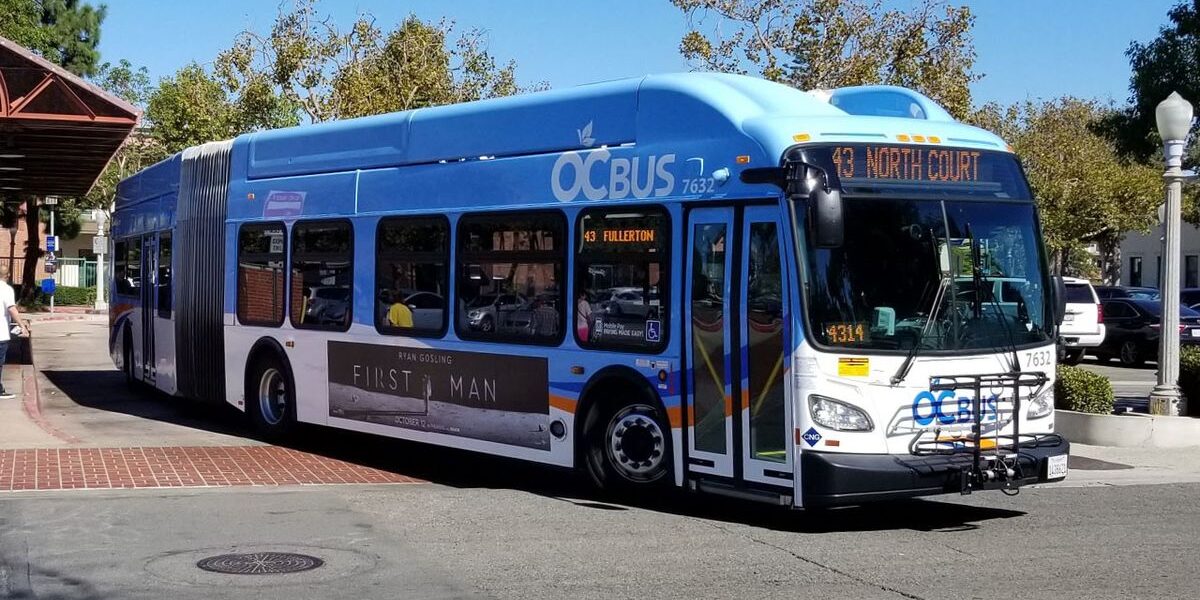
Santa Ana, California, a vibrant city in the heart of Orange County, has been undergoing significant changes in its public transit infrastructure, most notably with the development of the OC Streetcar and connections to regional transit hubs like the Santa Ana Regional Transportation Center (SARTC). These improvements aim to enhance connectivity, reduce vehicle miles traveled, and foster sustainable urban development. However, one critical question arises for residents, investors, and policymakers: how do these public transit investments impact property values in Santa Ana? This blog post explores the multifaceted relationship between Santa Ana’s public transit system and property values, drawing on research, local developments, and broader trends in transit-oriented development (TOD).
The Rise of Public Transit in Santa Ana
Santa Ana has long been a transportation hub in Orange County, with the SARTC serving as a focal point for Amtrak, Metrolink, Orange County Transportation Authority (OCTA) buses, and other services. The addition of the OC Streetcar, a 4.15-mile modern streetcar line connecting the SARTC to Garden Grove’s Harbor Transit Center, marks a significant step toward enhancing local mobility. Expected to begin operations in March 2026, the streetcar will serve 10 stations, linking key areas like downtown Santa Ana, the Civic Center, and the Arts District. This project, spearheaded by OCTA in partnership with Santa Ana and Garden Grove, aims to provide a last-mile connection, making public transit more accessible and reducing reliance on cars in a historically car-centric region.
Beyond the streetcar, the Southeast Gateway Line, a planned light rail transit (LRT) line by the Los Angeles County Metropolitan Transportation Authority (Metro), will further connect southeast Los Angeles County to downtown Los Angeles, with potential future extensions toward Santa Ana. While this project does not directly serve Santa Ana at present, its development highlights the region’s growing emphasis on transit-oriented growth, which could influence property markets in nearby areas.
How Public Transit Impacts Property Values
The relationship between public transit and property values is well-documented across urban studies. Proximity to transit infrastructure, such as rail stations or bus rapid transit, often increases property values due to improved accessibility, reduced transportation costs, and enhanced urban connectivity. Research from the American Public Transportation Association (APTA) and the National Association of Realtors (NAR) indicates that residential properties within a half-mile of public transit options like light rail or bus rapid transit saw median sale price increases of 4% to 24% between 2012 and 2016. Commercial properties in similar locations experienced even greater boosts, with sale prices rising by 5% to 42%. These premiums stem from the convenience of transit access, which attracts tenants, reduces vacancy rates, and supports higher rents.
In Santa Ana, these dynamics are particularly relevant given the city’s push for transit-oriented development along corridors like the OC Streetcar route. The streetcar’s alignment through downtown Santa Ana and the Civic Center, areas with significant employment and cultural activity, is likely to enhance the desirability of nearby properties. For instance, a Cal State Fullerton study commissioned by OCTA found that light rail systems in other regions increased property values for commercial properties by 4% to 30% and residential properties by 2% to 18%, depending on the city and transit type. While the study did not specifically analyze the OC Streetcar, its findings suggest potential uplifts for Santa Ana’s property market, particularly for commercial spaces near stations.
Benefits of Transit Proximity in Santa Ana
The OC Streetcar and other transit improvements offer several benefits that can drive property value appreciation in Santa Ana:
-
Improved Accessibility and Connectivity: The streetcar connects key destinations like the SARTC, downtown Santa Ana, and the Civic Center, making it easier for residents to access jobs, amenities, and services without a car. This connectivity is a major draw for urban professionals and millennials, who increasingly prioritize transit-accessible locations. Research shows that properties near transit hubs benefit from a larger tenant pool, leading to faster lease-up times and rental premiums of 5% to 15%.
-
Economic Activity and Development: Transit-oriented development often spurs economic activity by attracting businesses, retailers, and developers to areas near stations. In Santa Ana, luxury housing projects like the Rafferty apartments on 4th Street and a boutique hotel near the streetcar route signal growing developer interest in transit-adjacent areas. These projects can enhance neighborhood desirability, further boosting property values.
-
Resilience to Economic Downturns: Properties near quality transit infrastructure tend to retain value better during economic downturns. A study by the Environmental and Energy Study Institute (EESI) found that homes within a half-mile of fixed rail transit stations outperformed regional averages by 41.6% in value retention during the 2006-2011 recession. This resilience is particularly relevant for Santa Ana, where transit investments could provide a buffer against future market fluctuations.
-
Reduced Transportation Costs: Proximity to transit reduces household transportation costs, saving residents thousands annually. This financial benefit increases the affordability of living near transit, making these areas more attractive to buyers and renters. In Santa Ana, where the streetcar will connect to 18 OCTA bus lines, residents can expect enhanced mobility options, further driving demand for nearby properties.
Challenges and Concerns: Gentrification and Displacement
While transit improvements can boost property values, they also raise concerns about gentrification and displacement, particularly in Santa Ana’s predominantly Latino neighborhoods. A 2019 UC Irvine survey found that fewer than half of Santa Ana residents believed the OC Streetcar would positively impact their neighborhoods, with those living closer to the route expressing greater skepticism. Fears of rising property values leading to higher rents and displacement are significant, especially in areas like the Arts District, where luxury developments are already emerging.
Community advocates like Maria Ceja have noted that transit-oriented development often attracts wealthier residents, potentially pricing out long-time residents. The approval of projects like the 218-unit Rafferty luxury apartments and the replacement of a grocery store with upscale housing on 4th Street underscore these concerns. Critics argue that city policies may prioritize attracting affluent newcomers over preserving affordability for existing communities.
Moreover, not all properties benefit equally from transit proximity. Older rail systems or poorly planned stations can introduce noise, congestion, or safety concerns, potentially depressing property values in immediate proximity. In Santa Ana, the streetcar’s curbside operation through downtown could create temporary disruptions during construction, as noted by local business owners on Reddit, though these impacts are expected to subside as construction nears completion.
Santa Ana’s Unique Context
Santa Ana’s public transit investments are guided by policies in the city’s General Plan, which emphasizes sustainable land use and reduced vehicle miles traveled (VMT). Policies like LU-3.6 (Focused Development) and LU-4.5 (VMT Reduction) promote medium- and high-density mixed-use development along transit corridors, aligning with the OC Streetcar’s goals. These policies aim to create walkable, pedestrian-friendly neighborhoods, which can enhance property values by improving livability and reducing reliance on cars.
However, Santa Ana’s car-centric history and cultural context complicate the transit-property value relationship. Unlike cities with robust rail systems, Orange County’s “car culture” may temper enthusiasm for public transit, as seen in cities like Miami and Dallas, where residential property values near rail lines sometimes declined. Ensuring high service quality, reliability, and ridership will be critical for the OC Streetcar to deliver the anticipated property value premiums.
Case Studies and Comparisons
To understand the potential impact in Santa Ana, we can look to other cities with similar transit projects. In Portland, Oregon, the streetcar system led to $3.5 billion in new development within two blocks of its alignment, significantly boosting property values in the Pearl District. Similarly, Dallas’s DART light rail system generated substantial fiscal impacts through property tax and sales tax revenues, driven by TOD near stations. These examples suggest that Santa Ana’s streetcar could catalyze similar growth, particularly in downtown and Civic Center areas.
However, the magnitude of value uplift varies. A meta-analysis of rail access premiums worldwide found that factors like transit service frequency, fare affordability, and neighborhood demographics influence outcomes. In Santa Ana, ensuring equitable development policies, such as rent control or affordable housing mandates, could mitigate displacement risks while maximizing value gains.
Looking Ahead: Opportunities and Recommendations
As Santa Ana’s public transit system evolves, stakeholders can take steps to maximize benefits and address challenges:
-
Encourage Affordable Housing: Integrating affordable housing into TOD projects, as proposed by former councilmember Martinez, can help preserve community diversity while capitalizing on transit-driven value increases.
-
Enhance Transit Service Quality: High-frequency, reliable service on the OC Streetcar will be critical to attracting ridership and boosting property values. OCTA’s commitment to fares aligned with bus services ($2 with discounts for youth and seniors) is a positive step.
-
Mitigate Construction Impacts: With construction 95% complete, minimizing disruptions during the final phases (e.g., catenary wire installation) will help maintain business and resident confidence.
-
Promote Mixed-Use Development: Policies encouraging mixed-use, pedestrian-oriented development along the streetcar route can enhance neighborhood vibrancy and property desirability, as outlined in Santa Ana’s General Plan.
Conclusion
Santa Ana’s public transit investments, particularly the OC Streetcar and the SARTC, are poised to reshape the city’s property market by enhancing accessibility, spurring economic activity, and fostering sustainable urban growth. While research suggests potential property value increases of 2% to 30% depending on property type and proximity, the benefits must be balanced against risks of gentrification and displacement. By prioritizing equitable development and high-quality transit service, Santa Ana can harness the economic advantages of its transit system while preserving its cultural and community fabric. As the streetcar nears completion and regional transit connections expand, the city stands at a pivotal moment to redefine its urban landscape and property market for the better.






