

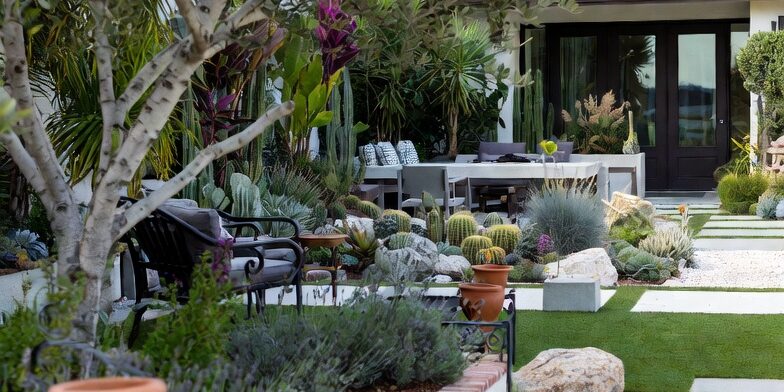
Welcome to the sunny, laid-back world of Westside Costa Mesa, where suburban charm meets coastal vibes. If you’re a homeowner in this vibrant Orange County neighborhood, you know the appeal of outdoor living—balmy evenings, ocean breezes, and yards that beg to be transformed into personal oases. But designing a garden here isn’t just about aesthetics; it’s about creating spaces that thrive in the local environment while embracing sustainability. In this in-depth guide, we’ll explore everything you need to know to craft a stunning, functional yard. From climate considerations to plant picks and design tips, let’s dig in and turn your Westside Costa Mesa yard into a masterpiece.
The Unique Appeal of Westside Costa Mesa Yards
Westside Costa Mesa, nestled between Newport Beach and Santa Ana, boasts a mix of mid-century homes, modern builds, and compact lots that reflect its working-class roots evolving into a trendy hotspot. Yards here are often modest in size—think narrow side yards, cozy back patios, and front entries that double as curb appeal boosters. The area’s proximity to the coast (just a few miles from the Pacific) influences everything from soil salinity to wind patterns, making garden design both exciting and challenging.
What sets Westside apart? Its community spirit shines through in shared green spaces and neighborhood gardens, but individual yards offer endless potential for personalization. Whether you’re aiming for a low-maintenance retreat or a pollinator paradise, the key is harmonizing with the region’s Mediterranean-like conditions. Expect mild winters with occasional frost, warm summers, and rainfall mostly confined to winter months—averaging about 13 inches annually. This setup favors drought-tolerant designs that save water and reduce upkeep, aligning perfectly with California’s push for eco-friendly landscaping.
Understanding the Climate and Soil: Foundations of Success
Before planting a single shrub, grasp the environmental basics. Costa Mesa falls into USDA Hardiness Zone 10b, where average winter lows hover between 30°F and 35°F. This means frost is rare but possible, so tender tropicals might need protection. Summers are warm but tempered by coastal fog—hello, “May Gray” and “June Gloom”—which delays soil warming and can foster fungal issues like powdery mildew in humid spots.
Soil in Westside Costa Mesa is typically sandy loam with good drainage, thanks to the area’s alluvial history from nearby rivers and the ocean’s influence. However, urban development can compact it, leading to poor water infiltration. Test your soil pH (aim for 6.0-7.5) and amend with organic matter like compost to boost fertility. Coastal proximity adds a twist: salt spray from winds can accumulate, favoring salt-tolerant plants over delicate ones.
For gardening success, plant in fall or early spring when cooler temps and natural rain help roots establish. Avoid summer starts, as heat stress combined with dry spells can doom new additions. Mulching with bark or gravel retains moisture and suppresses weeds, crucial in this semi-arid zone where summer droughts are the norm.
Popular Garden Styles for Coastal SoCal Vibes
Southern California’s coastal areas inspire a range of styles that blend functionality with flair. In Westside Costa Mesa, where space is premium, opt for designs that maximize usability while nodding to the beachy locale.
Mediterranean Style: This is a natural fit, echoing the region’s climate. Think olive trees, lavender borders, and terracotta pots framing gravel paths. Incorporate stucco walls or wrought-iron accents for that European coastal feel. It’s low-water and high-impact, with plants like rosemary and sage providing fragrance and culinary perks.
Coastal Modern: For a contemporary twist, go for clean lines with succulents, grasses, and minimalist hardscapes. Use decomposed granite for pathways, add boulders for texture, and layer in blues and silvers to mimic ocean waves. This style suits Westside’s urban edge, creating serene escapes in small yards.
Xeriscaping or Dry Garden: Water-wise and wallet-friendly, this focuses on succulents, cacti, and natives. Replace lawns with gravel gardens or artificial turf, adding fire pits or benches for gathering spots. It’s ideal for Westside’s dry summers and aligns with Orange County’s rebates for turf removal.
Native Habitat Garden: Celebrate California’s biodiversity with plants adapted to local conditions. This style attracts wildlife—think butterflies on milkweed or birds in toyon bushes—while requiring minimal input once established.
Tropical Coastal: If your yard gets some shelter from winds, infuse paradise with palms, hibiscus, and bold foliage. Balance with drought-tolerant elements to keep it sustainable.
Mix and match for a custom look—perhaps a Mediterranean base with coastal modern accents.
Plant Selection: Natives, Drought-Tolerants, and Stars of the Show
Choosing plants is where the magic happens. Prioritize natives for resilience and ecosystem support. Top picks for Costa Mesa include:
- California Poppy: Bright orange blooms in spring, self-seeding for easy color.
- White Sage: Aromatic leaves, pollinator magnet, thrives in full sun.
- Purple Sage: Silver foliage contrasts beautifully with purple spikes.
- Golden Currant: Edible berries, attracts birds, drought-tolerant once established.
- Valley Oak: For larger yards, provides shade and habitat.
Complement with drought-tolerants like lavender, agave, and yarrow for texture. Avoid invasives; stick to locals from reputable nurseries.
Group by water needs—hydrozoning—to optimize irrigation. For shade, try ferns or heuchera; for sun, succulents rule. Edibles fit too: citrus trees (Meyer lemon) and herbs like oregano add utility.
Design Elements: Hardscape, Features, and Layouts
Maximize small yards with smart elements. Pathways of flagstone or decomposed granite guide flow, while patios of pavers create seating areas. Add vertical interest with trellises for vines or walls for espaliered fruit trees.
Water features like fountains provide soothing sounds without high usage—recirculating models are eco-friendly. Lighting extends usability: LED paths and uplights highlight plants.
For side yards, common in Westside, use slim planters, mirrors for illusion of space, and climbers like bougainvillea. Backyards shine with zoned areas: dining patios, veggie beds, and play spaces.
Embracing Sustainability: Eco-Friendly Practices
Orange County’s water restrictions make sustainability non-negotiable. Install drip irrigation or smart controllers to cut usage significantly. Mulch heavily—3 inches deep—to retain soil moisture.
Harvest rainwater with barrels or swales. Use permeable surfaces like gravel to reduce runoff. Native plants minimize pesticides, fostering biodiversity.
Local programs offer rebates for sustainable swaps, like turf-to-native conversions. Many landscape professionals in the area specialize in green designs.
Maintenance Tips: Keeping Your Garden Thriving
Low-maintenance doesn’t mean no-maintenance. Prune in winter, fertilize sparingly with organics. Monitor for pests like aphids—neem oil works wonders.
Weed regularly, especially post-rain. In coastal fog, ensure airflow to prevent mildew. Annual soil tests guide amendments.
Real-Life Inspirations: Case Studies from Costa Mesa
Nearby public and demonstration gardens showcase succulents, natives, and thoughtful layouts that inspire compact designs.
Many local residents have transformed their yards with poppies and sages, creating butterfly havens—proof that small changes yield big results.
Showrooms and designers in the area blend modern and coastal styles, offering ideas that feel fresh yet timeless.
Conclusion: Your Westside Oasis Awaits
Designing a garden in Westside Costa Mesa is about blending beauty, sustainability, and lifestyle. With the right style, plants, and practices, your yard can become a resilient retreat that enhances your home and the community. Start small—perhaps with a native border—or go bold with a full redesign. Either way, embrace the coastal spirit, and watch your space flourish.