

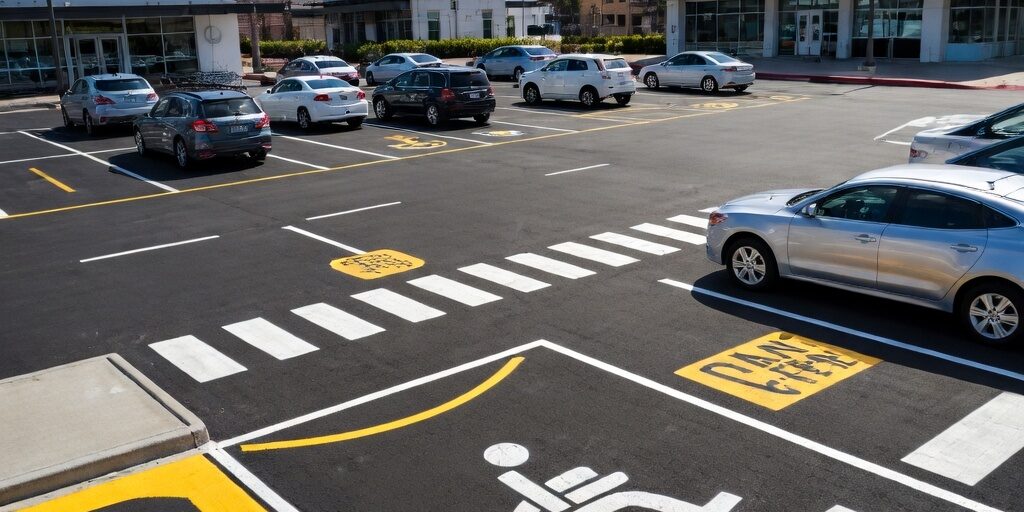
Strip malls remain a cornerstone of commercial activity in Santa Ana, Orange County, offering convenient shopping, dining, and services along major corridors like Harbor Boulevard, Bristol Street, and Edinger Avenue. These properties draw a diverse clientele, including families, seniors, and individuals with disabilities. Ensuring full accessibility is more than a legal requirement—it’s essential for fostering an inclusive community, avoiding expensive litigation, and maximizing business potential.
In California, particularly in high-litigation areas like Orange County, accessibility compliance falls under the Americans with Disabilities Act (ADA) and stricter state standards in the California Building Code (CBC). Advanced property maintenance involves proactive, systematic approaches rather than reactive repairs. This includes regular inspections, preventive upkeep, technology integration, and collaboration with experts like Certified Access Specialists (CASp). Non-compliance can result in fines up to $75,000 for initial violations (and higher for repeats), plus statutory damages under California’s Unruh Civil Rights Act.
This comprehensive guide explores current regulations (as of 2026, incorporating the 2025 CBC updates effective January 1, 2026), prevalent issues in Santa Ana strip malls, advanced maintenance strategies, the value of CASp involvement, real-world examples, and the broader advantages of prioritizing accessibility. Property owners, managers, and tenants can use this as a roadmap to achieve sustainable compliance.
The Current Regulatory Framework
Federal ADA standards, primarily from the 2010 ADA Standards for Accessible Design, set baseline requirements for public accommodations like strip malls. Title III mandates barrier removal where “readily achievable” and full compliance in new construction or alterations.
California goes further with the California Building Code (CBC), Title 24, Part 2, Chapter 11B. The 2025 CBC (effective January 1, 2026) includes updated accessibility provisions, such as refined scoping for parking, paths of travel, and facilities. Key updates emphasize precise measurements, materials durability, and integration with modern features like EV charging in accessible spots.
In Santa Ana, the city’s Building Safety Division enforces these through plan checks, permits, and inspections. Orange County properties must align with both state and local rules. For strip malls—often multi-tenant with shared common areas—responsibility typically falls on property owners for exterior elements (parking, paths, entrances) and tenants for interiors, though lease agreements can allocate duties.
Parking requirements remain stringent: California often requires more accessible spaces than federal ADA—one per 25 total spaces, with at least one van-accessible. Spaces must be 96 inches wide (minimum) with a 60-inch access aisle, slopes no more than 2% in any direction, and proper signage/striping. Van-accessible spots need an 8-foot aisle or wider configurations.
Paths of travel demand continuous, slip-resistant surfaces with ramps at 1:12 maximum slope (1:20 preferred for walks), handrails where needed, and detectable warnings at curbs. Entrances require at least one accessible door (32-inch clear width, 5-pound max operating force), and automatic operators are often recommended. Restrooms, counters, and signage follow detailed CBC specs.
Recent valuation thresholds for alterations trigger full path-of-travel upgrades when project costs exceed roughly $209,000 (2026 figure based on ENR index adjustments).
Prevalent Accessibility Challenges in Santa Ana Strip Malls
Many Santa Ana strip malls date to the 1970s–1990s, featuring aging infrastructure vulnerable to wear from weather, traffic, and deferred maintenance. Common violations include:
- Parking deficiencies: Insufficient accessible spaces, faded or missing striping/signage, blocked access aisles, excessive slopes, or no van-accessible options. Faded markings from sun exposure and traffic are frequent in Orange County’s climate.
- Paths of travel issues: Cracked sidewalks, uneven surfaces, missing curb ramps, improper ramp slopes/handrails, or drainage problems causing pooling water and slip hazards.
- Entrance barriers: High thresholds (>1/2 inch), narrow doors, excessive door pressure, lack of lever hardware, or no alternate accessible entry.
- Other elements: Inaccessible restrooms (high sinks, missing grab bars), protruding objects along routes, inadequate signage, or counters too high for wheelchair users.
These issues often trigger “drive-by” lawsuits, common in California retail settings. Strip malls face scrutiny because shared parking and paths make violations visible and impactful. Property managers report frequent claims over parking and entrance barriers, leading to settlements involving retrofits.
Advanced Maintenance Strategies
Proactive maintenance prevents violations and reduces long-term costs. Key practices include:
- Scheduled inspections and monitoring: Conduct quarterly visual checks of parking lots, paths, and entrances. Use digital tools like laser levels for slope verification and apps for documenting conditions.
- Preventive parking maintenance: Restripe lots every 1–2 years with durable, UV-resistant materials. Ensure signage (International Symbol of Accessibility) is mounted at a minimum of 60 inches and illuminated. Install bollards or curbs to protect access aisles from encroachment. Monitor slopes seasonally, as settling can alter them.
- Surface and path upkeep: Sealcoat asphalt biennially for slip resistance. Repair cracks promptly with flexible fillers. Install or replace tactile paving at transitions. Use infrared scanning to detect hidden issues before visible damage.
- Entrance and door enhancements: Install automatic door openers with sensors for low-effort access. Regularly test operating force and adjust closers. Maintain thresholds below 1/2 inch or add bevels.
- Technology integration: Deploy IoT sensors for real-time monitoring of accessible space occupancy or blockages. Use drone surveys for overhead assessments of large lots. Digital maintenance logs track compliance history for defense in claims.
- Staff and tenant training: Educate property teams and tenants on reporting issues. Develop a shared maintenance protocol, budgeting for accessibility (e.g., 20% of alteration costs per CBC).
Local Santa Ana providers offer specialized services, including turnkey remediation for ramps, parking, and restrooms.
Leveraging CASp Inspections
Hiring a Certified Access Specialist (CASp) provides a professional evaluation and significant legal benefits. A CASp inspection yields a detailed report with prioritized fixes and, if no barriers are found or a plan is in place, a CASp certificate. This grants “qualified defendant” status in lawsuits, capping damages and providing a 60–120 day cure period.
In Orange County and Santa Ana, CASp experts focus on retail properties, covering parking, paths, entrances, and common areas. Annual or biennial inspections suit high-traffic strip malls. Post-inspection, implement fixes systematically, documenting with photos and records.
Insights from Local Cases
Santa Ana strip malls have seen settlements over parking striping, ramp slopes, and path barriers. Proactive owners who obtained CASp reports and remediated issues often avoided prolonged litigation. In broader Orange County, retail centers upgraded parking and entrances after audits, improving tenant retention and customer access.
These examples show prevention saves money—retrofits post-lawsuit cost far more than planned maintenance.
Advantages of Prioritizing Compliance
Robust accessibility expands the customer base, as individuals with disabilities (and companions) represent a substantial market. Compliant properties enjoy higher foot traffic, better reviews, and stronger community ties in diverse Santa Ana.
Financial perks include federal tax credits/deductions for barrier removal (up to certain limits) and reduced insurance risks. Long-term, durable upgrades lower repair frequency.
Final Thoughts
Advanced maintenance for accessibility in Santa Ana strip malls requires ongoing commitment to regulations, expert guidance, and preventive action. With evolving CBC standards and active enforcement, staying ahead protects against risks while creating truly inclusive spaces.
Property owners should consult Santa Ana’s Building Safety Division, engage a local CASp, and implement a tailored maintenance plan. Accessibility isn’t optional—it’s smart business and good citizenship.






