

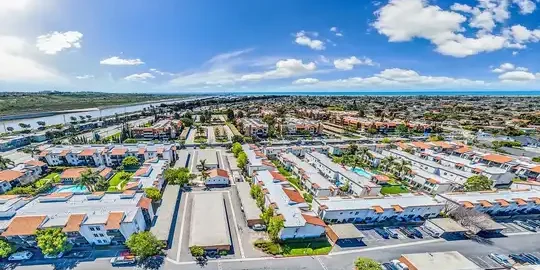
Costa Mesa, California, has long been a desirable coastal city in Orange County, known for its proximity to beaches, vibrant shopping districts like South Coast Plaza, and easy access to major freeways such as the 405 and 55. Within this appealing market, the Westside neighborhood stands out as an increasingly attractive area for apartment investments. Often more affordable than the pricier Eastside or neighboring Newport Beach, the Westside offers a mix of established multifamily properties, ongoing redevelopment, and strong rental demand driven by its central location and evolving community character.
As of early 2026, the Westside Costa Mesa housing market remains competitive, with median home prices around $1.3 million to $1.6 million and steady year-over-year growth. While single-family homes dominate headlines, apartments and multifamily buildings—ranging from small triplexes and duplexes to larger complexes—present compelling opportunities for investors seeking cash flow, appreciation, and value-add potential. This blog post explores why Westside Costa Mesa apartments make sense as an investment today, covering market dynamics, rental trends, key advantages, risks, and strategic considerations to help potential buyers evaluate this coastal gem.
Understanding the Westside Neighborhood
Westside Costa Mesa refers to the western portion of the city, roughly bounded by areas near 19th Street, the 405 freeway, and extending toward Fairview Park and Canyon Park. Historically, it featured more modest housing stock built in the mid-20th century, including post-war tract homes and older multifamily units. Over the past decade-plus, the area has undergone significant gentrification and revitalization, spurred by the city’s Westside Implementation Plan (adopted around 2005 and evolving since).
This plan has encouraged mixed-use development, higher density in select zones, and the integration of commercial, light industrial, and residential elements. The result is a neighborhood transitioning from “affordable” to more upscale, with trendy restaurants, art studios, small businesses, and improved walkability. Proximity to beaches (just a short drive or bike ride away), parks, and employment hubs in Irvine, Newport Beach, and the John Wayne Airport area adds to its appeal.
Unlike some parts of Orange County with heavy HOA restrictions, Westside offers flexibility for owners, including opportunities to add accessory dwelling units (ADUs) or pursue renovations without excessive oversight in many cases. This evolution has drawn a diverse demographic: young professionals, families, remote workers, and investors looking for long-term holds.
Current Market Trends in 2026
The broader Costa Mesa real estate market shows resilience, with modest but consistent growth. In Westside specifically, multifamily properties remain in demand due to limited new supply and persistent housing shortages in coastal Southern California.
Recent data indicates:
- Median sale prices for homes in Westside hover around $1.3 million, with per-square-foot values climbing (often $800+).
- Multifamily assets, such as triplexes, 6-unit buildings, and small apartment complexes, trade in the $2 million to $4 million+ range depending on unit count, condition, and location.
- Examples include well-maintained triplexes near the beach or renovated 6-unit properties in desirable pockets like Mesa Del Mar, often listed with low vacancy histories and rent upside.
- Larger-scale opportunities exist, such as potential conversions of office space into apartments (e.g., projects near the 405 promising hundreds of units) and affordable senior housing developments partnering with nonprofits.
Rental demand remains robust, fueled by high barriers to homeownership and the area’s lifestyle advantages. Average rents in Costa Mesa exceed national figures significantly, with 1- and 2-bedroom apartments in Westside often ranging from $2,500 to $3,500+ monthly, depending on size, amenities, and updates. Occupancy rates frequently sit at 95% or higher in well-managed properties, reflecting strong tenant interest from local workers, students near nearby colleges, and families seeking proximity to Newport-Mesa Unified School District options.
Why Invest in Westside Costa Mesa Apartments?
Several factors position Westside apartments as a solid investment choice in 2026:
- Rental Yields and Cash Flow Potential Stabilized multifamily properties in the area can deliver cap rates in the 4.8-6.2% range, with value-add plays (renovations, ADU additions) pushing net yields toward 6-7%. For example, a $3 million 6-unit building generating $15,000–$20,000 monthly gross rent could provide positive cash flow after expenses, especially with owner-management or efficient operations. Gross rental yields often start around 4-5% for entry-level assets, improving with upgrades.
- Appreciation Upside Westside has seen strong historical appreciation, driven by coastal proximity, limited land supply, and redevelopment momentum. Annual appreciation of 2-4% is realistic, with some segments experiencing higher spikes during hot periods. Total returns (income + appreciation) can exceed 8-12% for well-positioned properties. Compared to pricier Eastside areas (median prices closer to $1.9 million+), Westside offers better relative value and entry points for investors.
- Value-Add Opportunities Many Westside multifamily buildings date from the 1960s-1990s, presenting classic value-add scenarios: cosmetic updates, modern kitchens/bathrooms, energy-efficient features, or adding ADUs. These improvements boost rents significantly while increasing property value. Redevelopment zones allow for density bonuses in certain areas, potentially turning smaller assets into higher-unit complexes.
- Location Advantages Close to the beach, Fairview Park trails, the OC Fairgrounds, and major employers. Walkability to amenities, bike paths to the coast, and freeway access make it tenant-friendly. The area’s gentrification attracts higher-income renters willing to pay premiums for updated units.
- Financing Flexibility Smaller multifamily (2-4 units) qualifies for residential loans, including FHA options with low down payments for owner-occupants. Larger buildings access commercial financing, and some investors use strategies like house hacking or 1031 exchanges to scale.
Potential Risks and Considerations
No investment is without challenges. In Westside Costa Mesa:
- Rent Control — California’s AB 1482 caps annual increases (typically CPI + 5%, max around 8%), limiting aggressive rent hikes but providing predictability.
- High Entry Costs — Prices remain elevated compared to inland markets, requiring substantial capital or leverage.
- Competition — Strong demand means properties move quickly, and bidding wars can compress yields.
- Economic Sensitivity — Coastal Orange County ties to tech, tourism, and aerospace; downturns could impact rents or occupancy.
- Regulatory Changes — Ongoing city plans for density and affordable housing (e.g., senior projects) could affect zoning or competition.
Mitigate these by focusing on well-located, structurally sound buildings, conducting thorough due diligence (including environmental and seismic reports), and partnering with experienced local property managers.
Investment Strategies for Success
- Small Multifamily Starter — Target duplexes or triplexes ($2-3 million range) for easier entry, potential owner-occupancy, and ADU additions.
- Value-Add Plays — Acquire older complexes, renovate units, and reposition for higher rents.
- Long-Term Hold — Prioritize cash-flow-positive assets in high-demand pockets for steady income and equity build-up.
- Scale with 1031 Exchanges — Defer taxes by rolling proceeds into larger multifamily holdings.
Work with local experts familiar with Westside nuances, including zoning under the Westside Implementation Plan.
Final Thoughts
Westside Costa Mesa apartments represent one of Orange County’s more balanced investment opportunities in 2026: coastal lifestyle appeal without Newport Beach premiums, strong rental fundamentals amid housing shortages, and tangible upside from gentrification and redevelopment. While not a “get-rich-quick” market, patient investors can achieve attractive total returns through a combination of reliable income, moderate appreciation, and strategic enhancements.
Whether you’re a first-time multifamily buyer, a portfolio builder, or seeking diversification in Southern California real estate, Westside deserves serious consideration. With demand outpacing supply and the neighborhood’s trajectory pointing upward, now is a strategic time to explore opportunities in this dynamic pocket of Costa Mesa.