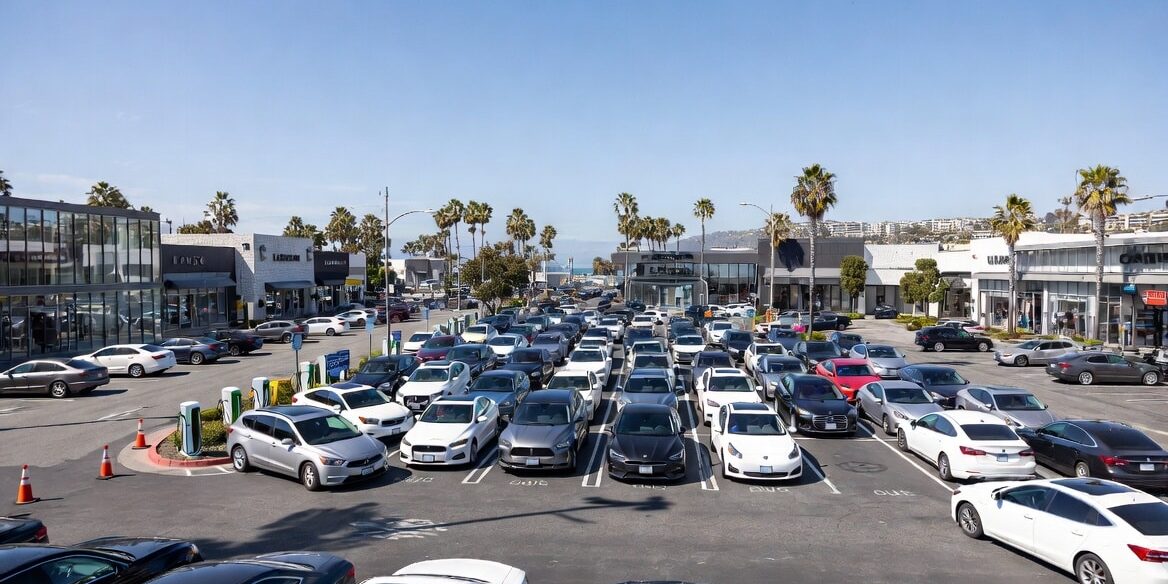
Parking management in retail spaces is a critical yet often overlooked aspect of urban planning and commercial operations. In Newport Beach, Orange County, California, where upscale shopping districts, waterfront promenades, and bustling retail centers define the local economy, effective parking strategies can make or break the customer experience. With its affluent population, tourist influx, and vibrant commercial scene, Newport Beach faces unique parking challenges that require innovative solutions, careful planning, and ongoing adaptation. This comprehensive guide explores the multifaceted issues surrounding parking in Newport Beach’s retail environments and offers practical insights for property managers, city planners, retailers, and stakeholders.
The Retail Landscape of Newport Beach
Newport Beach is renowned for its picturesque harbors, luxury boutiques, and high-end retail destinations. Areas like Fashion Island, the Newport Beach Pier, Balboa Peninsula, and emerging mixed-use developments along Jamboree Road and MacArthur Boulevard host a mix of national chains, independent shops, restaurants, and entertainment venues. These retail spaces attract not only local residents from Orange County but also visitors from Los Angeles, San Diego, and beyond.
Retail activity peaks during weekends, holidays, and summer months when tourism surges. According to local economic reports, retail sales in Newport Beach consistently rank among the highest in Orange County, driven by discretionary spending in fashion, dining, and leisure. However, this popularity creates intense pressure on parking infrastructure. Many retail centers were designed decades ago when car dependency was even higher and population densities lower, leading to a mismatch between current demand and available supply.
Key retail hubs such as Fashion Island boast over 1 million square feet of leasable space and draw crowds that can exceed capacity during peak hours. Smaller strip malls and neighborhood shopping centers along Pacific Coast Highway and 17th Street also experience spillover effects, where customers circle blocks searching for spots, frustrating drivers and reducing dwell time in stores.
Core Challenges in Parking Management
1. Insufficient Parking Supply During Peak Periods
One of the most persistent issues in Newport Beach retail parking is the gap between supply and demand. Many older retail developments were built with parking ratios of 4 to 5 spaces per 1,000 square feet of retail space—a standard that often proves inadequate today. Factors contributing to this shortfall include:
- Population Growth and Demographic Shifts: Orange County’s population has grown steadily, with Newport Beach maintaining a high median household income (well above $100,000). More vehicles per household and frequent shopping trips amplify demand.
- Tourism and Seasonal Spikes: As a coastal destination, Newport Beach sees significant visitor traffic. Events like the Newport Beach Film Festival, boat shows, and holiday parades exacerbate parking shortages.
- Mixed-Use Development Pressures: New projects combining retail, office, and residential uses compete for the same parking resources, especially during overlapping peak hours (evenings and weekends).
Property managers report that during busy Saturday afternoons, occupancy rates in surface lots and structures frequently hit 95-100%, forcing drivers to park farther away or abandon trips altogether.
2. Traffic Congestion and Circulation Issues
Poor parking layout and signage contribute to internal traffic congestion within retail centers. Narrow aisles, confusing one-way systems, and inadequate turning radii lead to bottlenecks. In Newport Beach, where many lots are adjacent to busy arterials like Jamboree Road, East Coast Highway, and Superior Avenue, exiting onto main roads during peak times can take 10-15 minutes or more.
Pedestrian safety is another concern. Shoppers walking across busy parking areas, distracted by phones or carrying purchases, increase accident risks. Delivery trucks and rideshare vehicles further complicate circulation, especially near restaurants and grocery anchors.
3. Pricing and Revenue Management
Traditional free parking models in many Newport Beach retail spaces are becoming unsustainable. While customers expect convenient, complimentary parking, operators face rising maintenance costs, land scarcity, and the need to fund improvements. Implementing paid parking or dynamic pricing remains controversial in a market that prides itself on customer service.
Some centers have experimented with validation programs, where purchases offset parking fees, but enforcement and technology integration pose challenges. Revenue from parking can offset operational expenses, yet poorly communicated policies risk alienating loyal shoppers.
4. Technological Integration and Smart Parking Solutions
Many Newport Beach retail parking facilities still rely on manual counting or outdated systems. Challenges include:
- Real-Time Availability Tracking: Lack of sensors, cameras, or mobile apps means drivers waste time and fuel searching for spots.
- Payment Systems: Fragmented apps and machines that accept only certain payment methods frustrate users.
- Data Analytics: Without robust data on occupancy patterns, managers struggle to optimize staffing, maintenance, or pricing strategies.
Adopting Internet of Things (IoT) sensors, license plate recognition, and AI-driven predictive analytics could transform operations, but initial costs and integration with legacy systems deter many smaller retailers.
5. Regulatory and Environmental Compliance
Newport Beach operates under strict local ordinances and California state regulations. The California Environmental Quality Act (CEQA) and local parking requirements influence new developments and retrofits. Sustainability goals—such as reducing greenhouse gas emissions from idling vehicles—push for electric vehicle (EV) charging stations, bike parking, and transit-oriented designs.
However, installing EV chargers requires significant electrical upgrades, and balancing parking for cars with alternative transportation modes is complex in car-centric Southern California. Additionally, accessibility standards under the Americans with Disabilities Act (ADA) mandate a certain percentage of accessible spaces, which must be properly maintained and enforced.
6. Customer Experience and Behavioral Factors
Shoppers in Newport Beach expect a premium experience. Long search times, parking tickets, or distant spots diminish satisfaction and can drive customers to competitors or online shopping. Surveys often cite parking as a top deterrent to visiting certain retail areas.
Behavioral challenges include “parking rage,” double-parking, and misuse of handicapped spaces. During holiday seasons, temporary pop-up events or construction can further disrupt normal patterns, requiring agile management responses.
Case Studies from Newport Beach Retail Spaces
Fashion Island: As one of Orange County’s premier open-air malls, Fashion Island has invested in multi-level parking structures and valet services. Yet even here, peak weekend occupancy strains resources. Management has introduced mobile apps for locating spaces and real-time updates, but feedback indicates room for improvement in wayfinding.
Balboa Village and Peninsula Retail Areas: These charming, pedestrian-friendly zones suffer from on-street parking limitations and competition from residential users. Retailers report lost sales due to customers unwilling to navigate crowded lots or pay for nearby private parking.
Neighborhood Centers along 17th Street and Irvine Avenue: Smaller properties face unique issues with spillover into surrounding streets, leading to resident complaints and increased enforcement by the Newport Beach Police Department.
Strategies for Overcoming Parking Challenges
Effective parking management requires a multi-pronged approach tailored to Newport Beach’s context.
1. Data-Driven Planning and Demand Management
- Conduct regular parking utilization studies using manual counts, sensors, or drone surveys to understand true demand patterns.
- Implement dynamic pricing: Higher rates during peak hours to encourage off-peak visits or alternative transportation.
- Develop shared parking agreements between adjacent properties (retail, office, residential) to maximize utilization across different time-of-day needs.
2. Technological Upgrades
- Deploy smart parking systems with IoT sensors that feed data to mobile apps and digital signage showing available spots in real time.
- Integrate license plate recognition for seamless entry/exit and payment.
- Use predictive analytics to forecast demand based on weather, events, and historical data.
3. Infrastructure Improvements
- Redesign lots for better flow: Wider aisles, clearer signage, dedicated delivery zones, and improved lighting for safety.
- Add EV charging stations strategically, potentially funded through grants or partnerships with utilities like Southern California Edison.
- Incorporate green infrastructure such as permeable paving and shade trees to address environmental concerns while enhancing aesthetics.
4. Policy and Partnership Approaches
- Collaborate with the City of Newport Beach on updated parking ordinances that reflect current realities rather than outdated minimum requirements.
- Promote alternative mobility: Shuttle services from remote lots during peak events, partnerships with ride-sharing companies (Uber/Lyft), and improved bike/pedestrian infrastructure.
- Launch customer education campaigns via social media and in-app notifications about parking options, validation programs, and tips for smoother visits.
5. Sustainable and Equitable Solutions
- Prioritize ADA compliance and universal design principles.
- Explore valet parking or concierge services for high-end retailers to elevate the customer experience.
- Monitor equity impacts—ensure solutions do not disproportionately burden lower-income visitors or essential workers.
The Role of City Government and Community Involvement
The City of Newport Beach plays a pivotal role through its Planning Department and Public Works. Updates to the General Plan and specific parking management plans can guide long-term strategies. Public-private partnerships have proven successful in other Orange County cities and could be expanded here.
Community input via town halls or surveys helps balance retail needs with residential quality of life, particularly regarding spillover parking in neighborhoods adjacent to commercial zones.
Future Outlook for Parking in Newport Beach Retail
As Newport Beach continues to evolve—with potential new developments, evolving consumer habits post-pandemic, and advancing autonomous vehicle technology—the parking landscape will transform. Trends like reduced car ownership among younger generations, growth in e-commerce, and climate resilience initiatives will influence demand.
Property managers who proactively adopt smart technologies, flexible pricing, and collaborative models will thrive. Retailers that view parking not as a cost center but as a customer service opportunity can gain competitive advantages.
Conclusion
Navigating parking management challenges in Newport Beach’s retail spaces demands creativity, investment, and collaboration among retailers, property owners, city officials, and technology providers. While the issues—supply shortages, congestion, pricing dilemmas, and regulatory hurdles—are significant, they are not insurmountable. By embracing data-driven strategies, modern technology, and customer-centric approaches, stakeholders can enhance the shopping experience, boost economic vitality, and maintain Newport Beach’s reputation as a premier destination in Orange County.
Effective parking management ultimately supports the broader goal of creating vibrant, accessible, and sustainable retail environments. For those involved in Newport Beach commerce, addressing these challenges head-on is essential for long-term success in an increasingly competitive and convenience-driven marketplace.