

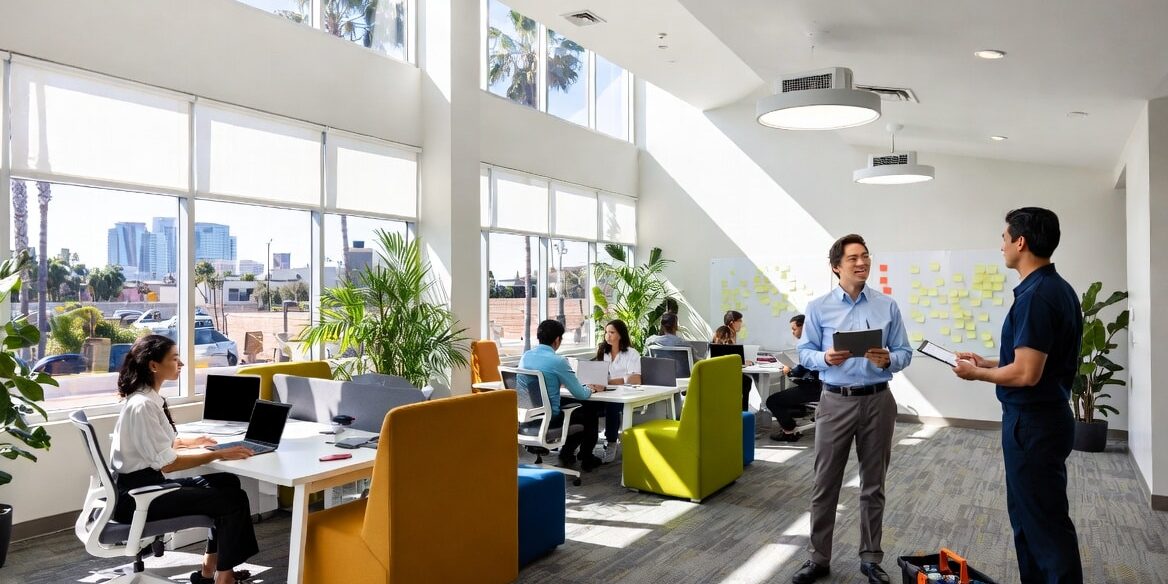
In the heart of Orange County, California, Santa Ana has emerged as a vibrant hub for entrepreneurs, freelancers, and innovative startups. With its rich cultural diversity, strategic location near major transportation corridors, and a thriving creative scene, the city has become a magnet for co-working spaces. These flexible work environments offer affordable office solutions, networking opportunities, and a sense of community that traditional offices often lack. However, as the demand for co-working grows, so do the complexities of managing and maintaining these properties. Property maintenance in co-working spaces presents unique challenges that operators, landlords, and facility managers must navigate carefully to ensure tenant satisfaction, operational efficiency, and long-term profitability.
This comprehensive guide explores the multifaceted issues surrounding property maintenance in Santa Ana’s co-working ecosystem. From structural wear and tear to high-traffic common areas, climate-specific concerns, regulatory compliance, and the integration of modern technology, we’ll dive deep into the realities of keeping these dynamic spaces functional and appealing. Whether you’re a co-working space operator in the bustling downtown area, a property investor eyeing opportunities in the South Main Street corridor, or a facilities manager dealing with daily upkeep, understanding these challenges is essential for success in one of Orange County’s most promising real estate segments.
The Rise of Co-Working Spaces in Santa Ana
Santa Ana’s transformation into a co-working hotspot didn’t happen overnight. The city, once known primarily for its industrial roots and government services, has undergone significant revitalization over the past decade. Initiatives like the Artists Village, the Santa Ana Arts District, and proximity to John Wayne Airport and major freeways (I-5, I-405, and SR-55) have attracted a diverse workforce. According to local economic development reports, the number of co-working and flexible office spaces in Orange County has grown substantially, with Santa Ana capturing a notable share due to lower rental rates compared to neighboring Irvine or Newport Beach.
Co-working spaces in Santa Ana range from boutique operations in historic buildings along Fourth Street to larger, modern facilities in the Civic Center area and emerging tech corridors. These spaces cater to a mix of tech startups, creative professionals, legal services, and remote workers from surrounding communities like Costa Mesa, Tustin, and Garden Grove. The average occupancy in well-managed co-working venues often exceeds 70-80%, driven by the post-pandemic shift toward hybrid work models.
Yet, this rapid growth brings heightened pressure on property infrastructure. Unlike traditional single-tenant offices, co-working spaces experience variable occupancy patterns, intense daily foot traffic, and frequent reconfiguration of layouts to accommodate new members. These factors accelerate wear on building systems, making proactive maintenance not just beneficial but critical for avoiding costly disruptions.
Unique Characteristics of Co-Working Property Maintenance
Maintaining a co-working space differs significantly from managing conventional commercial properties. In Santa Ana, where many buildings are older structures repurposed for modern use, operators face amplified challenges:
- High Variability in Usage: Members come and go at all hours, with peak times during mornings, lunch breaks, and evenings for events. This irregular pattern leads to uneven wear on HVAC systems, elevators, restrooms, and flooring.
- Shared Common Areas: Kitchens, lounges, conference rooms, and phone booths are heavily utilized by multiple unrelated parties. Spills, food waste, and general clutter become daily occurrences, requiring more frequent cleaning and sanitation protocols.
- Customization Demands: Tenants often request modifications for branding, ergonomic setups, or specialized equipment. While these changes enhance appeal, they can strain electrical systems, walls, and structural elements if not properly managed.
- Diverse Tenant Base: Santa Ana’s co-working community includes international professionals, artists, and small business owners with varying expectations around cleanliness, noise levels, and amenities. Cultural differences can sometimes lead to misunderstandings about shared space etiquette.
These dynamics create a maintenance environment that demands agility, foresight, and robust systems—qualities that many new operators underestimate when entering the market.
Major Maintenance Challenges in Santa Ana Co-Working Spaces
1. HVAC and Climate Control Systems
Orange County’s Mediterranean climate brings mild winters but hot, dry summers and occasional Santa Ana winds that carry dust and debris. In co-working spaces, where dozens of people occupy the same area for extended periods, HVAC systems work overtime. Poor air quality or inconsistent temperatures can quickly drive away members who expect a comfortable, professional environment.
Common issues include:
- Clogged filters from high occupancy and urban dust.
- Uneven cooling/heating in open-plan layouts versus private offices.
- Energy inefficiency leading to skyrocketing utility bills, especially in older buildings without smart thermostats.
In Santa Ana, where energy costs are influenced by California’s strict regulations and fluctuating rates, inefficient HVAC can erode profit margins. Regular professional inspections, seasonal tune-ups, and the installation of zoned climate control systems are essential. Operators who invest in IoT-enabled monitoring can detect issues early, preventing breakdowns during peak summer heat when outdoor temperatures regularly climb into the 80s and 90s Fahrenheit.
2. Restroom and Plumbing Maintenance
Restrooms in co-working spaces endure far higher usage than in standard offices. With shared facilities serving fluctuating numbers of people, problems like clogged toilets, leaky faucets, and low water pressure become frequent headaches.
Santa Ana’s older building stock exacerbates these issues. Many properties date back to the mid-20th century, featuring outdated plumbing that struggles with modern demands. Hard water common in Southern California contributes to mineral buildup, reducing fixture efficiency and increasing maintenance frequency.
Challenges include:
- Maintaining hygiene standards to prevent the spread of illnesses in a post-pandemic world.
- Addressing gender-neutral or ADA-compliant facilities to meet diverse tenant needs.
- Managing water usage to comply with California’s conservation mandates.
Best practices involve scheduling daily deep cleans, installing touchless fixtures for better sanitation, and partnering with local plumbers familiar with regional water chemistry. Proactive pipe inspections can prevent major leaks that could damage flooring or disrupt operations for days.
3. Flooring, Walls, and Interior Wear and Tear
High foot traffic in co-working spaces accelerates deterioration of carpets, hardwood, tile, and laminate surfaces. In Santa Ana venues located near busy streets like Broadway or MacArthur Boulevard, tracked-in dirt and debris compound the problem. Frequent furniture rearrangement for events or member growth causes scuffs, dents, and tears.
Walls suffer from pin holes, tape residue, and accidental marks from moving equipment. Open collaborative areas see the most abuse, while private pods require careful monitoring to prevent unauthorized modifications.
Solutions include selecting durable, commercial-grade materials during initial build-outs and implementing a rotating maintenance schedule. Regular touch-ups, professional cleaning with eco-friendly products (important for Santa Ana’s environmentally conscious clientele), and protective measures like entrance matting systems can extend the life of interiors significantly.
4. Electrical and Technology Infrastructure
Modern co-working members expect reliable high-speed internet, ample power outlets, and seamless AV equipment in meeting rooms. However, many Santa Ana buildings were not originally designed for today’s digital demands. Overloaded circuits, outdated wiring, and insufficient data infrastructure lead to frequent outages and frustrated users.
Challenges specific to the area:
- Integration of EV charging stations as more members commute via electric vehicles.
- Supporting hybrid meeting setups with robust Wi-Fi that handles multiple video calls simultaneously.
- Compliance with California Title 24 energy efficiency standards for lighting and electrical systems.
Facility managers must conduct regular load testing, upgrade to smart panels where possible, and ensure backup power solutions (like generators or UPS systems) are in place for critical areas. Partnering with local IT providers experienced in commercial spaces helps maintain competitive edge.
5. Pest Control and Sanitation
Urban environments like Santa Ana are prone to common pests—rodents, cockroaches, ants, and occasional bed bugs introduced by transient populations. Shared kitchens and food consumption areas heighten risks, particularly during warmer months when insects thrive.
Effective pest management requires integrated approaches beyond reactive spraying. Sealing entry points, proper waste disposal protocols, and regular inspections by licensed professionals are vital. In co-working settings, educating members on personal responsibility (e.g., not leaving food out) complements professional services.
Post-COVID hygiene expectations have raised the bar for sanitation. Operators now invest in UV air purifiers, frequent surface disinfection, and HEPA filtration to reassure health-conscious professionals.
6. Security and Access Control Systems
With multiple users accessing the space 24/7 in some locations, security is paramount. Key fobs, biometric entry, and surveillance cameras help, but maintenance of these systems is ongoing. Malfunctioning locks or camera failures can compromise safety and lead to liability issues.
Santa Ana’s location near certain higher-crime areas in parts of the city requires vigilant monitoring. Regular software updates, battery replacements for wireless devices, and integration with building management systems reduce vulnerabilities.
7. Exterior and Structural Maintenance
For co-working spaces in converted warehouses or street-level retail buildings, exterior upkeep affects curb appeal and member recruitment. Issues like cracked sidewalks, faded paint, landscaping neglect, and roof leaks during rare Southern California rains can deter potential tenants.
California’s seismic standards add another layer—regular structural assessments ensure compliance with earthquake safety codes. In Santa Ana, where some historic buildings qualify for preservation incentives, balancing aesthetic restoration with functional maintenance is a delicate art.
Regulatory and Compliance Hurdles in Orange County
Navigating maintenance isn’t just about physical upkeep; it involves a complex web of local, state, and federal regulations:
- Building Codes and Permits: Any significant renovation or repair in Santa Ana requires permits from the City’s Building Division. Delays in approvals can stall critical projects.
- ADA Accessibility: Co-working spaces must ensure equitable access, including ramps, wide doorways, and accessible restrooms. Non-compliance risks lawsuits.
- Environmental Regulations: California’s stringent rules on waste disposal, energy use, and hazardous materials (like lead paint in older buildings) demand careful attention.
- Health and Safety: OSHA standards, fire codes, and local health department requirements for food service areas apply strictly.
- Insurance and Liability: Proper maintenance documentation protects against claims from slips, trips, or equipment failures.
Staying ahead means working closely with compliance experts and local authorities. Many successful operators in Santa Ana maintain relationships with city inspectors and attorneys specializing in commercial real estate.
Cost Management and Budgeting for Maintenance
Maintenance expenses in co-working spaces can consume 15-30% of operating budgets if not controlled. In Santa Ana, where property taxes and insurance rates reflect the competitive Orange County market, unexpected repairs can quickly impact cash flow.
Strategies for effective budgeting include:
- Predictive maintenance using data analytics to forecast failures.
- Preventive schedules that prioritize high-impact areas like HVAC and plumbing.
- Vendor negotiations for multi-year contracts with local Santa Ana-based service providers.
- Technology investments that reduce long-term costs, such as automated cleaning robots or energy management software.
Tracking metrics like cost per square foot, downtime incidents, and tenant retention linked to maintenance quality helps operators refine their approach over time.
Innovative Solutions and Best Practices
Forward-thinking co-working operators in Santa Ana are adopting creative strategies to overcome maintenance challenges:
- Smart Building Technology: Sensors for occupancy, air quality, and energy use provide real-time insights, allowing maintenance teams to respond proactively rather than reactively.
- Modular Design Principles: Using flexible, easy-to-replace components in interiors reduces repair times and costs during reconfigurations.
- Sustainability Initiatives: Incorporating green cleaning products, water-saving fixtures, and solar integrations not only lowers expenses but appeals to eco-aware members common in Orange County.
- Community Engagement: Educating tenants through workshops or apps about proper space usage fosters a culture of shared responsibility, reducing abuse of facilities.
- Partnerships with Local Experts: Collaborating with Santa Ana-based contractors, electricians, and cleaning services ensures faster response times and culturally attuned service.
Case studies from successful spaces show that investing 5-10% more upfront in quality materials and systems yields 20-30% savings over five years through reduced emergencies.
The Human Element: Staff and Vendor Management
Behind every well-maintained co-working space is a dedicated team. In Santa Ana, where labor markets are competitive, attracting and retaining skilled maintenance staff or reliable vendors is crucial. Clear communication protocols, training on co-working-specific nuances, and performance incentives help maintain high standards.
Outsourcing certain functions (like specialized HVAC or pest control) to certified professionals allows operators to focus on core business activities like member acquisition and community building.
Future Outlook for Property Maintenance in Santa Ana Co-Working
As Santa Ana continues its evolution—with ongoing downtown redevelopment, potential new transit projects, and sustained interest in flexible workspaces—the maintenance landscape will evolve too. Emerging trends include greater automation, AI-driven predictive analytics, and heightened focus on wellness features like improved air filtration and biophilic design.
Operators who anticipate these shifts and build resilient maintenance frameworks will thrive. Challenges such as rising material costs, labor shortages, and climate impacts (including drought and wildfire smoke seasons) will test adaptability, but they also present opportunities for innovation.
Conclusion: Turning Maintenance Challenges into Competitive Advantages
Property maintenance in co-working spaces in Santa Ana, Orange County, is undoubtedly complex. The combination of high-usage patterns, diverse user needs, aging infrastructure in many buildings, and California’s demanding regulatory environment creates a demanding operational reality. Yet, those who approach maintenance strategically—through prevention, technology, partnerships, and tenant education—can transform potential headaches into strengths that enhance tenant loyalty and differentiate their spaces in a competitive market.
For aspiring or existing co-working operators, the key takeaway is clear: proactive, thoughtful maintenance isn’t an expense; it’s an investment in sustainability, reputation, and profitability. By addressing the specific challenges unique to Santa Ana’s vibrant ecosystem, property managers can create environments where creativity flourishes, businesses grow, and communities connect—all while keeping the physical space in top condition.
If you operate or are considering launching a co-working space in Santa Ana, prioritize building a comprehensive maintenance plan from day one. Engage local experts, leverage technology, and stay attuned to both member feedback and regulatory changes. In doing so, you’ll not only navigate the challenges effectively but position your venture for long-term success in one of Southern California’s most dynamic cities.