

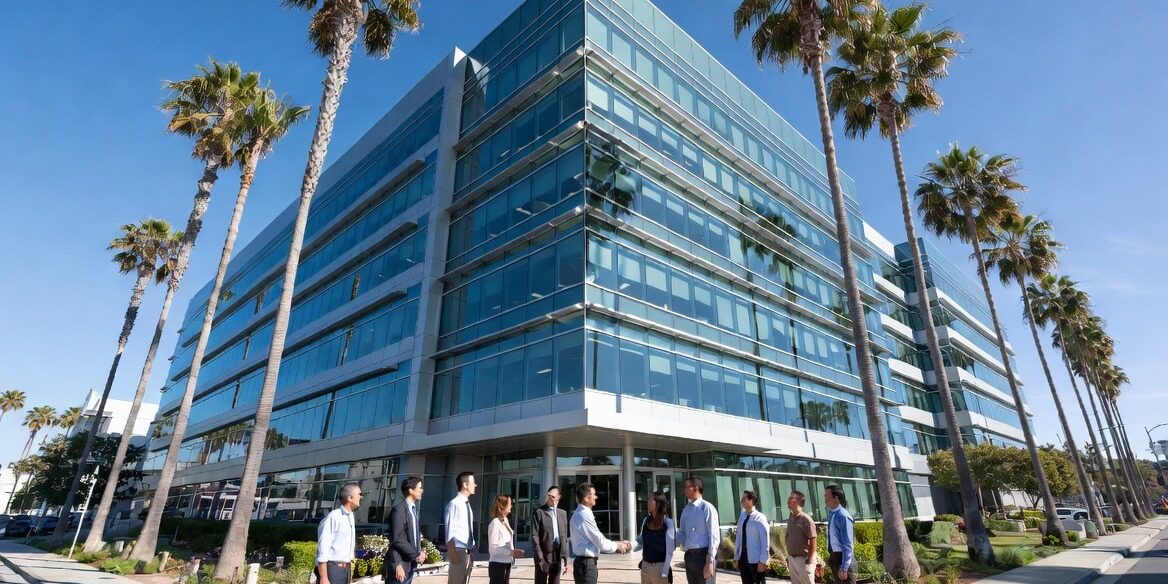
Santa Ana, the vibrant heart of Orange County, California, has emerged as a dynamic hub for businesses seeking affordable office space with easy access to major transportation corridors, including the 5 and 405 freeways. With its mix of historic downtown charm, modern commercial developments, and proximity to Irvine, Costa Mesa, and Anaheim, Santa Ana offers property owners and managers a unique opportunity to build thriving office communities. However, success in this competitive market hinges on one critical factor: strong tenant relations.
Effective tenant relations go far beyond collecting rent on time. They encompass proactive communication, responsive maintenance, community-building initiatives, and strategic conflict resolution. In Santa Ana’s office buildings—ranging from Class A towers near the Santa Ana Civic Center to mid-rise professional suites in South Main Street—landlords who prioritize tenant satisfaction enjoy higher occupancy rates, longer lease terms, lower turnover costs, and stronger word-of-mouth referrals.
This comprehensive guide explores every aspect of tenant relations specifically tailored to office buildings in Santa Ana, Orange County. Whether you manage a single-story flex space in the Southeast Industrial area or a multi-tenant high-rise downtown, these proven strategies will help you foster positive, productive landlord-tenant relationships that drive long-term profitability.
Why Tenant Relations Matter More Than Ever in Santa Ana’s Office Market
The office sector in Orange County has undergone significant transformation since the pandemic. Hybrid work models, rising operating costs, and increased competition from newer developments in Irvine and Newport Beach have made tenant retention a top priority for Santa Ana property owners.
According to industry data, the cost of acquiring a new commercial tenant can be 3–5 times higher than retaining an existing one. In Santa Ana, where average Class B office rents hover between $2.50–$3.50 per square foot (N triple net), even a 10% vacancy increase can significantly impact net operating income (NOI).
Strong tenant relations deliver measurable benefits:
- Higher Occupancy Rates: Satisfied tenants renew leases at rates 20–30% higher than average.
- Reduced Vacancy Periods: Quick re-leasing through tenant referrals.
- Lower Operating Expenses: Fewer emergency maintenance calls and disputes.
- Enhanced Building Reputation: Positive online reviews on platforms like Google, LoopNet, and CoStar.
- Compliance and Risk Mitigation: Better adherence to lease terms, reducing legal exposure.
In Santa Ana’s diverse tenant mix—including legal firms, medical practices, tech startups, government contractors, and professional services—understanding tenant needs is essential for long-term success.
Understanding the Santa Ana Office Landscape
Santa Ana’s office market features distinct submarkets that influence tenant expectations:
Downtown Santa Ana (Historic District)
- Characterized by restored historic buildings and new mixed-use developments.
- Tenants often include law offices, nonprofits, and creative agencies.
- Emphasis on walkability, cultural amenities, and community events.
South Coast Metro / MacArthur Corridor
- Modern office parks with easy access to John Wayne Airport.
- Attracts corporate tenants, insurance firms, and financial services.
- Higher expectations for professional amenities and technology infrastructure.
Southeast Santa Ana Industrial/Flex Areas
- Warehouse-office combinations popular with logistics, manufacturing support, and trades.
- Focus on practical, cost-effective space with robust parking and loading access.
North Santa Ana / Main Street Corridor
- Smaller professional suites serving local businesses and healthcare providers.
Each submarket presents unique challenges and opportunities for tenant relations. Downtown tenants may value events and networking, while industrial/flex tenants prioritize operational efficiency and quick response times.
Core Principles of Excellent Tenant Relations
1. Clear and Transparent Communication
Communication forms the foundation of any successful landlord-tenant relationship. In Santa Ana office buildings, establish multiple channels:
- Dedicated Tenant Portal: Use platforms like Yardi, AppFolio, or Buildium for rent payments, maintenance requests, and document access.
- Regular Newsletters: Monthly or quarterly updates on building news, maintenance schedules, utility rate changes, and local events.
- 24/7 Emergency Contact: Provide a clear after-hours protocol for HVAC failures, plumbing issues, or security concerns common in Orange County’s variable climate.
- Annual Tenant Surveys: Gather feedback on satisfaction with common areas, parking, security, and responsiveness.
Pro Tip for Santa Ana Managers: During “June Gloom” and Santa Ana wind events, proactively communicate about potential impacts on building systems and air quality.
2. Responsive Maintenance and Building Operations
Nothing erodes tenant trust faster than delayed repairs. Implement a tiered response system:
- Emergency (Life/Safety): Respond within 1 hour (e.g., electrical outage, flooding).
- Urgent (Impacts Business): Within 4–8 hours (HVAC failure during summer heat).
- Routine: Within 48–72 hours.
In Santa Ana, where older buildings may have aging infrastructure, preventive maintenance programs are crucial. Schedule quarterly inspections of roofs, HVAC systems, elevators, and parking structures—common pain points in Orange County commercial properties.
Consider partnering with local Santa Ana-based vendors for faster service and cost efficiency. Document all interactions meticulously to protect against potential disputes.
3. Building Community and Amenities
Office tenants in Santa Ana increasingly seek more than four walls and a roof. Create a sense of community:
- Tenant Mix Events: Host quarterly mixers, holiday parties, or networking breakfasts in common areas or nearby venues like the Santa Ana Performing Arts Center.
- Wellness Programs: Partner with local fitness studios for discounted yoga or mindfulness sessions—popular among hybrid workers.
- Shared Amenities: Enhance lobbies with comfortable seating, high-speed Wi-Fi, coffee stations, and EV charging in parking areas (increasingly demanded near the 5 Freeway corridor).
- Sustainability Initiatives: Santa Ana’s focus on green building practices resonates with tenants. Implement recycling programs, energy-efficient lighting upgrades, and water conservation measures.
Successful examples in Orange County include buildings that transformed underutilized courtyards into tenant lounges or partnered with food trucks for weekly lunch events.
4. Lease Administration and Financial Transparency
Transparent billing builds trust:
- Clear CAM (Common Area Maintenance) Reconciliation: Provide detailed, itemized annual reconciliations. In Santa Ana, where utility costs can fluctuate, explain variances clearly.
- Rent Collection Policies: Offer flexible payment options while maintaining firm deadlines.
- Lease Renewal Process: Begin discussions 6–9 months in advance. Offer incentives like tenant improvement allowances or rent abatements for multi-year renewals.
- Rent Escalation Clarity: Explain CPI or fixed-step increases upfront to avoid surprises.
Many Santa Ana property managers have reduced disputes by providing online dashboards showing real-time expense tracking.
Handling Common Challenges in Santa Ana Office Buildings
Parking and Traffic Issues
Santa Ana’s dense urban core and proximity to major freeways create parking challenges. Strategies include:
- Assigned vs. unassigned parking policies clearly outlined in leases.
- Validation programs for visitor parking.
- Shuttle services or partnerships with OCTA for transit-oriented tenants.
- Installation of license plate recognition systems for security and enforcement.
Noise and Neighbor Disputes
Multi-tenant buildings often experience conflicts between professional services and creative tenants. Address these through:
- Quiet hours policies (especially important for evening legal or medical practices).
- Soundproofing upgrades in shared walls.
- Mediation protocols before escalating to formal notices.
Technology and Infrastructure Expectations
Modern tenants demand robust connectivity. In Santa Ana:
- Ensure fiber internet availability or partner with providers like Cox or AT&T.
- Upgrade to smart building systems for lighting, access control, and energy monitoring.
- Provide backup generators or UPS systems in areas prone to occasional power fluctuations.
Economic and Market Shifts
Orange County’s economy is resilient but sensitive to interest rates and tech sector performance. During slowdowns, offer creative solutions such as short-term sublease approvals or temporary rent relief in exchange for extended lease commitments.
Legal Considerations Specific to California and Santa Ana
California’s tenant-friendly laws require careful navigation:
- AB 1482 (Tenant Protection Act): Understand rent increase limitations and just cause eviction requirements, even for commercial properties in certain contexts.
- ADA Compliance: Ensure common areas and restrooms meet accessibility standards—critical for medical and government tenants in Santa Ana.
- Security Deposit Handling: Follow strict timelines for returns and itemized deductions.
- Local Santa Ana Ordinances: Monitor city-specific rules regarding signage, parking enforcement, and business licensing.
Maintain detailed records and consider working with Orange County attorneys experienced in commercial real estate. Regular lease audits can prevent costly litigation.
Measuring and Improving Tenant Relations
Implement key performance indicators (KPIs):
- Net Promoter Score (NPS): Survey tenants annually with the question: “How likely are you to recommend this building to another business?”
- Renewal Rate: Target 75%+ for stable portfolios.
- Response Time Metrics: Track average time to resolve maintenance requests.
- Tenant Retention Cost: Calculate savings from reduced turnover.
Use feedback to drive continuous improvement. Buildings with high satisfaction scores often see organic growth through tenant expansions and referrals.
Best Practices from Successful Santa Ana Properties
While every building is unique, top-performing managers in Orange County share common traits:
- Personal Touch: Property managers who know tenant business owners by name and understand their operational needs.
- Proactive Problem-Solving: Anticipating issues before tenants complain (e.g., scheduling roof work during weekends).
- Value-Add Investments: Small upgrades like fresh paint in lobbies or modern restroom fixtures yield high ROI in tenant loyalty.
- Community Involvement: Participation in Santa Ana Chamber of Commerce events or sponsorship of local festivals enhances building prestige.
- Technology Adoption: Leveraging proptech tools for seamless tenant experiences.
Future Trends in Tenant Relations for Santa Ana Office Buildings
Looking ahead to 2026 and beyond:
- Hybrid Work Optimization: Designing flexible spaces with hot-desking options and collaboration zones.
- Health and Air Quality Focus: Enhanced HVAC filtration systems post-pandemic.
- Sustainability and ESG Reporting: Tenants increasingly request energy usage data and green certifications.
- AI-Powered Management: Predictive maintenance and personalized tenant communications.
- Mixed-Use Integration: Closer collaboration with retail and residential components in downtown Santa Ana projects.
Property owners who adapt to these trends will maintain a competitive edge in Orange County’s evolving office market.
Conclusion: Building Lasting Partnerships in Santa Ana
Exceptional tenant relations transform office buildings from mere real estate assets into vibrant business communities. In Santa Ana, where competition for quality tenants remains fierce, the landlords who succeed are those who treat tenants as valued partners rather than transactional occupants.
By implementing clear communication, responsive operations, community-building initiatives, and transparent administration, you can achieve higher occupancy, stronger cash flow, and a reputation that attracts premium tenants.
Start today by conducting a tenant satisfaction audit and identifying one or two quick-win improvements. Whether it’s upgrading your tenant portal, hosting your first networking event, or reviewing maintenance response protocols, small consistent actions compound into significant results.
Successful tenant relations in Santa Ana office buildings require dedication, empathy, and strategic thinking—but the rewards in terms of financial performance and professional satisfaction are substantial.
For property managers and owners in Orange County seeking to elevate their tenant experience, remember: Your tenants’ success is your building’s success.
If you manage an office property in Santa Ana and would like personalized recommendations or assistance implementing these strategies, consider consulting with local commercial real estate professionals familiar with the unique dynamics of the Orange County market.