Living in South Coast Metro, that vibrant pocket of Orange County where urban energy meets suburban charm, means enjoying a Mediterranean-like climate with mild winters, warm summers, and everything in between. But with this enviable weather comes the responsibility of keeping your home in top shape year-round. Seasonal maintenance isn’t just about preventing costly repairs; it’s about ensuring your property remains a comfortable, efficient, and valuable haven amidst the bustling backdrop of nearby attractions like South Coast Plaza and the Segerstrom Center for the Arts. Whether you’re in a cozy condo, a spacious single-family home, or a modern townhouse, proactive care can save you time, money, and headaches.
In this comprehensive guide, we’ll dive into tailored seasonal maintenance tips specifically for South Coast Metro homes. We’ll break it down by season, focusing on the unique challenges posed by our coastal-influenced weather—think foggy mornings, occasional Santa Ana winds, and that ever-present marine layer. From HVAC systems strained by summer heat to roofs tested by rare but intense winter rains, these tips draw from local best practices to help you stay ahead. By the end, you’ll have a roadmap to maintain your home’s integrity, boost energy efficiency, and enhance curb appeal. Let’s get started with spring, when everything starts to bloom.
Spring: Refresh and Renew
Spring in South Coast Metro brings blooming jacarandas along Bristol Street and a sense of renewal, but it’s also the perfect time to shake off winter’s subtle wear and tear. With temperatures hovering between 60°F and 75°F, and occasional light showers, focus on exterior inspections and interior revitalization to prepare for the hotter months ahead.
Start with your home’s exterior. Inspect the roof for any loose shingles or debris accumulated from winter winds. In our area, where salt-laden air from the nearby Pacific can accelerate corrosion, check metal flashing around chimneys and vents for rust. If you spot issues, clean gutters thoroughly—clogged ones can lead to water damage during unexpected spring rains. Use a sturdy ladder and gloves to remove leaves, twigs, and any buildup; consider installing gutter guards if your home is surrounded by trees like those in nearby parks.
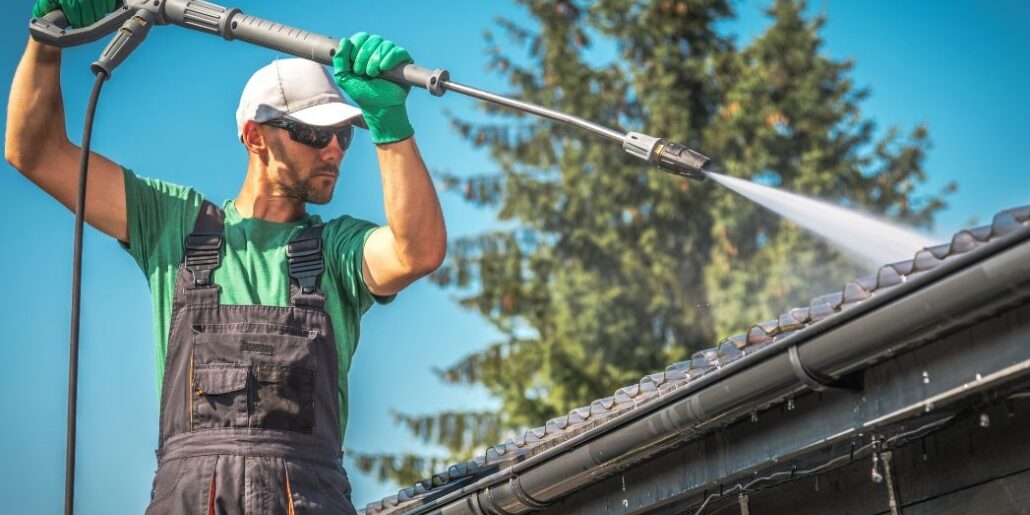
Moving to the siding and paint, power wash the exterior to remove dirt, pollen, and mildew that thrive in our humid springs. South Coast Metro’s proximity to the coast means higher humidity levels, which can foster mold growth on north-facing walls. Use a mild detergent solution and low-pressure setting to avoid damaging the surface. While you’re at it, examine windows and doors for cracks in caulking or weatherstripping. Reseal as needed to prevent air leaks, which not only improve energy efficiency but also keep out pests like ants that become more active in spring.
Inside, prioritize your HVAC system. Change air filters every one to three months, but spring is ideal for a professional tune-up. Our mild winters mean systems don’t work as hard, but dust from construction in growing areas like the Metro can clog them. A clean system runs more efficiently, reducing energy bills as summer approaches. Also, test smoke and carbon monoxide detectors, replacing batteries if necessary—safety first in a region prone to occasional wildfires.
Don’t forget the yard. Prune overgrown shrubs and trees to promote healthy growth and prevent branches from rubbing against your home during windy days. Fertilize lawns with a slow-release formula suited to our sandy soils, and aerate if compaction is an issue from foot traffic. For homes with pools or spas—common in our upscale neighborhoods—drain and clean them, checking filters and pumps for winter damage.
Plumbing deserves attention too. Flush water heaters to remove sediment buildup, which is exacerbated by our hard water. Inspect pipes under sinks for leaks, and if you have a sump pump (rare but useful in flood-prone spots near the San Diego Creek), test it. Spring allergies are rampant here, so deep clean carpets and upholstery to reduce indoor allergens.
By dedicating a weekend or two to these tasks, you’ll set a strong foundation for the year. Spring maintenance in South Coast Metro isn’t just practical; it’s about embracing the season’s vibrancy while safeguarding your investment.
Summer: Beat the Heat and Stay Cool
As temperatures climb into the 80s and 90s, with that signature South Coast Metro sunshine drawing crowds to nearby beaches, summer maintenance shifts to cooling efficiency and outdoor protection. Our dry heat, occasionally punctuated by monsoonal humidity, demands strategies to keep homes comfortable without skyrocketing utility bills.
First, optimize your air conditioning. Beyond the spring tune-up, ensure outdoor units are clear of debris like fallen leaves from eucalyptus trees. Trim vegetation at least two feet away to improve airflow. Inside, seal ducts if they’re in attics or crawl spaces—leaky ones waste up to 20% of cooled air. Consider programmable thermostats to adjust settings when you’re away, aligning with our peak energy hours.
Exterior-wise, shade is your ally. Install or clean awnings over south-facing windows to block intense afternoon sun. For patios, common in our homes, apply sealant to concrete or wood decks to prevent cracking from UV exposure. Inspect irrigation systems for leaks; our water conservation mandates mean efficient sprinklers are crucial—drip systems work best for drought-tolerant landscaping.
Pest control ramps up in summer. Ants, spiders, and even termites thrive in the heat. Seal entry points around foundations and vents, and schedule a professional inspection if you notice wood damage. In South Coast Metro, where new developments stir up pests, vigilance pays off.
Indoor humidity can spike during rare humid spells, so use dehumidifiers in basements or garages. Clean refrigerator coils for better efficiency, and check attic insulation—proper levels (R-30 or higher) keep heat out. For homes with solar panels, increasingly popular here, clean them monthly to maintain output amid dust from traffic on the 405 freeway.
Outdoor structures like fences and gates need checking for warping from heat. Repaint if faded, using UV-resistant formulas. Pools require weekly skimming, pH balancing (aim for 7.2-7.8), and filter cleaning to combat algae in our warm waters.
Summer also means fire safety. Clear dry brush within 100 feet of your home, per local ordinances, especially near open spaces like Fairview Park. Test sprinklers and hoses, and ensure vents are screened against embers.
These tips not only combat the heat but enhance your home’s livability, turning summer into a season of relaxation rather than repair emergencies.
Fall: Prepare for the Cooler Shift
Fall in South Coast Metro ushers in cooler evenings, dipping to the 50s, with Santa Ana winds bringing dry, gusty conditions. This transitional period is prime for pre-winter prep, focusing on weatherproofing and energy conservation as days shorten.
Begin with heating systems. Have your furnace or heat pump serviced—clean burners, check for carbon monoxide leaks, and replace filters. Our mild falls mean systems sit idle, but ensuring they’re ready prevents breakdowns when chills hit.
Exterior maintenance includes raking leaves promptly to avoid matting on lawns, which can smother grass. Aerate and overseed with ryegrass for winter greenness. Prune trees before winds arrive, removing dead branches that could become hazards.
Gutters demand another cleaning; falling leaves from oaks and maples in neighborhood streets can clog them quickly. Install leaf screens if not already done. Check the roof again for summer wear—heat can curl shingles.
Seal your home against drafts. Inspect weatherstripping on doors and windows, replacing if worn. Caulk gaps around pipes and outlets. In our area, where energy costs rise with cooler weather, this can cut heating bills by 10-20%.
Plumbing prep is key. Insulate exposed pipes to prevent freezing during rare cold snaps. Disconnect garden hoses and drain outdoor faucets. Flush irrigation lines to avoid bursts.
Indoor tasks include reversing ceiling fans to clockwise for warm air circulation. Clean chimneys if you have a fireplace—creosote buildup is a fire risk. Test garage door mechanisms; lubricate tracks and check auto-reverse features.
Pest prevention continues: Seal cracks as rodents seek warmth. Store outdoor furniture cushions to prevent mildew.
Fall is also for energy audits. Check insulation in walls and attics, adding if needed. Upgrade to LED bulbs for longer evenings.
By tackling these, you’ll transition smoothly into winter, minimizing disruptions in our active community.
Winter: Weather the Wet and Windy Days
Winters here are mild, with averages in the 60s, but El Niño patterns can bring heavy rains and winds, testing home resilience. Focus on waterproofing and indoor comfort.
Inspect foundations for cracks—rain can exacerbate settling in our clay soils. Ensure grading slopes away from the house to prevent pooling.
Windows and doors: Replace worn seals to keep out chill and moisture. Clean tracks for smooth operation.
Heating efficiency: Monitor thermostat settings (68°F daytime) and humidify air to combat dryness from heaters.
Plumbing: Let faucets drip during freezes, though rare. Know your main shut-off valve.
Indoor air quality: Vacuum vents and change filters frequently—closed homes trap allergens.
Exterior: Trim trees away from power lines; winds can down branches. Secure outdoor items.
Pest watch: Ants and spiders indoors; use baits sparingly.
Emergency prep: Stock flashlights, batteries, and a generator if prone to outages.
These measures ensure your home weathers winter gracefully.
Conclusion: Year-Round Home Harmony
Maintaining a South Coast Metro home seasonally fosters longevity and enjoyment. From spring renewals to winter safeguards, consistency is key. Schedule reminders, perhaps aligning with local events like the Orange County Fair for summer checks. If overwhelmed, consult local pros familiar with our microclimate. Ultimately, these tips empower you to thrive in this dynamic area, where your home is more than shelter—it’s part of the community’s fabric. Stay proactive, and your property will reward you with comfort and value for years to come.