

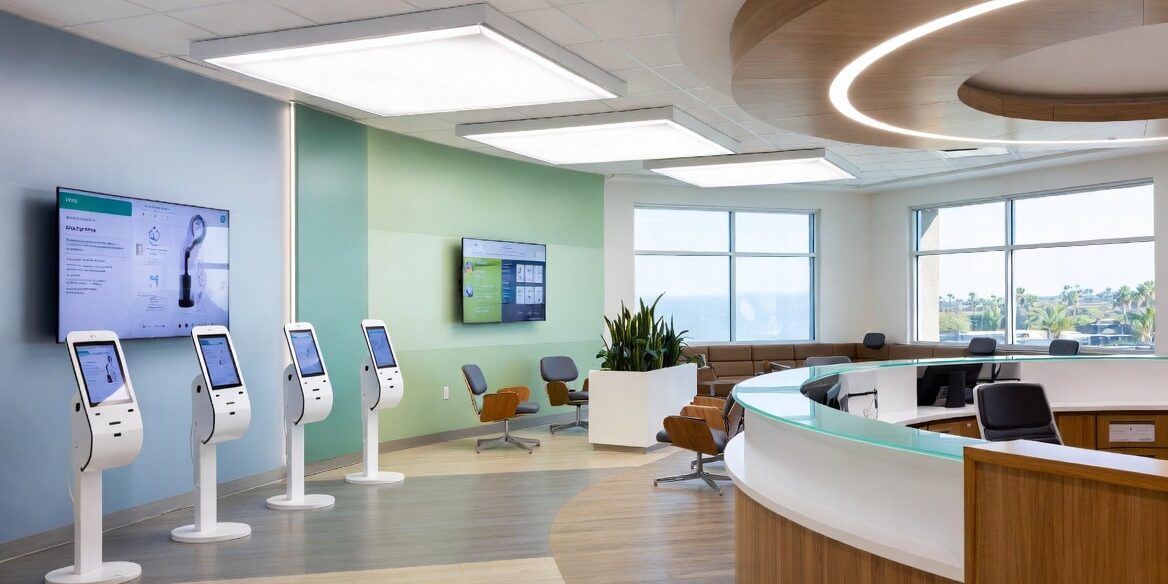
Medical offices in Orange, Orange County, California, stand at the forefront of healthcare evolution. As one of Southern California’s vibrant hubs with growing populations in areas like Irvine, Anaheim, Santa Ana, and the city of Orange itself, these practices face rising demands for modern, efficient, and patient-friendly spaces. Renovations and upgrades are no longer mere cosmetic refreshes; they represent strategic investments in technology integration, sustainability, patient experience, and operational resilience.
Local projects illustrate this shift. For instance, an outpatient pavilion in Orange updated its surgery center with calming wood flooring, natural light via larger windows, and flexible seating to create a more welcoming environment. Nearby, initiatives like Hoag’s expansions and adaptive reuse of office buildings into medical centers (such as the planned Newport Irvine Medical Center) highlight how Orange County providers are rethinking spaces for hybrid care models.
This comprehensive guide explores innovative approaches to renovating and upgrading medical offices in Orange County. It covers patient-centered design, technology integration, sustainability, regulatory compliance, flexible layouts, and practical implementation steps. Whether you’re a solo practitioner, multi-specialty group, or part of a larger system like UCI Health or MemorialCare, these strategies can help transform your facility while controlling costs and minimizing downtime.
The Unique Context of Medical Offices in Orange, Orange County
Orange County’s healthcare landscape blends affluent suburbs, diverse communities, and proximity to major systems like UCI Health and Hoag. Practices here serve everything from routine primary care to specialized services in pediatrics, geriatrics, urgent care, and outpatient procedures. Many older buildings from the 1980s–2000s now require upgrades to meet post-pandemic expectations: better infection control, telehealth readiness, and energy efficiency amid California’s strict environmental standards.
Renovation drivers include:
- Patient expectations: People want spa-like comfort rather than sterile clinical settings.
- Staff retention: Burnout reduction through better workspaces and natural light.
- Regulatory pressures: California Building Code, ADA, OSHPD (for certain facilities), HIPAA, and Title 24 energy requirements.
- Economic factors: Rising operational costs make energy-saving and modular upgrades attractive.
- Technological shifts: Hybrid care models blending in-person and virtual visits.
Local contractors specializing in healthcare tenant improvements (e.g., SE Builders, RW Design Build, CREW Builders) emphasize future-proofing with modular planning and adaptable MEP (mechanical, electrical, plumbing) systems.
Innovative Approach 1: Patient-Centered and Biophilic Design
Traditional medical offices often feel impersonal. Modern renovations prioritize hospitality-inspired aesthetics and biophilic elements—bringing nature indoors to reduce stress and improve outcomes.
Key innovations:
- Calming color palettes and materials: Soft neutrals, wood accents, and textured fabrics replace stark whites. Larger windows maximize natural light, as seen in Orange’s outpatient updates with wood flooring and mixed seating areas.
- Flexible waiting zones: Instead of one large room, create semi-private nooks, communal tables, coffee stations, and even fireplaces in imaging centers for a less institutional feel.
- Healing gardens and outdoor connections: UCI Health and Hoag projects incorporate drought-tolerant landscapes, walking paths, and serenity gardens—ideal for Orange County’s Mediterranean climate.
- Trauma-informed and sensory-friendly spaces: Quiet rooms, adjustable lighting, and reduced noise for behavioral health or pediatric practices.
Benefits include faster recovery, higher patient satisfaction scores, and better staff morale. Studies and design trends for 2025–2026 confirm that environments supporting well-being lead to measurable improvements in care quality.
In practice, start with a thorough space audit: Map patient flow from entry to exam rooms, then layer in acoustic panels, sound-absorbing ceilings, and visual privacy screens to prevent hallway sightlines into sensitive areas.
Innovative Approach 2: Technology Integration and Smart Office Upgrades
Technology drives many successful renovations in Orange County. From telehealth to IoT-enabled systems, upgrades create “smart” medical offices that enhance efficiency and care delivery.
Telehealth and Hybrid Care Spaces: Post-pandemic, many practices reduced square footage needs for in-person visits but added dedicated or flexible telehealth rooms. These feature high-quality video setups, soundproofing, and ergonomic furniture for virtual consultations. MemorialCare and others in the region use hybrid models where rooms switch seamlessly between in-person and virtual use.
IoT and AI Applications:
- Smart sensors for HVAC, lighting, and occupancy optimize energy and monitor air quality—critical for infection control.
- Predictive maintenance on medical equipment reduces downtime.
- Connected devices like smart beds or remote monitoring tools integrate with EHR systems.
- Touchless fixtures, automated check-in kiosks, and AI-powered wayfinding apps improve flow and hygiene.
5G and Infrastructure Readiness: Upgrades include robust wiring, backup power, and edge computing to support real-time data. In renovations, plan for modular infrastructure so future tech (robotics, advanced imaging) installs easily without major disruption.
Local examples show how these features cut costs while boosting outcomes. Smart building tech can reduce facility management expenses significantly through automation and analytics.
Implementation tip: Partner with IT specialists familiar with HIPAA-compliant systems early in the design phase. In Orange County, firms address both clinical tech and secure data environments.
Innovative Approach 3: Sustainability and Green Building Practices
California leads in sustainability, and Orange County medical offices increasingly adopt green strategies—not just for compliance but for long-term savings and community appeal.
Notable trends:
- All-electric systems: UCI Health’s push toward all-electric facilities (with solar on parking structures) eliminates natural gas dependency, aligning with state goals.
- LEED and energy performance: Outperform Title 24 standards with high-efficiency HVAC, LED lighting with smart controls, and recycled materials. UCI Health targets LEED Silver or better; Kaiser Permanente has achieved Platinum-level net-zero facilities.
- Water conservation: Low-flow fixtures and drought-tolerant landscaping suit the region’s climate.
- Prefabrication and modular construction: Reduces waste, shortens timelines, and minimizes patient disruption during renovations. Prefab MEP racks and bathroom pods are becoming standard.
Additional measures include energy-efficient windows, improved insulation, and on-site renewables. These upgrades lower utility bills (often a major expense in medical offices) and appeal to eco-conscious patients and staff. UCI Health has earned Greenhealth Emerald Awards for its sustainability leadership.
For renovations, conduct an energy audit first. Focus on “low-hanging fruit” like lighting and HVAC retrofits before full-scale changes.
Innovative Approach 4: Flexible and Adaptive Layouts
Healthcare evolves rapidly—practices must accommodate new specialties, equipment, or volume changes without repeated costly builds.
Strategies include:
- Modular walls and furniture: Allow reconfiguration of exam rooms or procedure suites.
- Multi-functional spaces: Rooms that serve both telehealth and in-person needs, or adaptable waiting areas.
- Adaptive reuse: Converting traditional office buildings into medical facilities, as in Newport Beach’s office-to-medical conversion with new atriums and enhanced circulation.
- Staff support areas: Dedicated wellness rooms, break spaces with natural light, and efficient workflow zones to combat burnout.
This flexibility future-proofs investments. Design with scalable MEP systems so adding imaging equipment or expanding labs requires minimal rework.
Innovative Approach 5: Compliance, Infection Control, and Safety Upgrades
Renovations must navigate a complex regulatory environment while enhancing safety.
Core elements:
- HIPAA privacy: Soundproof exam rooms, private consultation areas, secure record storage, and acoustic design to prevent overheard conversations.
- ADA accessibility: Wider doorways, accessible restrooms, intuitive wayfinding.
- Infection prevention: Touchless everything, enhanced ventilation (positive pressure rooms where needed), antimicrobial surfaces, and easy-to-clean homogenous flooring or epoxy coatings.
- OSHA and building codes: Proper medical gas lines, lead-lined walls for radiology, sterile environments, and emergency power.
Local contractors experienced with OSHPD and California codes ensure seamless permitting. During upgrades, maintain operations through phased construction—completing sections while keeping the practice open.
Step-by-Step Guide to Planning and Executing a Renovation in Orange County
- Needs Assessment (1–2 months): Engage stakeholders (doctors, staff, patients via surveys). Identify pain points in flow, technology, comfort, and efficiency.
- Feasibility and Budgeting: Work with architects and contractors familiar with healthcare (e.g., those serving LA and Orange County). Factor in 20–30% contingency for code updates. Average costs vary widely but modular approaches can control expenses.
- Design Phase: Incorporate biophilic, tech-ready, and sustainable elements. Use 3D modeling for visualization.
- Permitting and Approvals: Navigate city of Orange or county requirements, plus healthcare-specific codes. Early involvement of experts speeds this.
- Phased Construction: Minimize downtime—perhaps renovate after hours or in sections. Prefab components accelerate timelines.
- Technology and Systems Integration: Install infrastructure before finishes.
- Finishing and Training: Staff training on new systems ensures smooth adoption.
- Post-Occupancy Evaluation: Measure outcomes (patient feedback, energy use, staff satisfaction) and tweak as needed.
Timeline for a moderate renovation: 6–12 months; larger projects may take 12–24 months.
Benefits and ROI of Innovative Renovations
Well-executed upgrades deliver:
- Higher patient volume and retention through better experiences.
- Operational savings via energy efficiency and reduced maintenance.
- Staff productivity and retention in supportive environments.
- Competitive edge in attracting talent and partnerships.
- Regulatory resilience and easier future expansions.
Many Orange County practices report improved HCAHPS-like scores and lower utility costs post-renovation.
Challenges and How to Overcome Them
Common hurdles include budget constraints, permitting delays, and maintaining operations. Solutions: Choose experienced local teams, phase work carefully, and prioritize high-impact, lower-cost items first (e.g., lighting, privacy features). Sustainable choices often qualify for incentives or rebates in California.
Conclusion: Transforming Medical Offices for the Future in Orange County
Innovative renovations in Orange, Orange County, go beyond updating walls and floors—they reimagine spaces as healing environments that leverage technology, embrace sustainability, and center human needs. From biophilic designs in local pavilions to smart all-electric systems at UCI Health and flexible hybrid models across the region, providers here are setting standards for ambulatory care.
If you operate a medical office in Orange County, now is the time to evaluate your space. Partner with specialists in healthcare design-build who understand local nuances, from Title 24 compliance to the latest 2025–2026 trends in flexible, patient-focused environments. The result? A practice that not only meets today’s demands but thrives for decades ahead—delivering better care, stronger finances, and a more positive experience for everyone involved.
Investing thoughtfully today creates resilient, welcoming medical offices ready for tomorrow’s healthcare challenges. Whether a small upgrade or full transformation, the innovative approaches outlined here can guide your project toward lasting success in vibrant Orange County.