
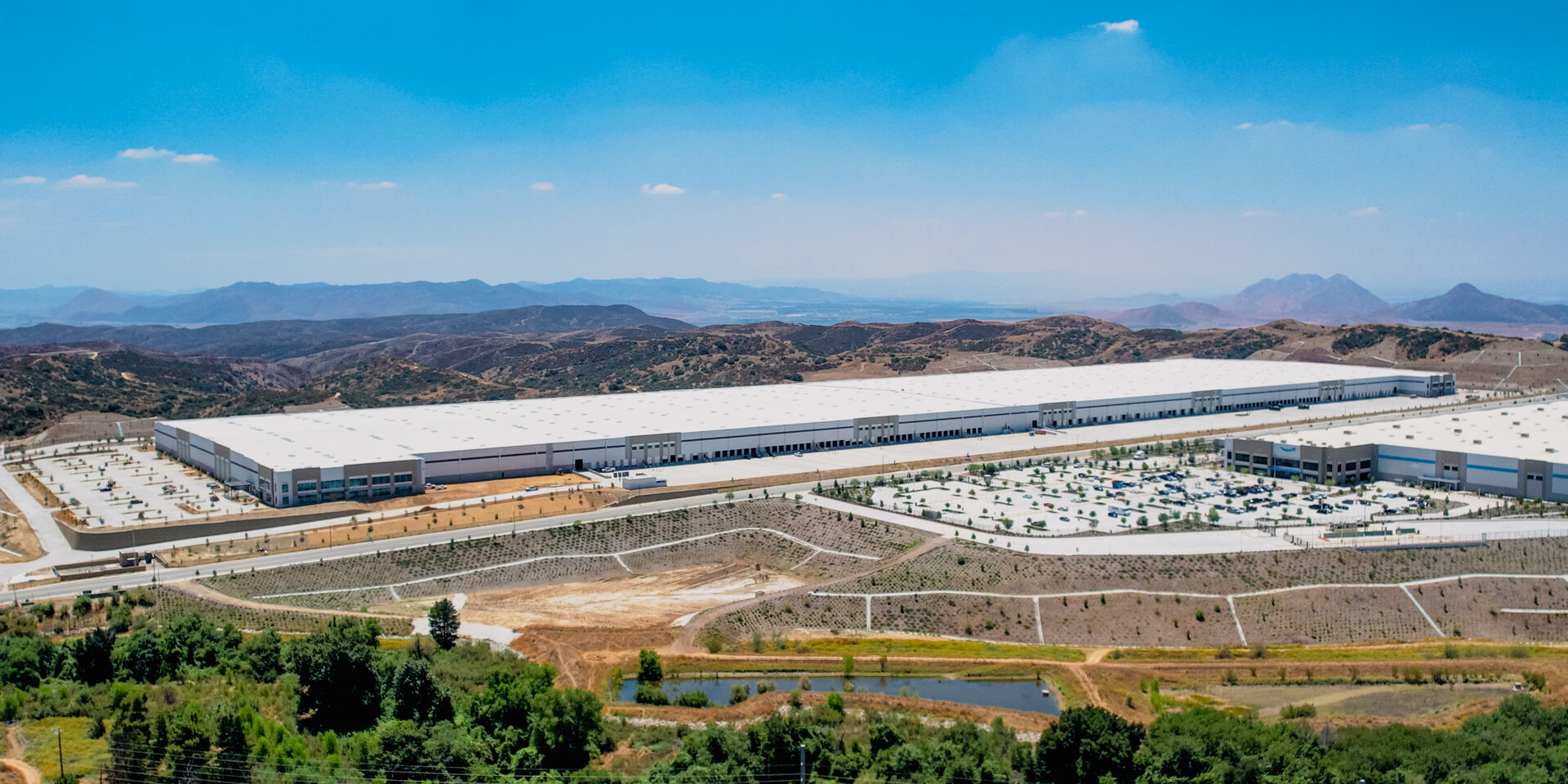
Warehouse and distribution centers in Brea, Orange County, serve as vital nodes in Southern California’s logistics network. With major facilities handling goods distribution, these large industrial properties feature expansive grounds, including parking lots, perimeter areas, loading zones, and occasional green buffers. Maintaining these landscapes effectively requires more than routine mowing or basic trimming—advanced property maintenance focuses on durability, water efficiency, cost control, regulatory compliance, and sustainability in a region prone to drought and strict environmental rules.
Brea’s Mediterranean climate—characterized by hot, dry summers and mild, wet winters—creates specific challenges for landscaping around high-traffic industrial sites. Heavy vehicle use compacts soil, runoff from impervious surfaces causes erosion, and debris from operations can accumulate quickly. Advanced approaches address these issues head-on, turning potential liabilities into assets that enhance property value, reduce operational expenses, and support long-term environmental goals.
This in-depth guide explores best practices, local regulations, innovative techniques, technology integration, and practical implementation strategies for warehouse and distribution center landscaping in Brea. Whether you’re a property manager, facility operator, or owner, these insights can help optimize your grounds for performance and resilience.
Understanding Brea’s Regulatory Landscape for Commercial Properties
Compliance forms the foundation of any effective maintenance program. The City of Brea enforces a Water Efficient Landscape Ordinance (based on California’s Model Water Efficient Landscape Ordinance, or MWELO), which promotes water conservation through smart design and irrigation.
This ordinance applies to:
- New landscape projects of 500 square feet or more that require permits, plan checks, or design reviews.
- Rehabilitated projects of 2,500 square feet or more.
- Smaller projects (under 2,500 square feet) can follow prescriptive measures or performance standards.
Key requirements include limiting turf areas, using low-water plants, installing efficient irrigation systems (such as weather-based controllers), preventing overspray onto hard surfaces, and incorporating mulch to retain soil moisture. For industrial properties, exemptions exist for certain rehabilitations where water use is already minimized, but most warehouse upgrades or new installations must meet these standards.
Orange County’s broader initiatives, including stormwater management under the Municipal Separate Storm Sewer System (MS4) permit, require preventing polluted runoff from entering waterways. Industrial sites must also consider fire safety regulations, which may mandate fuel modification zones with low-flammable vegetation near structures.
Non-compliance risks fines, permit delays, or mandated retrofits. Proactive adherence not only avoids penalties but often qualifies properties for rebates through local water districts or county programs aimed at turf removal and water-smart upgrades.
Unique Challenges for Warehouse and Distribution Center Landscapes
Unlike retail or office properties, warehouse grounds face intense practical demands:
- Soil compaction from trucks, forklifts, and foot traffic in loading areas.
- Erosion and sediment issues from large paved surfaces and occasional spills.
- Debris buildup, including packaging materials, dust, and pollutants.
- High visibility needs for curb appeal, especially near major roads or for corporate branding.
- Safety priorities, such as clear sight lines, non-slip surfaces, and hazard-free zones.
- 24/7 operations, limiting maintenance windows, and requiring low-disruption methods.
Traditional high-maintenance lawns or exotic plants quickly become unsustainable under these conditions, leading to excessive water bills, frequent repairs, and worker safety concerns. Advanced maintenance shifts toward resilient, low-input systems that withstand abuse while meeting aesthetic and regulatory goals.
Core Advanced Maintenance Techniques
Effective programs combine horticultural best practices with site-specific adaptations.
- Integrated Vegetation Management (IVM) This approach uses targeted methods—mechanical, cultural, biological, and chemical (as a last resort)—to control weeds and invasive species. For warehouses, focus on preventing vegetation from encroaching on pavement cracks, drainage systems, or fire lanes.
- Soil Health Optimization Regular aeration combats compaction in traffic zones. Apply organic amendments like compost to improve structure and nutrient cycling. Healthy soil supports deeper root systems, reducing irrigation needs and enhancing drought tolerance.
- Precision Irrigation and Water Management Upgrade to smart controllers that adjust based on weather, soil moisture sensors, and evapotranspiration data. Drip or micro-spray systems minimize evaporation and deliver water directly to roots, crucial for meeting Brea’s efficiency mandates.
- Mulching and Ground Cover Strategies Apply thick organic mulch (3–4 inches) around plants to suppress weeds, retain moisture, and moderate soil temperature. In low-traffic perimeter areas, use ground covers like native grasses or succulents instead of turf.
- Seasonal and Predictive Scheduling Plan maintenance around Brea’s weather patterns: intensive pruning and cleanup in spring/fall, drought stress monitoring in summer, and erosion control prep before winter rains. Predictive tools help anticipate issues like pest outbreaks.
Local providers like CentreScapes, Bill & Dave’s, BrightView, Growscapes, and Earthco Landscape offer tailored commercial services, including warehouse-specific packages that bundle these techniques.
Sustainable Landscaping Practices Tailored for Industrial Sites
Sustainability delivers measurable returns in water-scarce Orange County.
- Native and Drought-Tolerant Plantings Select California natives (e.g., California lilac, manzanita, or yarrow) and Mediterranean-adapted species that thrive with minimal water once established. These reduce irrigation by 50–70% compared to traditional turf and support local pollinators.
- Xeriscaping Principles Group plants by water needs (hydrozoning), emphasizes hardscape elements like decomposed granite paths, and incorporate boulders or gravel for visual interest without high upkeep.
- Stormwater Management Features: Install bioswales, permeable paving in select areas, or rain gardens to capture and filter runoff. These help comply with county stormwater rules while recharging groundwater.
- Low-Maintenance Design: Reduce turf to functional minimums (or eliminate nonfunctional areas per state regulations). Use perennials and shrubs that require infrequent pruning.
These practices lower long-term costs—water savings alone can be substantial—and align with corporate sustainability reporting or LEED goals.
Leveraging Technology for Efficient Operations
Modern tools make maintenance smarter and less labor-intensive.
- Smart Irrigation Controllers — Weather-linked systems prevent overwatering.
- Drones and Mapping Software — For site inspections, identifying dry spots or erosion early.
- Battery-Powered Equipment — Reduces emissions and noise around operational facilities.
- Asset Management Platforms — Track schedules, inventory, and performance metrics across multiple sites.
These technologies minimize downtime, optimize resource use, and provide data for continuous improvement.
Implementation Roadmap and Best Practices
Start with a professional site assessment to evaluate current conditions, soil, irrigation, and compliance gaps.
Develop a customized plan:
- Phase 1: Remove high-water elements and install efficient irrigation.
- Phase 2: Introduce native plants and mulch.
- Phase 3: Integrate monitoring tech and ongoing maintenance contracts.
Partner with experienced commercial landscapers familiar with Brea’s industrial zones. Regular inspections (weekly or bi-weekly during peak seasons) ensure issues are caught early.
| Practice | Key Benefits | Estimated Impact | Recommended Tools/Methods |
|---|---|---|---|
| Native/Drought-Tolerant Plants | Reduced water & maintenance needs | 50–70% less irrigation | Hydrozoning, mulch layers |
| Smart Irrigation | Precise watering, compliance | 30–60% water savings | Soil sensors, ET-based controllers |
| Soil Aeration & Amendments | Better root health, less compaction | Improved plant survival in traffic zones | Core aerators, compost top-dressing |
| Permeable Surfaces | Stormwater control, reduced runoff | Meets MS4 requirements | Porous pavers in low-traffic areas |
| Integrated Pest Management | Minimal chemicals | Safer for workers & environment | Monitoring, biological controls |
Conclusion: Building Resilient Industrial Landscapes in Brea
Advanced property maintenance for landscaping in Brea’s warehouse and distribution centers transforms challenging industrial grounds into efficient, compliant, and attractive assets. By prioritizing water efficiency, sustainability, technology, and professional expertise, property managers can cut costs, enhance safety, meet regulations, and contribute to Orange County’s environmental goals.
In an era of increasing focus on corporate responsibility and resource conservation, investing in these practices positions your facility as forward-thinking and operationally superior. Start with a thorough assessment and partner with local specialists to create a landscape that works as hard as your warehouse does.