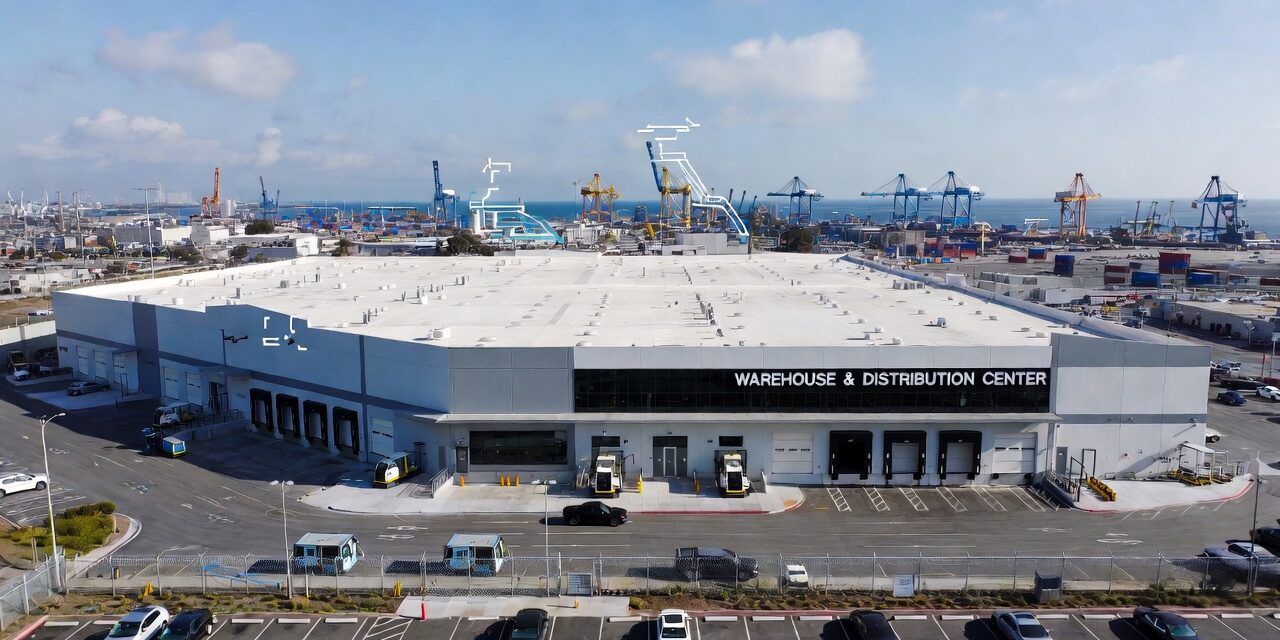
In the evolving logistics landscape of Southern California, warehouse and distribution centers remain vital to the regional economy. Huntington Beach, situated in Orange County, benefits from its strategic position near major transportation corridors and proximity to the Ports of Los Angeles and Long Beach, which handle a significant portion of U.S. containerized imports. As of early 2026, the industrial real estate market in Orange County reflects a period of adjustment, with softening demand, rising vacancies, and moderating rents following years of tight conditions. Advanced property maintenance—incorporating predictive, preventive, and technology-driven practices—stands out as a key strategy for owners, managers, and operators to navigate these shifts, enhance asset performance, reduce costs, and maintain competitiveness.
Current Market Trends in Orange County’s Industrial Sector
Orange County’s industrial market, including warehouses and distribution centers, continues to rank among the most expensive in the United States. This premium stems from limited land availability, strong population density, and access to key ports. However, the market has transitioned from extreme tightness to a more balanced environment.
Vacancy rates have climbed steadily. Countywide vacancy reached around 6.7% by late 2025, up significantly from record lows of 1.8% in late 2022. This increase reflects 11 consecutive quarters of negative net absorption earlier in the cycle, driven by factors such as reduced import volumes from tariffs, elevated operating costs, inflation, and tenant cost-cutting measures. By Q4 2025, vacancy stabilized somewhat, with reports indicating levels around 6.7% to 7.6% in some analyses, though submarkets vary.
Asking rents have moderated accordingly. Average triple-net asking rates settled around $1.49 to $1.52 per square foot per month by the end of 2025, down from peaks near $1.71. Year-over-year declines of 5-6% were common, with some submarkets seeing steeper drops. Despite this softening, Orange County rents remain elevated compared to national averages, supported by demand from logistics, manufacturing, and last-mile operations.
Construction activity has cooled, with under-construction square footage declining from prior peaks. This reduction helps prevent further oversupply pressure, setting the stage for potential stabilization in 2026. Forecasts suggest vacancy may hold steady or rise modestly before absorption resumes, with rents expected to flatten through much of the year before gradual increases as excess space fills.
Demand drivers include proximity to ports for import-reliant businesses, e-commerce fulfillment needs, and a preference for high-quality, efficient facilities. Tenant concessions, such as free rent periods and tenant improvement allowances, have become more prevalent, shifting leverage toward occupiers in a tenant-favorable environment.
Huntington Beach Submarket Specifics
Huntington Beach maintains a relatively stable position within Orange County. The submarket features approximately 16.17 million square feet of industrial inventory. Vacancy here has remained lower than the county average in recent reports, around 3.3% in some Q4 2025 data, indicating resilience compared to broader trends.
Asking rents in Huntington Beach average about $1.38 per square foot per month triple-net, with warehouse/distribution spaces often lower at around $1.16 and general industrial closer to $1.52. Activity includes ongoing leasing and occasional sales, reflecting interest from users seeking well-located space near coastal access routes.
The area’s appeal lies in its logistics advantages, including highway connectivity and proximity to population centers. While countywide negative absorption has impacted demand, Huntington Beach benefits from selective tenant interest in mid-sized facilities for distribution and manufacturing.
The Importance of Advanced Property Maintenance
Advanced property maintenance transcends traditional reactive approaches, focusing on proactive strategies to optimize facility performance. In warehouses and distribution centers, where uptime is critical for throughput, even brief downtime can result in substantial losses.
Predictive maintenance forms the cornerstone of modern practices. By deploying IoT sensors, machine learning, and data analytics, managers monitor equipment conditions in real time—tracking vibration, temperature, usage patterns, and other indicators on assets like conveyor systems, forklifts, automated storage and retrieval systems (AS/RS), HVAC units, and material handling equipment. This enables early detection of potential failures, allowing scheduled interventions before breakdowns occur.
Benefits include reduced unplanned downtime (often by significant margins), extended asset lifespan, lower maintenance costs through optimized parts usage, and improved safety. Integration with warehouse management systems (WMS) enhances visibility, enabling data-driven decisions that align maintenance with operational peaks.
Preventive maintenance complements this by adhering to scheduled inspections and servicing based on manufacturer guidelines or historical performance data. Computerized maintenance management systems (CMMS) digitize workflows, track work orders, manage inventory, and generate compliance reports, streamlining operations and reducing administrative burden.
In automated environments, techniques such as condition-based monitoring ensure robotics, AGVs (automated guided vehicles), and sorters operate efficiently. These tools minimize disruptions in high-volume settings, supporting faster order fulfillment and accuracy—key in e-commerce-driven facilities.
How Advanced Maintenance Aligns with Current Market Trends
In a market with rising vacancies and moderating rents, property differentiation becomes essential. Owners and managers in Huntington Beach and Orange County can leverage advanced maintenance to position facilities as premium options. Well-maintained properties with reliable systems attract quality tenants seeking efficiency amid cost pressures.
Predictive strategies directly address rising operational expenses, including energy costs, insurance premiums, and labor. By preventing failures, facilities achieve higher uptime, lower repair bills, and better energy management—appealing to tenants facing tariff-related import slowdowns and inflation.
Sustainability gains traction as well. Smart monitoring optimizes HVAC and lighting, reducing consumption and aligning with California’s environmental regulations. This enhances property appeal in a market where “flight to quality” favors modern, efficient spaces over outdated ones.
For brownfield retrofits common in space-constrained Huntington Beach, modular automation upgrades paired with predictive tools boost throughput without full rebuilds. Retrofitting older warehouses with sensor-enabled systems and CMMS improves competitiveness, supporting leasing in a tenant-leaning market.
In distribution centers reliant on port proximity, reliable equipment ensures seamless handling of fluctuating volumes. Advanced maintenance mitigates risks from supply chain disruptions, maintaining service levels for 3PL providers and e-commerce operators.
Practical Applications and Benefits
Implementing these strategies yields measurable gains. For instance, predictive tools on conveyor systems can forecast motor issues, scheduling repairs during off-hours. In automated facilities, integrating sensors with WMS provides real-time alerts, optimizing workflows, and reducing errors.
Local examples from Orange County highlight adaptive approaches: expansions and sale-leasebacks often involve modernized systems for efficiency. In Huntington Beach, facilities benefiting from lower vacancy can invest in upgrades to sustain occupancy.
Broader industry adoption shows 20-30% efficiency improvements from automation and predictive integration, crucial in high-rent environments. For managers, CMMS reduces paperwork and ensures regulatory compliance, while predictive analytics extend equipment life amid budget constraints.
Future Outlook and Strategic Recommendations
Looking to mid-2026 and beyond, Orange County’s industrial market anticipates stabilization as construction slows and absorption potentially resumes. Huntington Beach’s submarket strength positions it well for recovery, driven by logistics fundamentals and selective demand.
Advanced maintenance will play a growing role, especially with AI enhancements for deeper analytics and automation trends. Stakeholders should prioritize scalable technologies: invest in IoT sensors, robust CMMS platforms, and predictive software to future-proof assets.
In summary, as the warehouse and distribution sector in Huntington Beach adapts to balanced market conditions, advanced property maintenance emerges as a strategic imperative. It not only controls costs and minimizes risks but also elevates facility value, ensuring long-term viability in a competitive landscape. Property owners, managers, and tenants who embrace these innovations will be best equipped to capitalize on emerging opportunities.