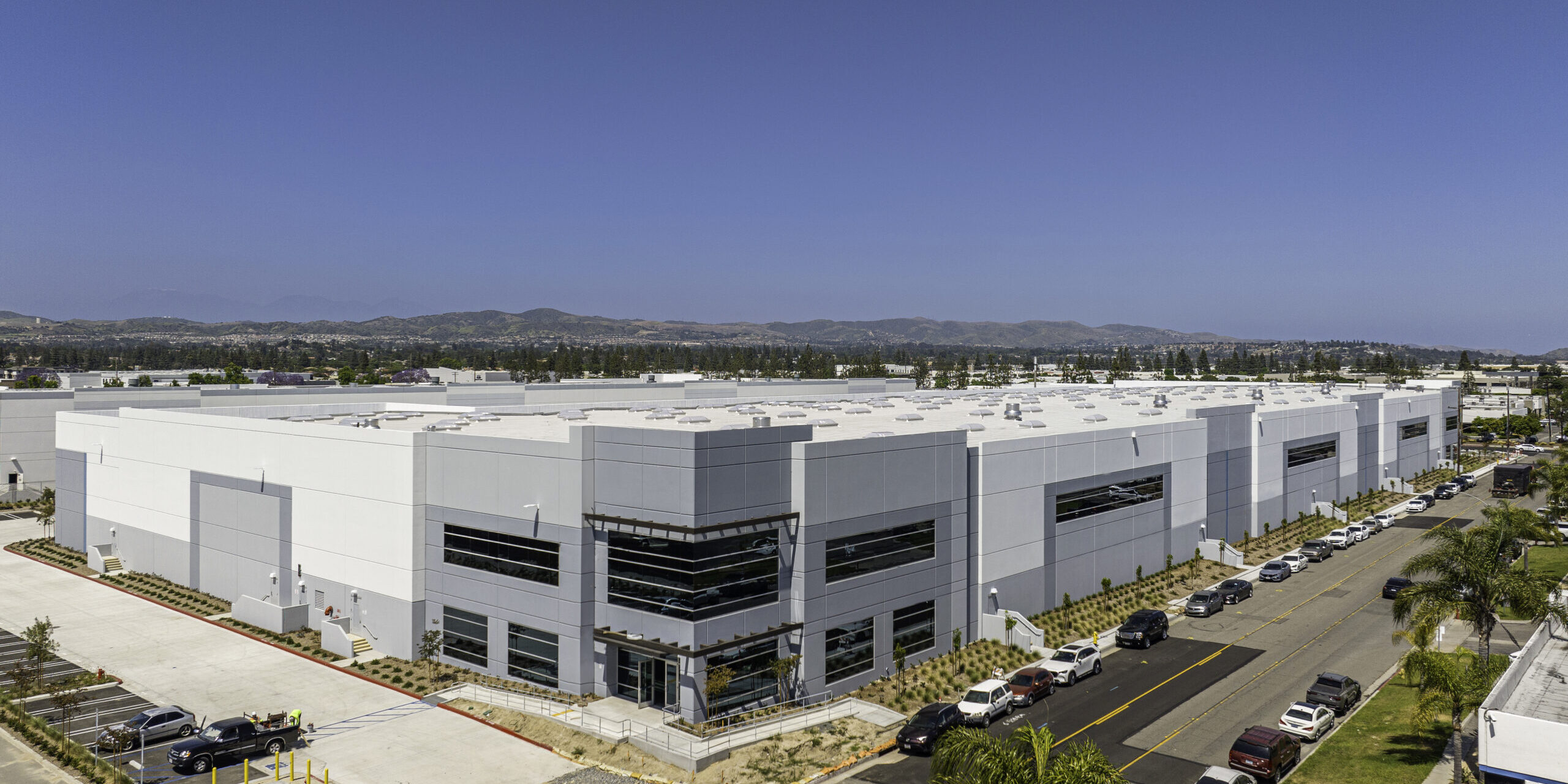
In the bustling landscape of Southern California, Newport Beach in Orange County stands as a prime hub for logistics and commerce. Known for its affluent coastal vibe, the area also hosts a niche but vital segment of industrial real estate, particularly warehouses and distribution centers. As we navigate 2026, the industrial market here is evolving amid stabilizing trends, high rents, and shifting demands driven by e-commerce, supply chain optimizations, and regulatory changes. For property owners, managers, and operators, advanced property maintenance isn’t just about fixing what’s broken—it’s a strategic imperative to stay competitive, reduce costs, and adapt to these market dynamics.
This blog post delves deep into how advanced maintenance practices can address current and emerging trends in Newport Beach’s warehouse sector. We’ll explore market insights, cutting-edge strategies, and practical implementations to ensure your facilities thrive. Whether you’re overseeing a distribution center near the John Wayne Airport or a smaller warehouse in West Newport Beach, these insights will help maximize efficiency, sustainability, and value.
Understanding the Market Trends in Orange County’s Warehouse and Distribution Sector
Orange County’s industrial market, encompassing areas like Newport Beach, Irvine, and Anaheim, remains one of the most expensive in the United States. As of early 2026, average lease rates hover around $17.09 to $19.00 per square foot for industrial spaces, with new transactions pushing toward the higher end. This premium pricing reflects the region’s strategic location near major ports, highways, and urban centers, making it ideal for last-mile delivery and e-commerce fulfillment.
However, the market is in a phase of adjustment. Vacancy rates have climbed to approximately 5.2% to 6.7%, up from previous lows, due to increased supply from recent constructions and subdued tenant demand. In Newport Beach specifically, industrial properties are limited but concentrated in zones like the West Side, where spaces range from 2,500 to 12,000 square feet, often commanding prices up to $738 per square foot for sales. Demand drivers include logistics firms, third-party logistics (3PL) providers, and advanced manufacturing, bolstered by proximity to the Ports of Los Angeles and Long Beach.
Key trends shaping 2026 include:
- E-commerce and Supply Chain Resilience: With e-commerce continuing to capture retail share, warehouses must handle higher volumes and faster turnarounds. This demands robust infrastructure for automation and inventory management.
- Sustainability and Regulatory Compliance: California’s AB 98 and SB 415 impose strict standards on new developments, including setbacks from sensitive areas, EV charging readiness, and truck routing plans. Existing facilities in Newport Beach must retrofit for energy efficiency to comply and attract eco-conscious tenants.
- Cost Pressures and Operational Efficiency: Rising operating costs and tariff uncertainties push operators toward conservative inventory strategies, emphasizing flexible, well-maintained spaces. Market stability is expected as construction slows, with rents holding steady before gradual increases.
- Technological Integration: The push for smart warehouses aligns with broader trends, where IoT and AI optimize operations amid labor shortages and population shifts in Orange County.
These trends underscore the need for proactive maintenance to minimize downtime, enhance asset longevity, and boost property value in a competitive market.
The Critical Role of Advanced Property Maintenance in Adapting to Trends
In a high-stakes environment like Newport Beach, where industrial space is premium and downtime can cost thousands per hour, traditional reactive maintenance falls short. Advanced strategies shift the paradigm to predictive and preventive models, leveraging technology to foresee issues and align with market demands.
Consider the implications: A poorly maintained warehouse risks equipment failures during peak e-commerce seasons, leading to delayed shipments and lost revenue. Conversely, advanced maintenance ensures compliance with green regulations, reduces energy costs (vital in California’s high-utility market), and appeals to tenants seeking modern, efficient spaces. Studies show predictive maintenance can cut costs by up to 25% and extend equipment life significantly.
For distribution centers in Orange County, this means integrating maintenance with broader trends like automation and sustainability to maintain market edge.
Key Advanced Property Maintenance Strategies
Here, we outline sophisticated approaches tailored to Newport Beach’s context, drawing from industry best practices.
1. Implementing Predictive Maintenance with IoT and AI
Predictive maintenance uses data analytics to anticipate failures before they occur. In warehouses, IoT sensors monitor equipment like conveyor belts, HVAC systems, and forklifts in real-time, tracking vibrations, temperature, and usage patterns.
For instance, in a Newport Beach distribution center handling perishable goods, sensors can detect early signs of refrigeration unit wear, preventing spoilage and compliance issues. Benefits include reduced unplanned downtime by 30-50% and maintenance costs by 10-40%. Integrate this with AI platforms that analyze historical data for patterns, aligning with e-commerce’s need for 24/7 operations.
To implement:
- Install sensors on critical assets.
- Use cloud-based analytics for alerts.
- Train staff on data interpretation.
This strategy directly counters market trends by enhancing efficiency amid rising costs.
2. Embracing Preventive Maintenance Programs
Preventive maintenance involves scheduled inspections and servicing to avert breakdowns. In Orange County’s humid coastal climate, this is crucial for preventing corrosion in structures and equipment.
Develop a comprehensive schedule using Computerized Maintenance Management Systems (CMMS) to track tasks, inventory spare parts, and ensure compliance. For example, quarterly HVAC checks can optimize energy use, reducing bills in line with sustainability trends.
Best practices:
- Create checklists for floors, roofs, and electrical systems.
- Schedule during off-peak hours to minimize disruption.
- Document all activities for audits and insurance.
This approach supports market stability by keeping properties lease-ready.
3. Prioritizing Sustainability and Green Maintenance
With regulations like AB 98 mandating EV infrastructure and buffers, sustainable maintenance is non-negotiable. In Newport Beach, where environmental concerns are high, adopt green practices like LED lighting retrofits, solar panel installations, and water-efficient systems.
Advanced tactics include energy audits using IoT to identify leaks and inefficiencies, potentially slashing utility costs by 20%. Pest control and waste management also fall under this, preventing damage that could lead to costly repairs.
Align with trends by certifying facilities under LEED standards, attracting premium tenants in a market where eco-focus drives demand.
4. Enhancing Security and Infrastructure Resilience
Market trends highlight the need for secure, resilient properties amid supply chain vulnerabilities. Advanced maintenance includes regular checks on security systems, fire suppression, and structural integrity.
In flood-prone areas near Newport Beach’s coast, reinforce foundations and install smart flood sensors. Use drones for roof inspections to spot issues early, reducing risks in high-value industrial zones.
5. Staff Training and Technology Adoption
No strategy succeeds without skilled personnel. Invest in training programs on CMMS, IoT, and safety protocols. In Orange County’s diverse workforce, this addresses labor shortages by empowering teams.
Foster a culture of continuous improvement, using VR simulations for hands-on practice without risking operations.
Case Studies: Real-World Applications in Orange County
While specific Newport Beach examples are proprietary, consider analogous scenarios. A distribution center in nearby Irvine implemented predictive IoT maintenance, reducing breakdowns by 40% and aligning with e-commerce surges.
Another in Anaheim retrofitted for sustainability under SB 415, installing EV chargers and achieving 15% energy savings, boosting lease appeal in a stabilizing market.
These illustrate how advanced maintenance translates to tangible ROI.
Future Outlook: Preparing for Tomorrow’s Challenges
Looking ahead, Orange County’s industrial market will see steady rents and absorbed vacancies by late 2026. Trends like automation and nearshoring will demand even more advanced maintenance, with AI-driven predictive models becoming standard.
Property owners should budget for tech upgrades, aiming for integrated systems that support hybrid human-robot operations. In Newport Beach, where space is at a premium, maintenance will be key to maximizing utilization and value.
Conclusion: Elevate Your Warehouse Maintenance Game
Advanced property maintenance is the linchpin for thriving in Newport Beach’s dynamic warehouse market. By adopting predictive, preventive, and sustainable strategies, you not only adapt to trends but lead them—ensuring efficiency, compliance, and profitability.
As Orange County evolves, proactive operators will reap the rewards. Start with an audit of your current practices and invest in the tools that future-proof your assets. Your distribution center isn’t just a building; it’s a strategic asset in one of California’s hottest markets.