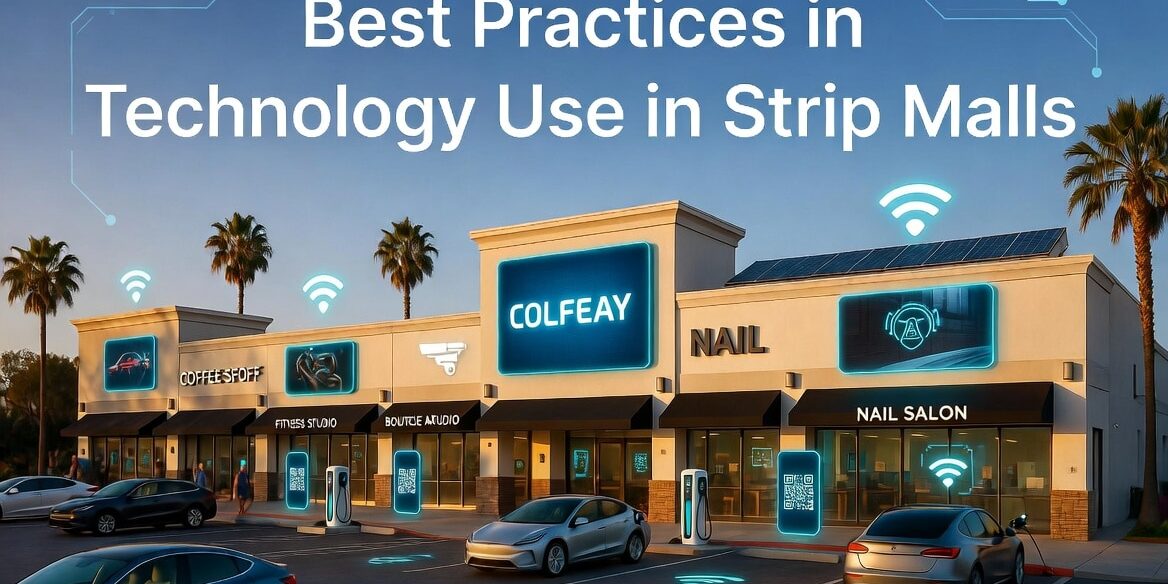
Strip malls in Orange, Orange County, California, serve as vital community anchors in a suburban landscape defined by convenience, accessibility, and everyday retail needs. Located in the heart of Orange County, the city of Orange blends historic charm in Old Towne with bustling commercial corridors along Tustin Avenue, Chapman Avenue, and major freeway access points like the 5, 22, and 55. These areas host a mix of neighborhood strip centers featuring grocery stores, pharmacies, restaurants, dry cleaners, salons, and small service businesses alongside larger open-air properties such as The Village at Orange (a reimagined former enclosed mall now operating as an outdoor retail hub) and The Outlets at Orange (a premium destination drawing regional traffic).
Unlike enclosed regional malls, strip malls in Orange emphasize quick-access shopping in a car-centric environment, with surface parking lots that often double as community gathering spots. The local retail market remains resilient, with relatively low vacancy rates compared to national trends, supported by a dense population of families, professionals commuting to nearby employment centers in Irvine and Anaheim, and a strong small-business ecosystem. However, the rise of e-commerce, shifting consumer habits post-pandemic, and California’s aggressive sustainability mandates have pushed property owners and managers to adopt technology not just for survival but for competitive advantage.
Effective technology integration transforms these properties from basic retail clusters into smart, efficient, and shopper-friendly destinations. From IoT sensors optimizing energy use amid high California utility costs to AI-driven security systems addressing safety concerns in high-traffic areas, technology enhances tenant retention, boosts foot traffic, reduces operational expenses, and aligns with local priorities like reduced vehicle emissions and energy efficiency.
Local Regulatory Context in Orange
The City of Orange’s Municipal Code (Title 17, Commercial Districts) governs strip mall development through zones such as Limited Business (C1), General Commercial (C3), and others that accommodate retail and service uses. Parking requirements typically mandate around four spaces per 1,000 square feet of gross leasable area for most retail, with provisions for shared parking in mixed-use settings. Recent updates emphasize sustainability, requiring compliance with California’s Title 24 Building Energy Efficiency Standards, which set strict baselines for lighting, HVAC, and envelope performance—encouraging tech upgrades that exceed minimums.
The broader Orange County Comprehensive Economic Development Strategy highlights broadband expansion and digital infrastructure as economic priorities, supporting high-speed connectivity for retail tech. Streamlined permitting for electric vehicle (EV) charging stations reflects state incentives under programs like the California Energy Commission’s initiatives. While no ordinances mandate specific technologies like AI cameras, properties pursuing green certifications or traffic impact reductions often receive expedited approvals or fee incentives. These frameworks create a supportive environment for tech adoption without overly burdensome mandates, allowing owners to tailor solutions to their specific tenant mix and site constraints.
Why Technology Use Matters for Strip Malls in Orange
Strip malls face unique pressures: smaller footprints limit large-scale renovations, yet they must compete with online giants and larger centers. Shoppers expect seamless experiences—quick parking, personalized offers, contactless options, and reliable security—while tenants demand lower common-area maintenance (CAM) charges and data-driven insights to drive sales. Poor technology leads to higher energy bills (a major CAM component in sunny Orange County), security vulnerabilities in open parking lots, missed marketing opportunities, and tenant churn.
Conversely, strategic tech investments deliver measurable returns: reduced utility costs by 20-30% through smart systems, increased dwell time via engaging digital features, stronger lease rates in a market where absorption remains positive, and enhanced appeal to eco-conscious tenants and shoppers. In Orange, where traffic congestion on key arteries is common, technology also mitigates spillover issues and supports community goals for lower emissions. As hybrid work and online shopping persist, tech helps these properties evolve into “phygital” hubs blending physical convenience with digital personalization.
Key Best Practices for Technology Use
1. Implement IoT and Smart Building Management Systems for Energy Efficiency
IoT sensors connected to centralized building management platforms represent a foundational best practice. These systems monitor and control HVAC, lighting, and refrigeration in real time, automatically adjusting based on occupancy, weather, or time of day. In Orange’s Mediterranean climate, where cooling demands peak in summer, smart thermostats and occupancy sensors can prevent wasteful operation in vacant storefronts.
Property managers integrate platforms that provide dashboards for predictive maintenance, alerting teams to failing equipment before breakdowns occur. Benefits include 15-25% energy savings, direct CAM charge reductions for tenants, and compliance with evolving Title 24 updates. Many strip malls in Orange have retrofitted older buildings with LED lighting tied to motion sensors and solar-integrated systems, generating on-site power while providing shade in parking areas.
2. Deploy AI-Powered Security and Surveillance Systems
Security technology has evolved from basic cameras to AI-enhanced networks that detect anomalies like loitering, package abandonment, or unauthorized vehicle access. High-resolution cameras with license plate recognition (LPR) cover parking lots and entrances, feeding data to cloud-based monitoring centers for remote response.
In Orange, where strip malls serve evening restaurant crowds and early-morning delivery windows, 24/7 AI analytics differentiate between normal activity and threats, reducing false alarms and enabling faster police coordination. Integration with access control for back-of-house areas adds layers of protection. Best-in-class implementations include visible deterrents combined with invisible tech, lowering insurance premiums and enhancing tenant and shopper confidence—critical in a county where retail crime trends require proactive measures.
3. Adopt Smart Parking and Traffic Management Solutions
Given parking requirements and surface lots dominating strip mall layouts, smart parking technology is transformative. IoT sensors in stalls or overhead cameras provide real-time availability data via mobile apps or digital signage at entrances, guiding drivers directly to open spots and reducing circling that contributes to congestion on Tustin or Chapman.
License plate recognition automates validation for tenants, while dynamic pricing or reservation features (for peak hours) optimize utilization. In Orange, where many properties sit near freeway exits, this tech integrates with traffic signal data for smoother ingress/egress. Outcomes include shorter search times (often cut by 50%), lower emissions, and data for redesigning lots during tenant churn—directly supporting the city’s traffic impact mitigation goals.
4. Utilize Digital Signage and Interactive Wayfinding
Static pylon signs are giving way to digital displays that update promotions, tenant directories, events, and wayfinding maps in real time. High-brightness LED screens withstand Southern California sun while delivering targeted content—such as lunch specials for nearby office workers or weekend sales alerts.
Interactive kiosks or mobile-integrated maps help shoppers navigate larger properties efficiently. For Orange strip malls with diverse tenants (from national anchors to local eateries), this creates revenue through sponsored content and boosts cross-shopping. Analytics embedded in signage track engagement, refining messaging to match local demographics and driving measurable sales uplift.
5. Leverage Data Analytics and Foot Traffic Insights
Platforms using anonymized mobile location data, camera feeds, and point-of-sale integration provide granular insights into visitor patterns, peak times, dwell duration, and conversion rates. Managers analyze which tenant combinations drive synergy or identify underperforming areas for repositioning.
In Orange’s competitive retail environment, this data informs leasing strategies, marketing campaigns, and operational adjustments—like staffing for lunch rushes or event planning. Privacy-compliant tools ensure compliance with California Consumer Privacy Act (CCPA) requirements while delivering actionable intelligence that helps smaller strip malls compete with data-rich larger centers.
6. Integrate Property Management and Tenant Collaboration Platforms
Cloud-based property management software centralizes lease administration, maintenance requests, CAM billing, and communication. Tenants access portals for real-time utility reports, marketing toolkits, or event coordination, fostering collaboration.
For multi-tenant strip malls in Orange, these platforms automate compliance reporting (e.g., energy benchmarks) and streamline vendor management. Advanced versions incorporate AI for predictive budgeting, reducing administrative overhead by up to 40% and improving tenant satisfaction—key for retention in a market where small businesses value responsive ownership.
7. Incorporate EV Charging Infrastructure and Sustainability Technologies
California’s push toward electrification makes EV chargers a must-have amenity. Level 2 stations with smart management software balance loads, offer app-based reservations, and generate ancillary revenue or attract new tenants. Solar canopies over parking lots power both chargers and common areas while providing shade.
Permitting streamlining in Orange facilitates rapid deployment. Additional sustainability tech—like smart irrigation for landscaping or waste management sensors—further reduces environmental impact and appeals to corporate tenants seeking ESG alignment. These features future-proof properties amid rising state mandates and support broader county goals for reduced vehicle miles traveled.
8. Enable Omnichannel Experiences and Personalization Tools
Free Wi-Fi with captive portals, Bluetooth beacons, and shopper apps deliver location-based offers, loyalty rewards, and click-and-collect lockers. Tenants integrate inventory systems for seamless online-to-offline transitions, such as curbside pickup zones.
In Orange, where families and commuters value convenience, these tools extend the mall’s reach beyond physical visits, driving incremental sales and gathering opt-in data for refined targeting. Integration with social media and review platforms amplifies community engagement without high advertising spend.
Challenges and Opportunities in Orange
Smaller independent owners of neighborhood strip malls may face upfront capital costs or integration challenges with legacy infrastructure. Privacy regulations, cybersecurity risks, and measuring ROI require careful planning. However, incentives for energy upgrades, grants for broadband, and partnerships with tech providers lower barriers. The strong local economy and strategic location near Disneyland and employment hubs create opportunities for properties that embrace technology to differentiate themselves.
Conclusion
Best practices in technology use for strip malls in Orange, Orange County, emphasize integration, scalability, and shopper-centric design. By deploying IoT energy systems, AI security, smart parking, digital signage, advanced analytics, property platforms, EV infrastructure, and omnichannel tools, operators achieve operational excellence, tenant success, and enhanced community value. These strategies align perfectly with local zoning, energy codes, and economic priorities while addressing real-world demands in a post-pandemic retail landscape.
Forward-thinking implementation—starting with assessments of current systems and piloting high-impact solutions—positions Orange strip malls as resilient, modern destinations. Collaboration among owners, tenants, city planners, and technology partners will ensure continued vitality, contributing to a thriving local economy and sustainable growth in one of California’s most dynamic counties.