In the heart of Orange County’s stunning coastline, Laguna Beach stands out as a vibrant hub for creativity, tourism, and high-end living. With its world-famous arts festivals, pristine beaches, and affluent community, the city has become a magnet for professionals seeking inspiring work environments. Enter flex spaces—adaptable commercial properties that blend office, creative studio, retail, and light industrial elements into versatile, scalable layouts. These spaces are ideal for hybrid workers, artists, small businesses, and tourism-driven ventures that need flexibility to grow or pivot.
For property owners, investors, and developers in Laguna Beach, renovating and upgrading flex spaces isn’t just about aesthetics—it’s a strategic investment. But before swinging the hammer or investing in high-tech upgrades, a thorough market analysis is essential. This process helps identify demand drivers, pinpoint high-ROI improvements, and ensure your property stands out in a competitive, premium market. In this comprehensive guide, we’ll explore how to conduct effective market analysis tailored to flex spaces in Laguna Beach. Whether you manage a small coworking suite with ocean views or a larger adaptable studio space, these insights will help maximize occupancy, rental yields, and long-term value. Expect detailed steps, local nuances, and practical examples to guide your next renovation project.
Understanding Flex Spaces in Laguna Beach’s Unique Context
Flex spaces, often called flexible or adaptable commercial real estate, combine multiple functions—such as private offices, shared collaborative areas, showroom space, or light production zones—within a single property. Unlike traditional fixed offices or warehouses, they feature modular layouts, shorter lease terms, and built-in scalability. In Laguna Beach, these spaces lean toward creative and professional uses rather than heavy industrial ones. Think ocean-inspired coworking hubs for remote professionals, artist studios that double as galleries, or boutique retail spaces with back-of-house offices for seasonal tourism businesses.
Laguna Beach’s economy thrives on tourism, with millions of visitors annually drawn to events like the Pageant of the Masters and the Sawdust Art Festival. The city’s population hovers around 23,000, but it swells dramatically during peak seasons. Median household incomes exceed $140,000, and the area boasts a high concentration of affluent residents and visitors who value lifestyle, sustainability, and premium amenities. Orange County as a whole has seen strong demand for flex and coworking options amid hybrid work trends, with vacancy rates stabilizing around 19% and average monthly rates in the $230 range for premium setups.
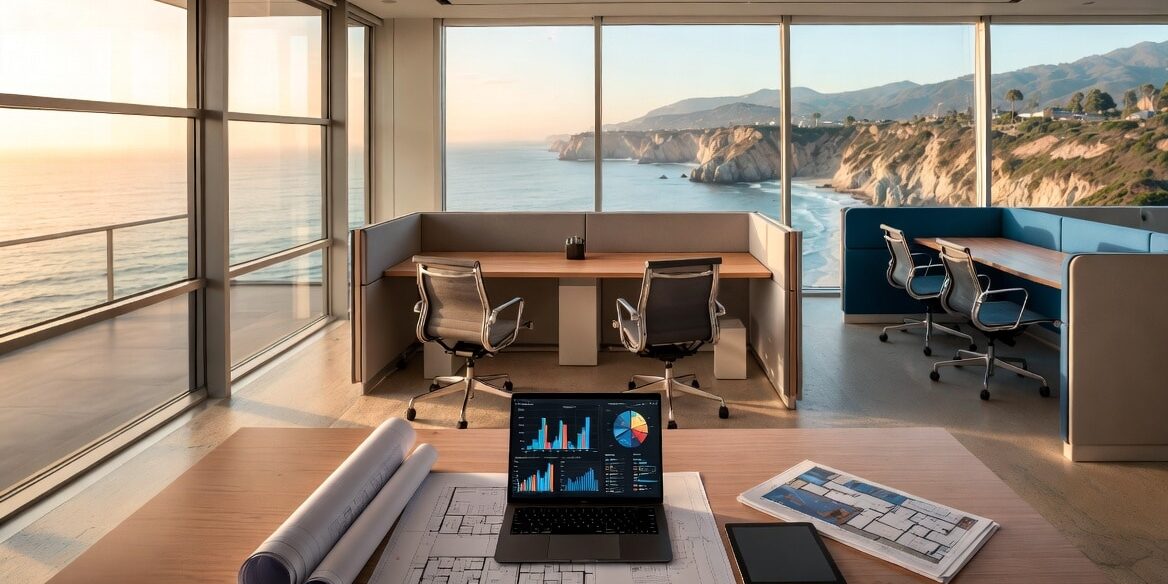
Local flex spaces benefit from this environment. Limited commercial inventory—only a handful of active office and coworking listings totaling under 150,000 square feet—creates scarcity that rewards well-positioned properties. However, competition from nearby areas like Irvine or Newport Beach means Laguna Beach owners must differentiate through beach-centric design and adaptability to seasonal demand. Market analysis reveals that tenants here prioritize biophilic elements (natural light, ocean views), wellness features, and tech-enabled flexibility over sheer square footage. Without data-driven insights, renovations risk missing these preferences, leading to underutilized spaces in a market where premium properties command 15-25% higher rents post-upgrade.
Why Market Analysis Is Essential Before Any Renovation or Upgrade
Skipping market analysis is like navigating Laguna Beach’s winding coastal roads without a map—you might enjoy the views, but you risk costly detours. Renovations in flex spaces typically cost $50 to $150 per square foot, depending on scope, and downtime during construction can erode revenue. In Orange County’s evolving commercial real estate landscape, where office conversions and adaptive reuse are rising, poorly targeted upgrades can result in prolonged vacancies or suboptimal returns.
A solid market analysis mitigates these risks by aligning your project with real demand. It uncovers tenant preferences—such as the growing need for hybrid setups among creatives and remote workers—while forecasting economic shifts. In Laguna Beach, where tourism drives 5,000+ jobs and significant local tax revenue, analysis helps you capitalize on seasonal peaks. For instance, upgrades that support pop-up events or short-term rentals during festival seasons can boost occupancy by 20-30%.
Moreover, analysis supports financial projections. Recent Orange County reports show modest 1-4% appreciation in premium coastal markets for 2026, with luxury segments in Laguna Beach outperforming. Properties that incorporate energy-efficient systems or flexible layouts see faster lease-ups and higher tenant retention. Ultimately, this process ensures compliance with local regulations, identifies competitive edges, and delivers strong ROI—often through 15%+ rent increases and enhanced property values.
Step-by-Step Guide to Conducting Market Analysis for Flex Space Renovations
Effective market analysis follows a structured, iterative process. Here’s how to apply it specifically to Laguna Beach flex spaces:
Step 1: Define Your Objectives and Scope. Start by clarifying goals. Are you targeting creative professionals, tourism operators, or hybrid tech teams? Assess your property’s current state—square footage, existing layout, and location advantages like proximity to Pacific Coast Highway or downtown galleries. Gather internal data on past occupancy rates, tenant feedback, and utility costs. In Laguna Beach, objectives might include seasonal adaptability or appealing to high-income users who value sustainability. Set measurable targets, such as achieving 85% occupancy within six months post-renovation.
Step 2: Gather Demographic and Economic Data. Dive into local demographics. Laguna Beach residents skew older (median age around 54) with high per capita incomes near $90,000 and a strong creative class. Use publicly available census data, Orange County economic reports, and tourism statistics to map trends. Factor in broader OC growth: hybrid work has increased demand for flexible offices, while tourism spending supports ancillary businesses. Analyze visitor patterns—peak summer and festival seasons demand spaces that can host events or short-term users. Tools like local chamber of commerce insights or industry surveys reveal that 52% of residents earn over $100,000, favoring premium, lifestyle-oriented workspaces.
Step 3: Analyze Competitor and Supply Trends Map nearby flex spaces and coworking options. Laguna Beach has a boutique scene with limited supply, creating opportunities but also pressure to differentiate. Review vacancy rates (OC-wide around 19% for flex) and rental comps—premium ocean-view suites often lease faster. Identify gaps: many competitors lack advanced tech integration or wellness rooms. In Orange County, larger flex industrial spaces exist, but Laguna’s niche is creative and community-focused. Visit properties anonymously or review market summaries to benchmark features like modular partitions versus outdated fixed offices.
Step 4: Assess Tenant Preferences and Demand Drivers. Survey potential users through focus groups, online polls, or broker networks. In Laguna Beach, tenants crave natural light, sustainable materials, and community hubs—think collaborative lounges with ocean vistas or EV charging for eco-conscious professionals. Hybrid models dominate, so demand flexible desks, private pods, and high-speed internet. Post-pandemic shifts show a 25% rise in hot-desk interest. Factor in the arts community’s needs: spaces for pop-up exhibitions or studio rentals. Economic indicators, like steady tourism recovery and modest interest rate stabilization projected for 2026, signal continued demand for adaptable, inspiring environments.
Step 5: Perform SWOT Analysis and Regulatory Review. Conduct a SWOT (Strengths, Weaknesses, Opportunities, Threats) analysis tailored to your site. Strengths might include beach proximity; weaknesses could be parking limitations. Opportunities include green upgrades amid California’s sustainability mandates. Review zoning, building codes, and environmental regulations—Laguna Beach emphasizes historic preservation and coastal protections. ADA compliance and accessibility upgrades are non-negotiable for broad appeal.
Step 6: Project Financials and ROI Scenarios Model costs versus returns using conservative assumptions. Factor renovation timelines (phased to minimize downtime) and projected rent uplifts. Energy-efficient HVAC or LED lighting can cut operating costs by 20%, while aesthetic refreshes aligned with Laguna’s artistic vibe boost perceived value. Run scenarios: best-case (festival-driven occupancy spikes) versus worst-case (off-season dips). Aim for payback within 3-5 years, common in OC’s resilient premium markets.
Step 7: Validate with Stakeholder Input and Iterate. Consult brokers, architects, and potential tenants. Test concepts via virtual renderings. Revisit analysis quarterly, as markets evolve—2026 forecasts predict balanced growth with inventory increases of 10-15% regionally.
Key Market Factors Unique to Laguna Beach and Orange County
Laguna Beach’s coastal location amplifies certain factors. Tourism volatility requires flexible designs for year-round viability. Sustainability is paramount—California’s green building standards favor upgrades like solar-ready roofs or water-efficient fixtures, which appeal to environmentally conscious tenants and yield long-term savings.
Competition from OC’s broader flex market (stronger in industrial corridors) pushes Laguna owners toward niche positioning: biophilic design, art integrations, and wellness amenities. Economic resilience is high; median home prices near $3.3 million reflect buyer strength that trickles into commercial demand. Challenges include limited inventory and high construction costs, but opportunities abound in adaptive reuse of older retail or office buildings.
High-ROI Renovations and Upgrades Informed by Market Analysis
Data-driven choices maximize impact. Prioritize modular walls for reconfigurable layouts, which support hybrid needs and command premium rents. Energy upgrades (smart thermostats, efficient lighting) deliver quick ROI through lower bills and green certifications. Aesthetic enhancements—coastal-inspired finishes, large windows, and natural materials—align with Laguna’s vibe and attract creative tenants.
Wellness features like meditation pods or outdoor workspaces tap into lifestyle demands. Tech infrastructure (high-speed fiber, smart booking systems) future-proofs spaces. Phased approaches, such as updating common areas first, minimize disruption while testing market response. In one hypothetical Laguna example, a flex studio that added collaborative ocean-view lounges and sustainable finishes saw occupancy rise 25%, and rents increase 18% within a year.
Overcoming Challenges and Common Pitfalls
High costs and regulatory hurdles are real, but analysis helps prioritize. Avoid over-customization without data—generic upgrades fail in a discerning market. Partner with local experts for nuanced insights. Monitor macro trends like interest rate moderation, which could spur more leasing activity in 2026.
Conclusion: Turning Analysis into Action for Lasting Success
Conducting market analysis for renovations and upgrades in Laguna Beach flex spaces transforms guesswork into strategy. By deeply understanding local demographics, tenant needs, and competitive dynamics, owners can create high-demand properties that deliver exceptional returns in one of Orange County’s most desirable markets. The result? Thriving spaces that enhance community vibrancy, support economic growth, and provide strong financial performance.
As you plan your next project, remember: the most successful flex spaces evolve with the market. Start with data, stay agile, and let Laguna Beach’s unique spirit guide your vision. Whether you’re refreshing a downtown studio or reimagining a beach-adjacent property, informed renovations will position your investment for sustained success in this dynamic coastal enclave.