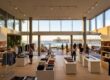
Flexible workspaces, often called flex spaces or coworking environments, have transformed how businesses and independent professionals operate in Santa Ana, California. Located in the heart of Orange County, Santa Ana offers a vibrant mix of historic charm in areas like Old Towne and modern commercial districts near major freeways and John Wayne Airport. These spaces—ranging from converted warehouses and office buildings to adaptive reuse projects—cater to startups, remote workers, small teams, and hybrid operations. However, the dynamic nature of flex spaces introduces unique risks: variable occupancy, shared surfaces, frequent layout changes, seismic activity common to California, wildfire threats amplified by Santa Ana winds, fire code compliance, accessibility requirements, and liability concerns from multiple users.
Renovating these spaces creatively while embedding robust risk management strategies can turn potential vulnerabilities into strengths. Smart renovations not only enhance safety and compliance but also boost tenant retention, reduce insurance premiums, minimize downtime during emergencies, and create appealing environments that command premium rates in a competitive Orange County market. This comprehensive guide explores innovative renovation ideas tailored to Santa Ana’s flex spaces, focusing on seismic resilience, fire safety, health and hygiene, accessibility, operational flexibility, and long-term sustainability. With the 2025 California Building Standards Code taking effect on January 1, 2026, now is the ideal time for property owners and operators to plan upgrades that align with local Santa Ana building permits, Orange County Fire Authority (OCFA) standards, and ADA requirements.
Understanding the Risk Landscape in Santa Ana Flex Spaces
Santa Ana’s flex spaces face a confluence of natural, operational, and regulatory risks. California’s seismic standards demand attention to structural integrity, especially in older buildings undergoing adaptive reuse. Earthquakes can cause significant damage, and without proper retrofits, owners risk high deductibles or uncovered losses—typical earthquake insurance deductibles range from 10-20% of replacement value. Wildfires, exacerbated by seasonal Santa Ana winds, pose additional threats through smoke infiltration, evacuation challenges, and vegetation management needs near commercial properties.
Operational risks in shared environments include higher potential for slips, trips, falls, surface contamination, and overcrowding during peak hours. Variable tenant mixes mean fluctuating occupant loads, which impact egress paths, fire sprinkler demands, and HVAC systems. Liability exposure increases with multiple users; premises liability lawsuits can arise from inadequate maintenance or non-compliance with the California Building Code (CBC), Title 24 accessibility rules, or OCFA fire codes requiring automatic sprinklers, interconnected smoke alarms, and emergency lighting in most commercial occupancies.
Insurance considerations are critical. Specialized policies for coworking spaces should cover property damage, business interruption, cyber risks (from shared tech infrastructure), and general liability. Proactive renovations that demonstrate risk mitigation can lead to better coverage terms and lower premiums amid California’s challenging insurance market influenced by natural disasters.
Local regulations add layers: Santa Ana’s Building Safety Division handles permits for building, plumbing, electrical, and mechanical work. Projects must comply with updated codes effective 2026, including energy efficiency, green building standards, and accessibility. Zoning in mixed-use or industrial/flex districts encourages rehabilitation but requires careful planning for parking, occupant loads, and conditional-use approvals.
Creative renovations address these by integrating safety features seamlessly into appealing, functional designs—avoiding the “sterile institutional” look while future-proofing operations.
Creative Renovation Idea 1: Modular and Reconfigurable Layouts for Adaptive Risk Control
One of the most powerful renovation strategies for flex spaces is shifting from fixed layouts to modular systems. Movable walls, reconfigurable desks on casters, stackable or foldable furniture, and demountable partitions allow quick adaptations to changing occupant needs without major structural work. This flexibility directly mitigates risks associated with overcrowding or underutilization.
In a Santa Ana flex space, install acoustic modular panels or undulating wave-like partitions that not only divide collaboration zones from focus areas but also improve sound control, reducing noise-related distractions and potential conflicts among users. These partitions can incorporate writable surfaces or integrated power/data ports, minimizing cable trip hazards. For seismic resilience, choose lightweight, non-structural modules anchored with flexible connections that absorb movement rather than rigid fixtures that could fail.
Risk management benefits include easier maintenance of clear egress paths—modular elements can be repositioned during inspections or emergencies. During high-occupancy events, zones can expand or contract to maintain safe distancing or occupant loads per fire code. Post-renovation, operators can reconfigure spaces rapidly for different tenant types (e.g., creative agencies needing open collaboration versus legal teams requiring privacy pods), reducing vacancy risks and revenue loss.
Implementation tip: Partner with local contractors familiar with Santa Ana permits. Start with a pilot zone in a 5,000–10,000 sq ft space, budgeting $50–$150 per square foot depending on materials. This approach supports hybrid work trends projected into 2026, where spaces must flex daily between focused work, team huddles, and events.
Creative Renovation Idea 2: Biophilic and Wellness-Integrated Designs with Built-In Safety
Incorporating living walls, indoor plants, maximized natural light via larger windows (while respecting any historic guidelines in Old Towne Santa Ana), and ergonomic furniture creates inviting environments that enhance user well-being and indirectly manage health risks. Plants improve indoor air quality by filtering pollutants and reducing CO2—crucial in shared spaces with variable ventilation demands and post-wildfire smoke concerns.
Creative twists include “wellness zones” with standing desks, meditation nooks, or small fitness areas using modular mats and equipment on wheels. Integrate sanitization stations discreetly into these zones—touchless dispensers, UV sanitizing cabinets for shared tools, and high-efficiency HVAC upgrades with MERV-13 or better filters plus air quality monitors. These features address hygiene risks heightened in flex environments and align with Orange County Environmental Health expectations.
For risk reduction, biophilic elements can incorporate non-slip, easy-to-clean flooring and rounded furniture edges to prevent injuries. In seismic zones, secure heavy planters or shelving with flexible restraints or base isolation techniques. Wellness-focused renovations also boost retention; healthy, inspired users are less likely to file complaints or vacate, lowering operational risks.
In Santa Ana’s mild climate, extend this outdoors with courtyard integrations or patios featuring wind-resistant shading and evacuation-friendly layouts. Such designs not only comply with accessibility standards (e.g., ramped transitions, wide pathways) but can qualify for green building incentives under California codes.
Creative Renovation Idea 3: Advanced Fire Safety and Emergency Preparedness Upgrades
Fire risks remain paramount in California. Renovate with creative concealment of safety infrastructure: recessed or decorative sprinkler heads, integrated emergency lighting in architectural coves or along modular partitions, and Knox-Box systems for rapid firefighter access. Use fire-rated movable walls and doors that maintain compartmentation while allowing visual openness through glass elements.
Innovative ideas include smart fire detection systems linked to building apps that notify tenants via mobile alerts and automatically adjust HVAC to contain smoke. In flex spaces, designate multi-purpose rooms that double as safe assembly points with clear signage and accessible routes. For wildfire-prone periods, add air filtration upgrades and interior vegetation management protocols (e.g., fire-resistant plant selections).
Compliance with OCFA and the California Fire Code is non-negotiable—automatic sprinklers are typically required, along with updated alarms and exit signage. Creative renovations can embed these without disrupting aesthetics: hide conduits in ceiling clouds or use wireless systems where possible. Conduct post-renovation drills and maintain detailed records to strengthen insurance claims and reduce liability.
Budget consideration: Fire and life safety upgrades often range from 10-20% of total renovation costs but yield long-term savings through lower premiums and avoided fines.
Creative Renovation Idea 4: Seismic Retrofitting with Aesthetic and Functional Integration
California’s earthquake risk demands creative seismic strengthening that doesn’t sacrifice design appeal. Techniques include base isolators, shear walls disguised as feature elements (e.g., artistic screens or bookshelves with hidden bracing), and flexible utility connections for plumbing and electrical systems.
In Santa Ana flex spaces, retrofit older structures by reinforcing foundations and adding moment-resisting frames while creating open, column-free areas ideal for modular setups. Use fiber-reinforced polymers or damping systems that allow for lighter, more adaptable interiors. These upgrades can qualify for property tax exclusions under California law when approved by local building departments.
Pair seismic work with accessibility improvements—wider doorways, lever handles, and ramp integrations—to address multiple risks simultaneously. Creative visualization: transform structural upgrades into “resilience art” installations, such as exposed braced frames painted as murals, educating tenants on safety while adding character.
Early structural assessments during planning are essential. Santa Ana’s Building Safety Division reviews plans; engaging engineers experienced in CBC seismic provisions ensures smooth permitting.
Creative Renovation Idea 5: Technology-Enabled Monitoring and Smart Risk Systems
Embed IoT sensors for real-time monitoring of occupancy, air quality, temperature, and structural vibrations. Renovate to include scalable tech infrastructure: underfloor or ceiling raceways for easy upgrades, power outlets in modular pods, and app-integrated booking systems that enforce capacity limits to prevent overcrowding risks.
Creative applications: AI-driven predictive maintenance that alerts managers to potential HVAC failures before they affect air quality or fire suppression. Privacy pods with sound masking and biometric access controls reduce unauthorized entry or data breach risks in shared tech setups. For hybrid users, integrate video conferencing nooks with acoustic treatments and reliable power backup (UPS systems or generators compliant with codes).
These smart features support business continuity during disruptions, strengthening insurance positions and appealing to tech-savvy tenants in Orange County.
Creative Renovation Idea 6: Zoning and Acoustic Strategies for Health and Liability Mitigation
Divide spaces into “neighborhoods” or pods using glass partitions, acoustic screens, or living dividers. This zoned approach reduces transmission risks (airborne or surface) while improving focus and collaboration balance. Use materials with antimicrobial coatings or easy-clean surfaces.
Acoustic innovations—like wave panels or fabric-wrapped absorbers—minimize echo and noise complaints, which can escalate to disputes in shared environments. Ensure zones maintain clear sightlines for supervision and emergency visibility, with multiple egress options to avoid bottlenecks.
In Santa Ana projects, align zoning with parking and occupant load calculations per local zoning to avoid compliance issues in mixed-use areas.
Creative Renovation Idea 7: Sustainable and Resilient Materials with Long-Term Risk Benefits
Choose low-VOC, durable, recyclable materials for flooring, furnishings, and finishes. Modular systems made from sustainable sources reduce waste during future reconfigurations. Incorporate solar-ready roofing or smart grids where feasible for energy resilience during outages.
These choices lower environmental risks (e.g., mold from poor moisture control) and appeal to eco-conscious tenants, enhancing marketability. In wildfire contexts, select fire-resistant exteriors and interior materials.
Implementation Roadmap for Santa Ana Projects
- Assessment Phase: Engage architects, engineers, and risk consultants for site audits covering seismic, fire, ADA, and operational hazards. Review Santa Ana General Plan and building codes.
- Design and Permitting: Develop plans emphasizing creative integration of safety. Submit to Santa Ana Building Safety Division and OCFA as needed. Timeline: 3–6 months for approvals.
- Phased Construction: Minimize disruption with modular installation—complete high-traffic areas first. Budget 20–40% contingency for code-driven changes.
- Post-Renovation: Train staff on new systems, update emergency plans, and market the “safe and flexible” features. Monitor insurance impacts.
Expected ROI: Higher occupancy (flex spaces in OC often see demand for well-designed, compliant venues), reduced claims, and differentiation in a market shifting toward hybrid and wellness-focused work.
Conclusion: Turning Risks into Opportunities in Santa Ana’s Flex Economy
Creative renovations that prioritize risk management transform flex spaces in Santa Ana from potential liabilities into resilient, attractive assets. By blending modular flexibility, biophilic wellness, advanced safety tech, seismic intelligence, and sustainable practices, owners can navigate California’s stringent regulations while meeting evolving tenant expectations in 2026 and beyond.
In Orange County’s dynamic economy—driven by proximity to tech, entertainment, and logistics hubs—such investments signal professionalism and foresight. Whether converting a historic building or refreshing a modern warehouse, the key is holistic planning: safety first, creativity second, compliance throughout.
Property managers and developers in Santa Ana should consult local experts early, leverage available incentives for green or seismic upgrades, and view renovations as strategic opportunities rather than costs. The result? Safer, more profitable flex spaces that thrive amid uncertainty, supporting the vibrant community of innovators calling Orange County home.
This approach not only mitigates immediate risks but builds long-term value in an industry where adaptability equals survival. With thoughtful execution, Santa Ana’s flex spaces can lead the way in responsible, innovative workspace design for the hybrid future.