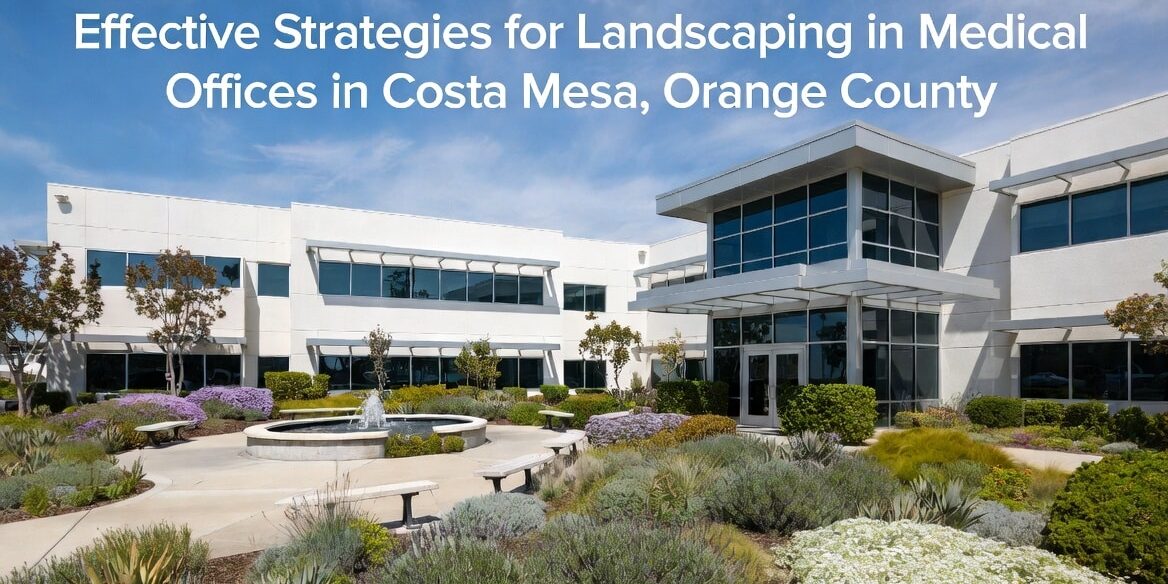
In the bustling heart of Orange County, California, Costa Mesa stands out as a vibrant city known for its blend of professional excellence, coastal charm, and commitment to community well-being. Home to numerous medical offices, clinics, and healthcare facilities, Costa Mesa serves patients from across the region who seek quality care in environments that promote healing and comfort. One often overlooked yet powerful element in creating such spaces is professional landscaping. Well-designed landscapes around medical offices do more than enhance curb appeal—they contribute to patient recovery, reduce stress for staff, improve air quality, and even boost the perceived professionalism of the practice.
This comprehensive guide explores effective strategies for landscaping in medical offices specifically tailored to Costa Mesa’s unique climate, regulations, and community expectations. Whether you manage a small dental clinic on Harbor Boulevard or a larger multi-specialty medical building near South Coast Plaza, implementing thoughtful landscaping can transform your property into a therapeutic oasis. From drought-tolerant plant selections to sustainable irrigation systems and ADA-compliant pathways, these strategies ensure your medical office landscape is functional, beautiful, and compliant with local standards.
Why Landscaping Matters for Medical Offices in Costa Mesa
Healthcare environments are inherently stressful. Patients arriving for appointments may feel anxious about diagnoses, procedures, or long wait times. Staff members work long hours under pressure. Research consistently shows that exposure to nature—even visual access to greenery—can lower cortisol levels, reduce blood pressure, and accelerate healing processes. In Costa Mesa, where the Mediterranean climate brings mild winters and dry summers, strategic landscaping leverages natural elements to create calming outdoor spaces that complement indoor healing environments.
Beyond health benefits, effective landscaping delivers tangible business advantages:
- Increased Property Value: Attractive, well-maintained landscapes can boost commercial property values by 5-15% according to various real estate studies.
- Patient Satisfaction and Retention: First impressions matter. A welcoming entrance with lush yet low-maintenance greenery signals care and attention to detail.
- Staff Well-Being: Outdoor break areas with shade trees and seating encourage mental health breaks, potentially reducing burnout.
- Marketing Edge: In competitive Orange County healthcare markets, distinctive landscaping helps medical offices stand out in online photos and patient reviews.
- Regulatory Compliance: Costa Mesa and Orange County enforce strict water conservation rules, especially post-drought periods. Sustainable landscaping helps meet California’s Model Water Efficient Landscape Ordinance (MWELO) and local codes.
Costa Mesa’s location in USDA Hardiness Zone 10a, with average temperatures ranging from the mid-50s in winter to the high 70s in summer, combined with coastal influences that bring occasional marine layer fog and wind, requires plants and designs that thrive in these conditions while minimizing water use and maintenance.
Understanding Costa Mesa’s Climate and Soil Challenges
Successful landscaping begins with understanding the local environment. Costa Mesa enjoys a coastal Mediterranean climate characterized by:
- Mild, wet winters (average rainfall 10-15 inches annually, mostly November to March)
- Warm, dry summers with minimal rainfall
- Occasional Santa Ana winds bringing hot, dry air and increased fire risk
- Soil types that vary from sandy coastal soils to heavier clay loams inland, often with moderate to low fertility and good drainage near the coast
These conditions favor drought-tolerant, native, and Mediterranean-climate plants that require less irrigation once established. Water restrictions are common in Orange County, making xeriscaping and smart irrigation essential for medical offices aiming for long-term cost efficiency and environmental responsibility.
Key challenges for medical office landscapes include:
- Patient Safety: Avoid thorny plants, toxic species, or tripping hazards near walkways and entrances.
- Allergen Control: Minimize high-pollen plants that could affect patients with respiratory issues.
- Accessibility: Ensure pathways meet ADA standards with smooth surfaces, gentle slopes, and clear signage.
- Maintenance Minimization: Healthcare facilities often have limited budgets and staff for groundskeeping; designs must prioritize low-maintenance features.
- Infection Control: Select plants that don’t harbor excessive pests or require chemical treatments that could impact air quality near entrances.
By addressing these factors upfront, landscape designers can create spaces that support rather than complicate medical operations.
Core Principles of Effective Medical Office Landscaping
Effective landscaping for medical offices in Costa Mesa follows several guiding principles:
- Therapeutic Design: Incorporate biophilic elements—natural materials, views of greenery, water features (where permitted), and sensory gardens that engage sight, sound, and smell gently.
- Sustainability: Use native and climate-appropriate plants, efficient irrigation, mulch, and permeable surfaces to reduce runoff and conserve resources.
- Functionality: Balance aesthetics with practical needs like parking lot screening, wayfinding, staff rest areas, and patient drop-off zones.
- Compliance: Adhere to Costa Mesa municipal codes, Orange County guidelines, California Building Code (CBC) for accessibility, and any HOA or medical-specific regulations.
- Scalability: Designs should accommodate future expansion or changes in medical services.
These principles ensure landscapes are not just decorative but actively contribute to a healing environment.
Strategy 1: Selecting the Right Plants for Costa Mesa Medical Offices
Plant selection is the foundation of any successful landscape. For medical offices, prioritize species that are:
- Drought-Tolerant and Low-Water: Once established, many California natives require minimal supplemental irrigation.
- Non-Toxic and Safe: Avoid plants with berries, thorns, or sap that could harm children or immunocompromised patients.
- Low-Allergen: Choose plants with inconspicuous flowers or those known for lower pollen production.
- Evergreen or Year-Round Interest: Maintain visual appeal throughout the year in Costa Mesa’s mild climate.
- Pest-Resistant: Reduce the need for pesticides near healthcare entrances.
Recommended Plant Palette for Costa Mesa
Trees (for shade, screening, and structure):
- Coast Live Oak (Quercus agrifolia) – Native, evergreen, provides excellent shade and habitat.
- California Sycamore (Platanus racemosa) – Fast-growing with attractive bark, but manage leaf drop near walkways.
- Olive Tree (Olea europaea) – Drought-tolerant, Mediterranean feel; fruitless varieties preferred to avoid mess.
- Brisbane Box (Lophostemon confertus) – Evergreen, wind-resistant, low litter.
Shrubs and Hedges (for privacy, screening parking areas, and definition):
- Toyon (Heteromeles arbutifolia) – Native, red berries in winter (non-toxic in small quantities), bird-friendly.
- California Lilac (Ceanothus spp.) – Beautiful blue/purple blooms, very drought-tolerant.
- Pittosporum (Pittosporum tenuifolium) – Dense evergreen for hedges; ‘Silver Sheen’ variety is popular.
- Grevillea (Grevillea spp.) – Attracts hummingbirds with long blooming periods.
Groundcovers and Perennials (for color, erosion control, and filler):
- California Poppy (Eschscholzia californica) – State flower, drought-tolerant, seasonal orange blooms.
- Lantana (Lantana camara) – Continuous color, attracts butterflies; sterile varieties available.
- Dymondia (Dymondia margaretae) – Tough, low-growing, salt-tolerant groundcover.
- Santa Barbara Daisy (Erigeron karvinskianus) – Delicate white/pink flowers, spreads gently.
Succulents and Agaves (for modern, low-maintenance xeriscapes):
- Agave attenuata – Soft, non-spiny varieties ideal near patient areas.
- Sedum and Crassula species – Varied textures and colors with minimal water needs.
- Aloe vera – Medicinal appeal, but place carefully to avoid spine issues.
Avoid highly invasive species like certain ice plants or fountain grasses that can escape into natural areas, and steer clear of high-water plants like traditional lawns unless using artificial turf or drought-resistant varieties in limited areas.
For medical offices, consider creating “healing gardens” with aromatic herbs like lavender (low-allergen varieties), rosemary, and sage that provide calming scents without overwhelming pollen.
Strategy 2: Implementing Smart Irrigation and Water Management
Water conservation is non-negotiable in Southern California. Costa Mesa follows Orange County’s strict water use guidelines, and medical offices must demonstrate efficient practices to avoid fines and support community sustainability goals.
Effective irrigation strategies include:
- Drip Irrigation Systems: Deliver water directly to plant roots, reducing evaporation and runoff. Ideal for shrubs, trees, and groundcovers.
- Smart Controllers: Weather-based systems (e.g., ET controllers) that adjust watering based on real-time local weather data from Costa Mesa stations. Many integrate with soil moisture sensors.
- Zoning: Separate zones for high-water vs. low-water plants, trees vs. groundcovers, and sun vs. shade areas.
- Mulching: Apply 3-4 inches of organic mulch (e.g., shredded bark or arbor chips) around plants to retain moisture, suppress weeds, and moderate soil temperature.
- Graywater Systems: Where permitted by Costa Mesa building codes, reuse treated wastewater for landscape irrigation (check current regulations as they evolve).
- Rainwater Harvesting: Install cisterns to capture roof runoff during wet winters for supplemental irrigation.
Regular audits and maintenance of irrigation systems prevent waste. Many Costa Mesa landscape professionals recommend annual inspections, especially before the dry season.
For parking lots and large paved areas common around medical buildings, incorporate permeable pavers or bioswales to manage stormwater and filter pollutants before they reach the ocean via Costa Mesa’s drainage systems.
Strategy 3: Designing Functional and Accessible Outdoor Spaces
Medical offices serve diverse populations, including elderly patients, those with mobility aids, and families with children. Landscapes must prioritize accessibility and safety.
Key design elements:
- ADA-Compliant Pathways: Minimum 36-inch wide walkways with firm, stable surfaces (concrete, decomposed granite with stabilizers, or pavers). Slopes no steeper than 1:20 for ramps where needed. Provide rest areas with benches every 100-200 feet.
- Patient Drop-Off Zones: Landscaped medians or islands with low-profile plants that don’t obstruct visibility. Use trees for shade over waiting areas.
- Staff and Visitor Seating Areas: Create shaded courtyards or pocket gardens with comfortable benches made from durable, easy-to-clean materials. Incorporate subtle water features (fountains or bubblers) for calming white noise, ensuring they comply with noise ordinances.
- Wayfinding: Use low, clearly visible plant masses or colored foliage to guide visitors from parking to entrances without confusion.
- Lighting: Solar-powered or low-voltage LED path lights for evening safety and security, crucial for offices with extended hours.
- Signage Integration: Blend landscape elements with directional signs, ensuring plants don’t obscure important information.
In Costa Mesa’s commercial zones, check zoning requirements for setbacks, parking lot landscaping percentages (often 10-20% of paved areas must be landscaped), and screening of mechanical equipment or dumpsters.
Strategy 4: Sustainable and Eco-Friendly Practices
Sustainability aligns perfectly with healthcare’s mission to “do no harm” and extends to the environment.
Recommended practices for Costa Mesa medical offices:
- Native Plant Landscaping: Incorporate California natives to support local pollinators and reduce maintenance. Organizations like the California Native Plant Society offer resources specific to Orange County.
- Integrated Pest Management (IPM): Use biological controls, beneficial insects, and minimal targeted treatments instead of broad-spectrum chemicals.
- Composting and Organic Amendments: Improve soil health with compost to reduce fertilizer needs.
- Green Roofs or Walls: Where structurally feasible, vertical gardens or living walls can insulate buildings, improve air quality, and add visual interest to blank walls facing patient rooms.
- Biodiversity Enhancement: Include bird-friendly plants and insect hotels in less-trafficked areas to promote ecological balance.
- Carbon Sequestration: Larger trees and healthy soil store carbon, contributing to broader climate goals.
Many Costa Mesa medical practices pursue LEED or WELL Building certifications, where advanced landscaping features can earn valuable points.
Strategy 5: Maintenance and Long-Term Management Plans
Even the best-designed landscape fails without proper ongoing care. For medical offices with busy administrators, outsourcing to professional landscape management companies familiar with Costa Mesa regulations is often the most efficient approach.
Essential maintenance components:
- Seasonal Schedules: Pruning in late winter/early spring, mulch refresh in fall, irrigation adjustments quarterly.
- Weed and Pest Control: Proactive monitoring to catch issues early without disrupting patients.
- Fertilization: Use slow-release, organic-based products applied sparingly.
- Tree Care: Professional arborist inspections for mature trees, especially after wind events.
- Budget Planning: Allocate 5-10% of property management budget annually for landscape maintenance to prevent costly replacements.
- Technology Integration: Use apps or IoT sensors for remote monitoring of irrigation and plant health.
Develop a written maintenance manual specific to your property, including plant lists, irrigation maps, and emergency contacts. Partner with local certified landscape contractors who understand healthcare sensitivities—such as scheduling noisy work outside patient hours.
Case Studies: Successful Landscaping in Costa Mesa Medical Facilities
While specific project names are often confidential, several medical office complexes in Costa Mesa demonstrate excellent principles:
- Properties near Newport Beach borders often feature elegant Mediterranean-inspired designs with olive trees, lavender borders, and decomposed granite paths that evoke calm and sophistication.
- Offices along Bristol Street have successfully converted traditional turf areas to native meadows and succulent gardens, significantly cutting water bills while maintaining professional appearances.
- Multi-tenant medical buildings near the 405 freeway use dense evergreen screens to buffer traffic noise and pollution, creating quieter micro-environments for patients.
These examples show that blending functionality with beauty is achievable within Costa Mesa’s regulatory framework and budget constraints.
Common Mistakes to Avoid in Medical Office Landscaping
To ensure success, steer clear of these pitfalls:
- Overplanting with high-maintenance species that lead to constant upkeep or replacement.
- Ignoring water restrictions and installing thirsty lawns or annual flowers.
- Placing plants too close to building foundations, causing root damage or moisture issues.
- Using bright, high-contrast colors that may overwhelm patients with sensory sensitivities.
- Neglecting long-term growth—failing to account for mature sizes of trees and shrubs leads to overcrowding or safety hazards.
- Skipping professional design input, resulting in non-compliant or ineffective layouts.
Consulting with a licensed landscape architect or designer experienced in commercial healthcare projects early in the planning process can prevent expensive errors.
Budgeting and Implementation Tips for Costa Mesa Medical Offices
Initial landscaping costs for medical offices typically range from $8-$25 per square foot depending on complexity, materials, and scope. Factors influencing cost include:
- Site preparation (soil amendment, grading)
- Hardscape elements (paths, seating, lighting)
- Plant material quality and size
- Irrigation system sophistication
- Permitting and compliance fees
To optimize budgets:
- Phase implementation: Start with high-visibility areas like entrances and parking lot islands.
- Choose larger specimen plants for instant impact in key zones, supplemented with smaller, faster-growing fillers.
- Leverage local incentives or rebates for water-efficient landscapes through Orange County Water District or Costa Mesa programs.
- Consider public-private partnerships or community grants for green space enhancements.
Return on investment often materializes through higher occupancy rates, positive patient feedback, and reduced utility and maintenance expenses over 3-5 years.
The Future of Medical Office Landscaping in Costa Mesa
As Costa Mesa continues to grow— with new medical developments responding to population increases and healthcare demands—landscaping will evolve toward even greater integration of technology and wellness. Expect wider adoption of:
- AI-powered irrigation and plant health monitoring
- Pollinator-friendly and edible landscapes (in secure staff areas)
- Climate-resilient designs anticipating hotter, drier conditions
- Biophilic interiors that extend outdoors through large windows and transitional spaces
Healthcare providers who invest in thoughtful landscapes position themselves as leaders in holistic patient care, recognizing that healing happens not only inside exam rooms but also in the environments patients and staff experience daily.
Conclusion: Creating Healing Landscapes in Costa Mesa
Effective landscaping for medical offices in Costa Mesa, Orange County, goes far beyond aesthetics. It represents a commitment to patient-centered care, environmental stewardship, and operational excellence. By selecting appropriate plants, implementing smart water management, designing accessible and functional spaces, embracing sustainability, and planning for consistent maintenance, medical facility managers can create outdoor environments that truly support healing.
Whether undertaking a complete redesign or incremental improvements, partnering with local experts knowledgeable about Costa Mesa’s specific climate, codes, and community values ensures optimal results. In a city where innovation meets coastal living, medical offices have the opportunity to set new standards for how built environments nurture human health and well-being.
Investing in quality landscaping today pays dividends in healthier patients, happier staff, stronger community presence, and a more resilient property for years to come. Start by assessing your current landscape against these strategies, then develop a phased plan tailored to your medical office’s unique needs and vision.
For medical practices in Costa Mesa seeking to enhance their outdoor environments, the time to act is now. Transform your medical office into a beacon of care—inside and out—through strategic, thoughtful landscaping that reflects the excellence of Orange County healthcare.