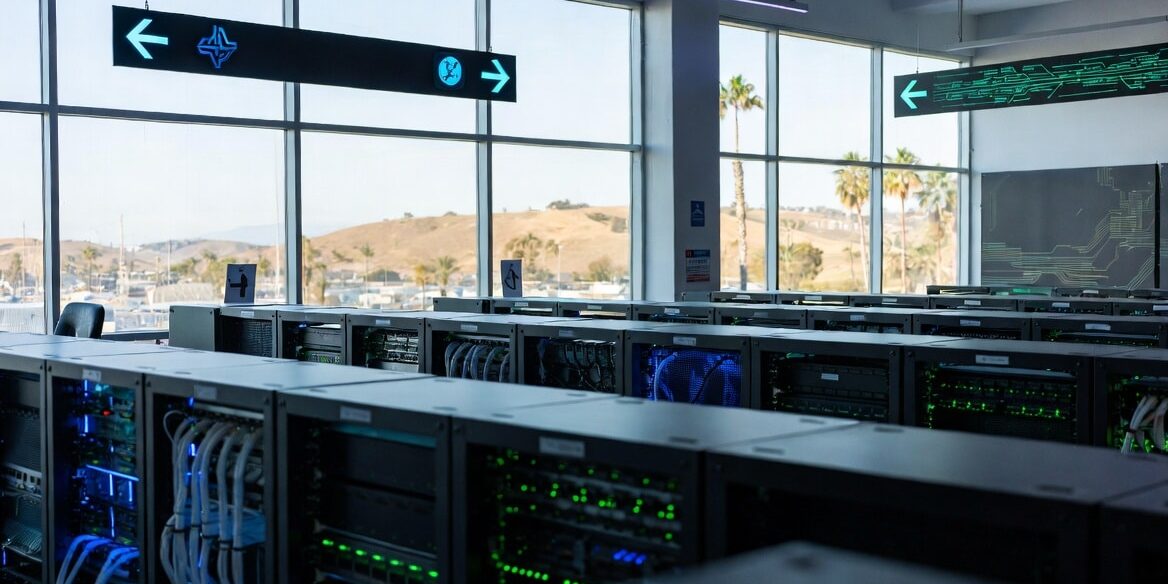
In the heart of Orange County, California, Lake Forest has emerged as a strategic hub for technology infrastructure, particularly data centers. With its proximity to major transportation corridors like the 5 and 241 freeways, access to reliable power sources, and a business-friendly environment, Lake Forest offers an ideal location for data center operations. As the demand for cloud computing, AI-driven services, and secure data storage continues to surge, facility owners and operators in this region face unique challenges in managing high-tech environments while maintaining operational efficiency, security, and a professional image.
Signage and branding play a pivotal role in these facilities. Beyond mere aesthetics, effective signage ensures safety, streamlines operations, enhances visitor experiences, and reinforces brand identity in an industry where precision and reliability are paramount. This comprehensive guide explores proven strategies for implementing signage and branding solutions tailored specifically to data centers in Lake Forest, Orange County. Whether you’re a facility manager, IT director, or executive overseeing data center developments in the area, these insights will help optimize your infrastructure for both functionality and visual impact.
Understanding the Unique Environment of Data Centers in Lake Forest
Lake Forest’s data centers benefit from Southern California’s stable climate and infrastructure advantages, but they also operate under strict regulatory frameworks. Facilities here must comply with local building codes, fire safety standards from the Orange County Fire Authority, and industry-specific guidelines such as those from the Uptime Institute or TIA-942 standards for data center design.
Data centers are complex ecosystems featuring server rooms with raised floors, cooling systems, backup generators, and intricate cabling networks. The environment is highly controlled—temperature, humidity, and airflow are meticulously monitored to prevent equipment failure. In this setting, signage cannot be an afterthought. It must withstand harsh conditions like electromagnetic interference, dust, and occasional exposure to cleaning chemicals, while remaining clearly visible under varying lighting conditions, from bright server aisles to dimly lit maintenance areas.
Branding in such technical spaces serves multiple purposes: it humanizes the facility for clients and employees, differentiates the operator from competitors, and communicates core values such as security, sustainability, and innovation. In Lake Forest, where several data centers serve regional enterprises in finance, healthcare, and entertainment sectors, strong branding can turn a utilitarian building into a landmark of technological excellence.
The Importance of Strategic Signage in Data Center Operations
Effective signage in data centers goes far beyond labeling doors. It is a critical component of operational excellence, risk mitigation, and compliance.
1. Safety and Compliance Signage
Safety is non-negotiable in data centers. High-voltage electrical systems, cryogenic cooling agents, and heavy equipment demand clear, standardized warnings. In Lake Forest, signage must align with OSHA regulations, NFPA fire codes, and California Title 24 energy efficiency standards.
Key strategies include:
- High-visibility warning signs for electrical panels, UPS rooms, and generator areas using bold colors (red for danger, yellow for caution) and internationally recognized symbols.
- Emergency exit and evacuation signage with photoluminescent materials that glow in complete power failures—a common requirement in Orange County facilities.
- Floor marking and aisle identification using durable vinyl or epoxy-based tapes that resist forklift traffic and chemical spills. In raised-floor environments typical of Lake Forest data centers, these markings help prevent trips and guide technicians efficiently.
- Hazard communication labels compliant with GHS (Globally Harmonized System) for any chemicals used in cleaning or maintenance.
Implementing a layered approach—permanent wall-mounted signs combined with temporary or modular floor graphics—ensures adaptability as the facility scales. Regular audits, ideally conducted quarterly, help maintain compliance as equipment is upgraded or layouts change.
2. Wayfinding and Operational Signage
Data centers in Lake Forest often span tens of thousands of square feet, with multiple tiers of security zones. Poor wayfinding leads to wasted time, frustration for visiting clients, and potential security breaches.
Effective strategies:
- Zoned color-coding systems: Assign distinct colors to different security levels or functional areas (e.g., blue for administrative offices, green for cooling infrastructure, red for core server halls). This system is particularly useful in multi-tenant facilities common in Orange County.
- Digital and static hybrid signage: While static signs provide reliability during network outages, integrating LED or e-ink displays allows for dynamic updates, such as real-time temperature readings or maintenance alerts.
- Bilingual or multilingual options: With Lake Forest’s diverse workforce drawing from nearby Irvine, Mission Viejo, and Los Angeles, incorporating English and Spanish signage enhances accessibility and inclusivity.
- RFID-enabled or QR code integration: Modern signage can include scannable codes linking to digital asset management systems, allowing technicians to access equipment manuals or maintenance histories instantly via mobile devices.
In practice, successful Lake Forest data centers have reported up to 30% reduction in response times for maintenance crews when comprehensive wayfinding systems are in place.
3. Equipment and Asset Identification
Every rack, cable, PDU, and CRAC unit needs clear labeling to minimize human error. Strategies include:
- Durable, tamper-evident labels made from polyester or vinyl materials rated for extreme temperatures (-40°F to 200°F) and UV exposure.
- Color-coded cable management signage to differentiate fiber, copper, and power lines—crucial in dense cabling environments.
- Hierarchical numbering systems that align with BIM (Building Information Modeling) data for seamless integration with facility management software.
Using standardized fonts like Arial or Helvetica in a minimum 1-inch height ensures legibility from a distance, even when technicians are wearing safety gear.
Branding Strategies Tailored for Data Centers in Lake Forest
While signage focuses on functionality, branding elevates the entire experience, turning a data center into a representation of the company’s values and reliability.
1. Developing a Cohesive Brand Identity
In the competitive Orange County market, where data centers compete for hyperscale clients and colocation tenants, branding must communicate trustworthiness and forward-thinking capabilities.
Core elements:
- Logo placement and scale: Strategic placement of the company logo at entry points, reception areas, and visible from exterior viewpoints reinforces identity without overwhelming the technical aesthetic.
- Color palette alignment: Choose colors that evoke stability (deep blues, grays) and energy (accents of green for sustainability or orange for local Lake Forest pride). Ensure these palettes contrast sufficiently with safety signage to avoid confusion.
- Typography consistency: Select clean, modern sans-serif fonts that convey precision and professionalism. Avoid decorative styles that could reduce readability in operational areas.
- Material selection for branded elements: Use premium materials like brushed aluminum, etched glass, or backlit acrylic for reception and executive areas, while sticking to industrial-grade options for technical spaces.
A well-executed brand book specific to the facility ensures all signage and environmental graphics maintain consistency across expansions or renovations.
2. Visitor and Client Experience Enhancement
Data centers in Lake Forest frequently host tours for potential clients from tech firms in nearby Irvine Spectrum or financial institutions in Newport Beach. Branding opportunities here can make a lasting impression.
Strategies:
- Reception area branding: Create a welcoming yet secure environment with large-format branded walls featuring subtle data visualizations or abstract representations of connectivity and security.
- Interactive elements: Touchscreen kiosks displaying brand stories, sustainability metrics (important in water-conscious California), or live operational dashboards.
- Themed environmental graphics: Subtle murals or vinyl wraps in non-technical areas depicting Lake Forest’s natural surroundings blended with technological motifs—forests meeting circuits—to localize the brand.
- Wayfinding that tells a story: Numbered zones or pathways named after local landmarks or innovation themes, turning navigation into an engaging experience.
Client feedback from Orange County facilities often highlights how thoughtful branding reduces perceived “sterility” of data centers, fostering greater trust and partnership.
3. Sustainability and Community Branding
Lake Forest and broader Orange County emphasize environmental responsibility. Data centers, known for high energy consumption, can leverage branding to showcase green initiatives.
Effective approaches:
- LEED or ENERGY STAR certification displays: Prominently feature plaques and interpretive signage highlighting efficiency measures like free cooling, solar integration, or water recycling systems.
- Community engagement graphics: Exterior signage or interior displays communicating local job creation, partnerships with Saddleback College for workforce development, or support for Orange County environmental programs.
- Transparent metrics: Digital signage showing real-time PUE (Power Usage Effectiveness) scores or carbon footprint reductions, building credibility with eco-conscious clients.
By aligning branding with regional values, data centers position themselves as responsible corporate citizens in Lake Forest.
Material and Technology Considerations for Longevity
Data center environments are unforgiving. Signage and branding elements must endure 24/7 operations, frequent cleaning, and minimal downtime for replacement.
Recommended materials:
- Exterior signage: Weather-resistant aluminum composites or HDPE with UV-protected inks, designed to withstand Santa Ana winds common in Orange County.
- Interior operational signs: Polycarbonate or anodized aluminum with anti-graffiti coatings.
- Branded decorative elements: Powder-coated metals, laminated graphics, or 3M Di-Noc architectural finishes for seamless, cleanable surfaces.
- Advanced options: Photoluminescent, anti-microbial, or electrostatic-dissipative materials for sensitive areas.
Technology integration enhances durability and functionality:
- Smart signage systems: IoT-connected displays that self-update or alert when maintenance is needed.
- Modular designs: Systems using track-mounted or magnetic components for easy reconfiguration as racks are added or removed.
- Augmented reality compatibility: Signage with markers that trigger AR overlays via apps, providing layered information without cluttering physical space.
Budgeting for higher-quality materials upfront typically yields 40-60% lower lifecycle costs due to reduced replacement frequency.
Implementation Best Practices for Lake Forest Data Centers
Successful signage and branding projects in Orange County data centers follow a structured process:
- Needs Assessment and Stakeholder Engagement: Involve facility managers, security teams, IT staff, and marketing departments early. Conduct site audits considering traffic flow, lighting variations, and expansion plans.
- Design Phase: Collaborate with specialized signage firms experienced in critical infrastructure. Develop 3D renderings and mock-ups to visualize impact in real environments.
- Compliance Review: Submit designs for approval by local authorities, including the City of Lake Forest Planning Department and fire marshals.
- Phased Installation: Minimize disruption by installing during scheduled maintenance windows or in sections. Use temporary signage during transitions.
- Training and Documentation: Provide staff training on signage usage and maintain digital records of all assets for future reference.
- Ongoing Maintenance Plan: Schedule annual inspections and cleaning protocols tailored to the facility’s cleaning schedule.
Case studies from similar facilities in nearby Irvine and Aliso Viejo demonstrate that integrated signage projects can improve operational efficiency by 15-25% while enhancing brand perception scores in client surveys.
Measuring Success and ROI
To justify investments in signage and branding, establish clear KPIs:
- Operational metrics: Reduction in wayfinding time, fewer safety incidents, faster equipment location.
- Compliance metrics: Audit pass rates and zero findings related to labeling.
- Brand metrics: Client satisfaction scores, employee engagement surveys, and media mentions of the facility as a “showcase” operation.
- Financial metrics: Decreased downtime costs, improved tenant retention rates, and premium pricing potential for well-branded colocation spaces.
In Lake Forest’s growing data center market, facilities with superior signage and branding consistently command higher occupancy rates and stronger partnerships with regional enterprises.
Future Trends in Data Center Signage and Branding
Looking ahead, several innovations will shape the industry in Orange County:
- AI-powered adaptive signage: Systems that adjust messages based on occupancy, time of day, or detected anomalies.
- Immersive branding experiences: Virtual reality tours complemented by physical branded environments.
- Circular economy approaches: Use of recyclable or biodegradable materials for temporary signage to align with sustainability goals.
- Integration with digital twins: Signage linked to 3D facility models for predictive maintenance and virtual wayfinding.
Data center operators in Lake Forest who adopt these forward-thinking strategies will stay ahead in a rapidly evolving technological landscape.
Conclusion
Effective signage and branding in data centers located in Lake Forest, Orange County, represent far more than cosmetic enhancements. They are strategic investments that enhance safety, operational efficiency, client confidence, and long-term brand value. By combining rigorous compliance with creative, localized branding approaches, facility leaders can transform their technical infrastructure into powerful assets that reflect innovation, reliability, and community integration.
As Lake Forest continues to attract data center investments due to its strategic location, robust infrastructure, and supportive business climate, those who prioritize thoughtful signage and branding will distinguish themselves in a competitive market. Whether undertaking a new build, retrofit, or ongoing optimization, the principles outlined here provide a roadmap for success.
For data center operators in Lake Forest seeking to implement these strategies, partnering with experienced local vendors familiar with Orange County regulations and the unique demands of high-density computing environments is essential. The result will be facilities that not only protect critical data but also proudly showcase the excellence of Southern California’s technology sector.