

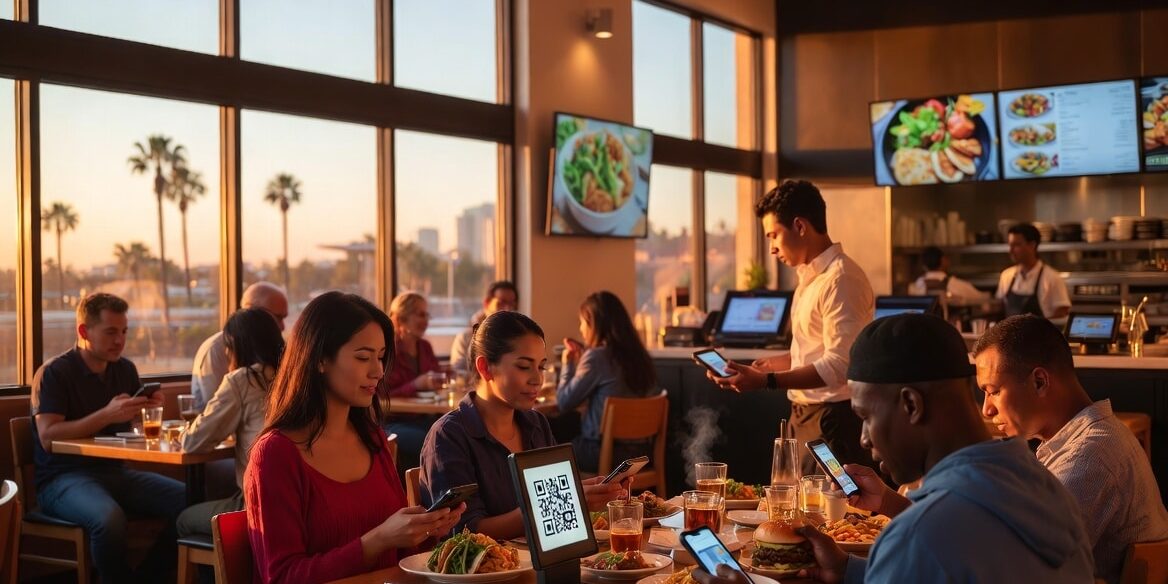
Anaheim, California, stands as one of the most vibrant hubs for the food service industry in Orange County. Home to Disneyland Resort, the Anaheim Convention Center, Angel Stadium, and a thriving tourism economy, the city draws millions of visitors annually who expect fast, convenient, and personalized dining experiences. Local restaurants, cafes, quick-service eateries, and fine-dining establishments face unique pressures: high seasonal foot traffic, intense competition, labor shortages, and the constant need to deliver exceptional service while maintaining profitability. In this environment, strategic technology adoption has become not just an advantage but a necessity for survival and growth.
The restaurant industry in Anaheim and broader Orange County has undergone rapid digital transformation, accelerated by the COVID-19 pandemic and evolving customer expectations. According to industry reports, restaurants that effectively integrate technology see improvements in operational efficiency, customer satisfaction, and revenue. This comprehensive guide explores proven strategies for leveraging technology in Anaheim’s food service sector, tailored to the local market’s unique characteristics—tourist-heavy demand, diverse demographics, and proximity to major entertainment venues.
1. Implementing Robust Point-of-Sale (POS) Systems
A modern POS system forms the backbone of any successful restaurant operation in Anaheim. Traditional cash registers are obsolete in a city where speed and accuracy matter, especially during peak hours near Disneyland or convention events.
Key Benefits for Anaheim Restaurants:
- Real-time inventory tracking to prevent stockouts during busy tourist seasons
- Integrated payment processing with contactless options (Apple Pay, Google Pay, credit cards)
- Detailed sales analytics broken down by time, item, and server performance
- Seamless integration with kitchen display systems (KDS) to reduce order errors
Popular POS solutions suitable for Orange County establishments include Toast, Square for Restaurants, Lightspeed, and Clover. Many Anaheim restaurants have adopted Toast because of its strong focus on hospitality and built-in online ordering capabilities. For smaller cafes or food trucks operating near the Anaheim Packing District or Downtown Disney, Square offers low-cost entry with scalable features.
Implementation Tips:
- Choose cloud-based POS for remote access, crucial for multi-unit operators managing locations in Anaheim, Buena Park, and Garden Grove.
- Train staff thoroughly—labor turnover is high in tourist areas, so intuitive interfaces reduce training time.
- Integrate with loyalty programs to capture repeat local customers alongside one-time visitors.
Restaurants that upgraded their POS systems report 15-25% reductions in order processing time and significant decreases in voids and comps, directly impacting the bottom line in a high-rent market like Anaheim.
2. Online Ordering and Delivery Integration
With platforms like DoorDash, Uber Eats, and Grubhub dominating the delivery space, Anaheim restaurants must optimize their presence on third-party marketplaces while building direct online ordering channels to protect margins.
Strategic Approaches:
- Direct Online Ordering: Implement branded websites or apps (using platforms like GloriaFood, ChowNow, or Toast Online Ordering) that bypass high commission fees (often 15-30%). This is especially important for Anaheim establishments serving hotel guests and convention attendees who prefer direct channels.
- Menu Optimization for Delivery: Create “delivery-only” items or bundles tailored to tourists—quick, shareable plates that travel well from areas like the Resort District to hotels in the Platinum Triangle.
- Partnership Management: Use multi-integration tools such as Otter.ai or OrderBlaster to manage orders from multiple platforms without overwhelming kitchen staff.
Local success stories include eateries in the Anaheim GardenWalk and Downtown Anaheim that saw 30-40% revenue growth from delivery during off-peak seasons by combining third-party services with their own ordering systems.
Data-Driven Insight: In Orange County, delivery orders spike during evenings and weekends, aligning with theme park closing times. Smart scheduling of kitchen prep based on predictive analytics helps manage these surges.
3. Reservation and Waitlist Management Systems
Anaheim’s dining scene includes everything from character breakfasts near Disneyland to upscale steakhouses. Efficient reservation technology prevents lost revenue from no-shows and overbooking.
Recommended tools:
- OpenTable or Resy for fine-dining and mid-scale restaurants
- Yelp Reservations or custom solutions for casual spots
- Waitlist management apps like Nowait or Yelp Waitlist for walk-ins during busy periods
Advanced Features to Leverage:
- Automated text/email confirmations and reminders to reduce no-show rates by up to 50%
- Integration with CRM systems to recognize VIP guests (frequent convention visitors or annual passholders)
- Dynamic pricing or priority seating options during peak events like D23 Expo or food festivals
For family-oriented restaurants in Anaheim, family-friendly features such as high-chair requests or allergy notations in reservation notes add significant value.
4. Kitchen Automation and Efficiency Tools
Labor shortages remain a persistent challenge in Orange County’s restaurant industry. Technology that automates repetitive tasks helps maintain service quality without increasing headcount.
Effective Solutions:
- Kitchen Display Systems (KDS): Replace paper tickets with digital screens that route orders directly from POS to kitchen stations, reducing errors and ticket times.
- Automated Cooking Equipment: Sous-vide machines, combi-ovens with programmable settings, and robotic arms for high-volume tasks (e.g., pizza assembly or French fry stations) are gaining traction.
- Inventory Management Software: Tools like Restaurant365 or MarketMan provide real-time tracking, automated reordering, and waste reduction analytics—critical when food costs fluctuate due to supply chain issues affecting California restaurants.
Anaheim operators near the convention center have successfully implemented KDS to handle large group orders efficiently, cutting kitchen ticket times by 20-30% during banquet-style service.
5. Customer Relationship Management (CRM) and Loyalty Programs
Building loyalty in a transient tourist market like Anaheim requires smart data utilization.
Strategies:
- Deploy CRM platforms such as SevenRooms, Lavu, or Toast Loyalty to segment customers: locals vs. tourists, repeat visitors vs. first-timers.
- Personalized marketing via email/SMS: Send targeted offers to Anaheim residents during slow seasons or special packages for Disneyland ticket holders.
- Mobile loyalty apps that reward points for visits, allowing redemption at multiple locations for chain operators.
Data privacy compliance (CCPA in California) must be prioritized, with clear opt-in mechanisms and transparent policies.
6. Contactless and Mobile Payment Innovations
Post-pandemic customer preferences favor minimal physical contact, particularly in high-traffic tourist zones.
Implementation:
- QR code table ordering and payment (using solutions like TouchBistro or QR-integrated POS)
- Self-service kiosks at quick-service locations near Angel Stadium or the Honda Center
- NFC-enabled terminals supporting all major digital wallets
These technologies not only speed up service but also improve hygiene perception—an important factor for families visiting Anaheim.
7. Data Analytics and Business Intelligence
Successful Anaheim restaurants treat data as a strategic asset.
Key Applications:
- Predictive analytics for staffing: Forecast busy periods based on Disneyland attendance, convention schedules, and local events.
- Menu engineering using sales mix reports to identify high-profit items and underperformers.
- Customer behavior analysis to optimize table turnover and seating layouts.
Platforms like Restaurant365, MarginEdge, or custom dashboards built with Google Data Studio help operators make informed decisions quickly.
8. Marketing Technology and Digital Presence
In competitive Orange County, visibility is everything.
Digital Marketing Tools:
- SEO-optimized websites highlighting proximity to major attractions (“5 minutes from Disneyland”)
- Google Business Profile management with regular updates and review responses
- Social media scheduling tools (Hootsuite, Buffer) and paid advertising targeting tourists searching for “restaurants near Disneyland”
- Influencer marketing platforms to connect with food bloggers visiting Anaheim
Email marketing automation (Mailchimp or Klaviyo) keeps local customers engaged year-round.
9. Cybersecurity and Data Protection
With increased technology use comes greater risk. Anaheim restaurants handling credit card data and customer information must implement strong security measures:
- PCI DSS compliance for all payment systems
- Regular staff training on phishing awareness
- Secure cloud backups and multi-factor authentication
- Cyber insurance tailored to the hospitality industry
10. Emerging Technologies on the Horizon
Looking ahead, Anaheim’s forward-thinking food service operators are exploring:
- AI-powered chatbots for customer service and reservations
- Computer vision for inventory monitoring
- Voice ordering systems
- Sustainable tech solutions like energy management systems to reduce utility costs in California’s high-energy-price environment
- Augmented reality menus for family entertainment venues
Challenges Specific to Anaheim and Orange County
- Seasonal Demand Fluctuations: Technology must support scalable operations—easy to ramp up during summer and holidays, easy to scale down otherwise.
- High Real Estate Costs: Efficient tech use helps maximize revenue per square foot.
- Labor Market Competition: Automation and intuitive tools help attract and retain younger workers comfortable with technology.
- Regulatory Environment: Compliance with California labor laws, health codes, and data privacy requires tech solutions with built-in reporting features.
Best Practices for Successful Technology Adoption
- Start with Assessment: Conduct a thorough audit of current operations and pain points before investing.
- Prioritize Integration: Choose solutions that work together seamlessly rather than isolated tools.
- Invest in Training: Allocate budget for ongoing staff education—technology fails when users are uncomfortable.
- Measure ROI: Set clear KPIs (table turnover rate, labor cost percentage, online order margin, customer satisfaction scores) and review quarterly.
- Scale Gradually: Pilot new technologies in one location or during slow periods before full rollout.
- Partner Locally: Work with Orange County-based IT consultants or resellers familiar with hospitality needs in the region.
Case Studies from Anaheim and Orange County
While specific proprietary data varies, many local operators report transformative results. Quick-service concepts near the Resort District using integrated POS and delivery systems have increased average order values by 12-18%. Family restaurants implementing reservation tech reduced wait times and improved guest satisfaction scores. Fine-dining spots leveraging CRM saw higher repeat visitation from local professionals living in nearby Irvine and Newport Beach.
Conclusion: Technology as a Competitive Edge in Anaheim’s Food Scene
In Anaheim and Orange County’s dynamic restaurant landscape, technology is no longer optional. From streamlining operations with advanced POS and kitchen systems to building lasting customer relationships through CRM and loyalty programs, strategic tech adoption enables businesses to thrive amid challenges like labor shortages, fluctuating tourism, and rising costs.
Restaurant owners and managers who approach technology thoughtfully—aligning tools with specific business goals, local market conditions, and customer expectations—position themselves for sustainable success. The key lies in viewing technology not as a cost center but as an investment in efficiency, customer delight, and long-term profitability.
For Anaheim food service businesses ready to embrace the future, the time to act is now. Evaluate your current systems, identify gaps, and develop a phased technology roadmap tailored to your concept, whether it’s a bustling tourist-facing eatery or a neighborhood gem serving the local community. By doing so, you’ll not only survive but excel in one of Southern California’s most exciting and competitive dining markets.