

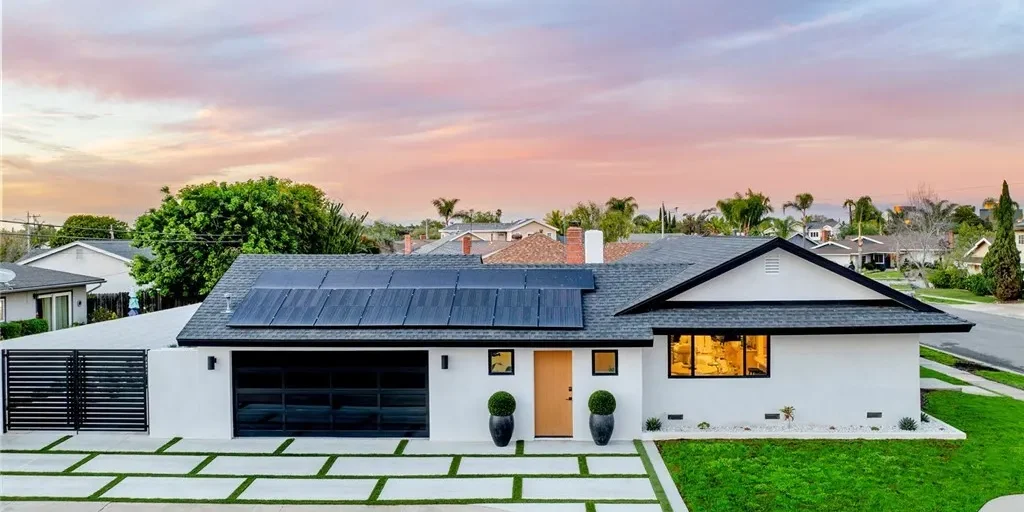
In the heart of Orange County’s sun-drenched coastline, where the Santa Ana River whispers secrets to the Pacific Ocean, lies Westside Costa Mesa—a neighborhood that feels like a secret handshake between urban cool and natural serenity. Picture this: mid-century modern bungalows with flat roofs that catch the golden hour glow, eclectic street art splashed across garage doors, and a vibe that’s equal parts surf-shack casual and artist-loft chic. It’s the kind of place where you can score a vintage Vespa at a weekend flea market and pedal it to a hidden beach cove without breaking a sweat. But beneath this laid-back facade, Westside Costa Mesa is quietly revolutionizing how we live with the planet. Sustainable living here isn’t a buzzword—it’s a lifestyle woven into the fabric of the community, from solar-kissed rooftops to community gardens blooming with native wildflowers.
As climate change nudges us all toward more mindful choices, Westside stands out as a beacon for eco-conscious dreamers. With its proximity to Fairview Park—a sprawling 208-acre ecological preserve teeming with hiking trails, birdwatching spots, and restored habitats—residents aren’t just living sustainably; they’re immersed in it. In this blog post, we’ll dive deep into the sustainable secrets of Westside Costa Mesa properties, exploring everything from energy-efficient homes to zero-waste initiatives. Whether you’re a prospective buyer eyeing that charming fixer-upper on 18th Street or a current resident wondering how to amp up your green game, buckle up. By the end, you’ll see why this slice of SoCal paradise isn’t just a place to live—it’s a blueprint for tomorrow.
The Eclectic Soul of Westside: A Neighborhood Ripe for Green Innovation
Westside Costa Mesa defies easy categorization. Bordered by the Santa Ana River to the west and bustling 19th Street to the east, it’s a mosaic of single-family homes, cozy condos, and trendy townhouses that draw young families, artists, and remote workers alike. Unlike the polished perfection of nearby Newport Beach, Westside embraces imperfection: think cracked sidewalks lined with succulents, DIY murals celebrating local surf legends, and pop-up markets hawking upcycled furniture. This eclectic energy fosters a community that’s inherently collaborative—perfect soil for sustainable seeds to take root.
Historically, Westside boomed in the post-WWII era as a haven for aerospace workers, sprouting those iconic flat-roofed ranch-style homes that scream mid-century modern. Today, with median home prices hovering around $1.2 million (a steal compared to coastal neighbors), it’s attracting millennials and Gen Zers who prioritize walkability and wellness over McMansions. What sets it apart for sustainable living? It’s natural assets. Fairview Park isn’t just a green lung; it’s a living classroom. Recent city efforts to restore acres of mesa habitat—complete with native plantings and wildlife corridors—underscore Costa Mesa’s commitment to biodiversity. Residents here wake up to the rustle of eucalyptus groves and the call of endangered least terns, a daily reminder that sustainability starts at your doorstep.
But it’s not all poetry and pollinators. Westside’s evolution reflects broader SoCal challenges: water scarcity, urban heat islands, and the push for equity in green spaces. The City of Costa Mesa, which earned LEED for Cities Gold certification in 2021, has been a trailblazer, scoring points across categories like energy efficiency, waste diversion, and equitable development. Their Climate Action & Adaptation Plan, updated in recent years, targets a 45% greenhouse gas reduction by 2030, with Westside at the forefront through targeted grants for solar retrofits and community solar arrays. In a neighborhood where “affordable” often means creative financing for eco-upgrades, these initiatives level the playing field, making green living accessible to all.
Solar-Powered Dreams: Energy Efficiency in Westside Homes
Let’s talk roofs—specifically, the kind that double as power plants. In Westside Costa Mesa, solar panels are as ubiquitous as beach cruisers. Many newer developments come pre-wired for photovoltaic systems, capitalizing on California’s endless sunshine to slash energy bills by up to 70%. Imagine sipping morning coffee on your balcony, knowing your toaster is fueled by the same rays warming your face. Properties here often boast net-zero energy designs, where on-site generation meets or exceeds consumption, thanks to incentives from state programs.
Take a typical Westside ranch remodel: Original 1950s bones get a green glow-up with spray-foam insulation, double-paned windows, and smart thermostats that learn your habits better than your barista. Energy-efficient features include EV-ready garages in townhomes and passive solar orientations that maximize winter warmth and summer shade. One standout example is a recently built duplex featuring battery storage and a microgrid hookup for outage-prone storm seasons. Homeowners report ROI in under seven years, plus that warm fuzzy feeling of reducing their carbon footprint by 10 tons annually.
Beyond panels, Westside properties shine in whole-home efficiency. LED lighting is standard, but savvy owners go further with occupancy sensors and app-controlled shades. The Costa Mesa Green Building Team mandates features like high-efficiency HVAC in new builds. For renters, communal solar offsets and energy audits keep things equitable—proving green doesn’t have to mean gourmet-kitchen pricey.
Of course, challenges persist. Retrofitting older homes can cost $20,000–$50,000 upfront, but rebates from utilities and federal tax credits make it feasible. In Westside’s tight-knit blocks, neighborhood co-ops pool funds for bulk installs, turning skeptics into solar evangelists overnight.
Water-Smart Yards: Conserving the Blue Gold
Water: SoCal’s eternal drama queen. In drought-prone Westside, sustainable properties treat it like the precious resource it is. Gone are the thirsty lawns of yesteryear; in their place, drought-tolerant xeriscapes burst with color year-round. Agaves, aloes, and California poppies create low-maintenance oases that sip just 20% of traditional turf’s H₂O. Properties on the market flaunt these eco-chic landscapes, often with permeable pavers that let rainwater recharge aquifers instead of flooding streets.
Smart irrigation is the unsung hero. Drip systems synced to weather apps deliver precision watering, while greywater setups from showers and sinks nourish fruit trees—think Meyer lemons ripening without a drop from the tap. A Westside family retrofitted their 1960s bungalow for $5,000, cutting outdoor use by 60% and harvesting thousands of gallons of rainwater annually via rooftop barrels.
The city’s organic waste diversion rules push composting, enriching community gardens that dot the Westside like edible jewels. Fairview Park’s wetlands restoration doubles as a natural filtration system, filtering stormwater before it hits the river. For property owners, this means lower bills (average savings: $300/year) and higher resilience against the megadroughts ahead.
Greening the Commons: Community Initiatives That Bind
Sustainability in Westside isn’t solitary—it’s social. The neighborhood pulses with initiatives that turn “me” into “we.” Volunteers host monthly clean-ups along the river trail, hauling e-waste to recycling depots and planting milkweed for monarch butterflies.
Events feature clothes swaps, seed libraries, and zero-waste workshops, fostering habits that stick. Affordable housing projects integrate solar commons and bike shares, ensuring low-income families access green perks. With Costa Mesa’s overarching sustainability push—focusing on equity and resilience—Westside residents vote with their forks at farm-to-table spots sourcing from local regenerative farms.
These efforts yield tangible wins: Reduced urban heat (thanks to hundreds of new trees in recent years), stronger social ties, and a noticeable uptick in resident satisfaction. It’s proof that in Westside, going green builds not just a better planet, but a better block party.
Zero-Waste Warriors: Reducing, Reusing, and Thriving
Waste? In Westside, it’s the enemy we befriend. Properties here lean into circular living: composting bins in every backyard, curbside organics collection hitting high diversion rates citywide. Eco-materials rule renovations—reclaimed wood for cabinetry, recycled glass countertops that sparkle like sea foam. One innovative flip used shipping containers for a guest unit, slashing embodied carbon significantly.
Community hauls target plastics, with pop-ups trading junk for jewels. Even “trash” fuels the grid through regional waste-to-energy systems. The result? Landfills lighter, creativity heavier—think upcycled surfboards as coffee tables.
Wheels of Change: Sustainable Mobility in Motion
Forget gridlock; Westside rolls green. With bike lanes threading to the beach and electric buses humming along major corridors, car dependency dips. Properties boast EV chargers—standard in many new builds—and car-share pods cut household vehicles by one. E-bikes make Fairview’s hills a breeze, while live-work lofts keep commutes to the kitchen.
Your Green Starter Kit: Tips for Westside Living
Ready to join? Start small:
- Audit Your Pad — Use free city tools for energy audits—uncover leaks worth hundreds in savings.
- Plant Native — Swap grass for deer grass; join seed swaps at the farmers market.
- Commute Clever — Pledge to car-free Fridays; snag an e-bike rebate.
- Waste Not — Master composting—turn scraps into soil gold.
- Advocate — Back local climate plans; volunteer for habitat days.
These tweaks compound, turning your Westside nest into a net-positive haven.
Tides of Tomorrow: Why Westside Leads the Way
Westside Costa Mesa isn’t chasing sustainability—it’s surfing it. From solar sails to shared soils, this neighborhood proves you can have coastal cool without cooking the planet. As we face fiercer fires and rising seas, places like this remind us: Green living is luxurious, equitable, and downright fun. So, whether you’re touring open houses or tending your tomatoes, embrace the wave. Westside’s future is bright, resilient, and verdantly yours.