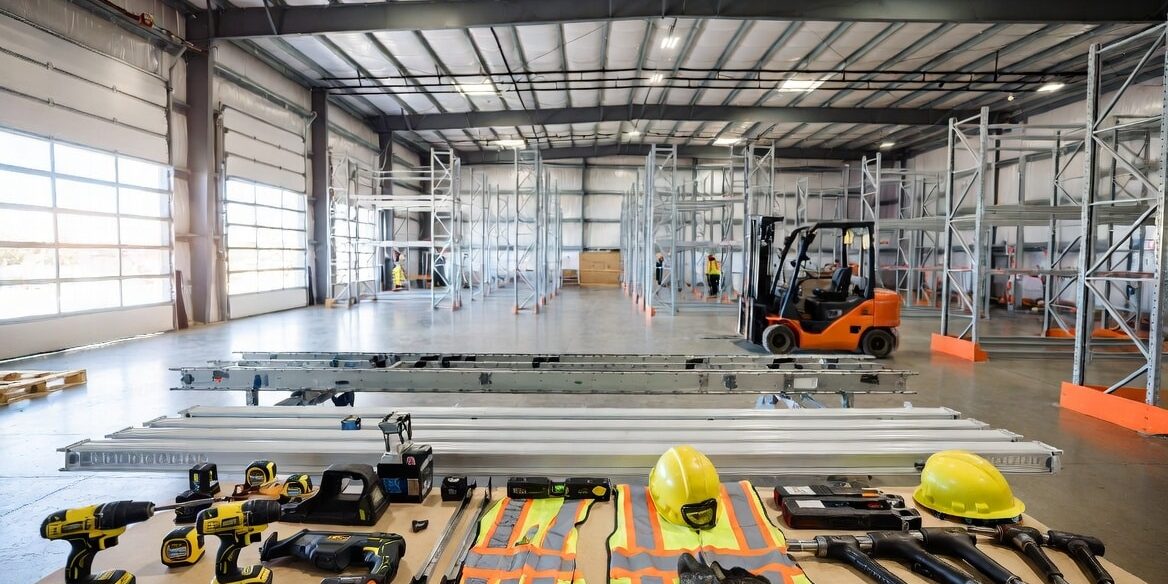
Brea, California, in the heart of Orange County, stands as a strategic logistics hub in Southern California. With its proximity to major freeways like the 57 and 91, access to ports in Long Beach and Los Angeles, and a growing industrial footprint, Brea hosts significant distribution operations. Facilities such as the Albertsons Distribution Center on Puente Street and newer developments, including Amazon’s approved DJT4 parcel delivery facility on Valencia Avenue, underscore the area’s importance for warehousing and last-mile delivery.
As e-commerce demand surges and supply chains evolve, many warehouse operators in Brea and throughout Orange County are undertaking renovations and upgrades. These projects modernize aging infrastructure, boost efficiency, enhance safety, and ensure compliance with stringent California regulations, including Cal/OSHA standards. Whether converting an older office building into a distribution center or refreshing an existing facility, the right tools and equipment are critical for minimizing downtime, controlling costs, and delivering long-term value.
This comprehensive guide explores the essential tools, equipment, and systems for warehouse renovations and upgrades. It covers everything from structural and material handling solutions to advanced technology and safety measures, tailored to the unique needs of Brea’s industrial landscape.
Why Renovate or Upgrade Warehouses in Brea?
Brea’s warehouses face common challenges: older facilities with limited vertical space, outdated lighting and HVAC systems, inefficient layouts, and evolving safety requirements. Renovations address these issues while capitalizing on opportunities like automation to handle higher throughput.
Key drivers for upgrades in Orange County include:
- Efficiency Gains: Optimizing space and workflows to reduce order fulfillment times.
- Safety and Compliance: Meeting OSHA and Cal/OSHA mandates to avoid fines and protect workers.
- Sustainability: Implementing energy-efficient systems amid California’s strict environmental goals.
- Scalability: Preparing for future growth in e-commerce and parcel delivery, as seen with recent Amazon projects in Brea.
- Cost Savings: Reducing labor, energy, and maintenance expenses over time.
Successful renovations begin with thorough planning, including site assessments, traffic flow analysis, and future-proofing for technologies like robotics.
1. Structural and Storage Systems: Building the Foundation
The backbone of any warehouse upgrade is robust storage and structural solutions. Renovations often involve maximizing cubic space in Brea’s industrial buildings, many of which feature high ceilings but underutilized vertical areas.
Essential Tools and Equipment:
- Pallet Racking Systems: Selective, drive-in, push-back, and pallet flow racks allow dense storage. During renovations, install modular racking that adapts to changing inventory. Cantilever racks suit long or bulky items common in distribution centers.
- Mezzanines and Multi-Level Platforms: These add usable square footage without expanding the building footprint. Ideal for Brea facilities with sufficient ceiling height, mezzanines create additional storage or office space while maintaining forklift access below.
- Industrial Shelving and Modular Storage: Boltless shelving and high-density systems like vertical lift modules or carousels optimize small parts storage.
- Guardrails, Safety Netting, and Rack Protection: Essential for preventing falls and collisions. Install during structural upgrades to comply with safety standards.
Renovation Tips: Conduct a detailed rack inspection and load analysis before installation. In seismic-prone Southern California, ensure racking meets California Building Code requirements for anchoring and bracing.
These systems can increase storage capacity by 50% or more, directly impacting profitability for Brea-based distributors.
2. Material Handling Equipment: Moving Goods Efficiently
Material handling forms the core of warehouse operations. Upgrades here reduce manual labor and speed up receiving, picking, and shipping.
Key Tools:
- Forklifts and Powered Pallet Jacks: Electric or lithium-ion models for indoor use minimize emissions and noise. Narrow-aisle forklifts maximize space in renovated layouts.
- Conveyor Systems: Roller, belt, and flexible conveyors streamline product flow from receiving docks to shipping areas. Spiral and vertical conveyors save floor space.
- Automated Guided Vehicles (AGVs) and Autonomous Mobile Robots (AMRs): These self-navigating units handle repetitive transport tasks. Integrating them during renovation requires floor preparation and sensor-friendly environments.
- Hand Trucks, Dollies, Carts, and Lift Tables: Essential for smaller loads and ergonomic workstations. Ergonomic lift tables reduce strain during packing.
Upgrade Considerations for Brea: With heavy truck traffic near major highways, ensure dock areas support efficient material flow. Plan pathways to separate pedestrian and vehicle traffic, a common safety focus in Orange County warehouses.
3. Dock and Loading Area Equipment: The Gateway to Operations
Loading docks are high-traffic zones prone to wear. Renovations often prioritize dock modernization for safety and speed.
Essential Equipment:
- Dock Levelers, Plates, and Boards: Hydraulic or mechanical levelers accommodate varying truck heights.
- Dock Seals, Shelters, and Bumpers: Protect against weather and damage while maintaining temperature control in refrigerated or climate-sensitive facilities.
- Yard Ramps and Wheel Chocks: For outdoor or temporary loading needs.
- Dock Lights and Fans: Improve visibility and air circulation.
In Brea’s distribution centers, efficient docks directly support faster turnaround times for parcel and freight operations.
4. Packing, Shipping, and Processing Tools
Efficient packing stations minimize errors and packaging waste.
Must-Have Tools:
- Packing Tables and Workstations: Height-adjustable models with integrated scales and label printers.
- Stretch Wrap Machines, Strapping Tools, and Banding Equipment: Automated wrappers increase consistency and speed.
- Industrial Scales and Barcode/Label Printers: Ensure accurate weighing and tracking.
- Void Fill and Cushioning Systems: For fragile or e-commerce shipments.
Integrating these with ergonomic designs improves worker productivity during upgrades.
5. Warehouse Technology and Automation: The Future-Proof Upgrade
Modern renovations increasingly incorporate smart technologies to stay competitive.
Core Systems:
- Warehouse Management Systems (WMS): Software for real-time inventory tracking, order management, and labor optimization. Cloud-based solutions integrate easily during upgrades.
- Barcode Scanners, RFID Readers, and Voice-Picking Technology: Reduce picking errors dramatically.
- Automated Storage and Retrieval Systems (AS/RS): High-density solutions for fast retrieval in high-volume distribution centers.
- IoT Sensors and Data Analytics Tools: Monitor temperature, humidity, equipment health, and energy use.
- Lighting Upgrades: LED fixtures with motion sensors cut energy costs by up to 50% and improve visibility. Smart controls adjust based on occupancy.
For Brea facilities handling grocery or temperature-sensitive goods (like Albertsons operations), climate control and monitoring tools are particularly vital.
6. Safety and Security Equipment: Non-Negotiable Priorities
Safety upgrades protect employees and reduce liability. California’s rigorous standards make this category essential.
Essential Tools:
- Personal Protective Equipment (PPE) Stations: Helmets, gloves, high-visibility vests, and safety harnesses.
- Fire Suppression Systems, Alarms, and Emergency Lighting: Updated during structural renovations.
- Guardrails, Floor Markings, and Anti-Slip Flooring: Clearly delineate aisles and hazardous areas.
- Security Cameras, Access Control, and Motion Sensors: Enhance perimeter and interior monitoring.
- Safety Software and Inspection Tools: Digital platforms for checklists, incident reporting, and OSHA compliance tracking. These automate audits and training records.
Best Practices: Incorporate anti-fatigue mats, ergonomic workstations, and proper ventilation. Regular safety training and mock drills should accompany physical upgrades.
7. Maintenance and Facility Management Tools
Ongoing upkeep ensures renovations deliver sustained benefits.
Recommended Equipment:
- HVAC and Climate Control Systems: Energy-efficient units with smart thermostats.
- Flooring Solutions: Polished concrete, epoxy coatings, or rubber mats for durability and comfort.
- Cleaning and Maintenance Carts: Equipped with industrial vacuums and scrubbers.
- Predictive Maintenance Tools: Vibration sensors and software that forecast equipment failures.
In Orange County’s variable climate, robust HVAC prevents inventory damage and supports worker comfort.
Planning and Executing Successful Renovations in Brea
A phased approach minimizes disruption:
- Assessment Phase: Evaluate current layout, structural integrity, and bottlenecks.
- Design and Permitting: Work with local Brea officials for permits, especially for changes impacting traffic or environment.
- Implementation: Schedule upgrades during off-peak hours. Use modular systems for faster installation.
- Testing and Training: Commission new equipment and train staff thoroughly.
- Post-Upgrade Optimization: Monitor performance with data analytics and adjust as needed.
Budget-friendly options include LED lighting retrofits, basic racking expansions, and WMS software implementation before full automation.
Benefits of Investing in the Right Tools
Well-executed upgrades in Brea warehouses yield:
- Higher throughput and order accuracy.
- Reduced operational costs through energy savings and lower injury rates.
- Improved employee satisfaction and retention.
- Better compliance and resilience against supply chain disruptions.
- Increased property value and appeal to tenants or buyers.
Local examples, such as the transformation of former office spaces into modern distribution facilities, demonstrate how targeted investments create efficient, future-ready operations.
Conclusion: Building Smarter Warehouses in Orange County
Renovating and upgrading warehouse and distribution centers in Brea requires a strategic mix of traditional tools and cutting-edge technology. From heavy-duty racking and material handling equipment to intelligent WMS platforms and comprehensive safety systems, the essential tools outlined here form a roadmap for success.
Operators in Brea benefit from the area’s logistics advantages but must stay proactive amid rapid industry changes. By prioritizing efficiency, safety, and scalability, warehouse owners can transform their facilities into high-performing assets that support Southern California’s dynamic economy.
Whether undertaking a minor refresh or a full-scale overhaul, partnering with experienced contractors familiar with Orange County regulations ensures smooth execution. Invest wisely in these essential tools today to secure a more productive, safer, and competitive tomorrow for your Brea distribution center.