

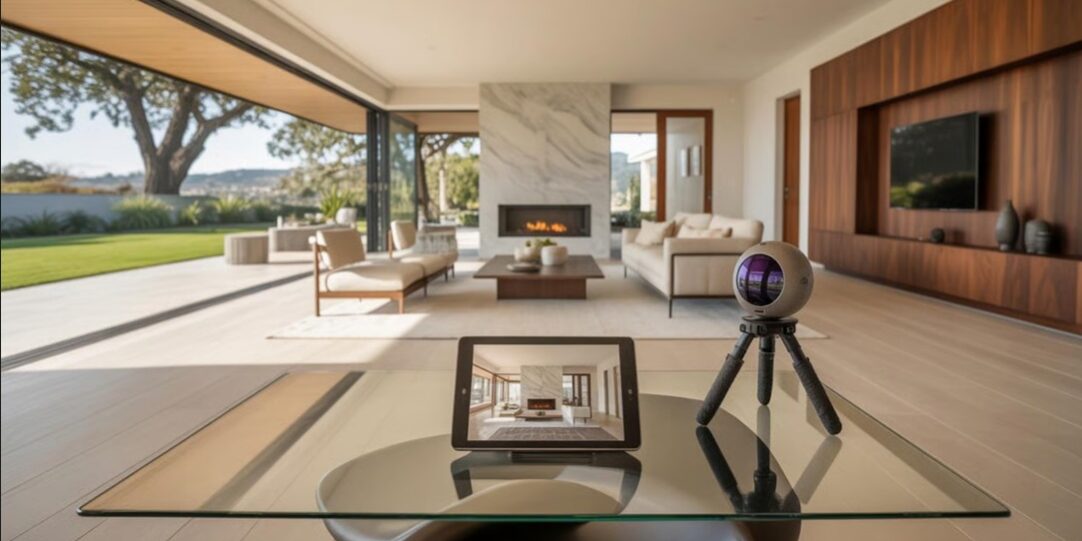
In today’s real estate market, virtual tours have transformed how people buy and sell homes, especially in desirable areas like Westside Costa Mesa. As we move through 2026, these digital experiences are no longer optional—they’re essential. Buyers can explore properties from anywhere without scheduling in-person visits, while sellers gain a powerful way to showcase homes and attract serious interest quickly. This in-depth guide covers everything you need to know about Westside Costa Mesa real estate, the current market conditions, why virtual tours matter so much in this neighborhood, how they’re created, real-world applications, and what the future holds for this technology. Whether you’re searching for your next home or preparing to list a property, understanding virtual tours can give you a significant advantage.
Discovering Westside Costa Mesa: A Neighborhood on the Rise
Westside Costa Mesa occupies a prime location in central Orange County, California. Positioned west of Harbor Boulevard and near the Santa Ana River, it offers a compelling mix of urban convenience and residential appeal. The neighborhood features a variety of housing types, including mid-century single-family homes, newly constructed condos, townhomes, and converted live-work spaces.
Residents benefit from excellent connectivity: quick access to the 405 Freeway, proximity to John Wayne Airport, and short drives to major shopping destinations like South Coast Plaza. Cultural and recreational highlights include the OC Fair & Event Center grounds and nearby parks such as TeWinkle Park. In recent years, former industrial pockets have evolved into vibrant districts filled with craft breweries, restaurants, art spaces, and community events. This ongoing revitalization has increased the area’s desirability and supported steady property value growth.
Housing options in Westside Costa Mesa are diverse. Many single-family homes sit on generous lots with room for expansion or accessory dwelling units (ADUs). Condos and townhomes provide more accessible price points, often within gated communities that include pools, fitness centers, and landscaped common areas. The neighborhood’s zoning policies make it attractive for buyers interested in rental income potential or multi-generational living arrangements. Compared to the more established Eastside Costa Mesa, Westside continues to offer greater affordability combined with strong upside potential as redevelopment continues.
The 2026 Real Estate Market in Westside Costa Mesa
As of early 2026, the Westside Costa Mesa housing market shows signs of stabilization after several years of rapid appreciation. Median sale prices have risen modestly year-over-year, landing around the $1.3 million mark. Price per square foot has increased more noticeably, reflecting demand for well-located properties with good square footage.
Homes are spending slightly longer on the market than they did during peak pandemic years—typically around 40–45 days—but still move faster than the national average. Sales volume has increased compared to the previous year, with more transactions occurring each month. Inventory levels have improved, giving buyers more choices while keeping competition meaningful for desirable listings.
Westside Costa Mesa remains more affordable than many neighboring coastal communities. Single-family homes often start in the high $900,000s to low $1.1 million range for properties needing some updates, while fully remodeled or newer builds frequently exceed $1.5 million. Condos and townhomes typically range from approximately $650,000 for smaller units to $1.2 million or more for larger three-bedroom configurations.
Several factors support continued interest in the area: improving mortgage rates, growth in local creative and tech-related employment, and the ongoing transformation of Westside into a more lifestyle-oriented neighborhood. For investors and homeowners alike, the combination of location, redevelopment momentum, and relative value compared to surrounding markets makes Westside Costa Mesa an appealing place to buy or sell in 2026.
The Evolution and Importance of Virtual Tours in Real Estate
Virtual tours have evolved dramatically over the past decade. Early versions consisted of basic 360-degree photo sequences, but today’s offerings deliver fully immersive 3D walkthroughs that feel remarkably close to being physically present in the home. Many platforms now incorporate high-resolution imagery, floor plans, measurement tools, and even virtual staging options.
In competitive markets like Westside Costa Mesa, virtual tours serve as a critical differentiator. Properties featuring high-quality digital tours tend to generate significantly more online views, longer engagement times, and faster sales. They allow potential buyers—especially those relocating from out of state or internationally—to evaluate homes thoroughly before committing to travel or in-person showings. For local buyers juggling busy schedules, virtual tours provide an efficient way to narrow down options.
Major listing platforms have made virtual tours standard practice. Properties in Costa Mesa frequently include these immersive experiences, helping highlight architectural details, natural light, outdoor spaces, and unique neighborhood characteristics that static photos alone cannot convey as effectively.
Benefits of Virtual Tours for Buyers and Sellers
Virtual tours deliver clear advantages for both sides of the transaction.
For buyers, the biggest benefit is convenience. You can tour multiple properties in a single sitting without leaving home, saving time and travel costs. This is particularly valuable in a market where desirable homes receive multiple offers quickly. Interactive features let you examine details closely, take virtual measurements, and get a realistic sense of layout and flow—reducing the risk of disappointment during in-person visits. Virtual tours also improve accessibility for people with mobility limitations or those living far from the area.
For sellers, virtual tours expand marketing reach and improve listing performance. Homes with immersive tours typically receive more inquiries and showings from qualified buyers who have already previewed the property digitally. This leads to fewer casual lookers and more serious interest. In Westside Costa Mesa, where many homes have unique features like large yards, ADU potential, or proximity to new commercial developments, virtual tours showcase these selling points effectively. They also reduce the need for constant physical showings, offering privacy and convenience while the property remains on the market.
Overall, properties with virtual tours tend to sell faster and often at higher prices because they reach a broader audience and create stronger emotional connections with prospective buyers.
Step-by-Step Guide: How to Create Virtual Tours for Your Home
Producing a professional-quality virtual tour has become surprisingly accessible, even for homeowners and agents working on a budget.
- Select Equipment and Software: Choose between a dedicated 360-degree camera (such as models from Insta360 or Ricoh) or smartphone-based solutions. Free or low-cost apps like Zillow 3D Home make it easy to get started without specialized hardware.
- Prepare the Property Declutter thoroughly, deep clean, and stage rooms to look their best. Maximize natural light by opening blinds and curtains. Remove personal items to help buyers envision themselves in the space.
- Capture the Content. Position the camera at eye level (approximately 5 feet high) using a tripod. Move systematically through the home, capturing a panorama in each major room and hallway. Include exterior shots of the front, backyard, and any notable outdoor features. Shoot during daylight hours for the best lighting.
- Process and Edit Upload the captured images to your chosen platform. Most modern tools use AI to automatically stitch panoramas, label rooms, add floor plans, and create a seamless walkthrough. You can add informational hotspots (e.g., noting recent upgrades or appliance details) during this stage.
- Publish and Distribute: Embed the finished tour directly into your listing on major real estate websites. Share links through social media, email newsletters, and agent websites to maximize exposure.
DIY tours can often be completed in a few hours for smaller properties, while professional services deliver polished results for larger or more complex homes.
Real-World Examples: Virtual Tours in Westside Costa Mesa
Many current and recent listings in Westside Costa Mesa include high-quality virtual tours. These immersive experiences allow buyers to explore updated interiors, spacious layouts, private yards, and modern amenities without leaving their current location. Newer developments in the area frequently offer virtual walkthroughs of model homes, helping prospective buyers understand floor plans, finishes, and community features before visiting in person.
Agents and developers in the neighborhood have embraced this technology, recognizing that it helps properties stand out in a market where buyers often review dozens of listings online before narrowing their search.
Future Trends: What’s Next for Virtual Tours in 2026 and Beyond
Looking forward, virtual tour technology continues to advance rapidly. Artificial intelligence is enabling more realistic rendering, automated room labeling, and even virtual staging that lets buyers see different furniture arrangements or color schemes. Augmented reality features may soon allow users to overlay potential renovations or personal belongings directly within the tour.
For Westside Costa Mesa, these advancements mean even greater accessibility for out-of-area and international buyers who want to experience the neighborhood’s lifestyle before making a move. As mortgage rates potentially stabilize and remote work remains common, digital property exploration will likely play an even larger role in the local market.
Sustainability considerations also come into play—virtual tours reduce the environmental impact of unnecessary travel for showings. Over time, we can expect more interactive, personalized experiences that feel increasingly lifelike.
Conclusion: Embrace Virtual Tours for Your Westside Costa Mesa Journey
Virtual tours have fundamentally changed how real estate transactions happen in Westside Costa Mesa. In a market that balances strong demand with improving inventory, these digital tools help buyers make informed decisions quickly and allow sellers to reach the right audience more effectively. With median prices stabilizing around the $1.3 million range and ongoing neighborhood improvements driving long-term value, now is an excellent time to leverage virtual tours—whether you’re buying, selling, or simply exploring options.
If you’re ready to dive into the Westside Costa Mesa market, start with virtual tours. They offer an efficient, immersive way to discover whether a property feels like home—often before you ever set foot inside.