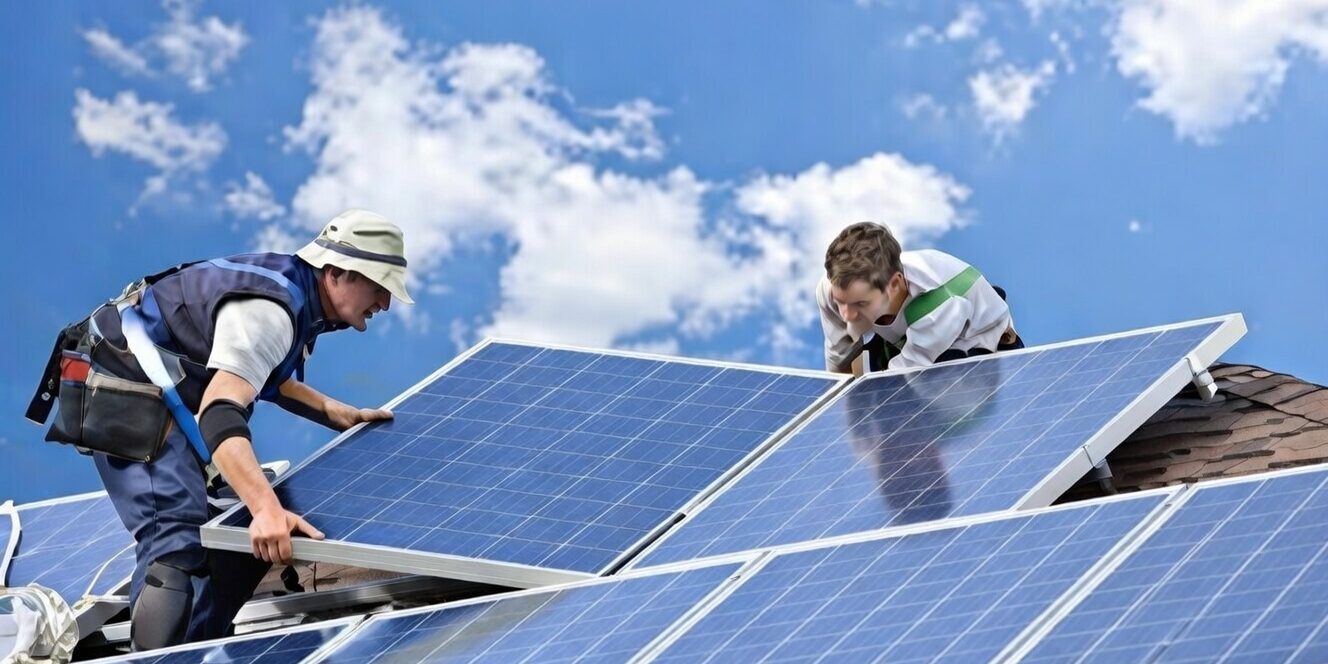
Imagine waking up in your charming Westside Costa Mesa bungalow, the morning light filtering through palm-fringed windows, as your home quietly powers itself with clean, renewable energy. No more wincing at skyrocketing utility bills or worrying about blackouts during those rare but disruptive Southern California storms. In a neighborhood known for its mid-century modern homes, tree-lined streets, and proximity to the beach, solar panel installation isn’t just a trend—it’s a smart, sustainable upgrade that’s transforming how residents live. Westside Costa Mesa, with its sunny Mediterranean climate boasting over 280 sunny days a year, is primed for solar adoption. As energy costs climb and California’s push toward carbon neutrality intensifies, more homeowners are turning to the sun to light their lives.
This guide covers everything you need to know about installing solar panels in Westside Costa Mesa homes. We’ll explore the benefits, break down costs and incentives, walk through the installation process, highlight top local providers, and share real-world insights. Whether you’re a first-time buyer in a cozy ranch-style house on 19th Street or a long-time resident eyeing a retrofit on your flat-roofed contemporary, this post will help you make an informed decision. By the end, you’ll see why solar isn’t just good for the planet—it’s a savvy investment for your wallet and your community’s future.
Why Solar Makes Perfect Sense for Westside Costa Mesa
Westside Costa Mesa sits between the bustling areas of Newport Beach and Huntington Beach, offering a quintessential Southern California lifestyle: walkable to coffee shops on 18th Street, minutes from the 405 freeway, and bathed in abundant sunshine. Yet beneath the idyllic surface lies a real challenge—Orange County household energy bills have risen about 15% in the past two years, driven by grid strain and fluctuating fossil fuel prices. Solar panels provide a direct solution: sleek photovoltaic (PV) systems that capture sunlight and convert it into electricity, significantly reducing dependence on Southern California Edison (SCE).
The environmental advantages are clear. California’s Climate Action & Adaptation Plan, which Costa Mesa supports, targets a 45% reduction in greenhouse gas emissions below 1990 levels by 2030. A typical residential solar system in Westside helps achieve this by cutting a household’s carbon footprint by roughly 100 tons over 25 years—equivalent to planting thousands of trees. The city’s streamlined solar permitting process further demonstrates its commitment to green initiatives, making adoption straightforward.
Financially, solar offers energy independence in the NEM 3.0 era. Under the current net billing tariff, excess energy sent to the grid earns credits at lower wholesale rates, but pairing solar with battery storage maximizes savings by prioritizing self-consumption—often reducing bills by 70–80%. Solar-equipped homes also tend to sell faster and for higher prices; research shows an average 4.1% premium, which translates to roughly $15,000 more in Costa Mesa’s median $1.2 million market. During periods of grid stress, such as heatwaves, solar-plus-storage systems provide reliable backup power for essentials like air conditioning, refrigerators, and electric vehicle charging.
Solar also builds community momentum. Westside’s close-knit atmosphere—block parties, farmers’ markets, and neighborhood events—extends to shared interest in sustainability. As more homes adopt solar, the visible rooftops inspire neighbors to follow, creating a positive ripple effect across the area.
Crunching the Numbers: Costs, Incentives, and ROI in 2026
The average cost for a residential solar system in Orange County ranges from $2.43 to $3.50 per watt before incentives. For a typical Westside home using 8,000 kWh per year (common for a 2,000 sq ft house with a pool and electric vehicles), a 7–9 kW system is usually sufficient. That translates to an upfront cost of $17,000 to $25,000 for a fully installed system with 20–30 high-efficiency panels.
Incentives make the numbers far more attractive. The federal Investment Tax Credit (ITC) remains at 30% through 2032, reducing a $20,000 system to about $14,000 after the credit. California adds additional support: qualifying low-to-moderate income households in designated communities can access up to $3 per watt through programs like DAC-SASH, potentially covering thousands of dollars. Southern California Edison’s billing plan provides credits for exported energy, and local rebates through regional energy authorities can add $1,000–$2,000 more.
Financing options are flexible. Cash purchases typically yield payback in 5–7 years. Zero-interest or low-interest loans are available through programs like the Green Bank of California. Leases and Power Purchase Agreements (PPAs) require little to no upfront cost, with locked-in electricity rates often 10–15 cents per kWh—well below SCE’s average of around 35 cents. Adding a battery system (such as a Tesla Powerwall) increases the initial cost but dramatically improves long-term savings by storing daytime production for evening and nighttime use.
Consider a hypothetical Westside household installing an 8 kW system for $19,440 before incentives. After the 30% federal ITC and a $2,000 local rebate, the net cost drops to roughly $11,608. Monthly savings average $150–$200 off a typical $250 SCE bill, with additional benefits from electric vehicle charging. Over 25 years, total savings often exceed $60,000, not accounting for annual utility rate increases of 3–5%. When factoring in increased home value, the overall return on investment frequently surpasses 150%.
Step-by-Step: The Solar Installation Process in Costa Mesa
The installation process in Costa Mesa is efficient and homeowner-friendly, typically taking 2–4 months from start to activation. Here’s how it unfolds:
- Consultation and Site Assessment A certified installer visits your property to review roof condition, shading from trees, orientation, and historical energy usage from SCE bills. They confirm ideal sun exposure (5–6 peak sun hours daily) and provide a free, customized quote.
- System Design and Financing Engineers create a tailored layout optimized for your roof type and pitch. You select financing or ownership options and sign contracts. Warranties typically include 25 years on panels and 10–12 years on inverters.
- Permitting and Approvals Plans are submitted through Costa Mesa’s online permitting portal. Building permits and SCE interconnection approval usually take 2–6 weeks. Most Westside neighborhoods have minimal or no HOA restrictions on solar.
- Procurement and Preparation Equipment—panels, inverters, racking—is ordered and delivered. Minor roof prep (such as flashing repairs) is completed if needed.
- Installation Day(s) A professional crew mounts racking, installs panels, and connects the system (often in 1–3 days for a standard single-story home). Work is quiet, contained, and includes daily cleanup.
- Inspection and Testing City inspectors verify compliance with local codes. SCE performs a final grid-tie test to ensure safe operation.
- Activation and Monitoring: The system goes live. You receive access to a monitoring app that tracks real-time production, consumption, and savings.
The entire process is designed to minimize disruption while meeting strict safety and performance standards.
Top Solar Providers Serving Westside Costa Mesa
Selecting a reputable installer is critical. Look for NABCEP certification, strong local reviews, and experience with Costa Mesa’s roofing styles. Several companies consistently rank highly in the area:
- REPOWER OC — Known for full-service installations, battery expertise, and excellent customer support.
- OC Solar — Specializes in integrated solar-plus-storage solutions with high-efficiency equipment.
- Infinity Solar — Offers competitive pricing, strong warranties, and flexible financing options.
- LA Solar Group — Excels in custom designs for challenging roof layouts or shaded properties.
Compare multiple quotes through platforms like EnergySage to ensure transparency and avoid high-pressure sales tactics.
Real-Life Solar Success Stories from Westside
Many Westside homeowners have already made the switch with impressive results. One family on 17th Street installed a 7.5 kW system with battery storage in 2025. After incentives, their net cost was significantly reduced, and they now save $150–$200 monthly while maintaining full power during outages. Another household added solar to an accessory dwelling unit, offsetting over 100% of usage and qualifying for additional rebates. These stories reflect a growing trend: Westside’s residential solar adoption rate has climbed steadily, driven by both financial and environmental motivations.
Maintenance, Longevity, and Future Outlook
Solar systems require minimal upkeep. Panels naturally clean themselves during rain, though occasional professional washing is recommended. Inverters typically last 10–15 years, with replacements covered under partial tax credits in many cases. In Westside’s mild climate, panels are expected to perform at 80%+ capacity for 25–30 years or longer.
Looking ahead, California’s goal of 100% clean energy by 2045, combined with declining battery costs and rising utility rates, continues to strengthen the case for solar. Homeowners who act now position themselves for maximum long-term benefit.
Shine Bright: Your Next Steps
Solar panel installation in Westside Costa Mesa is a practical, high-return decision backed by abundant sunshine, generous incentives, and experienced local installers. Start by requesting free quotes from certified providers or using comparison tools to explore your options. The transition to solar is one of the most impactful upgrades you can make for your home, your finances, and the environment.
Ready to get started? Reach out to a trusted installer today and join the growing number of Westside residents powering their lives with the sun.