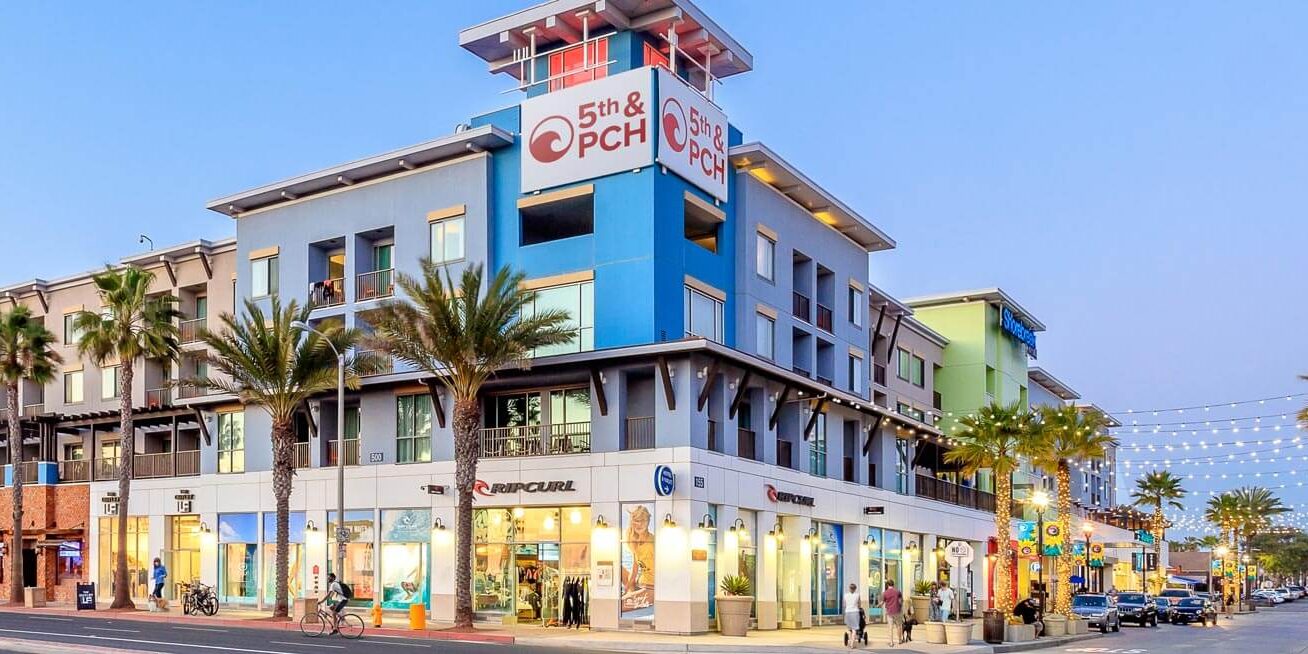
In the vibrant coastal community of Downtown Huntington Beach, where the salty breeze from the Pacific Ocean mingles with the energy of Main Street’s bustling shops and eateries, real estate is more than just property—it’s a lifestyle investment. Known as Surf City USA, this area boasts a unique blend of beachfront charm, urban convenience, and high-end living that drives property values skyward. If you’re buying, selling, or refinancing a home here, one critical step in the transaction is the home appraisal. This process provides an unbiased estimate of a property’s market value, ensuring that lenders, buyers, and sellers are all on the same page. But what exactly does it entail, especially in a premium market like Downtown Huntington Beach? In this comprehensive guide, we’ll dive deep into the home appraisal process, tailored to this specific locale, exploring its steps, influencing factors, preparation tips, and potential pitfalls. Whether you’re a first-time homebuyer eyeing a condo near the pier or a seasoned investor flipping a bungalow, understanding appraisals can save you time, money, and headaches.
What Is a Home Appraisal and Why Does It Matter in Downtown Huntington Beach?
A home appraisal is an objective assessment conducted by a licensed professional to determine the fair market value of a property. Unlike a home inspection, which focuses on the condition and safety of the structure, an appraisal evaluates how much the home is worth based on comparable sales, location, and other market data. This valuation is crucial for lenders because it protects them from over-lending on a property that might not hold its value in case of foreclosure. For buyers, it ensures they’re not overpaying, and for sellers, it can validate their asking price or highlight areas for improvement.
In Downtown Huntington Beach, appraisals take on added significance due to the area’s premium real estate market. As of late 2025, the median home price in this neighborhood hovers around $1.55 million, reflecting a competitive environment where homes often receive multiple offers. This is influenced by the region’s desirability—proximity to the beach, walkable amenities like the Huntington Beach Pier, and a thriving local economy bolstered by tourism and tech sectors. However, market fluctuations can occur; for instance, prices dipped 27.9% year-over-year in December 2025, though the price per square foot rose 15.5%, indicating resilience in core value drivers. Appraisals here must account for these nuances, as even small differences in location—such as being blocks from the ocean versus directly on Pacific Coast Highway—can swing values by hundreds of thousands. Without a solid appraisal, transactions can stall, leading to renegotiations or even deal collapses. In a seller’s market like this, where inventory is low (around 216 homes citywide as of January 2026), understanding the process empowers all parties to navigate it smoothly.
Step-by-Step Breakdown of the Home Appraisal Process
The home appraisal process is methodical and typically unfolds in several key stages, from initiation to final report. While the core steps are universal, in Downtown Huntington Beach, appraisers often emphasize coastal-specific elements like ocean views, flood risks, and neighborhood vibrancy.
- Ordering the Appraisal: The process begins when your lender requests an appraisal, usually after a purchase agreement is signed or a refinance application is submitted. Lenders work through Appraisal Management Companies (AMCs) to select an independent appraiser, ensuring no conflicts of interest. In California, appraisers must be state-licensed, and in high-demand areas like Huntington Beach, this can take days or weeks to schedule due to busy professionals. Costs range from $500 to $1,000, depending on the property’s size and complexity, and are usually paid by the buyer.
- Pre-Inspection Research: Before visiting the property, the appraiser gathers data from public records, Multiple Listing Service (MLS), and other sources. This includes the home’s square footage, lot size, age, and past sales history. In Downtown Huntington Beach, they’ll review recent comps—similar properties sold within the last six months, ideally within a mile radius. For example, a 1,500-square-foot bungalow near Main Street might be compared to recent sales in the same tract, adjusting for upgrades like modern kitchens or proximity to the beach.
- The On-Site Inspection: This is the hands-on phase where the appraiser visits the property. They’ll conduct an exterior and interior walkthrough, noting structural integrity, room counts, bathrooms, and features like garages or pools. Expect measurements, photos, and assessments of condition—everything from roof age to HVAC functionality. In Downtown HB, appraisers pay close attention to unique attributes: Does the home have ocean views? Is it in a flood zone? How does the urban density affect privacy? The visit can last 30 minutes for a condo to several hours for a larger single-family home.
- Valuation Approaches: Appraisers use one or more methods to estimate value. The most common is the sales comparison approach, analyzing comps and making adjustments (e.g., +$50,000 for a renovated bathroom). The cost approach estimates rebuilding costs plus land value, useful for newer builds. The income approach applies to investment properties, factoring potential rental income. In this market, where median rents are around $5,500, income potential boosts values for multi-unit dwellings.
- Compiling the Report: The appraiser synthesizes all data into a detailed report, including photos, comps, and the final value opinion. This is shared with the lender and buyer, who can review for errors. If the appraised value is lower than the purchase price—a “low appraisal”—it might require price negotiations or additional buyer funds.
- Review and Resolution: If discrepancies arise, a reconsideration of value (ROV) can be requested with new evidence, like overlooked comps. In Downtown HB’s fluctuating market, where days on market averaged 102 in late 2025, timely resolutions are key to closing deals.
The entire process usually takes 1-2 weeks, but in busy seasons, it can extend longer.
Key Factors Influencing Property Values in Downtown Huntington Beach
Property values in Downtown Huntington Beach aren’t arbitrary—they’re shaped by a mix of local, economic, and environmental factors that appraisers meticulously evaluate.
Location reigns supreme. Proximity to the beach, pier, and Main Street’s eclectic mix of restaurants, bars, and shops adds a “coastal premium.” Homes within walking distance to these amenities often fetch 10-20% more than those farther inland. For instance, oceanfront properties command top dollar, while those near Pacific Coast Highway benefit from views but may deduct for noise.
Home condition and features play a big role. Appraisers look at square footage (average $1,073 per sq ft as of January 2026), number of bedrooms/bathrooms, upgrades like energy-efficient windows or smart home tech, and outdoor spaces. In this surf-centric town, features like outdoor showers or roof decks enhance appeal.
Market conditions dictate pace. With low inventory (93 active listings citywide in early 2026), competition drives values up. Economic health, including low unemployment in tourism and tech, supports stability. However, external factors like rising insurance costs from flood or wildfire risks can temper gains, though Downtown’s urban setup minimizes some threats.
Environmental risks are considered too. Moderate flood risk and minimal wind threats are factored in, potentially requiring adjustments for properties in vulnerable spots. Climate resilience, like elevated foundations, can positively influence appraisals.
Broader trends, such as a 7.6% year-over-year value increase to $1.97 million average, reflect sustained demand from remote workers and retirees seeking the beach lifestyle.
Preparing Your Downtown Huntington Beach Home for Appraisal
To maximize your appraisal outcome, preparation is essential. Start by decluttering and cleaning—appraisers note curb appeal and interior tidiness. Fix minor issues like leaky faucets or peeling paint, as these signal maintenance levels.
Highlight upgrades: Provide a list of recent improvements, such as a new roof or kitchen remodel, with receipts. In Downtown HB, emphasizing eco-friendly features like solar panels can add value amid California’s green initiatives.
Research comps yourself using public data to ensure the appraiser considers the best matches. If your home has unique perks, like a short walk to the farmers’ market, point them out.
Choose a local appraiser familiar with the area—firms like Alliance Appraisal Group or LA Home Appraisal specialize in Huntington Beach and understand nuances like the “lock-in effect” from low-rate mortgages reducing supply.
Time it right: Appraise during peak seasons when comps are strong, avoiding off-market slumps.
Common Challenges in Downtown HB Appraisals and Solutions
Challenges abound in this dynamic market. Low appraisals happen when comps don’t align with rising prices—common here due to rapid appreciation. Solution: Submit an ROV with better comps or negotiate with the seller.
High demand can delay scheduling, so plan ahead. Appraisers might overlook intangibles like community vibe; provide supporting data.
Economic shifts, like interest rate hikes, can cool the market temporarily, affecting values. Stay informed via local reports.
For historic or mixed-use properties near downtown, appraisals might undervalue commercial potential—opt for appraisers experienced in such niches.
The Role of Local Appraisers in Huntington Beach
Huntington Beach boasts a robust network of appraisers, from independents like Craig Gilbert Appraisals (with decades of experience) to firms like South Coast Appraisals covering Southern California. These experts bring local insight, understanding how factors like surf events or tourism spikes influence values. They ensure compliance with Uniform Standards of Professional Appraisal Practice (USPAP), providing reliable reports for lenders.
Conclusion: Navigating Appraisals for Success in Downtown HB
Mastering the home appraisal process in Downtown Huntington Beach equips you to thrive in this coveted market. From the initial order to the final report, each step safeguards your investment in an area where values are projected to grow modestly into 2026, around 2-4% annually. By understanding influencing factors, preparing diligently, and addressing challenges proactively, you can achieve favorable outcomes. Whether you’re drawn to the waves, the nightlife, or the investment potential, a well-appraised property is your gateway to coastal living at its finest. If you’re embarking on a real estate journey here, consult professionals early to make informed decisions.