

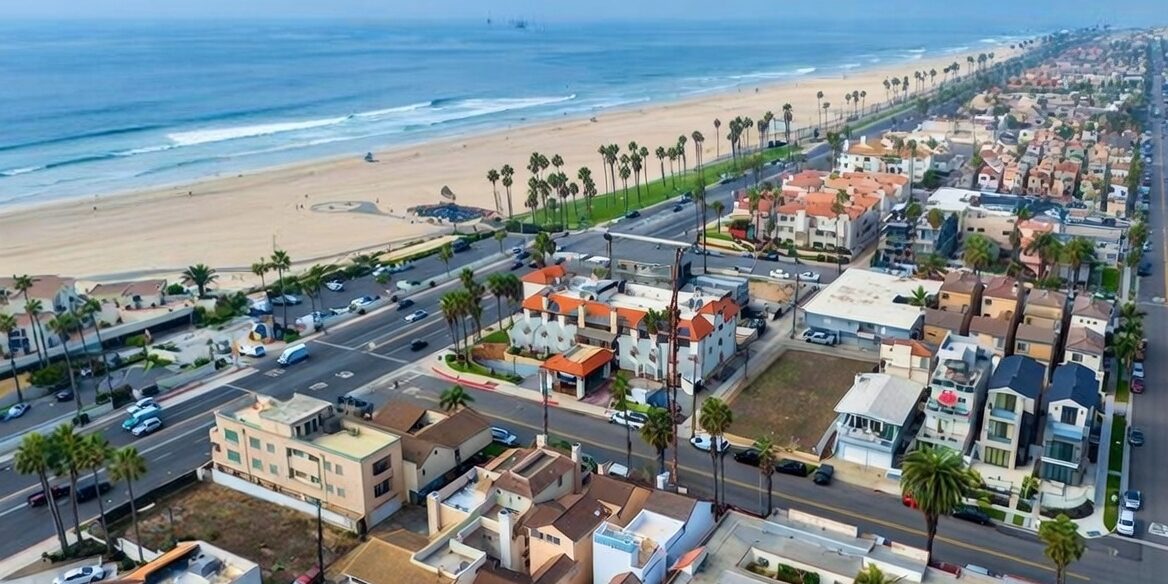
Interest rates aren’t just abstract numbers; they’re the cost of borrowing money for what is often the largest investment of a lifetime. In a high-rate environment like the current one, where rates have stabilized but remain elevated compared to the pandemic-era lows, buyers in Downtown Huntington Beach face unique challenges. Property values here often exceed $2 million for desirable condos or single-family homes near the ocean, amplifying the effects of even small rate changes. This blog post dives deep into how interest rates shape the buying landscape in this sought-after neighborhood, exploring both the hurdles and opportunities. Whether you’re a first-time buyer eyeing a cozy beach bungalow or an investor targeting luxury waterfront properties, grasping these dynamics can empower smarter decisions. We’ll cover the basics of interest rates, their direct effects on buyers, local market specifics, and practical strategies to navigate this terrain—all while aiming to provide actionable insights for 2026’s market.
Understanding Interest Rates and Their Role in Home Buying
At their core, interest rates represent the price tag on borrowed money. When you take out a mortgage to buy a home, the interest rate determines how much extra you’ll pay the lender over the loan’s life. Fixed-rate mortgages, like the popular 30-year option, lock in this rate for the entire term, providing predictability. Adjustable-rate mortgages (ARMs), on the other hand, can fluctuate with market conditions, offering lower initial rates but potential increases later.
The Federal Reserve plays a pivotal role here, adjusting the federal funds rate to influence broader economic activity. When the Fed raises rates to combat inflation, mortgage rates typically follow suit. Conversely, rate cuts aim to stimulate spending and borrowing. In January 2026, the average 30-year fixed-rate mortgage stands at about 6.06%, a slight dip from late 2025’s 6.16%. This comes after a period of volatility, where rates peaked near 7% in 2023 and 2024 before easing as inflation cooled.
For buyers, the math is straightforward yet profound. Consider a $1 million loan—a modest amount in Downtown Huntington Beach, where median prices for downtown properties can top $2.4 million. At 5%, the monthly principal and interest payment might be around $5,368. Bump that to 6.1%, and it jumps to $6,063—an increase of nearly $700 per month. Over 30 years, that’s an extra $252,000 in interest alone. This compounding effect underscores why rates are a buyer’s best friend or worst enemy.
Beyond payments, rates affect purchasing power. Lenders qualify borrowers based on debt-to-income ratios, so higher rates mean you might qualify for a smaller loan. In a competitive market like Huntington Beach, this could force compromises, such as opting for a smaller condo instead of a spacious family home. Additionally, rates influence investor behavior; higher costs deter flippers and rental property buyers, potentially slowing market turnover.
The Impact of Rising Interest Rates on Downtown Buyers
When interest rates climb, the real estate market often cools, and Downtown Huntington Beach is no exception. Rising rates, as seen in the jump from sub-3% during the pandemic to over 6% by 2023, have created what’s known as the “lock-in effect.” Homeowners with low-rate mortgages are reluctant to sell and refinance at higher rates, leading to historically low inventory. In Orange County, including Huntington Beach, inventory is down 41% from pre-pandemic norms, propping up prices despite softer demand.
For buyers, this translates to reduced affordability. In coastal California markets like Huntington Beach, where average home prices are among the highest in the state, a 1% rate hike can add $5,000–$10,000 to annual payments on a $2 million property. This sidelines many first-time buyers, tilting the market toward cash-rich investors or retirees. Data from 2025 shows homes in Orange County lingering on the market for 54 days on average, up from 40 days the prior year, as higher rates erode buyer enthusiasm.
Psychologically, rising rates breed hesitation. Potential buyers delay purchases, hoping for a dip, which further stagnates the market. In Downtown Huntington Beach, this means fewer bidding wars but still premium pricing due to scarcity. For instance, a downtown condo that might have sold in days at 4% rates now sits longer, giving buyers leverage for negotiations—but only if they can afford the higher monthly outlay.
Moreover, ancillary costs rise. Property taxes in California, governed by Proposition 13, are based on purchase price, but higher rates amplify overall carrying costs, including insurance (which has surged in coastal areas due to wildfire and flood risks). For families, this could mean stretching budgets thin, potentially leading to deferred maintenance or lifestyle sacrifices. In extreme cases, rising rates contribute to broader economic slowdowns, affecting job security in sectors like tourism and tech, which fuel Huntington Beach’s economy.
The Benefits of Falling Interest Rates for Buyers
On the flip side, declining interest rates can ignite the market, making homeownership more accessible. Forecasts for 2026 suggest rates could ease to 5.9% by year-end, a psychological threshold that might unlock more activity. Lower rates boost purchasing power; that same $1 million loan at 5% saves hundreds monthly compared to 6.1%, allowing buyers to afford larger or better-located properties.
In Downtown Huntington Beach, falling rates could thaw the frozen market by encouraging locked-in sellers to list. Nearly 20% of outstanding mortgages are above 6%, so a drop below that mark could flood the market with inventory, potentially moderating prices. This benefits buyers with more choices—from chic lofts above Main Street to ocean-view townhomes.
Competition might intensify, but affordability improves overall. First-time buyers, often young professionals drawn to the area’s surf culture and nightlife, gain an edge. Lower rates also attract investors, increasing rental options indirectly. Historically, rate cuts have spurred appreciation; despite high rates in 2023, Huntington Beach neighborhoods saw 9.5% price gains, hinting at resilience.
Additionally, refinancing becomes viable for recent buyers, freeing up cash for improvements or investments. In a beachfront community like this, where property enhancements can yield high returns, lower rates amplify wealth-building potential.
Downtown Huntington Beach Market Overview
Downtown Huntington Beach embodies coastal living at its finest, with a mix of historic bungalows, modern condos, and luxury estates. The area’s appeal lies in its walkability—residents can stroll to the beach, Pacific City shopping center, or annual events like the US Open of Surfing. As of 2026, the market remains competitive, with median prices around $2 million for downtown properties, reflecting Orange County’s premium status.
Inventory is tight, with only about one month of supply in some pockets, defying national trends. Buyer demographics include tech workers from nearby Irvine, retirees from colder states, and families prioritizing top-rated schools. However, high rates have slowed sales, with homes sitting longer and fewer transactions overall. Coastal risks, like rising sea levels, add layers, but the area’s desirability keeps values buoyant.
Specific Effects in Huntington Beach and Strategies for Buyers
In this locale, interest rates exacerbate affordability gaps. A $2.4 million home at 6.28% yields $14,800 monthly payments (20% down), 15% more than at 5.5%. This impacts middle-class buyers hardest, pushing them inland. Yet, for those committed, strategies abound.
First, lock in rates early via pre-approvals. Consider ARMs for short-term holds, or buy-down programs where sellers contribute to lower initial rates. Build credit to secure the best terms—aim for scores above 760. Explore government programs like FHA loans, which offer lower down payments despite slightly higher rates.
Diversify: If rates stay high, rent-to-own options or co-buying with family can ease entry. Monitor Fed announcements; a cut could spark a buying frenzy. Work with local agents familiar with downtown nuances, like zoning for short-term rentals, which can offset costs.
For long-term plays, view high rates as a buying opportunity—prices may soften temporarily before rebounding. As one local expert notes, stabilizing rates around 6.3% signal a “new era of stability” for Orange County.
Conclusion
Interest rates are the heartbeat of the Downtown Huntington Beach real estate market, dictating everything from monthly budgets to inventory flows. In 2026’s environment of 6.1% rates, buyers must navigate challenges with savvy strategies, but opportunities persist for those prepared. By understanding these dynamics, you can turn potential obstacles into advantages, securing your slice of Surf City paradise. Whether rates rise or fall, informed decisions remain key to thriving in this iconic coastal enclave.






