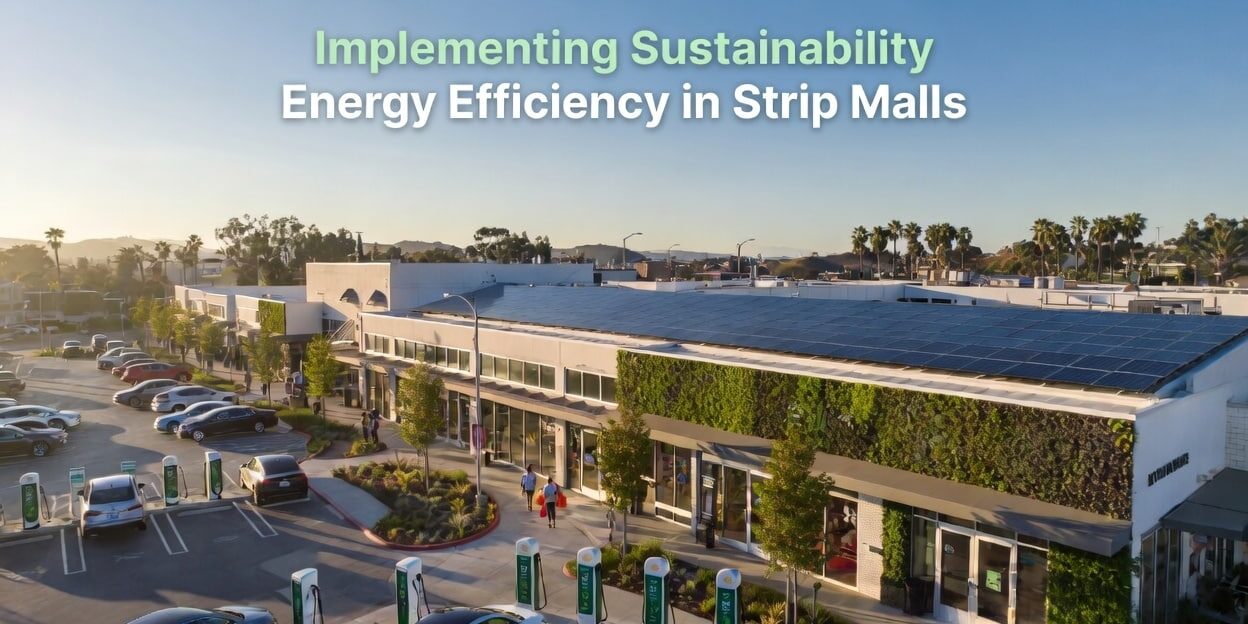
Strip malls, often referred to as neighborhood shopping centers or power centers with multiple retail tenants under one roof or in linear arrangements, form a backbone of suburban retail in Southern California. In Lake Forest, Orange County—a city known for its mix of residential neighborhoods, business parks, and community-oriented developments—these properties serve daily needs for residents while facing unique challenges and opportunities in the era of environmental responsibility. California’s stringent regulations, including Title 24 energy standards, CALGreen building codes, and the state’s push toward net-zero goals, make sustainability not just an ethical choice but a practical necessity for property owners, managers, and tenants.
This comprehensive guide explores how to implement effective sustainability practices in strip malls specifically tailored to Lake Forest’s context. It covers energy efficiency, water conservation, waste management, sustainable transportation, green landscaping, tenant engagement, certifications, and long-term strategies. By adopting these measures, strip mall operators can reduce operational costs, attract eco-conscious shoppers and tenants, comply with local and state mandates, and contribute to a more resilient community in drought-prone, car-dependent Orange County.
Why Sustainability Matters for Strip Malls in Lake Forest
Lake Forest, located in the heart of Orange County, benefits from a Mediterranean climate with hot, dry summers and mild winters, but it also contends with regional issues like water scarcity, high energy demands from air conditioning, and urban heat from expansive parking lots. The city actively supports sustainability through programs promoting energy conservation, greenhouse gas reduction, air quality improvement, and multimodal transportation. Local initiatives encourage businesses to participate in rebates from Southern California Edison (SCE), SoCalGas, and the South Coast Air Quality Management District.
Strip malls in Lake Forest typically feature large surface parking areas, shared common spaces, and a variety of small-to-medium retail tenants such as grocery stores, restaurants, dry cleaners, and service businesses. These properties often consume significant resources: constant lighting and HVAC for tenant spaces, irrigation for landscaping, and high waste generation from packaging and food services. Without intervention, they contribute to elevated carbon emissions and resource strain.
Implementing sustainability yields tangible benefits. Energy upgrades can deliver 15-30% savings on utility bills, while water-efficient measures address California’s ongoing drought resilience needs. Enhanced green features improve property appeal, potentially increasing foot traffic and tenant retention by 8-10% according to studies on landscaped retail environments. In a competitive suburban market, sustainable strip malls differentiate themselves, supporting Lake Forest’s broader goals of ecosystem vitality and reduced emissions.
Moreover, California’s regulatory environment demands action. Compliance with CALGreen mandates measures in energy, water, materials, and environmental quality for new construction and major renovations. The state’s “Making Conservation a California Way of Life” framework pushes urban water suppliers and property owners toward efficiency targets. Forward-thinking owners view these as opportunities rather than burdens, positioning their properties for long-term value appreciation and potential incentives or rebates.
Energy Efficiency: The Foundation of Sustainable Operations
Energy use dominates operational costs in strip malls, driven by lighting, HVAC systems, and plug loads from tenants. In Lake Forest’s warm climate, cooling demands spike during summer months, making efficiency upgrades essential.
Start with a comprehensive energy audit to baseline consumption across common areas and individual tenant spaces. Many Lake Forest properties can leverage free or subsidized audits through SCE programs. Key upgrades include:
- LED Lighting Retrofits: Replace outdated fixtures in parking lots, walkways, and interiors with energy-efficient LEDs paired with occupancy or daylight sensors. Retrofits can reduce lighting energy by up to 75% compared to traditional bulbs. Motion sensors in less-trafficked areas like back-of-house zones prevent unnecessary use.
- Smart HVAC Systems: Install high-efficiency HVAC units with building management systems (BMS) that adjust temperature, ventilation, and airflow based on occupancy, time of day, and weather data. ENERGY STAR-rated equipment, combined with smart controls, optimizes performance and complies with Title 24 standards. Programmable thermostats and economizers that use outside air for cooling when conditions allow further cut energy needs.
- Rooftop Solar and Renewable Energy: Lake Forest’s sunny location makes solar photovoltaic (PV) installations highly viable. Rooftop arrays or solar canopies over parking lots generate on-site clean power, shade vehicles (reducing urban heat), and potentially offset a significant portion of electricity demand. Pairing solar with battery storage enhances resilience during peak periods or outages. Incentives from state and utility programs can improve payback periods, often to 5-7 years depending on system size.
- Additional Measures: Seal building envelopes to reduce air leaks, upgrade insulation, and implement demand-response programs that temporarily reduce load during grid stress events. Tenant guidelines encouraging energy-saving behaviors, such as turning off lights and equipment when not in use, amplify savings.
Collective implementation of these strategies can yield 15-25% overall energy reductions, lowering common area maintenance (CAM) charges for tenants and improving net operating income for owners. In Orange County examples, similar retrofits in shopping centers have demonstrated rapid returns while aligning with regional air quality goals.
Water Conservation: Critical in Drought-Prone Southern California
Water efficiency ranks as a top priority in Lake Forest and broader Orange County, where landscaping and restroom use drive consumption. California’s urban water use objectives emphasize indoor and outdoor efficiency, with performance measures for commercial properties.
Effective strategies include:
- Drought-Tolerant Landscaping (Xeriscaping): Replace traditional turf and high-water plants with native California species, succulents, and mulch. This approach reduces irrigation demands by 25-50% while enhancing curb appeal and supporting local biodiversity. Smart irrigation controllers with weather-based sensors or soil moisture monitors prevent overwatering, a common issue in retail parking-adjacent areas.
- High-Efficiency Fixtures and Appliances: Retrofit restrooms with low-flow faucets, toilets, and urinals meeting or exceeding WaterSense standards. In tenant spaces like restaurants or salons, install efficient dishwashers, ice machines, and laundry equipment. Regular leak detection and maintenance programs prevent waste from faulty infrastructure.
- Greywater and Recycling Systems: Where feasible, explore greywater reuse for landscaping or toilet flushing, subject to local plumbing codes. Cooling tower optimizations in larger centers minimize water loss through drift and evaporation.
- Water Audits and Metering: Sub-meter tenant spaces and common areas to identify high-use zones and encourage accountability. Lake Forest businesses can access technical assistance and potential rebates for qualifying upgrades.
These measures not only conserve a precious resource but also reduce sewer charges and align with state mandates. In similar suburban retail settings, comprehensive water strategies have achieved substantial savings while maintaining attractive environments that draw shoppers.
Waste Management and Circular Economy Practices
Strip malls generate diverse waste streams from retail packaging, food services, and maintenance activities. Achieving high diversion rates supports California’s recycling goals and reduces landfill contributions.
Best practices encompass:
- Comprehensive Recycling and Composting Programs: Provide clearly labeled bins for mixed recyclables, organics (including food waste from eateries), and landfill waste in common areas and loading zones. Partner with waste haulers offering single-stream or source-separated services. Aim for diversion rates exceeding 50%, as seen in progressive Orange County centers.
- Tenant Education and Incentives: Develop lease clauses requiring tenants to participate in recycling, minimize packaging, and adopt sustainable purchasing. Recognize high-performing tenants with “Green Tenant” awards or reduced CAM fees for strong compliance.
- On-Site Processing Innovations: Install compactors or balers for cardboard and plastics. Explore composting partnerships for organic waste, diverting it from landfills and potentially generating nutrient-rich soil for landscaping.
- Waste Audits: Conduct periodic audits to track composition and identify reduction opportunities, such as switching to bulk dispensers or reusable items where applicable.
By fostering a circular approach—reduce, reuse, recycle—strip malls minimize environmental impact and operational disposal costs. Education campaigns for shoppers further amplify community-wide benefits.
Sustainable Transportation and Site Design
Lake Forest’s suburban layout makes cars dominant, but sustainability efforts can promote alternatives and mitigate parking lot heat islands.
Implement:
- Electric Vehicle (EV) Charging Infrastructure: Install Level 2 chargers in parking areas, powered where possible by on-site solar. This appeals to eco-conscious residents and supports California’s zero-emission vehicle goals. Incentives may offset installation costs.
- Alternative Transportation Amenities: Add secure bike racks, shaded waiting areas for transit users, and wayfinding signage for nearby paths or bus stops. Encourage carpooling or shuttle partnerships.
- Cool Pavements and Shade: Use reflective or permeable paving materials in parking lots to reduce heat absorption. Integrate tree canopies or solar structures for natural shading, improving comfort and lowering surrounding temperatures.
- Site Connectivity: Where redevelopment occurs, prioritize pedestrian-friendly designs with wider sidewalks, crosswalks, and integration with local trails or greenways.
These enhancements reduce emissions from idling vehicles, improve air quality, and create more inviting spaces that encourage longer visits.
Green Landscaping, Biodiversity, and Urban Heat Mitigation
Beyond water savings, thoughtful landscaping enhances ecosystem services. Incorporate native plants that support pollinators and birds, creating small habitat pockets amid commercial development. Trees along perimeters provide shade, windbreaks, and carbon sequestration while softening the visual impact of parking areas.
Studies indicate that well-landscaped retail environments boost shopper willingness-to-pay and positive perceptions. In Lake Forest, aligning with city ravine conservation and stormwater management goals through bioswales or rain gardens can manage runoff naturally, reducing pollution in local waterways.
Tenant Engagement and Operational Integration
Sustainability succeeds when shared across stakeholders. Property managers should:
- Include green clauses in leases outlining expectations for energy, water, and waste practices.
- Offer training sessions or resources on sustainable operations.
- Facilitate shared purchasing for green cleaning supplies or bulk eco-friendly materials.
- Track collective performance through dashboards reporting energy, water, and waste metrics.
Engaging shoppers via signage highlighting initiatives or events like Earth Day promotions builds community goodwill and loyalty.
Certifications and Measurement: LEED and Beyond
Pursue third-party certifications to validate efforts and market the property. LEED (Leadership in Energy and Environmental Design) offers pathways for retail projects, including Existing Buildings Operations and Maintenance. Categories cover energy, water, materials, indoor environmental quality, and innovation. Many retail facilities nationwide have achieved Gold or Platinum levels through targeted upgrades.
Other frameworks include ENERGY STAR Portfolio Manager for benchmarking and local green building programs. Regular measurement using tools like utility tracking software ensures continuous improvement and demonstrates compliance or progress toward net-zero ambitions.
Challenges and Implementation Roadmap
Common hurdles in strip malls include multi-tenant coordination, upfront capital costs, and varying tenant priorities. Address these by phasing implementations—starting with low-cost, high-ROI measures like lighting and sensors before larger investments like solar. Secure financing through green loans, utility rebates, or property assessed clean energy (PACE) programs.
A step-by-step roadmap:
- Assessment Phase (Months 1-3): Conduct energy/water audits and waste assessments. Review leases and local regulations.
- Planning Phase (Months 4-6): Prioritize projects based on payback, impact, and feasibility. Engage tenants and secure incentives.
- Implementation Phase (Months 7-18): Execute retrofits in stages to minimize disruption.
- Monitoring and Optimization (Ongoing): Track performance, educate users, and adjust strategies annually.
Budget considerations vary by property size, but many measures pay for themselves within 3-7 years through reduced utilities and higher occupancy.
Economic and Community Benefits
Sustainable strip malls in Lake Forest enhance property values, reduce vacancy risks, and support local economic vitality. Lower operating costs benefit small businesses, preserving jobs and services for residents. Environmentally, they contribute to reduced greenhouse gases, conserved water, and improved air quality—aligning with the city’s sustainability vision and California’s climate goals.
Shoppers increasingly favor businesses demonstrating environmental stewardship, driving foot traffic to greener centers. In suburban Orange County, where competition from e-commerce and larger malls exists, differentiated sustainable experiences foster loyalty.
Conclusion: A Call to Action for Lake Forest Strip Malls
Implementing sustainability in Lake Forest strip malls represents a multifaceted opportunity to blend environmental responsibility with business acumen. From LED retrofits and xeriscaping to solar integration and robust recycling programs, practical steps exist that deliver measurable returns while addressing regional challenges like drought and emissions.
Property owners and managers who act decisively—leveraging local resources, utility partnerships, and proven best practices—will future-proof their assets in a changing regulatory and climatic landscape. Tenants and shoppers benefit from healthier, more efficient spaces, while the broader Lake Forest community gains from collective progress toward cleaner air, conserved resources, and vibrant neighborhoods.
Sustainability is not a one-time project but an ongoing commitment. By starting today with audits, small wins, and collaborative planning, strip malls in Lake Forest can lead by example, proving that suburban retail can thrive while respecting the environment. The path forward combines innovation, compliance, and community focus—creating lasting value for generations to come.