In the heart of Orange County, California, the city of Brea stands as a compelling example of how suburban communities are evolving into vibrant, integrated urban hubs. Once known primarily for its regional mall and traditional retail landscape, Brea is now embracing mixed-use developments that blend residential, commercial, retail, dining, and recreational spaces. These projects aim to create walkable, live-work-play environments that reduce car dependency and enhance quality of life. A key driver of their success and market appeal is the seamless integration of modern technology—from smart building systems to data-driven sustainability features. As we look toward 2026 and beyond, technology is not just an add-on but a core element shaping market trends in Brea’s mixed-use projects.
This blog post explores the intersection of technology and market dynamics in Brea’s mixed-use developments, highlighting specific local projects, broader Southern California trends, and the tangible benefits for developers, residents, and the community. With California’s emphasis on housing production, sustainability, and urban resilience, Brea’s approach offers valuable insights for real estate professionals, urban planners, and investors.
The Rise of Mixed-Use Developments in Brea
Brea’s General Plan and zoning framework actively promote mixed-use districts, particularly in Downtown Brea and around major commercial nodes like the Brea Mall. The Mixed-Use I (MU-I) and Mixed-Use II (MU-II) designations encourage vertical and horizontal integration of residential, retail, office, and recreational uses, fostering environments where people can live, work, shop, and recreate with minimal reliance on vehicles. Densities can reach up to 50 units per acre in these zones, supporting nearly 2,000 additional housing units under long-term buildout scenarios.
A flagship example is the Brea Mall Mixed-Use Project, a redevelopment of approximately 15.5 acres on the southwest portion of the mall property. Approved by the Planning Commission in 2024 and with construction underway, the project involves demolishing the former Sears building and surface parking to make way for new retail, restaurants, 380 for-rent residential apartments (including affordable options), a resort-type fitness center, and an outdoor gathering space with nearly an acre of green space. The development also includes shared parking strategies and amendments to support on-site alcohol service in dining establishments. Upon completion, it will add net commercial square footage while transforming the mall into a more dynamic lifestyle destination.
Other notable initiatives include the Village at Greenbriar (converting a former office building into 179 housing units with mixed-use elements), Gaslight Square (new restaurants and commercial space), and various projects in the Downtown Core and along corridors like Birch Street. These efforts build on Brea’s earlier downtown revitalization, which created walkable “urban rooms” with retail, entertainment, and loft-style living. Master-planned communities like Blackstone further incorporate mixed-use principles alongside preserved open space.
Market demand for such developments in Orange County remains strong, driven by housing shortages, changing preferences for experiential living, and post-pandemic shifts toward hybrid work and local amenities. In Southern California, mixed-use projects are increasingly viewed as resilient investments, offering diversified revenue streams from residential rents, retail leases, and community programming.
Market Trends Shaping Mixed-Use in Orange County and Beyond
As of 2026, several macro trends are influencing mixed-use real estate in Brea and the broader region:
- Housing Production and Affordability Pressures: California continues to grapple with a housing crisis, pushing cities like Brea to accelerate residential components in commercial redevelopments. Projects often incorporate density bonuses and incentives for affordable units, as seen in supportive housing initiatives and market-rate apartments at the Brea Mall site.
- Sustainability and Resilience: With California’s stringent energy codes and climate goals, mixed-use developments prioritize green building practices, reduced vehicle miles traveled (VMT), and adaptive reuse of underutilized retail or office space. Open spaces, pedestrian connectivity, and EV infrastructure are standard.
- Experiential and Wellness-Focused Design: Consumers seek more than basic shelter or shopping; they want communities that support well-being, with fitness centers, plazas, and flexible gathering areas. The Brea Mall project’s resort-style fitness center and outdoor spaces exemplify this shift.
- Economic Recovery and Adaptive Reuse: Retail transformations into mixed-use formats are accelerating, particularly conversions of aging malls or commercial buildings. Lower interest rates entering 2026 are expected to support project financing, while industrial and office sectors show selective recovery.
These trends create fertile ground for technology integration, which enhances project viability, operational efficiency, and long-term value.
How Technology is Transforming Mixed-Use Developments
Technology integration elevates mixed-use projects from conventional real estate to intelligent, responsive environments. In Brea and similar Orange County contexts, developers are embedding systems that address energy costs, resident convenience, safety, and sustainability—critical in a high-cost, regulation-heavy market.
Smart Building Systems and IoT
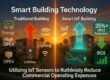
Internet of Things (IoT) sensors form the backbone of modern mixed-use developments. These devices monitor and optimize HVAC, lighting, and energy use in real time, adjusting based on occupancy, weather, or time of day. In California’s utility environment, such systems can significantly lower operational expenses for residential and commercial tenants alike. Centralized building management platforms provide predictive maintenance, alerting managers to potential issues like leaks or equipment failures before they escalate.
For the Brea Mall project and similar redevelopments, IoT could enable shared infrastructure across retail, residential, and fitness components—such as unified energy dashboards or automated climate control in common areas. This not only reduces costs but also supports California’s Title 24 energy efficiency standards and broader carbon reduction goals.
AI and Data Analytics for Optimization
Artificial intelligence (AI) powers occupancy prediction, energy forecasting, and foot traffic management. In mixed-use settings, AI can analyze patterns to optimize retail leasing, parking allocation, and event scheduling in plazas. Data-driven insights help developers refine designs during planning and improve operations post-construction. For instance, AI-enhanced security systems with video analytics and even drone integration (as explored in Brea’s Integrated Crime Center) enhance public safety without invasive measures.
In 2026 construction trends, AI also streamlines project delivery through tools for scheduling, risk assessment, and modular prefabrication—accelerating timelines for apartment and retail builds while minimizing waste.
Sustainable and Resilient Tech Features
Mixed-use projects in Brea increasingly incorporate:
- EV Charging and Mobility Integration: The Brea Mall plan already calls for dozens of EV stations, with potential for app-based management and integration with micro-mobility (e-bikes, scooters). Smart parking systems guide users to available spots, reducing congestion.
- Renewable Energy and Efficiency: Solar panels, smart grids, and battery storage help offset California’s high energy demands. Occupant-centric controls allow residents to personalize lighting and temperature via apps, boosting satisfaction and efficiency.
- Modular and Prefab Construction: Off-site fabrication of apartment modules or commercial fit-outs speeds delivery, reduces on-site disruption, and supports sustainability by cutting material waste. This is particularly relevant for adaptive reuse projects converting retail space.
Broader smart city elements—such as 5G connectivity, digital wayfinding apps, and integrated mobility-as-a-service platforms—make developments more attractive to tech-savvy millennials and professionals relocating to Orange County.
Resident and Tenant Experience Enhancements
Smart home/office features, including app-controlled access, voice assistants, and wellness monitoring (e.g., air quality sensors), differentiate premium units in projects like the Brea Mall apartments. For retail and fitness tenants, technology enables contactless payments, personalized marketing via beacons, and usage analytics. In supportive or affordable housing components, tech can facilitate service delivery, such as virtual health check-ins or resource matching.
These features contribute to higher tenant retention, premium rents, and stronger community engagement—key market advantages in a competitive Southern California landscape.
Benefits and Challenges of Tech Integration in Brea’s Context
Benefits:
- Economic: Lower operating costs, higher asset values, and diversified income streams. Tech-enabled projects often command premium pricing and attract quality tenants.
- Environmental: Reduced energy consumption, lower emissions, and compliance with state mandates. Shared systems across uses amplify efficiency gains.
- Social: Improved livability through walkability, safety, and amenities. Technology supports inclusive design, such as accessible smart features for seniors or residents with disabilities.
- Market Resilience: In uncertain economic times, tech-forward mixed-use developments demonstrate adaptability, appealing to investors seeking stable, multi-revenue assets.
Challenges:
- Upfront costs for IoT infrastructure, cybersecurity, and integration can be significant, especially in entitlement-heavy California projects.
- Data privacy concerns and the need for robust cybersecurity protocols.
- Ensuring equitable access so that technology benefits all residents, including in affordable components.
- Skill gaps in operations and maintenance for advanced systems.
Brea’s planning process, with its emphasis on community input and precise development plans, helps mitigate these by balancing innovation with practicality.
Looking Ahead: Technology as a Market Differentiator in 2026 and Beyond
Entering 2026, Brea’s mixed-use pipeline—anchored by the ongoing Brea Mall redevelopment and downtown expansions—positions the city as a forward-thinking player in Orange County’s real estate market. As interest rates stabilize and construction tech matures (including robotics, AI analytics, and mass timber where feasible), expect deeper integration of smart infrastructure.
Future trends may include greater emphasis on AI-optimized energy grids, autonomous shuttles connecting developments to transit, and immersive design tools like VR for participatory planning. Mixed-use projects will likely evolve into “smart districts” that contribute to regional smart city goals, such as improved broadband equity and climate resilience.
For developers, the message is clear: Technology integration is no longer optional. It drives market differentiation, supports regulatory compliance, and delivers superior returns in a housing-constrained, sustainability-focused environment. Investors should prioritize projects that embed scalable tech from the outset, while city leaders continue refining zoning and incentives to encourage innovation.
Brea exemplifies how a suburban Orange County community can leverage technology to create thriving, future-ready neighborhoods. By blending thoughtful urban planning with cutting-edge tools, these mixed-use developments are not only addressing immediate housing and retail needs but also building long-term community value.
As Brea’s projects progress from planning to occupancy, they will provide real-world case studies on the ROI of tech integration. Stakeholders across the real estate spectrum—whether building, investing, or residing—stand to benefit from this evolution toward more intelligent, connected, and livable spaces.
In summary, the convergence of technology and mixed-use market trends in Brea underscores a broader shift in Southern California real estate: toward holistic, efficient, and people-centered development. With continued momentum, Brea is poised to remain a model for balanced growth in the years ahead.