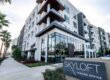
In the bustling landscape of Anaheim, Orange County, where apartment complexes dot the skyline amidst attractions like Disneyland and the Anaheim Convention Center, property maintenance goes far beyond routine upkeep. For property managers and owners, signage and branding represent the frontline of resident attraction, retention, and overall community identity. Effective signage isn’t just about visibility—it’s a strategic tool that enhances curb appeal, ensures compliance with local regulations, and integrates modern technologies for a seamless resident experience. Branding, on the other hand, transforms a mere housing unit into a desirable lifestyle choice, reflecting the vibrant, family-oriented vibe of Orange County.
This blog post delves into advanced property maintenance techniques specifically tailored for signage and branding in Anaheim’s apartment complexes. We’ll explore regulatory frameworks, best practices, innovative technologies, sustainable approaches, and real-world case studies. Whether you’re a seasoned property manager or a new investor in the multifamily market, these insights will help elevate your property’s value and resident satisfaction. By the end, you’ll understand how to turn signage from a functional necessity into a powerful branding asset, all while navigating the unique challenges of Anaheim’s competitive real estate scene.
Navigating Signage Regulations in Anaheim
Before diving into creative branding and tech-forward maintenance, it’s crucial to ground everything in compliance. Anaheim’s signage regulations, part of the broader Anaheim Municipal Code, are designed to balance aesthetic appeal with public safety and urban harmony. For apartment complexes, these rules dictate everything from sign height and area to illumination and placement, ensuring that signage doesn’t overwhelm the streetscape or pose hazards.
In the city’s zoning districts, signage for multifamily properties falls under specific categories like identification signs, monument signs, and changeable copy signs. For instance, monument signs in multi-family zones are typically limited to 4 feet in height and 20 square feet in area, with setbacks no closer than 7 feet from public rights-of-way. Wall signs can reach up to 25-40 feet, but overall, the code emphasizes proportionality to the building’s scale. Changeable copy signs, useful for displaying vacancy information or community events, may require conditional use permits if they involve electronic message boards, especially for larger complexes over 4 acres.
Orange County’s broader context adds layers, including state-mandated signage for towing, swimming pools, and emergency exits. Under the California Vehicle Code, towing signs must be prominently displayed, stating prohibitions and contact details for retrieval, with specific size and lettering requirements (e.g., 17″ by 22″ signs with 1″ tall letters). For pools in apartment complexes—common in sunny Anaheim—signs must adhere to the California Building Code, mandating legible warnings about no diving, lifeguard absence, and emergency procedures, with letters at least 4 inches high.
Advanced maintenance starts with regular audits to ensure compliance. Property managers should schedule bi-annual inspections to check for faded lettering, structural integrity, and adherence to illumination limits (no more than 250 foot-candles). Non-compliance can lead to fines or forced removals, disrupting branding efforts. In Anaheim’s tourist-heavy environment, where complexes compete with hotel signage, integrating these rules into branding strategies—such as using landscape elements for identity signs—can create welcoming entrances without violating setbacks. This regulatory foundation not only avoids pitfalls but also sets the stage for innovative, resident-focused enhancements.
Best Practices for Signage Maintenance in Multifamily Properties
Once compliant, the focus shifts to proactive maintenance that preserves signage’s functionality and aesthetic appeal. In Anaheim’s Mediterranean climate, with its hot summers and occasional Santa Ana winds, signage faces wear from UV exposure, dust, and vandalism. Best practices emphasize durability, visibility, and integration with the property’s overall look.
Start with material selection: Opt for weather-resistant options like aluminum composites or high-density urethane for monument signs, which resist fading and cracking. Regular cleaning—using mild, non-abrasive solutions every quarter—prevents buildup that dulls branding elements. For graffiti-prone areas, apply anti-graffiti coatings during installation; this allows easy removal without damaging the surface.
Wayfinding signage is critical in large complexes. Include clear directional signs for parking, amenities like gyms and pools, and resident vs. visitor areas. Best practices recommend consistency in design—using the same fonts, colors, and icons across all signs to reinforce branding. For example, parking signs should use bold, reflective lettering for nighttime visibility, reducing confusion and enhancing safety.
Maintenance checklists should include structural checks: Inspect poles and bases for rust or instability, especially after storms. Digital tools like asset management software can track maintenance schedules, logging repairs and replacements. In multifamily settings, involving residents through feedback surveys ensures signage meets their needs, such as multilingual options in diverse Orange County communities.
Advanced approaches incorporate preventive measures, such as LED retrofits for energy efficiency and longevity. These practices not only extend signage life—potentially up to 10-15 years—but also boost property value by maintaining a polished appearance that attracts tenants. In Anaheim, where competition is fierce, well-maintained signage can increase occupancy by signaling a cared-for community.
(Example of well-maintained monument signage in an Orange County apartment complex, showcasing branding elements like community logos and directional arrows.)
Branding Strategies Tailored to Apartment Complexes in Orange County
Branding turns signage into a narrative tool, conveying the essence of your complex. In Anaheim, branding should evoke the area’s fun, accessible vibe—think family-friendly themes inspired by nearby theme parks or the coastal lifestyle of Orange County.
Define your brand identity first: Conduct market research to understand your target demographic, such as young professionals, families, or retirees. Develop a cohesive palette—perhaps vibrant oranges and blues to nod to the county’s name and sunny disposition—and a logo that appears on all signage. Strategies include storytelling: Use monument signs to highlight amenities like “Resort-Style Living Near Disneyland,” differentiating from competitors.
Online integration is key. Pair physical signage with digital marketing: High-quality photos of branded entrances on websites and listings on platforms like Zillow attract inquiries. Rebranding efforts, such as name changes, should update all signage uniformly to avoid confusion and boost NOI.
In Orange County, leverage local appeal: Incorporate eco-friendly themes or community events on changeable signs to foster loyalty. Multifamily branding fosters emotional connections, reducing turnover and enhancing perceived value. Effective strategies can increase occupancy by aligning with tenant expectations, turning complexes into sought-after homes.
Incorporating Advanced Technologies in Signage and Branding
The future of property maintenance lies in tech integration. Digital signage revolutionizes apartment complexes by enabling real-time updates for announcements, events, or emergencies. In Anaheim, where traffic and tourism fluctuate, smart signs with sensors can adjust brightness or display parking availability.
LED and interactive displays offer dynamic branding: Electronic message boards for vacancy ads or virtual tours engage prospects. Networked systems allow centralized control, reducing maintenance time—update content remotely via cloud platforms.
AI enhances personalization: Signage that tracks viewer engagement can tailor messages, like promoting family events near Disneyland. For maintenance, IoT sensors monitor sign health, alerting to issues like bulb failures preemptively.
These technologies elevate branding by creating immersive experiences, such as augmented reality tours linked to QR codes on signs. In competitive Orange County, adopting them can boost ROI by improving communication and resident satisfaction.
Embracing Sustainability in Signage Maintenance
Sustainability is non-negotiable in eco-conscious California. In Anaheim, use recyclable materials like aluminum or bamboo for signs, reducing environmental impact. Solar-powered LEDs cut energy use, aligning with state incentives.
Maintenance practices should include eco-friendly cleaners and recycling old signage. Anti-graffiti films extend life, minimizing replacements. Branding can highlight green initiatives, appealing to millennial renters.
Sustainable signage not only complies with potential future regulations but also enhances reputation, potentially increasing property value in green-focused markets.
Case Studies:
Consider a prominent Orange County apartment community that underwent a full rebranding: A name change prompted a monument sign makeover, boosting curb appeal and occupancy. Another complex used low-cost vinyl overlays for a fresh look, incorporating anti-graffiti elements for long-term durability.
In one documented example, a mid-size Anaheim property achieved 94% occupancy shortly after updating signage and branding elements, demonstrating clear return on investment. These real-world applications show how integrated signage and branding drive measurable results in the Anaheim market.
(Before-and-after view of a rebranded apartment complex entrance in Orange County, highlighting modern signage integration.)
Conclusion:
Advanced property maintenance for signage and branding in Anaheim’s apartment complexes is a multifaceted endeavor that blends compliance, innovation, and resident-centric strategies. By adhering to local regulations, adopting best practices, leveraging technologies, prioritizing sustainability, and learning from successful examples, property managers can create compelling communities that stand out in Orange County. This not only enhances aesthetics and functionality but also drives long-term value, reducing vacancies and fostering loyalty. Invest in your signage today—it’s the silent ambassador of your brand.