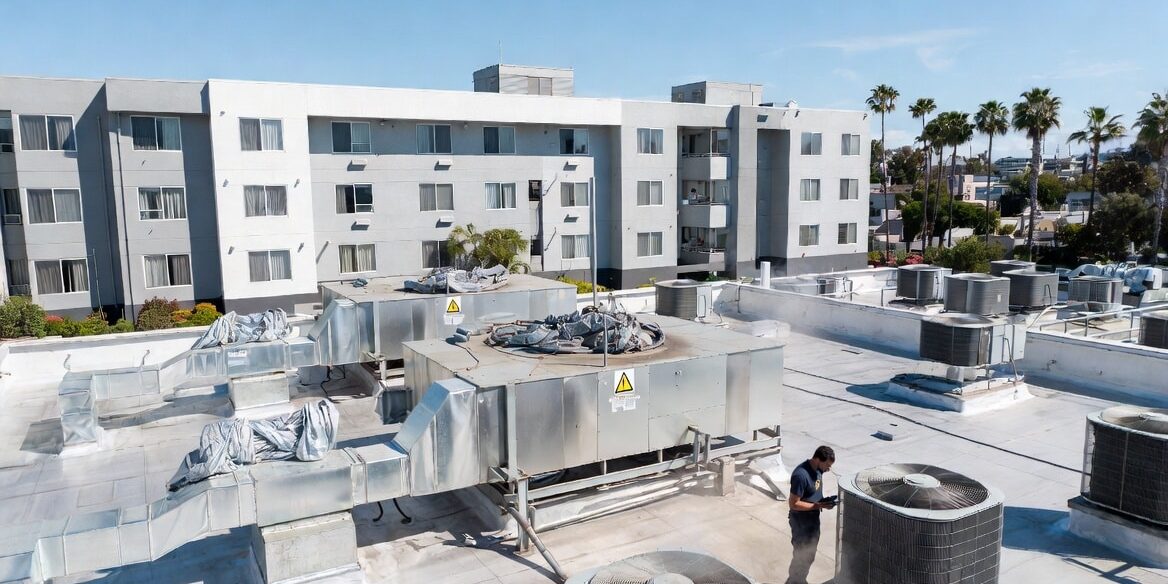
Commercial condominiums in Fullerton, California, represent a unique blend of mixed-use development, retail spaces, office suites, and sometimes light industrial or residential components within a vibrant Orange County community. Located in a Mediterranean climate zone characterized by warm summers, mild winters, significant diurnal temperature swings, and occasional Santa Ana winds carrying dust and pollen, these properties face distinctive HVAC demands. Fullerton’s proximity to major freeways, its growing mixed-use projects under the Housing Incentive Overlay Zone, and adherence to stringent California building standards amplify the complexities of maintaining reliable heating, ventilation, and air conditioning systems.
Property managers, condo associations, and building owners in Fullerton must navigate a landscape where HVAC systems not only ensure occupant comfort and productivity but also comply with evolving energy codes, manage high utility costs amid California’s elevated electricity rates, and address tenant retention issues stemming from inconsistent climate control. This comprehensive guide explores the primary challenges, their root causes specific to Fullerton’s commercial condos, practical solutions, regulatory considerations, and forward-looking strategies for long-term success. Whether you oversee a mid-rise office condo near Cal State Fullerton or a retail-focused mixed-use development, understanding these dynamics can prevent costly downtime and enhance property value.
Understanding Fullerton’s Climate and Its Impact on Commercial HVAC Systems
Fullerton experiences average high temperatures ranging from the low 70s in winter to the mid-80s (and occasionally higher) in summer, with low humidity punctuated by dry, dusty Santa Ana winds. These winds, combined with freeway dust and pollen, accelerate wear on outdoor condenser units and filters. Systems often run heavily from March through October, placing prolonged strain on components.
In commercial condos, where multiple tenants occupy shared or zoned spaces, this climate translates to variable heat loads from electronics, lighting, occupants, and appliances. Open floor plans common in modern Fullerton developments exacerbate uneven temperature distribution. Older buildings, many constructed before modern energy standards, struggle with inadequate insulation or ductwork originally sized for milder heating demands rather than intensive cooling.
Diurnal swings—cooler nights following hot days—demand systems capable of quick recovery without excessive energy use. Santa Ana events introduce particulate matter that clogs coils and reduces efficiency, while occasional heat waves test system capacity, leading to complaints in multi-tenant environments where one suite’s comfort affects neighbors.
Common HVAC Challenges in Fullerton Commercial Condos
Commercial condo HVAC systems encounter several recurring issues, many amplified by the shared nature of these properties and local conditions.
1. Inadequate Airflow and Uneven Temperature Distribution Blocked or dirty filters, clogged evaporator and condenser coils, and restricted ductwork are leading culprits. In condos, shared rooftop units or centralized systems serving multiple units often suffer from imbalanced zoning. Vents blocked by furniture or poor initial design lead to hot or cold spots. Fullerton’s dust-laden air accelerates filter loading, forcing systems to work harder and cycle more frequently.
Consequences include tenant dissatisfaction, reduced productivity in office spaces, and higher energy consumption as the system compensates. In mixed-use condos, retail areas with high foot traffic generate different loads than quieter office suites, complicating balance.
2. Refrigerant Leaks and Phase-Out Complications Refrigerant leaks reduce cooling capacity, cause ice buildup on coils, and increase operational strain. California’s AIM Act accelerates the phase-out of high-global-warming-potential refrigerants like R-410A, shifting toward alternatives such as R-454B. Supply chain strains for these new refrigerants can delay repairs, particularly during peak summer demand.
In commercial condos, leaks pose not only efficiency losses but also potential environmental compliance risks and higher recharge costs. Aging systems in older Fullerton properties are especially vulnerable.
3. Thermostat and Control System Malfunctions Faulty or poorly placed thermostats lead to inconsistent operation. In multi-tenant condos, centralized controls may not accommodate individual preferences, resulting in constant adjustments or overrides. Smart or zoned systems, while beneficial, require proper integration; miscalibration wastes energy and creates disputes among owners.
4. Electrical Component Failures and Overloading Worn wiring, failing contactors, capacitors, or tripped breakers cause sudden shutdowns. Commercial systems in condos endure heavy use from variable occupancy. Peak loads during business hours, combined with Fullerton’s warm climate, increase electrical stress. Fire hazards, though rare, underscore the importance of proactive checks.
5. Poor Indoor Air Quality (IAQ) Dirty components, insufficient ventilation, and mold from condensate drain blockages degrade air quality. In densely occupied commercial condos, this affects health, triggering complaints or even code violations. Santa Ana winds introduce allergens, while inadequate fresh air intake exacerbates issues in sealed modern buildings.
6. High Energy Consumption and Rising Utility Bills HVAC often accounts for a large portion of a commercial condo’s energy use. Inefficient systems, poor maintenance, and outdated equipment drive costs, especially with Orange County’s high electricity rates. Aging rooftop units common in Fullerton condos lose efficiency over time, sometimes operating well beyond their 15-25 year expected lifespan.
7. Maintenance and Access Challenges in Multi-Tenant Settings Shared systems mean coordinated access for servicing is difficult. Tenants may resist disruptions, while responsibility for repairs under condo agreements or leases can spark disputes. Preventive maintenance often falls behind in busy commercial environments.
8. Space Constraints and Installation Complexities Retrofitting HVAC in existing Fullerton commercial condos involves limited mechanical room space, roof access issues, and the need to minimize tenant disruption. Ductwork modifications or new zoning must navigate structural limitations.
Regulatory and Compliance Landscape in Orange County
California’s Title 24 (Building Energy Efficiency Standards) governs HVAC in commercial properties, mandating minimum efficiency ratings, proper sizing via Manual J or equivalent calculations, ventilation rates, and controls for energy management. Fullerton, as part of Orange County, adopts the latest California Building Code, Mechanical Code, and Energy Code, with updates effective periodically (e.g., 2025 codes influencing new work from 2026 onward).
Key requirements include:
- High-efficiency equipment (e.g., variable refrigerant flow or heat pump systems in mixed-use projects).
- Demand-controlled ventilation and economizers where applicable.
- Fault detection and diagnostics for larger systems.
- Compliance during tenant improvements or major alterations.
Permits are typically required for new installations, replacements, or significant duct modifications. Non-compliance risks fines, failed inspections, or delays in occupancy. Orange County’s focus on energy efficiency aligns with broader state goals to reduce greenhouse gas emissions, encouraging upgrades like high-SEER units or smart controls.
In commercial condos, HOA or association bylaws may impose additional rules on modifications, while triple-net (NNN) leases often shift maintenance and repair costs to tenants, though major capital replacements might fall to owners—clarity in lease language is essential to avoid litigation.
Strategies for Overcoming HVAC Challenges
Effective navigation requires a proactive, multi-layered approach tailored to Fullerton’s context.
Implement Robust Preventive Maintenance Programs Schedule bi-annual or quarterly professional inspections, ideally before cooling and heating seasons. Tasks should include:
- Replacing or cleaning filters regularly (more frequently during dusty periods).
- Cleaning evaporator and condenser coils.
- Checking and clearing condensate drains to prevent overflows and water damage.
- Inspecting belts, electrical connections, and refrigerant levels.
- Balancing airflow and calibrating controls.
In multi-tenant condos, establish clear protocols for access and documentation. Partner with local Fullerton-area commercial HVAC specialists experienced in Orange County codes.
Upgrade to Energy-Efficient and Smart Systems Consider retrofits such as variable-speed compressors, high-efficiency heat pumps, or VRF (variable refrigerant flow) systems ideal for zoned commercial spaces. These can reduce energy use by 30-50% in some cases. Integrate building automation systems (BAS) for centralized monitoring, fault alerts, and demand response.
For mixed-use Fullerton projects, hybrid approaches combining dedicated outdoor air systems (DOAS) with energy recovery ventilators improve IAQ while minimizing loads. Cool roofing and better insulation complement HVAC upgrades under local incentive programs.
Address Airflow and Zoning Issues Professional duct sealing, cleaning, and balancing restore even distribution. In older condos, adding dampers or subdividing zones enhances control. Smart thermostats with occupancy sensors allow tenant-specific adjustments without compromising overall efficiency.
Manage Refrigerant and Electrical Risks Work with certified technicians familiar with transitioning refrigerants. Regular leak detection and proper charging prevent issues. Electrical upgrades, including surge protection, mitigate failure risks.
Enhance Indoor Air Quality Incorporate MERV-rated or HEPA filtration where feasible, UV lights for coil sterilization, and improved ventilation per Title 24. Regular IAQ testing reassures tenants, particularly in post-pandemic environments.
Financial and Tenant Management Considerations Explore utility rebates, energy efficiency incentives, or performance contracting where savings fund upgrades. In condos, allocate maintenance responsibilities clearly in governing documents. Educate tenants on best practices, such as not blocking vents or reporting issues promptly, to reduce strain on systems.
For repairs under leases, document everything to support cost allocation.
Case Examples and Lessons from Orange County
While specific Fullerton commercial condo case studies are proprietary, patterns from nearby Orange County properties illustrate solutions. Mixed-use developments have successfully implemented VRF systems with heat recovery, achieving lower energy use intensity while meeting Title 24. One approach involved sub-metering to incentivize tenant conservation, reducing overall bills.
Properties transitioning from reactive to preventive maintenance reported fewer emergencies, extended equipment life, and improved tenant satisfaction. Retrofitting older rooftop units with advanced controls in similar climates yielded measurable savings, offsetting upfront costs within years.
In high-occupancy scenarios near universities or retail hubs like Fullerton, integrating real-time monitoring via apps allowed quick response to imbalances, minimizing complaints.
Future-Proofing HVAC in Fullerton Commercial Condos
Looking ahead, Fullerton’s General Plan updates and sustainability initiatives emphasize energy efficiency and resilience. Climate change projections suggest warmer summers, increasing cooling demands and underscoring the need for adaptable systems.
Emerging technologies—such as geothermal supplementation, advanced AI-driven predictive maintenance, and low-GWP refrigerants—offer pathways to net-zero goals. Condo associations should prioritize lifecycle costing over initial price when planning replacements.
Integration with smart city efforts, like those explored by the City of Fullerton for energy savings, can provide additional funding or technical support.
Conclusion: Proactive Leadership for Sustainable Comfort
Navigating HVAC challenges in Fullerton’s commercial condominiums demands vigilance, expertise, and collaboration among owners, managers, tenants, and qualified contractors. By addressing airflow issues, embracing energy-efficient upgrades, ensuring regulatory compliance, and committing to consistent maintenance, stakeholders can mitigate risks, control costs, and deliver superior indoor environments.
In a competitive Orange County real estate market, well-functioning HVAC systems differentiate properties, supporting higher occupancy rates, tenant retention, and long-term asset value. Engage local professionals early, review governing documents regularly, and view HVAC not as a cost center but as a critical investment in comfort, efficiency, and sustainability.
For property-specific assessments, consult licensed HVAC contractors familiar with Fullerton and Orange County requirements. With thoughtful planning, commercial condos in Fullerton can overcome today’s challenges while preparing for a more energy-resilient future.