

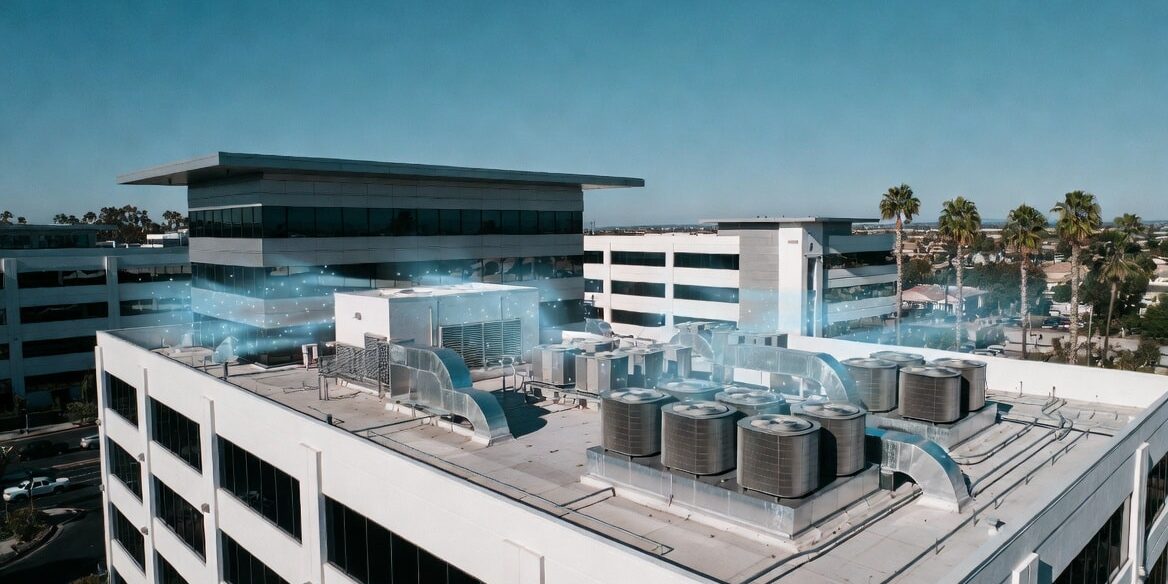
In the heart of Orange, California, within Orange County, office buildings serve as hubs for businesses ranging from tech startups and professional services to corporate offices in areas like the Old Towne Orange Historic District and nearby business parks. These structures face unique environmental challenges: mild coastal influences mixed with hotter inland summers, occasional Santa Ana winds carrying dust and pollutants, and California’s stringent energy regulations. At the center of maintaining comfortable, healthy, and productive workspaces stands the HVAC system—Heating, Ventilation, and Air Conditioning.
HVAC systems do far more than control temperature. They influence energy consumption, indoor air quality (IAQ), employee health and productivity, operational costs, and regulatory compliance. In a region where commercial buildings can consume 50-100 kWh per square foot annually, with HVAC accounting for 40-60% of that total, understanding their impact is essential for property managers, building owners, and tenants alike.
This comprehensive exploration delves into the multifaceted role of HVAC in Orange office buildings, drawing on local climate considerations, California-specific standards, health implications, economic factors, and emerging technologies. Whether managing a mid-sized office in Orange or a larger complex nearby, optimizing HVAC delivers measurable benefits in efficiency, comfort, and sustainability.
The Role of HVAC in Modern Office Environments
HVAC systems in office buildings regulate temperature, humidity, and airflow to create consistent indoor conditions. In Orange, where summers often reach the mid-90s inland and winters remain mild, cooling demands dominate, but heating and ventilation remain critical year-round.
A well-designed HVAC system circulates air through ducts, filters contaminants, and introduces fresh outdoor air while exhausting stale air. In multi-tenant office spaces common in Orange County, variable air volume (VAV) systems or variable refrigerant flow (VRF) setups allow individualized zoning, preventing one area’s needs from affecting another.
Without effective HVAC, offices experience uneven temperatures—”hot spots” near windows or “cold zones” in interior spaces—leading to occupant discomfort. Noise from malfunctioning units or poor airflow can also distract workers. In essence, HVAC forms the invisible backbone of workplace functionality, directly affecting daily operations in Orange’s competitive business landscape.
Energy Efficiency and Consumption in Orange County Offices
Energy use ranks among the top concerns for office building operators in Orange. HVAC often represents the largest single energy consumer, sometimes exceeding 50% of total building electricity.
Local data indicates that traditional systems in the region struggle with efficiency, especially older gas-fired units. High-efficiency electric heat pumps are increasingly replacing them, achieving Seasonal Energy Efficiency Ratios (SEER) over 30 compared to 10-15 for legacy equipment. In a 100,000-square-foot office, such upgrades can cut HVAC energy use by 20-40%.
Energy Recovery Ventilators (ERVs) further enhance performance by capturing heat or coolness from exhaust air and transferring it to incoming fresh air, potentially reducing ventilation loads by up to 70%. This technology proves particularly valuable in Orange’s climate, where diurnal temperature swings and ventilation needs create opportunities for recovery.
California’s Title 24 Building Energy Efficiency Standards (Part 6 of Title 24) mandate strict efficiency requirements for HVAC in new construction and major renovations. These include proper equipment sizing via ACCA Manual J calculations, duct sealing to minimize leaks, and high-efficiency ratings. The 2025 updates, effective January 1, 2026, further promote heat pumps for rooftop units under 65,000 BTU/h in offices, aiming to electrify systems and reduce reliance on fossil fuels.
In Orange, where electricity rates rank among California’s higher ones, inefficient HVAC directly inflates utility bills. Retrofits—such as upgrading to variable-speed motors or adding smart controls—often yield quick paybacks through lower consumption and available rebates via programs like Energy Upgrade California.
Poorly maintained systems exacerbate waste: dirty filters or clogged coils force units to work harder, increasing energy draw by 10-20% or more. Regular tune-ups restore efficiency, extending equipment life and aligning with Title 24’s emphasis on performance.
Indoor Air Quality and Health Impacts
Indoor air quality stands as one of HVAC’s most profound influences on office occupants. Americans spend about 90% of their time indoors, making IAQ critical for health.
In Orange office buildings, HVAC systems filter dust, pollen, VOCs from furniture and printers, and outdoor pollutants drawn in during Santa Ana winds or wildfire smoke seasons. High-efficiency filtration, such as MERV 13 or better, significantly reduces airborne contaminants. Studies show that upgrading from MERV 10 to MERV 13 can lower virus concentrations by about 10%, with only a modest 3% increase in energy use.
Poor IAQ leads to Sick Building Syndrome (SBS), characterized by headaches, fatigue, respiratory irritation, dry eyes, and difficulty concentrating. Symptoms often improve when occupants leave the building. Research links lower ventilation rates to higher SBS prevalence; increasing outdoor air delivery (up to 20-35 cfm per person) can reduce symptoms by 20-30% in offices.
Post-pandemic, ASHRAE guidance emphasizes enhanced ventilation, economizer modes for more fresh air when conditions allow, and extended system run times for flushing spaces. In dense Orange County co-working or multi-tenant offices, inadequate HVAC contributes to higher absenteeism and reduced cognitive performance. Harvard studies suggest well-managed IAQ can boost productivity by thousands of dollars per employee annually through better focus and fewer sick days.
Humidity control also matters. Orange’s variable climate can foster mold growth in ducts if humidity exceeds optimal levels (30-60%). Regular duct cleaning and maintenance prevent microbial buildup, safeguarding respiratory health—especially important amid Southern California’s allergy and pollution concerns.
Productivity, Comfort, and Employee Well-Being
Comfort directly correlates with performance. Temperatures outside the 72-74°F sweet spot impair concentration and problem-solving. Employees in uncomfortable environments report higher stress and lower output.
Effective HVAC minimizes distractions from noise, drafts, or odors, fostering an environment where workers thrive. In Orange’s hybrid work era, where offices compete for talent, superior IAQ and consistent climate control enhance tenant satisfaction and retention.
Sick Building Syndrome not only causes discomfort but also drives absenteeism. One analysis noted increased sickness absenteeism in air-conditioned offices with poor maintenance compared to naturally ventilated spaces. Conversely, optimized HVAC reduces illness spread by diluting contaminants and filtering pathogens.
For businesses in Orange, investing in HVAC translates to tangible ROI: lower turnover, fewer lost workdays, and higher cognitive output. Studies indicate productivity gains of up to 15% in spaces with superior ventilation and filtration.
Maintenance, Costs, and Common Challenges
Neglecting HVAC proves costly. In Orange County, routine maintenance—filter changes, coil cleaning, refrigerant checks, and duct inspections—prevents breakdowns, sustains efficiency, and improves IAQ. Poorly maintained systems become breeding grounds for mold and bacteria, circulating contaminants throughout the building.
Common issues in local offices include:
- Uneven temperature distribution due to improper zoning or duct leaks.
- Excessive noise from aging components.
- Reduced airflow from clogged filters, forcing higher energy use.
- Compliance risks under Title 24 or local health codes.
Costs vary widely. For commercial HVAC in Orange, basic installations or retrofits for smaller offices start in the thousands, while full systems for larger buildings range from $15,000–$50,000+ depending on size, with per-square-foot estimates around $20–$33. Replacement in Orange County often runs higher due to labor and material costs, but energy savings and rebates offset expenses over time.
Retrofits offer a middle ground: upgrading components like high-efficiency boilers, chillers, or adding ERVs without full replacement. Benefits include lower bills, better IAQ, and enhanced comfort at a fraction of new-system costs.
Preventive maintenance programs typically pay for themselves through avoided emergency repairs (which can halt operations) and extended equipment lifespan—often adding years to rooftop units common in California offices.
Regulatory Landscape and Compliance in California
California leads in building efficiency. Title 24 sets mandatory standards for HVAC sizing, duct insulation/sealing, ventilation rates, and equipment efficiency. Non-compliance risks failed inspections, delays in occupancy permits, or penalties.
The 2025 Energy Code strengthens ventilation, promotes heat pumps, and encourages demand-response capabilities for grid stability. In Orange, coastal zones (milder loads) versus inland areas (higher cooling demands) require tailored approaches per climate zones.
Local incentives and rebates further encourage upgrades, aligning economic and environmental goals. Building owners must also consider wildfire smoke readiness—HVAC with robust filtration protects occupants during poor outdoor air quality events.
Emerging Trends and Future-Proofing HVAC in Orange Offices
Innovation transforms HVAC in Orange County offices. Smart systems integrate IoT sensors for real-time monitoring of occupancy, temperature, humidity, and IAQ. Building Management Systems (BMS) use AI to optimize operations—pre-cooling based on schedules or adjusting zones dynamically—potentially slashing HVAC energy by 20-40%.
Dedicated Outdoor Air Systems (DOAS) paired with VRF or heat pumps provide precise control while minimizing energy waste. Electrification trends reduce carbon footprints, supported by state policies.
Adaptive reuse projects—converting older Orange buildings—often prioritize HVAC retrofits for modern demands, incorporating energy recovery and smart controls to meet Class A standards without full demolition.
Sustainability extends to resilience: systems designed for climate variability, including better filtration against outdoor pollutants.
Best Practices for Office Building Managers in Orange
- Schedule Regular Maintenance: Biannual professional inspections plus monthly filter changes prevent most issues.
- Invest in Upgrades Strategically: Prioritize high-ROI items like variable-speed components, ERVs, or smart thermostats.
- Monitor IAQ: Use sensors for CO2, particulates, and VOCs; aim for ventilation rates supporting health and productivity.
- Ensure Title 24 Compliance: Work with certified technicians for installations and acceptance testing.
- Plan for the Future: Consider heat pumps and IoT during replacements or renovations to future-proof against rising energy costs and regulations.
- Engage Tenants: Communicate maintenance schedules and encourage feedback on comfort.
Property managers in Orange benefit from partnering with local NATE-certified HVAC professionals familiar with regional challenges and incentives.
Conclusion: HVAC as a Strategic Asset
In Orange, Orange County, HVAC systems transcend basic climate control. They drive energy efficiency, safeguard health through superior IAQ, boost productivity, ensure regulatory compliance, and deliver long-term cost savings. From mitigating Sick Building Syndrome to embracing smart electrification under evolving Title 24 standards, a high-performing HVAC system positions office buildings for success in a competitive market.
As California pushes toward decarbonization and resilience, proactive investment in modern, efficient HVAC yields dividends in occupant well-being, operational excellence, and environmental stewardship. Building owners and managers who prioritize these systems not only reduce expenses and risks but also create workplaces where people—and businesses—thrive.
For Orange office properties, the message is clear: treat HVAC as a core strategic investment, not an afterthought. With proper design, maintenance, and technology integration, these systems will continue powering comfortable, healthy, and sustainable workspaces amid the region’s dynamic climate and regulatory environment.