

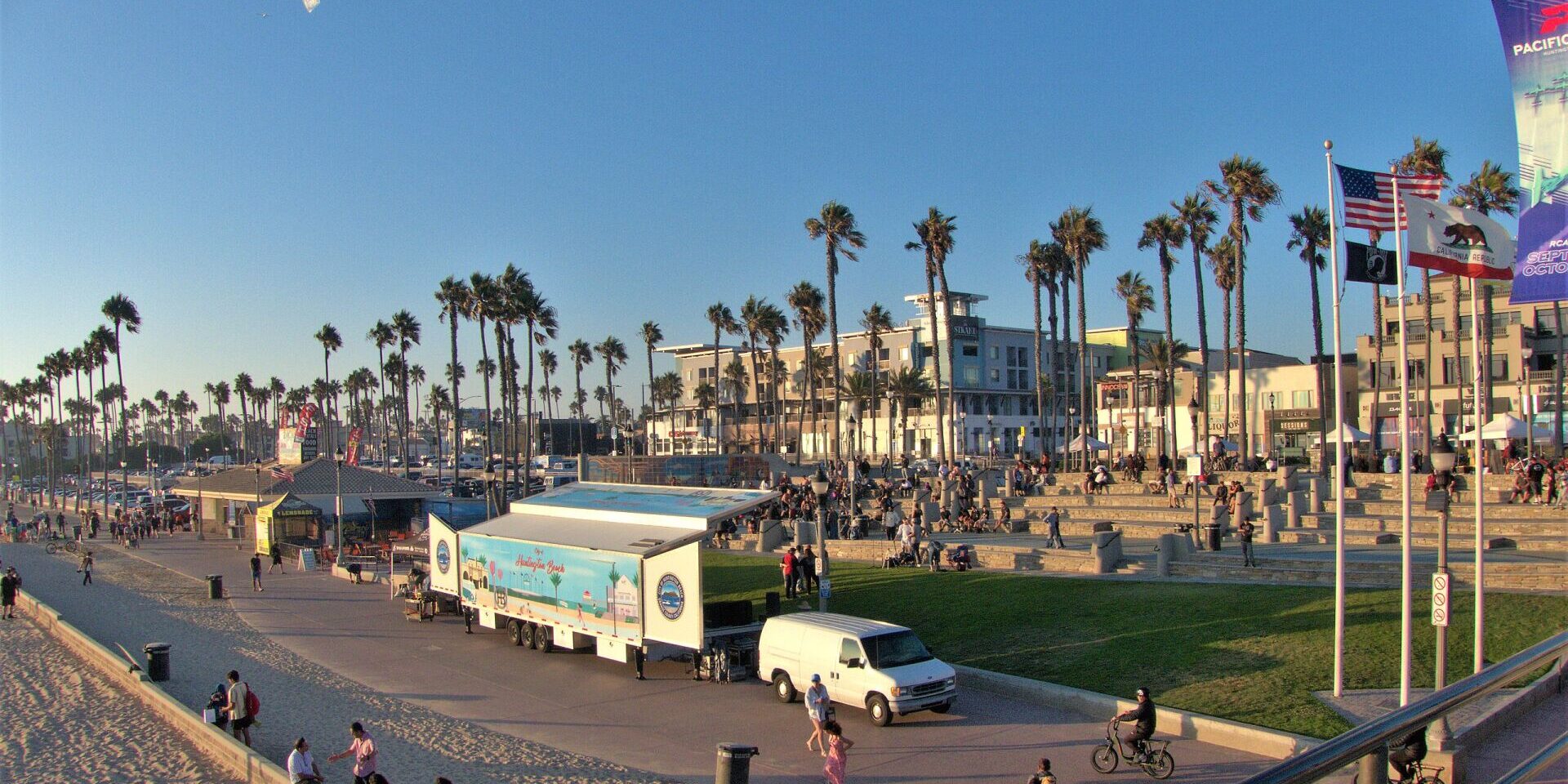
Huntington Beach, California, famously known as “Surf City USA,” is a coastal haven that attracts millions of visitors annually with its pristine beaches, world-renowned surfing culture, and vibrant community. Within this bustling city, Huntington Harbour, a picturesque waterfront neighborhood, stands out as an upscale enclave characterized by its serene canals, luxury homes, and proximity to the Pacific Ocean. Spanning just 1.4 square miles, much of which is water, Huntington Harbour is a magnet for tourists seeking boating, kayaking, and a tranquil coastal lifestyle. However, the influx of visitors to Huntington Beach, particularly to areas like Huntington Harbour, has a profound impact on the local housing market. This blog post explores how tourism shapes housing dynamics in Huntington Harbour, delving into property values, short-term rentals, community challenges, and future trends, while offering insights for residents, investors, and policymakers.
The Tourism Boom in Huntington Beach
Huntington Beach welcomed over 47 million visitors to Orange County in 2023, with a significant portion drawn to its 10 miles of uninterrupted coastline, including attractions like the Huntington Beach Pier and the U.S. Open of Surfing. Visitor spending contributes over $400 million annually to the local economy, fueling industries from hospitality to real estate. Huntington Harbour, with its scenic waterways, marina, yacht club, and proximity to beaches, is a focal point for tourists seeking a premium coastal experience. Activities like gondola rides, paddleboarding, and dining at upscale eateries such as J. King Neptune’s Restaurant enhance its appeal. This tourism surge creates a ripple effect, influencing housing demand, property management, and neighborhood dynamics in Huntington Harbour.
Driving Demand for Housing
Tourism significantly drives housing demand in Huntington Harbour, particularly for waterfront properties. The neighborhood’s idyllic setting, with large, high-end homes along the harbor, appeals to affluent buyers and investors looking to capitalize on the area’s tourism-driven allure. According to real estate data, the median home price in Huntington Beach reached approximately $1.35 million in early 2025, with Huntington Harbour properties often commanding even higher prices due to their waterfront locations. Trulia reports that median sales prices in Huntington Harbour have risen steadily, sitting at $1.24 million in 2020, reflecting a 7% increase from 2017. This appreciation is fueled by the neighborhood’s desirability as a vacation destination, making it a hotspot for second homes and investment properties.
The influx of remote workers and retirees, drawn by Huntington Beach’s coastal charm and proximity to urban hubs like Los Angeles (just 45 minutes away), further intensifies competition. Bidding wars are common, with homes selling 8% above asking prices on average. Properties with direct harbor access or proximity to attractions like Sunset Gondola or Seabridge Park are particularly sought after, as they offer both lifestyle benefits and rental income potential. Tourism thus acts as a catalyst, elevating property values and tightening the housing market in Huntington Harbour.
The Rise of Short-Term Rentals
One of the most visible impacts of tourism on Huntington Harbour’s housing market is the proliferation of short-term rentals (STRs). Platforms like Airbnb and Vrbo have transformed the neighborhood, with homeowners capitalizing on the demand for vacation rentals. A well-located waterfront condo in Huntington Harbour can fetch nightly rates of $300 or more during peak seasons, such as summer or during events like the Pacific Airshow. This income potential far exceeds traditional long-term leases, making STRs a lucrative option for property owners.
However, managing STRs in a tourism-heavy area like Huntington Harbour comes with challenges. Property managers must handle frequent turnovers, requiring meticulous coordination of cleanings, maintenance, and guest services. The wear and tear from constant visitors—such as sand tracked in from nearby beaches or overuse of amenities like docks—demands proactive upkeep. Additionally, the city imposes strict regulations on STRs, including permits, occupancy limits, and noise restrictions, to balance tourism’s economic benefits with community needs. Property managers play a critical role in ensuring compliance, as violations can lead to fines or permit revocation. The rise of STRs has thus reshaped housing use in Huntington Harbour, shifting some properties from permanent residences to transient accommodations.
Impact on Housing Affordability
While tourism boosts property values and rental income, it exacerbates affordability challenges in Huntington Harbour. The neighborhood’s median household income is $102,380, yet the high cost of living—83.8% above the national average—strains even above-average earners. Median rent prices, stabilized at around $3,400, and luxury home prices starting at $1–2 million make homeownership elusive for many locals. The influx of wealthy buyers and investors, drawn by tourism-driven demand, fuels speculation, further pricing out first-time buyers and long-term renters.
This dynamic has sparked debates about housing affordability in Huntington Beach. Some residents argue that tourism-driven real estate speculation is eroding the neighborhood’s residential character, as homes once occupied by families are converted into STRs or vacation homes. The city’s tight housing supply, with a vacancy rate of just 2.2% in some areas, exacerbates this issue. Initiatives like the Pelican Harbor affordable senior housing project, set to provide 42 units, aim to address this, but such efforts are limited compared to the scale of demand. Tourism, while economically vital, thus contributes to a competitive housing market that challenges affordability in Huntington Harbour.
Community and Environmental Challenges
The tourism boom also brings community and environmental concerns that impact Huntington Harbour’s housing landscape. Long-term residents often cite noise, parking shortages, and disruptions from STR guests as drawbacks. In a neighborhood known for its quiet, family-friendly atmosphere, the presence of rotating vacationers can strain community cohesion. Property managers mitigate this by enforcing house rules and using tools like noise-monitoring devices, but tensions persist. Homeowners associations (HOAs) and city policies, such as capping STR permits, aim to balance these concerns, but the debate over tourism’s impact on neighborhood character remains ongoing.
Environmentally, Huntington Harbour’s coastal location exposes properties to challenges exacerbated by tourism. The neighborhood faces risks from flooding, high surf conditions, and earthquakes, with 30% of weather extremes between 1950 and 2010 attributed to flood events. Rising sea levels, projected to increase by 12 inches by 2040, threaten coastal erosion and raise insurance premiums for homeowners. Tourism-driven wear and tear, such as increased boat traffic or sand accumulation, adds to maintenance costs. Property managers must address these issues proactively, scheduling regular inspections and factoring in environmental factors like salt air corrosion to keep homes appealing to both residents and visitors.
Future Trends and Opportunities
Looking ahead to 2025 and beyond, tourism’s impact on Huntington Harbour’s housing market will continue to evolve. Emerging trends like eco-tourism and remote work are reshaping demand. Visitors increasingly seek sustainable rentals with features like solar panels or water-saving fixtures, prompting property owners to invest in “green” upgrades. The rise of remote work has also spurred demand for longer-term stays, with properties marketed as remote-work-friendly, equipped with high-speed Wi-Fi and dedicated office spaces. These trends offer opportunities for investors to diversify their portfolios, focusing on properties that cater to both short-term tourists and extended-stay professionals.
Technology is transforming property management in Huntington Harbour. Smart locks, virtual tours, and AI-driven pricing tools streamline STR operations, enhancing efficiency and guest satisfaction. Blockchain-based real estate transactions, though still emerging, could add transparency to the market. Meanwhile, ongoing regulatory debates over STRs and housing development will shape the neighborhood’s future. Compliance with California’s housing element laws, which mandate planning for affordable units, could lead to more high-density projects or accessory dwelling units (ADUs) in Huntington Harbour, potentially easing supply constraints.
Strategic Considerations for Stakeholders
For homebuyers, navigating Huntington Harbour’s competitive market requires strategic timing and flexibility. Exploring mainland properties or condos, which are more affordable than waterfront homes, can offer entry points. Staying informed about local zoning changes or state housing mandates can also uncover new opportunities.
For investors, the STR market remains lucrative, but diversification is key. Investing in multi-family units or properties suitable for affordable housing projects could yield long-term returns, especially with potential tax incentives. Partnering with local developers familiar with Huntington Harbour’s nuances can mitigate regulatory risks.
For policymakers, balancing tourism’s economic benefits with housing affordability and community needs is critical. Engaging residents in inclusive planning processes and investing in infrastructure—such as water systems or transportation—can support new developments without compromising the neighborhood’s appeal.
Conclusion
Tourism is a defining force in Huntington Harbour, driving housing demand, elevating property values, and fueling the rise of short-term rentals. While it brings economic vitality, it also poses challenges, from affordability concerns to community tensions and environmental pressures. As Huntington Beach continues to evolve as a premier coastal destination, stakeholders must navigate this dynamic landscape with foresight and adaptability. By embracing innovative solutions, such as sustainable upgrades and technology-driven property management, and addressing affordability through targeted development, Huntington Harbour can maintain its allure as a waterfront gem while fostering a sustainable housing market. For residents, investors, and policymakers, the key lies in harnessing tourism’s benefits while preserving the neighborhood’s unique character and quality of life.






