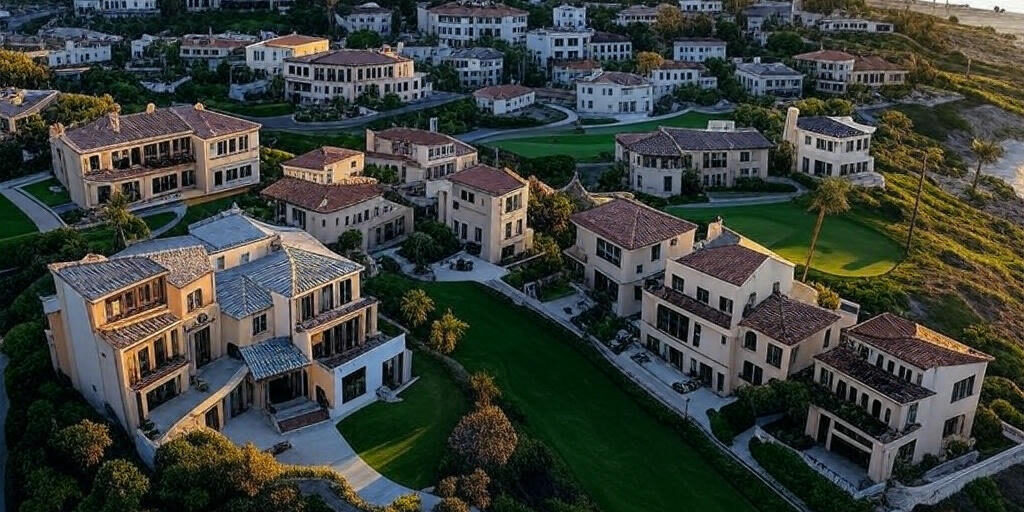
Nestled along the sun-kissed shores of Southern California, Dana Point is a coastal gem that blends natural beauty, rich history, and a laid-back surf culture. Known for its dramatic bluffs, pristine beaches, and vibrant harbor, this Orange County city has long captivated residents and visitors alike. But beyond its scenic vistas lies a tapestry of neighborhoods, each with its own story, character, and allure. From the historic Lantern Village to the luxurious Monarch Beach and the serene Niguel Shores, Dana Point’s most iconic neighborhoods offer a glimpse into the city’s evolution—from a rugged trading outpost to a modern seaside haven. Let’s dive into the fascinating tales behind these beloved enclaves.
Lantern Village: The Heart of Dana Point’s History
At the core of Dana Point’s identity lies Lantern Village, a neighborhood that echoes the city’s earliest ambitions. Its story begins in the 1920s when developer Sidney H. Woodruff, famed for creating Hollywoodland (yes, the Hollywood sign guy), envisioned a grand resort town along these coastal cliffs. Partnering with investors through the Dana Point Syndicate, Woodruff acquired 1,388 acres of land, including the prominent Headlands, and set out to craft a Mediterranean-inspired paradise. His plans promised tree-lined streets, modern amenities, and a luxurious cliffside hotel, the Dana Point Inn.
The streets of Lantern Village bear the whimsical names of colored lanterns—Street of the Blue Lantern, Street of the Violet Lantern, and so on—a nod to the maritime signals ships once used to advertise their wares in the natural harbor below. Woodruff built 35 homes and several commercial buildings, many of which still stand today, preserving the neighborhood’s Spanish-style charm. His crowning jewel, the Dana Point Inn, saw its foundation laid in 1930, complete with a 135-foot elevator shaft to ferry guests to the beach. But the Great Depression halted construction, leaving the inn an unfinished dream and the shaft a haunting relic atop the bluffs.
Despite the setback, Lantern Village endured. Today, it’s a vibrant hub with about 12,000 residents, blending historic homes with boutique shops, eateries, and a close-knit community feel. The neighborhood’s proximity to Dana Point Harbor—completed in 1971—adds to its appeal, offering residents easy access to boating, dining, and coastal strolls. Lantern Village remains a testament to Woodruff’s vision, a place where the past and present harmonize against a backdrop of ocean waves.
Monarch Beach: Luxury Meets Coastal Legacy
If Lantern Village is Dana Point’s historic heart, Monarch Beach is its crown jewel of modern luxury. Stretching along the southern edge of the city, this neighborhood is synonymous with exclusivity and breathtaking coastal views. Its name harkens back to Monarch Bay, a once-famed gathering spot for thousands of monarch butterflies, though the area’s allure now lies in its upscale homes, world-class golf, and resort-style living.
Monarch Beach’s story is one of transformation. In the mid-20th century, it was a quiet stretch of coastline, frequented by surfers and nature lovers. But its proximity to the Pacific Ocean and the development of the Monarch Beach Golf Links in the 1980s sparked a shift. The golf course, designed by Robert Trent Jones Jr., became a magnet for affluent residents, drawing in gated communities like Monarch Bay and Monarch Bay Terrace. These enclaves offer private beach access, stunning vistas of Catalina Island, and membership in the prestigious Monarch Bay Beach Club, where first-class beach services elevate the coastal lifestyle.
The neighborhood’s appeal is heightened by its adjacency to the Ritz-Carlton, Laguna Niguel, perched on a 150-foot bluff overlooking Salt Creek Beach. This luxury resort, with its monthly “Yappy Hours” for dogs and their owners, adds a playful yet posh touch to the area. Residents of Monarch Beach enjoy a serene yet sophisticated existence, with fine dining at spots like Coastal Kitchen and easy access to Salt Creek Beach Park for leisurely days by the sea. It’s a neighborhood that marries natural beauty with refined living, making it one of Dana Point’s most sought-after addresses.
Niguel Shores: A Gated Retreat by the Sea
Just north of Monarch Beach lies Niguel Shores, a guard-gated community that epitomizes privacy and tranquility. Developed in the 1970s as Dana Point’s residential boom took off, this neighborhood offers a resort-like escape within the city limits. Its story is rooted in the post-harbor era, when the completion of Dana Point Harbor spurred growth and attracted those seeking a secure, beachside haven.
Niguel Shores stands out for its amenities and natural surroundings. The community boasts a multimillion-dollar clubhouse with tennis courts, a junior Olympic-sized pool, and a sprawling park overlooking Strand Beach. Residents enjoy private access to a public beach walkway, connecting them to the sands of Dana Strands Beach—a rare perk in a region where coastal access is often limited. The neighborhood’s homes, ranging from charming single-story residences to modern estates, are nestled amid lush landscaping and quiet streets, offering a peaceful retreat from the bustle of nearby cities.
What makes Niguel Shores iconic is its balance of seclusion and connection. Adjacent to the Ritz-Carlton and near the Monarch Beach Golf Links, it provides a sense of exclusivity while remaining just minutes from Dana Point’s vibrant harbor and dining scene. For those who value security, natural beauty, and a tight-knit community, Niguel Shores is a slice of coastal paradise with a story of thoughtful design and enduring appeal.
Capistrano Beach: The Quiet Coastal Classic
Tucked along the southern boundary of Dana Point, Capistrano Beach—or “Capo Beach,” as locals call it—offers a quieter, more relaxed vibe than its flashier neighbors. Its roots trace back to the early 20th century, when oil tycoon Edward Doheny spearheaded development in the area. Doheny’s legacy lives on in Doheny State Beach, California’s first state beach, which he donated in 1931. This 40-acre gift set the tone for Capistrano Beach as a place of natural splendor and understated charm.
Historically tied to the nearby Mission San Juan Capistrano, founded in 1776 by Father Junipero Serra, the area was once part of Bahia Capistrano, a bay frequented by Native Americans and Spanish settlers. Richard Henry Dana Jr., the city’s namesake, described this stretch of coast in his 1840 memoir Two Years Before the Mast as “the only romantic spot on the coast”—a sentiment that still resonates in Capistrano Beach’s serene ambiance. The neighborhood’s modern chapter began in the 1970s, when residential growth brought private gated communities and cozy homes with panoramic ocean views.
Today, Capistrano Beach is cherished for its laid-back surf culture and family-friendly feel. The dining scene shines with spots like Sunsets Bar, known for tropical cocktails, and Kawamata Seafood for fresh poke bowls. Residents relish the proximity to Doheny State Beach, where surfing, picnics, and the annual Ohana Festival draw crowds. It’s a neighborhood that feels like a step back in time, offering a slower pace amid Dana Point’s more upscale enclaves.
Dana Hills: Suburban Serenity with a Coastal Twist
Inland from the coastline, Dana Hills provides a suburban counterpoint to Dana Point’s beachfront neighborhoods. Spanning rolling hills and quiet streets, this area emerged as the city expanded in the late 20th century, catering to families and professionals seeking space without sacrificing coastal proximity. Its story is less about historic grandeur and more about practical, modern living with a touch of charm.
Dana Hills is dotted with parks like Sea Canyon Park and Dana Woods Park, offering walking and biking trails that wind through the landscape. The neighborhood’s homes range from grand estates with Spanish Revival flair to chic modern residences, appealing to a diverse mix of residents. Golf enthusiasts appreciate its nearness to the Monarch Beach Golf Links, while easy access to Pacific Coast Highway keeps the beaches just a short drive away.
What makes Dana Hills iconic is its ability to blend suburban tranquility with Dana Point’s coastal ethos. It’s a place where residents can enjoy a peaceful routine, surrounded by palm trees and ocean breezes, yet still feel connected to the city’s vibrant heart. For those who crave a balance of nature and convenience, Dana Hills delivers.
The Legacy of Dana Point’s Neighborhoods
From the lantern-lit streets of Lantern Village to the luxurious shores of Monarch Beach, Dana Point’s iconic neighborhoods tell a story of resilience, reinvention, and reverence for the sea. Rooted in the vision of early dreamers like Woodruff and shaped by the surf culture of the 1950s, these enclaves have evolved into diverse communities that cater to a range of lifestyles. Whether you’re drawn to the historic charm of Capistrano Beach, the gated serenity of Niguel Shores, or the suburban calm of Dana Hills, Dana Point offers a neighborhood to suit every soul.
As the city continues to grow—revitalizing its Town Center and preserving its natural beauty—these neighborhoods remain the beating heart of its identity. They’re not just places to live; they’re chapters in a coastal saga that began centuries ago, when Native Americans watched whales from the Headlands and sailors like Richard Henry Dana Jr. marveled at the “most romantic spot” on the California coast. Today, that romance endures, etched into the streets, homes, and horizons of Dana Point’s most iconic neighborhoods.