

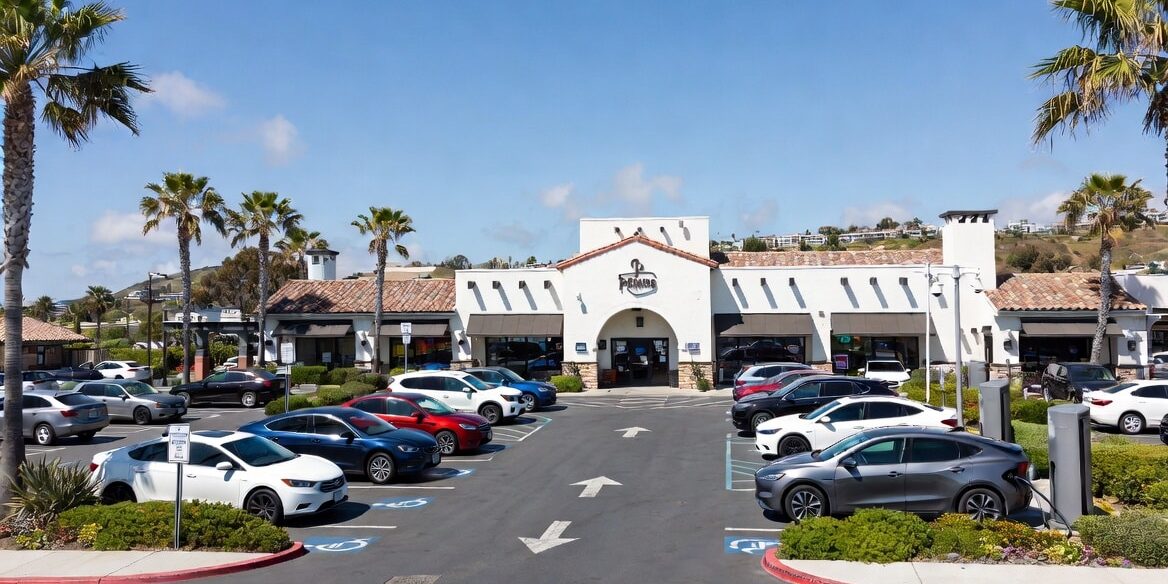
San Clemente, a picturesque coastal city in southern Orange County, California, blends small-town charm with vibrant commercial activity. Its strip malls—those linear retail centers lining avenues like Avenida Pico, El Camino Real, and nearby arterials—serve as everyday hubs for residents and visitors alike. These properties host grocery stores, restaurants, pharmacies, gyms, and specialty shops, drawing steady traffic in a car-dependent region. Yet, effective parking management often determines whether these centers thrive or frustrate customers, leading to lost business, tenant complaints, or spillover into residential streets.
This comprehensive guide explores every aspect of parking management tailored to San Clemente strip malls. It covers local regulations, design principles, operational strategies, technology integration, enforcement, sustainability, and future trends. Whether you manage a property, own a business in one, or plan developments, this resource equips you with actionable insights to optimize space, enhance customer experience, boost revenue, and comply with rules in this unique beachside community. (Word count target: approximately 1,800+ for depth.)
Understanding Strip Malls in San Clemente: Context and Challenges
Strip malls in San Clemente typically feature surface parking lots directly in front of or wrapping around low-rise retail buildings. Popular examples cluster along major corridors, serving local needs rather than tourist draws like the pier or downtown. Unlike enclosed regional malls, these open-air centers emphasize quick in-and-out visits, making efficient parking critical during peak hours—lunch rushes, evenings, weekends, or events.
Common challenges include:
- Peak-hour congestion: Restaurants and grocery anchors create surges, with drivers circling for spots and blocking aisles.
- Spillover parking: When lots fill, vehicles overflow into nearby neighborhoods, prompting resident complaints and potential preferential parking programs.
- Limited expansion space: High property values and coastal zoning constraints limit adding stalls or structures.
- Seasonal and event-driven demand: Proximity to beaches, trails, or community events (like Cars & Coffee gatherings at outlets) strains capacity without dedicated overflow plans.
- Aging infrastructure: Many lots suffer from poor striping, inadequate lighting, drainage issues, or non-compliant accessible spaces, leading to liability risks.
- Customer experience erosion: Long search times or confusing layouts deter repeat visits, especially in a competitive Orange County retail market.
Effective management turns parking from a liability into an asset, supporting tenant success and property values. Studies on retail parking show that poor management can reduce shopper dwell time and spending, while optimized systems improve turnover and satisfaction.
Local Regulations and Zoning Requirements in San Clemente and Orange County
Parking in San Clemente operates under the city’s Municipal Code, with influences from Orange County and state laws. Commercial developments, including strip malls, must comply with off-street parking standards outlined in the zoning ordinance (Chapter 17.64 for parking and access).
Key points:
- Parking ratios: Requirements vary by use. Retail typically demands spaces based on gross floor area (e.g., historical standards suggest 3–5+ spaces per 1,000 sq ft for shopping centers, adjusted for tenant mix). Restaurants may require one space per 4 seats or per square footage. Offices or services have lower ratios. Mixed-use zones (e.g., MU districts) allow shared parking credits where residential and commercial demands overlap by time of day.
- Minimum vs. maximums: Traditional minimums ensure supply, but modern approaches encourage flexible standards to avoid oversupply, which wastes land and increases stormwater runoff. San Clemente planners may require traffic impact analyses for new or expanded centers.
- Accessible parking (ADA compliance): Federal and state rules mandate a percentage of spaces (e.g., 2–4% or more depending on total stalls) be accessible, with van-accessible options featuring wider aisles and proximity to entrances. Non-compliance risks fines and lawsuits.
- Loading and delivery zones: Dedicated areas prevent blocking customer spots; ratios often tie to building size.
- Landscaping and design standards: Parking areas must incorporate setbacks, screening, and permeable surfaces where feasible to meet aesthetic and environmental goals.
- State influences: California’s AB 413 (effective with enforcement ramping up) restricts parking near unmarked crosswalks or intersections (within 20 feet), potentially reducing available spaces in tight lots. Vehicle Code enforcement on private lots is limited unless posted or via local ordinance, shifting responsibility to property managers for rules like no overnight parking or idling restrictions.
- Enforcement: The Orange County Sheriff’s Department (contracted for San Clemente) handles public streets, but private lots rely on private towing or contracted security. City metered parking (e.g., downtown or beach areas at $1.50/hour) doesn’t directly apply to private strip malls but sets expectations for paid or time-limited options. Preferential residential permits exist in some zones to curb commercial spillover.
Property owners should consult the San Clemente Planning Division early for site plan reviews, as changes to lots (e.g., restriping or adding EV chargers) may trigger updates. Failure to meet standards can delay permits or incur penalties.
Best Practices for Parking Lot Design and Layout
Well-designed lots maximize capacity while ensuring safety and flow. For San Clemente strip malls, consider the coastal climate—rain, sun, and wind—along with pedestrian-friendly elements near walkable areas.
Core design principles:
- Layout efficiency: 90-degree parking maximizes density but needs wider aisles (24+ feet) for maneuvering. Angled parking (60 or 45 degrees) eases entry/exit in constrained sites, trading some capacity for better flow. One-way circulation reduces conflicts compared to two-way lanes.
- Space dimensions: Standard stalls are 9×18–20 feet; compact spaces for smaller vehicles can free up room. Include oversized spots for trucks/SUVs common in OC.
- Traffic flow and signage: Clear entrance/exit points, directional arrows, and speed bumps prevent bottlenecks. Sight lines at corners and adequate turning radii (for delivery trucks) are essential.
- Accessible and special zones: Place ADA spaces closest to entrances. Designate employee, delivery, and EV charging areas separately. Consider bike racks or e-bike charging to support multimodal access.
- Drainage and sustainability: Incorporate bioswales, permeable pavers, or rain gardens to manage runoff, aligning with California’s stormwater regulations. Shade trees or canopy structures reduce heat island effects in sunny Southern California.
- Lighting and security: Bright, uniform LED lighting deters crime (noting that ~80% of incidents at retail centers occur in lots) while minimizing light pollution near residential edges.
- Increasing capacity without expansion: Restripe for smaller stalls, convert edges to parallel parking, or use valet during peaks. Shared parking agreements between adjacent businesses (e.g., daytime retail + evening restaurant) can reduce required stalls by 10–30%.
A professional traffic engineer or parking consultant should conduct utilization studies—counting occupancy during peaks—to right-size rather than overbuild.
Operational Strategies for Effective Parking Management
Management goes beyond design. Implement these to handle daily realities:
- Shared Parking and Flexible Standards: Allow tenants to pool spaces via agreements, especially with staggered peaks (e.g., gym mornings vs. dinner crowds). This can cut oversupply by 10–30%.
- Time Limits and Turnover: Enforce 1–2 hour limits in high-demand zones to encourage quick visits, using signs and monitoring.
- Pricing Models: While many strip malls offer free parking, consider performance-based pricing (e.g., via apps or kiosks) for premium spots or events. Unbundle parking in leases to let market forces guide demand.
- Employee Parking Optimization: Dedicate rear or peripheral areas for staff, freeing prime spots for customers.
- Overflow and Event Planning: Develop protocols for busy days, including temporary signage or shuttles. Coordinate with nearby centers for reciprocal access.
- Mobility Management: Promote alternatives like nearby transit (Metrolink influences in broader OC), walking paths, or ride-sharing drop-offs to reduce vehicle trips.
Regular audits—using counters or cameras—track usage and adjust strategies. Transportation Management Associations (TMAs) in OC can facilitate collaboration.
Technology Integration: Smart Parking Solutions
Modern tools transform parking from reactive to proactive, especially valuable in space-constrained San Clemente lots.
- Real-Time Guidance Systems: Sensors (ground or overhead) or AI cameras detect occupancy, feeding data to mobile apps, digital signage, or websites. Drivers locate spots faster, reducing circling and emissions.
- License Plate Recognition (LPR) and Automated Entry/Exit: Enable ticketless, contactless operations with barriers or open systems. Integrate with payment apps for seamless validation (e.g., tenant discounts or loyalty rewards).
- Parking Management Software: Cloud-based platforms offer dashboards for occupancy analytics, dynamic pricing, enforcement alerts, and reporting. Features include remote monitoring and integration with security cameras.
- Payment and Enforcement Tech: Mobile payments, QR codes, or pay stations reduce cash handling. Automated enforcement (via patrols or cameras) issues warnings/tows fairly.
- Analytics and AI: Heatmaps predict peaks; data informs staffing, maintenance, or lease negotiations. Video analytics spot violations or safety issues without constant human oversight.
Adoption lowers labor costs, boosts revenue (e.g., from paid validation), and improves satisfaction. Vendors offer scalable solutions for surface lots, with ROI often realized quickly through efficiency gains.
Enforcement, Security, and Risk Management
Private lots require proactive rules:
- Post clear signage for no overnight parking, time limits, towing policies, and ADA enforcement.
- Contract professional security or towing services trained in customer service to avoid alienation.
- Monitor for vandalism, theft, or loitering—common in open retail lots.
- Maintain records of incidents for insurance. Regular patrols and lighting deter problems.
- Comply with fair enforcement to minimize disputes; use technology for objective data.
In San Clemente, coordinate with local authorities for spillover issues. State laws limit some on-street enforcement, emphasizing private responsibility.
Sustainability in Parking Management
California’s environmental priorities make green practices essential:
- EV Infrastructure: Install chargers (Level 2 or DC fast) with reservations via apps. Incentives or mandates may apply in new developments.
- Green Design: Use solar canopies for shade and power, permeable surfaces, native landscaping, and low-VOC materials.
- Reduced Footprint: Shared or stacked parking (mechanical systems) frees land for greenery or infill.
- Mode Shift Support: Add bike facilities, EV priority spots, or transit info.
- Certifications: Pursue Parksmart (specific to parking) or LEED credits for energy-efficient lighting/ventilation and stormwater management.
These steps cut operational costs (e.g., energy), appeal to eco-conscious shoppers, and align with OC sustainability goals.
Case Studies and Lessons from Orange County
While San Clemente-specific data is localized, broader OC examples highlight successes:
- Centers using smart sensors report 20–40% faster parking and higher shopper retention.
- Shared parking in mixed-use areas reduces demand by overlapping uses.
- Tech upgrades in similar strip malls have minimized complaints and supported tenant mix changes (e.g., more restaurants post-pandemic).
- Enforcement-focused properties see fewer violations and better flow.
Lessons: Start with data (utilization studies), engage tenants, and phase technology implementations.
Implementation Roadmap for San Clemente Strip Mall Owners/Managers
- Assess Current State: Conduct occupancy counts, user surveys, and compliance audits.
- Develop a Plan: Engage planners, engineers, and tech providers. Budget for design updates, software, or restriping.
- Engage Stakeholders: Work with tenants, city staff, and neighbors on shared solutions.
- Pilot and Scale: Test guidance systems or pricing in one section before full rollout.
- Monitor and Adapt: Use analytics for continuous improvement; review annually or after events.
- Budget Considerations: Factor in maintenance, enforcement contracts, and potential revenue from paid features or CAM (common area maintenance) charges.
Costs vary—basic restriping is affordable; full smart systems require investment but yield long-term savings.
Future Trends in Parking Management
- AI and Predictive Analytics: Forecast demand using weather, events, or traffic data.
- Mobility Hubs: Integrate scooters, bikes, or autonomous shuttles.
- Dynamic and Contactless Everything: App-based reservations, virtual permits, and seamless integrations.
- Regulatory Evolution: More state pushes for reduced parking minimums, EV mandates, or emissions tracking.
- Mixed-Use Integration: As San Clemente grows, parking will support denser, walkable developments.
Embracing these keeps properties competitive amid e-commerce and changing habits.
Conclusion: Turning Parking into a Competitive Advantage
In San Clemente’s strip malls, thoughtful parking management balances supply, demand, compliance, and experience. It minimizes frustration, supports local businesses, enhances safety, and contributes to a sustainable coastal community. By combining smart design, technology, enforcement, and collaboration, owners can create welcoming environments that drive foot traffic and loyalty.
Start today: Review your lot’s performance, consult local experts, and explore pilot programs. Effective parking isn’t just about spaces—it’s about creating seamless arrivals that invite shoppers to stay, spend, and return. For tailored advice, reach out to San Clemente’s Planning Department or specialized parking consultants familiar with Orange County dynamics.
This guide provides a foundational resource; parking needs evolve, so ongoing adaptation is key to success in this vibrant part of Southern California.