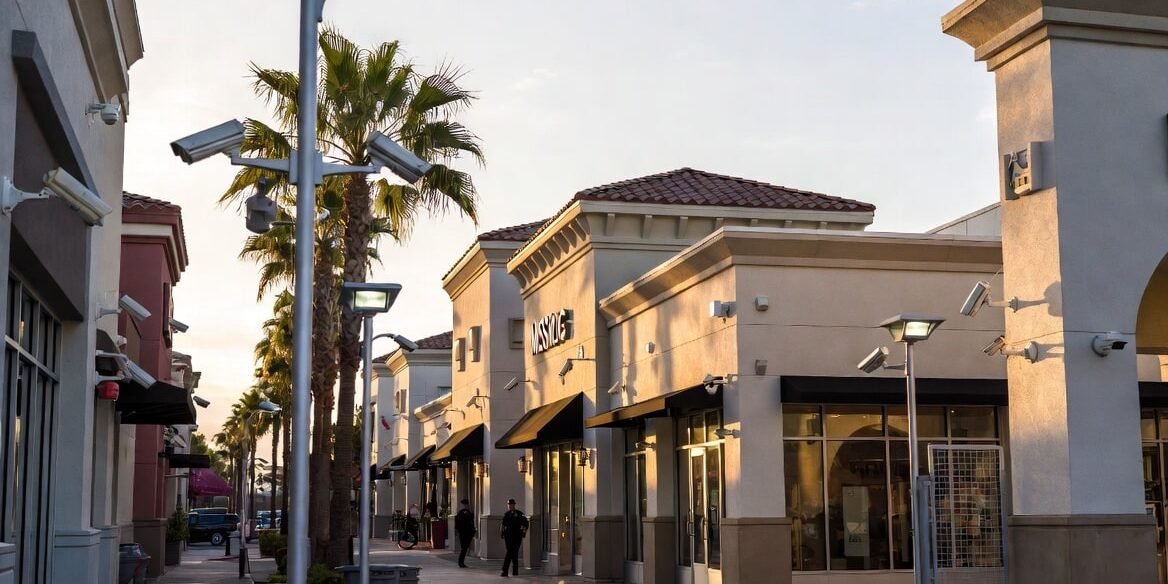
Retail spaces in Mission Viejo, a vibrant suburban community in Orange County, California, face unique security challenges. Nestled between major highways and boasting popular shopping destinations like The Shops at Mission Viejo, the area attracts both loyal local shoppers and visitors from across Southern California. However, like many parts of the state, Mission Viejo has experienced incidents of retail theft, organized crime rings, and property crimes that impact businesses. Recent law enforcement operations by the Orange County Sheriff’s Department (OCSD) Mission Viejo Police Services have targeted theft rings at local malls and stores, recovering stolen merchandise and making arrests. These efforts highlight the ongoing need for robust security strategies tailored to the region’s retail environment.
This comprehensive guide explores every aspect of securing retail spaces in Mission Viejo. Whether you operate a boutique in a strip mall, a big-box store, or a specialty shop, implementing layered security measures can deter theft, protect employees and customers, reduce shrinkage, and ensure compliance with local and state regulations. We’ll cover physical security, technological solutions, employee training, legal considerations specific to California and Orange County, cybersecurity for point-of-sale (POS) systems, and practical steps for implementation. By the end, you’ll have a actionable roadmap to create a safer, more resilient retail operation.
Understanding the Retail Security Landscape in Mission Viejo and Orange County
Mission Viejo benefits from relatively low overall crime rates compared to larger urban centers, but retail-specific threats persist. The OCSD provides police services to the city, and their Crime Mapping tool allows businesses to track incidents by address, date, and type. Shoplifting, grand theft, and organized retail crime (ORC) have drawn attention, with sting operations leading to arrests for thefts involving thousands of dollars in merchandise from athletic wear and other high-value items.
California’s broader context adds complexity. Proposition 47, passed in 2014, raised the threshold for certain thefts to felonies, contributing to perceptions of increased retail crime in some areas. However, Proposition 36 (passed in 2024) has introduced stronger accountability for repeat offenders, including enhanced penalties for retail theft and drug-related crimes. Statewide initiatives have led to tens of thousands of arrests and millions in recovered goods, with Orange County participating actively.
Local factors in Mission Viejo include:
- High foot traffic at malls and shopping centers during peak hours.
- Parking lot vulnerabilities, where smash-and-grabs or vehicle break-ins can occur.
- Proximity to major freeways, potentially facilitating quick escapes by organized groups.
- A mix of independent retailers and chain stores, each with different risk profiles.
Business owners should start with a thorough risk assessment. Partner with Mission Viejo Police Services’ Crime Prevention Office (contact: 949-470-8433) or join the free Business Watch program, which fosters collaboration between retailers, employees, and law enforcement for emergency notifications and shared intelligence. Regular audits of your store’s layout, high-value inventory zones, and blind spots are essential.
Layered Security: The Foundation of Effective Protection
No single measure suffices in today’s environment. Adopt a “defense-in-depth” approach combining physical deterrents, technology, human elements, and procedures. This strategy minimizes single points of failure and creates overlapping protections.
1. Physical Security Measures
Lighting and Visibility: Adequate lighting is one of the simplest yet most effective deterrents. Use LED lights for entrances, exits, parking lots, and interiors to eliminate dark spots where criminals might hide or loiter. Ensure continuous illumination from inside the store to the property line. Clear sightlines from the street and within the store reduce opportunities for concealment. Trim landscaping and avoid cluttered displays near entrances. Signs with visible street addresses help emergency responders.
Doors, Windows, and Access Points: Install solid-core or metal doors with high-quality deadbolts and reinforced strike plates (use 3-inch screws). Monitor all exterior doors with sensors. For windows, consider security film or bars where appropriate, while maintaining aesthetics and complying with fire codes. After-hours, secure loading docks and storage areas with heavy-duty locks. Change locks regularly, especially after employee turnover.
Store Layout Optimization: Design your space to enhance natural surveillance. Position cash registers and high-value items away from exits. Minimize blind spots by arranging shelves and displays strategically. Pathways should guide customers past monitored areas. Locked cases for electronics, jewelry, or cosmetics add protection without alienating shoppers.
Safes and Secure Storage: Use bolted-down, floor-mounted safes for cash and valuables—never lightweight fire safes placed in obvious locations like offices or bedrooms (if applicable for small operations). Limit cash on hand and implement drop safes for frequent deposits.
2. Surveillance and Monitoring Systems
Video surveillance forms the backbone of modern retail security. High-resolution cameras with night vision, motion detection, and remote viewing capabilities deter theft and provide evidence for investigations.
Best Practices for CCTV in Mission Viejo Retail:
- Cover all entrances, exits, cash registers, high-value zones, stockrooms, and parking areas.
- Use AI-powered analytics to detect suspicious behavior, such as loitering or unusual movements.
- Store footage for at least 30-90 days (recommendation from security guidelines).
- Display prominent signage: “Premises Monitored by Video Surveillance.”
- Integrate with mobile apps for real-time alerts to owners or managers.
Local security firms in Orange County offer tailored installations, including cloud or on-site storage. Combine with 24/7 monitoring services for immediate response to triggered events.
Electronic Article Surveillance (EAS) and RFID: Tags on merchandise trigger alarms at exits if not deactivated at checkout. RFID systems provide inventory tracking and alert on unauthorized removals. Security display hooks and locked cases complement these for high-theft items.
3. Alarm and Intrusion Detection Systems
A reliable alarm system is critical for after-hours protection and during operations. Components include:
- Door and window contacts.
- Motion sensors (interior and glass-break).
- Loud exterior sirens to scare off intruders.
- Environmental sensors for fire, smoke, or flooding.
Monitored systems connect to central stations or directly to OCSD dispatch for rapid response. Test alarms regularly and integrate with surveillance for video verification.
For retail-specific needs, consider panic buttons at registers and integration with POS systems to flag suspicious transactions.
4. Access Control Systems
Restrict entry to sensitive areas like stockrooms, offices, and employee-only zones. Options include:
- Keycards, PIN codes, or biometric scanners.
- Time-based permissions to match employee schedules.
- Visitor logging systems.
Access control reduces internal theft risks and tracks movements. Link events to video footage for audits. In multi-tenant shopping centers, coordinate with mall security.
5. On-Site Security Personnel
Visible security presence deters crime effectively. Options in Mission Viejo include:
- Unarmed guards for customer-facing roles and general deterrence.
- Armed officers for high-risk periods or high-value stores.
- Loss prevention specialists (uniformed or undercover) to monitor floors.
- Mobile patrols for parking lots and after-hours checks.
Local providers offer customized services for retail, including hybrid models pairing guards with technology. During peak seasons or events, augment with tactical teams if needed. Collaborate with The Shops at Mission Viejo security or similar for coordinated efforts.
Employee Training and Loss Prevention Programs
Technology alone isn’t enough—empowered employees are your first line of defense.
Key Training Topics:
- Recognizing suspicious behavior: Avoiding eye contact, loitering, group distractions, or bulky clothing.
- Proper response protocols: Do not confront aggressively; observe, document, and alert management or authorities.
- POS procedures to prevent “sweethearting” or errors.
- Emergency response: Active shooter, robbery, medical incidents, or natural disasters (common in California).
- Workplace violence prevention, as required by California SB 533 (effective 2024), mandating written plans, training, and incident logs.
Conduct regular drills and role-playing. New hires should receive orientation, with refresher sessions quarterly. Foster a culture of awareness without creating paranoia—emphasize that security enhances the shopping experience.
Implement loss prevention policies: Bag checks (politely and consistently), receipt verification for refunds, and inventory audits. Track shrinkage metrics to identify patterns.
Join Mission Viejo Business Watch for shared best practices and direct law enforcement support.
Cybersecurity for Retail: Protecting POS and Digital Assets
Retailers handle sensitive customer data, making them prime targets for cyberattacks. POS malware, ransomware, and data breaches can devastate operations.
Essential Cybersecurity Measures:
- POS Security: Use encrypted terminals compliant with PCI DSS standards. Segment POS networks from general Wi-Fi. Install antivirus, firewalls, and intrusion detection. Avoid storing card data unnecessarily. Upgrade hardware to meet evolving PIN security requirements (e.g., key blocks).
- Network Protection: Employ strong passwords, multi-factor authentication (MFA), and regular software updates. Monitor for unauthorized devices.
- Data Encryption: Encrypt data in transit and at rest. Use secure payment gateways.
- Employee Awareness: Train staff against phishing and social engineering. Limit access to systems based on roles.
- Incident Response: Have a plan for breaches, including notification protocols under California law.
Cloud-based zero-trust architectures can isolate POS systems and prevent lateral movement by threats. Regular vulnerability scans and third-party audits ensure compliance.
For small businesses, resources from the FTC provide free guidance on cybersecurity basics.
Legal and Regulatory Considerations in California and Orange County
Compliance is non-negotiable:
- Workplace Violence Prevention (SB 533): Written plan, training, and records for most employers.
- Privacy Laws: California Consumer Privacy Act (CCPA) and CPRA govern customer data. Surveillance must respect reasonable expectations of privacy (no cameras in restrooms or fitting rooms).
- Fire and Building Codes: Ensure security measures don’t impede egress.
- Labor Laws: Security policies must align with wage, hour, and discrimination rules.
- Insurance Requirements: Many policies mandate specific security features for coverage against theft or liability.
Consult local authorities and legal experts. OCSD Mission Viejo offers crime prevention resources tailored to businesses.
Implementing Your Security Plan: Step-by-Step
- Conduct a Risk Assessment: Map vulnerabilities, review crime data via crimemapping.com, and consult professionals.
- Develop Policies and Procedures: Create a comprehensive security manual, including emergency contacts (OCSD non-emergency: 949-770-6011).
- Budget and Prioritize: Start with high-impact, low-cost measures like lighting and training, then invest in technology.
- Install and Integrate Systems: Choose scalable solutions from reputable Orange County vendors.
- Train and Test: Roll out training and conduct drills.
- Monitor, Audit, and Adapt: Review footage and incidents monthly. Adjust based on trends.
- Partner with Law Enforcement: Engage Mission Viejo Police Services and participate in Business Watch.
Costs vary: Basic camera systems start in the low thousands, while full integrated setups with guards can be higher. Return on investment comes from reduced losses (shrinkage often 1-2% of sales) and improved customer confidence.
Emerging Trends and Future-Proofing Your Retail Space
AI analytics for predictive behavior detection, RFID for real-time inventory, and hybrid human-tech models are gaining traction in Orange County. Remote monitoring allows centralized oversight for multi-location operators. As e-commerce blends with physical retail, secure omnichannel operations become vital.
Sustainability intersects with security—energy-efficient LED lighting and solar-powered cameras reduce costs while enhancing visibility.
Conclusion: Building a Secure and Thriving Retail Future in Mission Viejo
Security in Mission Viejo retail spaces is about more than preventing crime—it’s about creating welcoming environments where customers feel safe and businesses can prosper. By combining physical hardening, advanced technology, well-trained teams, and strong community partnerships with OCSD Mission Viejo Police Services, retailers can significantly mitigate risks.
Start today: Contact the Crime Prevention Office, assess your current setup, and implement at least one new measure this week. Consistent effort yields compounding benefits in loss reduction, employee morale, and profitability.
Retail security is an ongoing journey, not a one-time project. Stay informed through local resources, adapt to evolving threats like ORC, and prioritize both people and profits. In a competitive Orange County market, a secure store stands out as a trusted destination.
For personalized advice, reach out to local security professionals or law enforcement. With proactive measures, Mission Viejo retailers can thrive securely for years to come.