

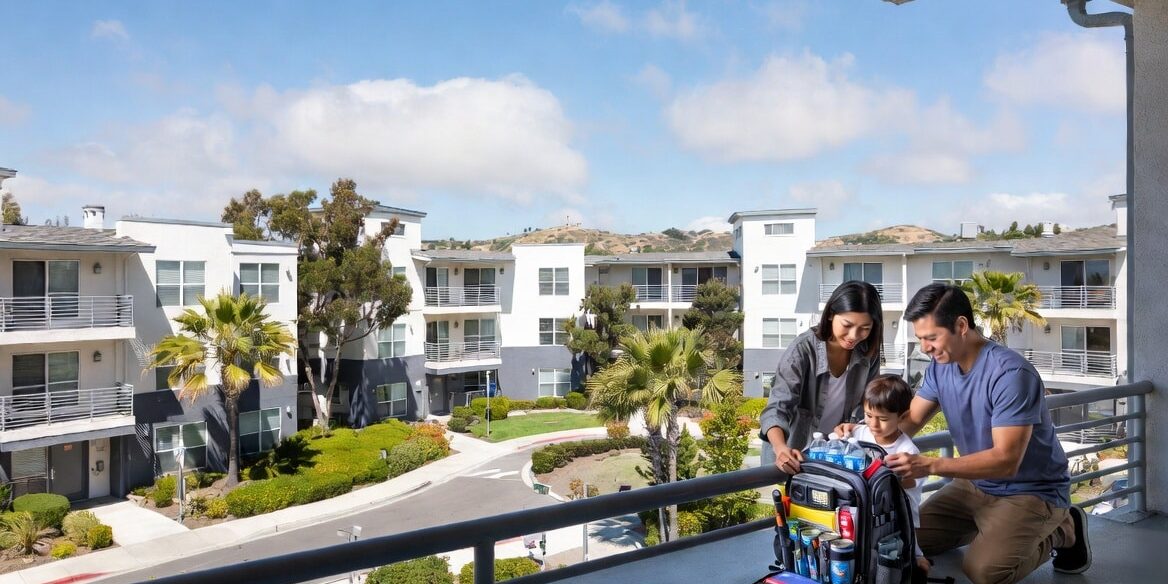
Living in an apartment complex in Brea, California, offers convenience, community, and proximity to the best of Orange County. Yet, the region’s unique geography and climate bring specific risks that demand thoughtful preparation. Brea sits in northern Orange County, an area vulnerable to earthquakes from nearby faults like the Whittier and San Andreas systems, seasonal wildfires fueled by dry Santa Ana winds, occasional flooding from heavy winter rains, power outages, and even landslides in hillside zones. Apartment living adds challenges: limited storage space, shared building infrastructure, and reliance on property management for certain safety systems.
Emergency preparedness is not about fear—it’s about empowerment. By taking proactive steps tailored to apartment life in Brea, you can protect yourself, your family, pets, and neighbors while minimizing disruption during a crisis. This guide outlines the top 10 essential tips, drawing from local resources like the City of Brea’s Emergency Preparedness Program, ReadyOC initiatives, and proven best practices for multi-unit housing. Whether you rent in a high-rise near Downtown Brea or a garden-style complex in the hills, these strategies will help you build resilience.
Tip 1: Know Your Local Hazards and Register for Alerts
The foundation of preparedness is awareness. In Brea, the primary threats include seismic activity, wildfires, windstorms, and infrastructure failures such as power outages. The City’s Local Hazard Mitigation Plan highlights wildfire and windstorms as high-probability, high-impact events, with earthquakes ranking closely behind due to regional fault lines. Heavy rains can cause localized flooding and mudslides, particularly in areas with steeper terrain.
Start by familiarizing yourself with Brea-specific risks through the city’s official emergency resources. Sign up for AlertOC, Orange County’s mass notification system, which delivers time-sensitive alerts via text, email, phone, or voice message about evacuations, road closures, or shelter information. Many Brea residents also benefit from registering alternate phone numbers to ensure notifications reach everyone in the household.
Download the FEMA app or follow local updates on the City of Brea website for real-time information. During emergencies, check cable channels like Time Warner Channel 3 or AT&T U-verse Channel 99, and note the city’s emergency information line at 714-990-7732 for road closures or updates. Knowing these tools means you won’t rely solely on social media, which can spread unverified information. Create a family or household alert plan: designate who monitors notifications and how you’ll communicate if cell service is spotty.
Tip 2: Develop a Comprehensive Family and Household Emergency Plan
A solid plan turns chaos into coordinated action. In apartment complexes, where elevators may fail, and hallways can fill with smoke or debris, your plan must account for building-specific constraints.
Gather household members (including roommates or family) to discuss scenarios: earthquake shaking, wildfire smoke, or sudden evacuation. Identify two ways out of your apartment and the complex—primary stairs and an alternate route. Note that in high-rises or multi-story buildings, elevators are unreliable during fires or quakes, so prioritize stairwells.
Include communication strategies: choose an out-of-area contact person everyone can call or text if local lines are jammed. Decide on meeting points if separated—one inside the complex (like a designated courtyard) and one outside (perhaps a nearby park or school). For families with children, elderly members, or pets, assign roles: who grabs the go-bag, who helps mobility-challenged neighbors?
Incorporate Brea’s evacuation planning guidelines. Practice “drop, cover, and hold on” for earthquakes—the recommended action during shaking to protect against falling objects. For wildfires, know Ready, Set, Go! principles: Ready (prepare ahead), Set (pack when threatened), Go (evacuate immediately when ordered). Review your lease for building rules on emergency procedures and request a copy of the complex’s emergency plan from management. If none exists, advocate for one through your homeowners’ association or rental office.
Tip 3: Build and Customize an Emergency Supply Kit for Apartment Living
Storage is premium in apartments, so focus on compact, multi-purpose items. Aim for at least three days’ supplies per person, as recommended by ReadyOC and FEMA, though seven days is ideal for prolonged outages common after major quakes or fires.
Core items include:
- One gallon of water per person per day (store in stackable, space-saving containers or consider a large communal water tank if your complex allows shared storage).
- Non-perishable foods like canned goods, energy bars, dried fruits, and nuts, plus a manual can opener.
- Flashlights, extra batteries, and a hand-crank or battery-powered radio for updates when power fails.
- First-aid kit with medications, bandages, antiseptic, and any prescription needs (rotate stock to avoid expiration).
- Personal hygiene items, dust masks, gloves, and moist towelettes.
- Cash in small bills, important documents (IDs, insurance, medical records) in a waterproof bag, and a multi-tool.
Tailor for Brea’s climate: include blankets for cool nights after power loss and sunscreen or hats for evacuation in sunny conditions. For apartments, use under-bed bins, closet organizers, or vertical storage to keep kits accessible but out of the way. Prepare a “go-bag” version in a backpack for quick evacuation—lighter on water and food but including chargers, sturdy shoes, and a change of clothes.
Don’t forget pets: food, water, carriers, medications, and comfort items. If your complex has restrictions on storage, discuss communal kits with neighbors or management.
Tip 4: Secure Your Apartment Against Earthquake Damage
Earthquakes strike without warning, and in Brea, shaking from distant or local faults can topple unsecured items. Walk through your unit and identify hazards: tall bookshelves, heavy mirrors over beds, water heaters, and appliances that could shift.
Secure furniture to walls using straps or brackets (landlord approval may be needed for permanent installs—discuss this politely). Anchor your water heater with metal straps to prevent gas leaks or flooding. Move heavy objects away from beds and seating areas. In the kitchen, use latches on cabinets to stop dishes from flying.
For windows and glass, consider shatter-resistant film if allowed. In multi-unit buildings, know that older complexes may have varying seismic retrofitting—ask management about building construction and any upgrades. During shaking, drop to hands and knees, cover your head and neck, and hold onto sturdy furniture. Avoid windows, elevators, and exterior walls. After the quake, check for gas smells, downed lines, or structural damage before re-entering.
Tip 5: Prepare for Wildfires and Evacuation Procedures
Wildfires pose a serious risk in Brea, especially during dry seasons with Santa Ana winds. Apartment complexes near open spaces or hills face higher exposure, and smoke can infiltrate buildings quickly.
Create defensible space around your balcony or patio by clearing flammable items like dry leaves or outdoor furniture cushions. Inside, keep windows closed during poor air quality and use air purifiers or wet towels to seal gaps. Know your complex’s evacuation zones and routes—Brea provides guidelines for planning ahead, during, and after evacuation orders.
Pack a wildfire-specific go-bag with N95 masks, long-sleeved clothing, and goggles. Register for reverse 911-style alerts. In a complex, coordinate with neighbors: share resources like extra masks or help elderly residents evacuate. If ordered to go, leave immediately—do not wait to gather belongings. Have a pet evacuation plan, as some shelters accommodate animals thanks to recent state legislation updates.
Tip 6: Master Fire Safety and Building-Specific Protocols
Fires in apartments spread rapidly through shared walls, hallways, or ventilation. Every unit should have working smoke and carbon monoxide detectors—test them monthly and replace batteries twice a year.
Learn your building’s fire protection: sprinklers, alarms, extinguishers, and exit locations. Practice using a fire extinguisher with the PASS method: Pull the pin, Aim at the base, Squeeze the handle, Sweep side to side. Never use elevators in a fire; always take stairs.
For apartment dwellers, keep hallways clear of clutter, as blocked exits endanger everyone. In Brea, the Fire Department responds swiftly, but preparation saves lives. Discuss fire drills with management and participate in any offered. If trapped, seal doors with wet towels, call 911, and signal from a window with a bright cloth.
Tip 7: Plan for Power Outages and Utility Failures
Power outages occur during storms, quakes, or high demand. In apartments, this means no lights, refrigeration, or elevators—critical for upper-floor residents.
Stock battery-powered lights, a portable charger or solar options, and a camp stove (if balcony use is permitted—check rules). Have a cooler for perishables and know how to safely shut off gas and electricity if instructed (confirm with management who handles building-level shutoffs).
Prepare for extended outages by learning non-electric cooking methods and having board games or books for entertainment. In Brea, community resources may open cooling or warming centers during extremes.
Tip 8: Foster Community and Neighbor Networks
Apartment complexes thrive on community during crises. Organize or join a building preparedness group. Share emergency kit ideas, exchange contact info, and identify skills (CPR training, medical knowledge).
Discuss communal storage for bulky items like water or generators (if allowed). In Brea, consider joining the Community Emergency Response Team (CERT) through ReadyOC or city programs for training in basic disaster response. Neighbors can check on each other post-event, especially vulnerable individuals.
Advocate to property management for better emergency plans, post evacuation maps on every floor, and regular drills. Strong community ties accelerate recovery.
Tip 9: Address Special Needs and Pet Preparedness
Households with children, seniors, disabilities, or pets require extra planning. For mobility issues, identify helpers in the building and request ground-floor relocation if feasible during threats.
Children benefit from age-appropriate explanations and practice drills. For disabilities, ensure extra medications, assistive devices, and communication tools in kits. Pets need carriers, leashes, and proof of vaccinations for shelters.
Brea and Orange County resources emphasize inclusive preparedness, including pet-friendly shelters under updated plans.
Tip 10: Review, Practice, and Update Your Plan Regularly
Preparedness is ongoing. Review your kit and plan every six months—rotate food and medications, update contacts, and check document copies. Participate in the Great California ShakeOut for earthquake drills.
After any local event (even minor), debrief what worked and adjust. Stay informed via ReadyOC, Brea’s programs, and annual Fire Prevention Week activities. Teach others in your complex to multiply safety.
In conclusion, emergency preparedness in Brea apartment complexes combines individual action with community collaboration. By knowing hazards, building kits, securing spaces, and fostering networks, you transform potential vulnerability into strength. Disasters like earthquakes or wildfires are unpredictable, but your response doesn’t have to be. Start today with one tip—perhaps registering for AlertOC or securing one piece of furniture—and build from there. Your future self, neighbors, and loved ones will thank you for the peace of mind and readiness that comes from being prepared. Stay safe, Brea residents—prepare now, thrive later.