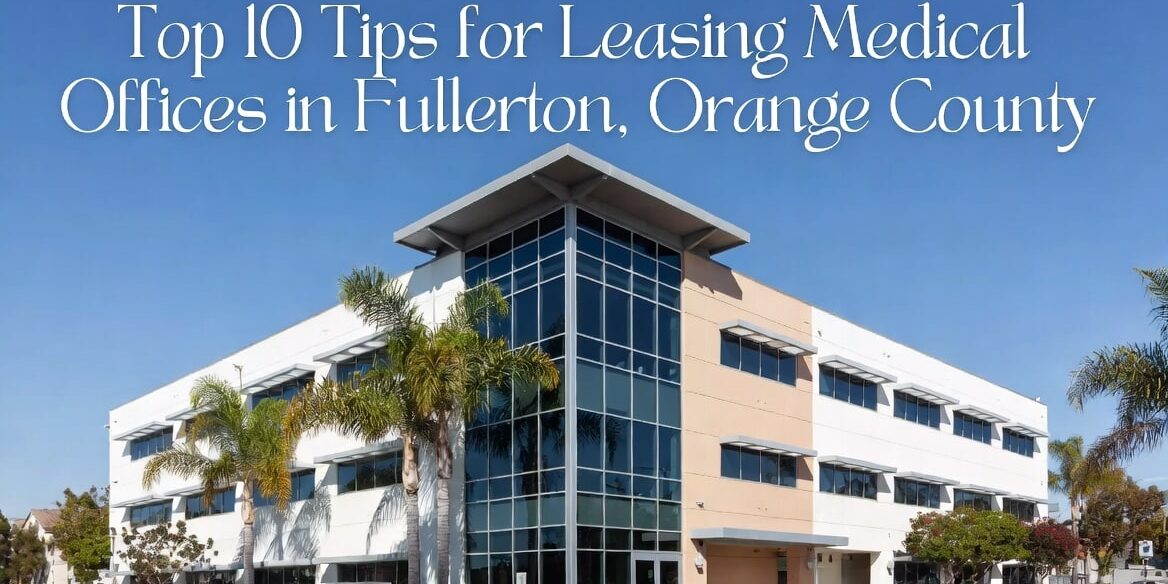
Medical professionals looking to establish or expand their practices in Fullerton, Orange County, face unique opportunities and challenges when leasing medical office space. Fullerton, nestled in the heart of North Orange County, offers a strategic location with excellent accessibility via major freeways like the 91, 57, and 5, proximity to major hospitals such as St. Jude Medical Center and UCI Health, and a growing population that demands high-quality healthcare services. However, leasing medical office space requires careful consideration due to specialized zoning, compliance requirements, patient flow needs, and long-term operational costs.
Whether you’re a physician starting a solo practice, a group practice seeking expansion, or a healthcare provider relocating, understanding the nuances of medical office leasing in Fullerton can save you time, money, and headaches. This comprehensive guide outlines the Top 10 Tips for Leasing in Medical Offices in Fullerton, Orange County, drawing from local market insights, legal considerations, and practical experience in the commercial real estate sector. By following these tips, you can secure a space that supports your practice’s growth while optimizing costs and compliance.
Tip 1: Understand the Local Market Dynamics in Fullerton
Before diving into any lease negotiations, thoroughly research the medical office market in Fullerton and surrounding Orange County areas. Fullerton’s medical real estate market is influenced by its diverse demographics, including a mix of families, young professionals, and an aging population that increases demand for specialties like internal medicine, pediatrics, orthopedics, and geriatrics.
As of recent data, medical office vacancy rates in North Orange County hover around 5-8%, indicating a relatively tight market with competitive leasing terms. Prime locations near Fullerton College, Downtown Fullerton, or along Harbor Boulevard and Euclid Street command higher rents, typically ranging from $2.50 to $4.50 per square foot on a triple net (NNN) basis, depending on building age, amenities, and proximity to medical hubs.
Actionable Steps:
- Analyze comparable properties (comps) using tools like CoStar or local broker reports.
- Monitor economic factors such as population growth (Fullerton has seen steady increases), healthcare spending trends, and new developments like mixed-use projects that could impact traffic and patient access.
- Consider seasonal factors—leases signed in Q1 or Q4 often see more flexibility from landlords due to slower activity periods.
Failing to understand these dynamics could lead to overpaying or missing out on emerging submarkets like the area around Fullerton Medical Center or newer Class A buildings with modern infrastructure.
Tip 2: Engage a Specialized Medical Office Broker Early
One of the most critical mistakes medical tenants make is going it alone or using a general commercial broker. Medical office leasing involves unique elements such as HIPAA compliance, heavy electrical and plumbing needs for imaging equipment, ADA accessibility, and medical-specific build-outs.
In Fullerton, partner with a broker who has deep experience in healthcare real estate in Orange County. Look for professionals affiliated with organizations like the Society of Industrial and Office Realtors (SIOR) or those with a track record in medical properties.
Why It Matters in Fullerton:
- Brokers familiar with local landlords (many family-owned or institutional investors) can uncover off-market opportunities.
- They understand zoning under the City of Fullerton’s General Plan, which prioritizes medical uses in certain corridors while restricting others near residential zones.
- A good broker negotiates tenant improvement (TI) allowances, often ranging from $30-$80 per square foot for medical suites, depending on the building’s condition.
Start your search 6-12 months in advance. A specialized broker can also help with site selection, ensuring proximity to referral sources like nearby hospitals, pharmacies, and diagnostic centers.
Tip 3: Prioritize Location and Patient Accessibility
Location is paramount in medical practices—patients prioritize convenience, especially those with mobility issues or chronic conditions. In Fullerton, ideal medical office locations offer easy access to public transportation (OCT A bus lines and Metrolink station), ample parking (at least 4-5 spaces per 1,000 sq ft is standard), and visibility from major roads.
Key Considerations:
- Proximity to major employers and residential neighborhoods in areas like West Fullerton, Amerige Heights, or near Cal State Fullerton.
- Traffic patterns: Avoid locations with heavy congestion during peak hours; use tools like Google Maps traffic data or local traffic studies.
- Demographic alignment: For example, family practices thrive near suburban neighborhoods, while specialty clinics may benefit from locations closer to medical campuses.
Evaluate walkability scores and ensure the building complies with ADA standards. A poorly chosen location can result in lower patient volume and higher marketing costs over time.
Tip 4: Scrutinize the Lease Terms and Hidden Costs
Medical office leases in Orange County are often 5-10 years with renewal options. Never sign without a full understanding of all terms. Key clauses to review include:
- Base Rent and Escalations: Expect 3-5% annual increases. Negotiate caps if possible.
- Triple Net (NNN) Expenses: In Fullerton, these can add $0.80-$1.50 per sq ft annually for taxes, insurance, and common area maintenance (CAM). Verify historical CAM charges and caps on controllable expenses.
- Operating Expense Stops or Base Year: Ensure the base year is current to avoid inflated pass-throughs.
- Assignment and Subletting: Critical for future practice sales or partnerships.
Hire a real estate attorney experienced in medical leases to review documents. Hidden costs like utilities for 24/7 HVAC in procedure rooms or janitorial services tailored to medical standards can significantly impact your bottom line.
Tip 5: Plan for Medical-Specific Build-Outs and Improvements
Medical offices require specialized infrastructure that general office spaces lack. In Fullerton, many older buildings need upgrades for:
- Enhanced electrical capacity (for X-ray, MRI, or laser equipment).
- Plumbing for sinks in every exam room and sterilization areas.
- HVAC systems with HEPA filtration for infection control.
- Soundproofing and privacy features for HIPAA compliance.
- Medical gas lines if needed for certain specialties.
Budgeting Tips:
- Negotiate generous TI allowances or landlord-funded build-outs.
- Work with architects and contractors familiar with California Building Code (CBC) and Title 24 energy standards, as well as Fullerton’s permitting process, which can take 3-6 months.
- Factor in lead times for equipment installation and certifications (e.g., from the Medical Board of California).
A well-planned build-out can increase your space’s efficiency, supporting higher patient throughput and long-term scalability.
Tip 6: Ensure Compliance with Zoning, Regulations, and Healthcare Laws
Fullerton’s zoning ordinances under the Municipal Code allow medical offices in commercial and mixed-use zones but require conditional use permits (CUPs) in some cases. Compliance extends beyond local rules:
- HIPAA and Privacy: Design waiting areas and exam rooms with acoustic and visual privacy.
- OSHA and Infection Control: Proper ventilation, sharps disposal, and sterilization protocols.
- ADA and Accessibility: Ramps, wide doorways, and accessible restrooms are non-negotiable.
- State and Federal Requirements: California’s seismic retrofitting standards and healthcare facility guidelines from the Office of Statewide Health Planning and Development (OSHPD) for certain facilities.
Engage consultants early to avoid costly delays or denials during permitting. In Orange County, proximity to regulatory bodies in Santa Ana can facilitate faster approvals if handled correctly.
Tip 7: Negotiate Favorable Tenant Incentives and Concessions
In a competitive Fullerton market, savvy tenants can secure significant concessions. Common incentives include:
- Free rent periods (2-6 months) during build-out.
- Moving allowances.
- Signage rights on building monuments or directories.
- Parking allocations beyond standard ratios.
- Option to expand or right of first refusal on adjacent suites.
Negotiation Strategy:
- Leverage market data— if vacancy is rising in certain submarkets, push for more TI or lower escalations.
- Bundle requests: Trade a longer lease term for better upfront concessions.
- Include clauses for early termination with notice if your practice grows beyond the space or if major road construction affects access.
Document everything in writing and tie incentives to milestones.
Tip 8: Evaluate Building Amenities and Infrastructure
Modern medical practices need more than four walls. Assess buildings in Fullerton for:
- On-site or nearby imaging, lab, and pharmacy services.
- Shared conference or education rooms for staff training.
- Secure 24/7 access with keycard systems.
- Energy-efficient systems to control utility costs.
- Backup generators for critical equipment.
Class B and C buildings may offer lower rents but could require more capital investment. Newer developments near the 57 freeway or in the Fullerton Transportation Center area often provide superior amenities, justifying slightly higher rents through improved efficiency and patient satisfaction.
Tip 9: Consider Long-Term Flexibility and Exit Strategies
Your practice will evolve—plan for it in the lease. Include:
- Renewal options with predetermined rent formulas (e.g., fair market value with caps).
- Expansion rights or contraction options.
- Sublease and assignment flexibility, especially important for group practices or if selling the practice.
- Force majeure clauses covering pandemics or natural disasters common in California (earthquakes, wildfires).
In Fullerton, where urban redevelopment is ongoing, ensure the lease protects against landlord redevelopment plans that could force relocation.
Review your business plan projections for 5-10 years and align the lease accordingly to avoid being locked into an unsuitable space.
Tip 10: Work with a Team of Professionals for a Smooth Process
Leasing medical office space is a team effort. Assemble experts including:
- Real Estate Broker: For market knowledge and negotiation.
- Healthcare Real Estate Attorney: For lease review and compliance.
- Architect/Contractor: Specializing in medical build-outs.
- Accountant/Financial Advisor: To model total occupancy costs and tax implications (e.g., Section 179 deductions for improvements).
- Healthcare Consultant: For practice flow optimization and regulatory advice.
In Orange County, resources like the Fullerton Chamber of Commerce or the California Medical Association can provide referrals. Schedule regular team meetings to keep the process on track, aiming for a 4-8 month timeline from search to move-in.
Additional Considerations for Success in Fullerton’s Medical Leasing Market
Beyond the top 10 tips, keep these factors in mind:
- Economic Outlook: Orange County’s healthcare sector remains robust, supported by tourism, education, and biotech growth. However, inflation and interest rates can affect landlord flexibility.
- Sustainability: Many tenants now seek LEED-certified or energy-efficient buildings to align with green initiatives and reduce long-term costs.
- Patient Experience: Design spaces that feel welcoming—natural light, comfortable waiting areas, and modern aesthetics can differentiate your practice.
- Insurance and Liability: Ensure your lease addresses indemnification and requires adequate landlord insurance.
Fullerton offers a balanced environment compared to busier areas like Anaheim or more expensive Irvine, making it attractive for cost-conscious yet quality-focused practices.
Conclusion: Secure Your Ideal Medical Space in Fullerton Today
Leasing medical office space in Fullerton, Orange County, is a significant decision that impacts your practice’s success for years to come. By understanding local market dynamics, engaging specialists, prioritizing location and compliance, and negotiating smartly, you can secure a space that enhances patient care, supports operational efficiency, and promotes growth.
Start early, do your due diligence, and don’t hesitate to walk away from deals that don’t align with your needs. With the right approach, Fullerton’s medical real estate market can provide the perfect foundation for your healthcare venture.
If you’re a medical professional exploring options in Fullerton or broader Orange County, consulting with experienced advisors is the first step toward a successful lease. The market rewards preparation—position your practice for long-term success in one of Southern California’s most vibrant communities.