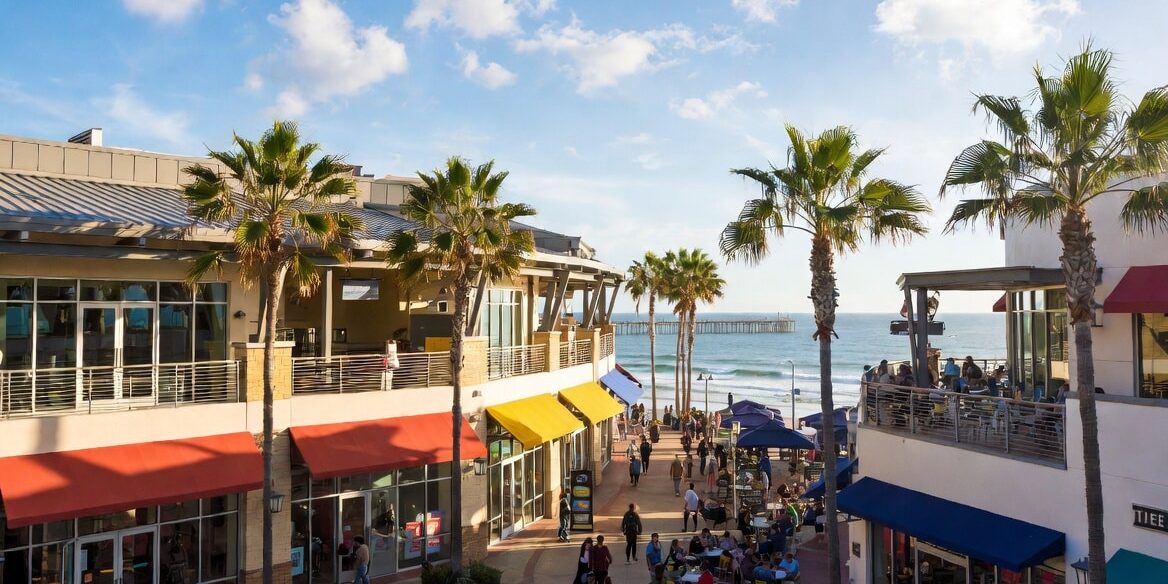
Huntington Beach, nestled in the heart of Orange County, California, stands out as a vibrant coastal destination with a strong retail scene. Known for its sunny beaches, active lifestyle, and affluent demographics, the city offers prime opportunities for retailers, restaurateurs, and service providers looking to lease space in shopping centers, strip malls, and mixed-use developments. From high-traffic areas along Beach Boulevard and Pacific Coast Highway to established centers like Seacliff Village (anchored by Albertsons) or properties near Warner Avenue and Golden west, Huntington Beach combines tourism-driven foot traffic with local resident spending power.
As of recent data, retail asking rents in Huntington Beach average around $38 to $43.49 per square foot annually (often on a NNN—triple net—basis), with availability varying across dozens of listings ranging from small 1,000 SF suites to larger 5,000+ SF spaces. Orange County’s broader retail market remains resilient, with vacancy rates hovering in the low 4% range in many submarkets, reflecting strong demand for necessity-based, experiential, and grocery-anchored tenants amid limited new construction.
Leasing in a shopping center isn’t just about finding affordable rent—it involves navigating complex lease terms, understanding additional costs, complying with local regulations, and positioning your business for long-term success in a competitive coastal market. Whether you’re a first-time business owner or an expanding brand, these Top 10 Tips will help you approach the process strategically. This guide draws on best practices for retail leasing in California, with a focus on Huntington Beach’s unique environment.
1. Understand the Local Market and Choose the Right Location
Start with thorough market research specific to Huntington Beach and Orange County. The area benefits from high tourism (especially near the pier and beaches), a young, active population, and proximity to major employment hubs. However, not all shopping centers are created equal—coastal or beach-adjacent spots may command premium rents due to visibility and foot traffic, while inland or neighborhood centers offer more affordable options with steady local customers.
Key factors to evaluate:
- Foot traffic and demographics: Prioritize centers with strong anchors (grocery stores, fitness gyms, or national brands) that drive consistent visitors. For example, centers with banks, Starbucks, or Panera Bread often create synergy for complementary businesses.
- Visibility and accessibility: Look for high-visibility pads or end-cap spaces along major corridors like Beach Blvd., Warner Ave., or Goldenwest St.
- Tenant mix: Ensure your business complements existing tenants without violating exclusives. Avoid direct competition that could dilute sales.
- Vacancy and trends: Orange County retail has shown low vacancy in many areas, with demand for experiential and necessity retail. Check platforms like LoopNet or contact the City of Huntington Beach’s Community Development Department for available properties.
Tip: Drive the area multiple times at peak and off-peak hours. Talk to current tenants about actual sales performance and any management issues.
2. Work with an Experienced Tenant Representative Broker
Don’t go it alone. A local commercial real estate broker who specializes in tenant representation (not landlord-side) can provide invaluable insights into Huntington Beach’s market, unpublished opportunities, and comparable deals. They understand Orange County’s leasing norms and can help negotiate better terms without costing you upfront (landlords often cover commissions).
Benefits include:
- Access to off-market spaces.
- Objective analysis of total occupancy costs.
- Leverage in negotiations based on current market conditions (e.g., tighter vacancy in coastal submarkets).
In a market with dozens of listings, a broker helps you avoid overpaying or settling for suboptimal spaces.
3. Calculate the True Total Cost of Occupancy (Beyond Base Rent)
Many new lessees focus solely on base rent and get surprised by additional expenses. In Huntington Beach shopping centers, most leases are NNN, meaning you pay base rent plus your pro-rata share of:
- Common Area Maintenance (CAM) charges (landscaping, parking lot repairs, security, marketing funds).
- Property taxes and insurance.
- Utilities and trash.
Average asking rents in the area range from $38–$43+ per SF, but CAM can add significantly—sometimes 20-40% or more to your monthly costs. Ask for historical CAM reconciliations (actual vs. estimated) and negotiate caps on annual increases or exclusions for capital improvements (e.g., roof replacements).
Other hidden costs: Tenant improvement allowances (TI), signage fees, percentage rent (if applicable), and merchant association dues. Build a detailed pro forma including these to ensure your business model supports the full occupancy cost.
4. Negotiate Key Lease Terms Early and Thoroughly
Retail leases in shopping centers are heavily negotiated documents—virtually every clause is flexible depending on market conditions and your creditworthiness. Key areas to focus on in Huntington Beach/Orange County leases:
- Lease Term and Renewals: Aim for an initial 5-year term with multiple 5-year options. Include fair market value or CPI-based rent escalations with caps.
- Rent Abatement and TI Allowance: Negotiate free rent during build-out (often 30-90 days) and landlord contributions toward your improvements.
- Use Clause: Make it as broad as possible (e.g., “general retail, restaurant, or service use, including sale of [your products] and related activities”) to allow future pivots. Avoid overly restrictive language.
- Exclusive Use Rights: Secure protections against similar businesses in the center (e.g., if you’re a specialty food tenant, limit competing concepts).
- Co-Tenancy Clauses: Tie rent reductions or termination rights to the presence of key anchors (e.g., if a major grocery or fitness tenant closes).
Always involve a real estate attorney experienced in California commercial leases to review everything.
5. Review and Negotiate Operating Expenses and CAM Provisions
CAM charges are a frequent pain point in shopping center leases. In California, especially Orange County, scrutinize:
- How CAM is calculated and allocated (pro-rata based on square footage?).
- Caps on controllable vs. non-controllable expenses.
- Audit rights: Include the ability to audit landlord’s books annually.
- Exclusions: Negotiate out management fees on CAM, or limit them.
Request detailed budgets and past reconciliations. In a recovering retail market with some post-pandemic adjustments, landlords may be more flexible on these terms to secure quality tenants.
6. Plan for Tenant Improvements and Build-Out Carefully
Shopping center spaces often require customization. Key tips:
- Clarify who pays for what in the work letter (landlord vs. tenant responsibilities).
- Factor in Huntington Beach’s permitting process—contact the City’s Planning and Building Departments early for zoning, signage, and occupancy requirements. A Building Code Compliance Report before signing can prevent costly surprises.
- Negotiate a generous TI allowance or rent credits.
- Budget for delays: Coastal areas may have additional environmental or aesthetic reviews.
Ensure your contractor understands local codes and that the lease allows sufficient time for permitting and construction without rent penalties.
7. Address Assignment, Subletting, and Exit Strategies
Business needs evolve. Negotiate strong assignment and subletting rights so you can transfer the lease if you sell the business or relocate. Limit or eliminate personal guarantees, or include release provisions upon assignment to a qualified buyer. Also, watch for relocation clauses—landlords may want the right to move you within the center; negotiate protections like cost reimbursement, rent abatement during move, and limits on frequency or impact to visibility.
Include go-dark or early termination rights tied to performance metrics if possible.
8. Comply with Local Regulations and City Requirements
Huntington Beach has specific rules for new businesses. Before finalizing a lease:
- Verify zoning and permitted uses with the Community Development Department (Planning Division at 714-736-5271).
- Understand signage ordinances, parking requirements, and any design guidelines for coastal or specific corridors.
- Obtain necessary permits for your use (e.g., health permits for food service).
- Consider environmental factors—proximity to the ocean may involve additional considerations for certain businesses.
The city encourages proactive checks to avoid deficiencies that could delay opening or add costs.
9. Evaluate Parking, Signage, and Common Area Amenities
Adequate parking is critical for retail success, especially in busy Huntington Beach centers. Confirm ratios meet your needs (and overflow plans) beyond minimum code requirements. Negotiate dedicated or priority parking if possible.
Signage visibility can make or break a business—review center standards and city approvals early. Also, assess marketing funds or promotional events the center offers, as these can boost exposure.
10. Hire Professionals and Avoid Common Pitfalls
Engage a team: tenant broker, real estate attorney, accountant (for financial modeling), and possibly a consultant for site analysis. Common mistakes to avoid:
- Focusing only on low base rent without calculating total costs.
- Signing without fully understanding or negotiating the lease.
- Ignoring future growth or flexibility needs.
- Skipping due diligence on the landlord’s financial stability or center management.
- Underestimating timelines for permitting and build-out.
In Orange County’s competitive yet supply-constrained retail environment, patience and preparation pay off. Low vacancy in quality centers means landlords hold some leverage, but strong business plans and credit can still yield favorable terms.
Final Thoughts: Position Your Business for Success in Huntington Beach
Leasing retail space in Huntington Beach shopping centers offers tremendous potential thanks to the area’s lifestyle appeal, tourism, and stable demographics. By following these 10 tips—conducting deep market research, understanding full costs, negotiating strategically, and complying with local rules—you’ll minimize risks and maximize your chances of thriving.
The process typically takes 3-6 months or more, so start early. Current market conditions (low new supply, steady demand for well-located spaces) favor prepared tenants who can move quickly on quality opportunities.
Next Steps:
- Search listings on LoopNet, CityFeet, or CommercialCafe for Huntington Beach retail spaces.
- Contact the City of Huntington Beach Business Resources for guidance.
- Reach out to a local tenant rep broker for a customized market tour.
Success in retail leasing comes down to alignment: the right space, the right terms, and the right location for your concept. With Huntington Beach’s vibrant energy and Orange County’s economic strength, a well-negotiated lease can set the foundation for years of growth.
This post is for informational purposes only and does not constitute legal or real estate advice. Consult qualified professionals for your specific situation. Market data is approximate and subject to change.