

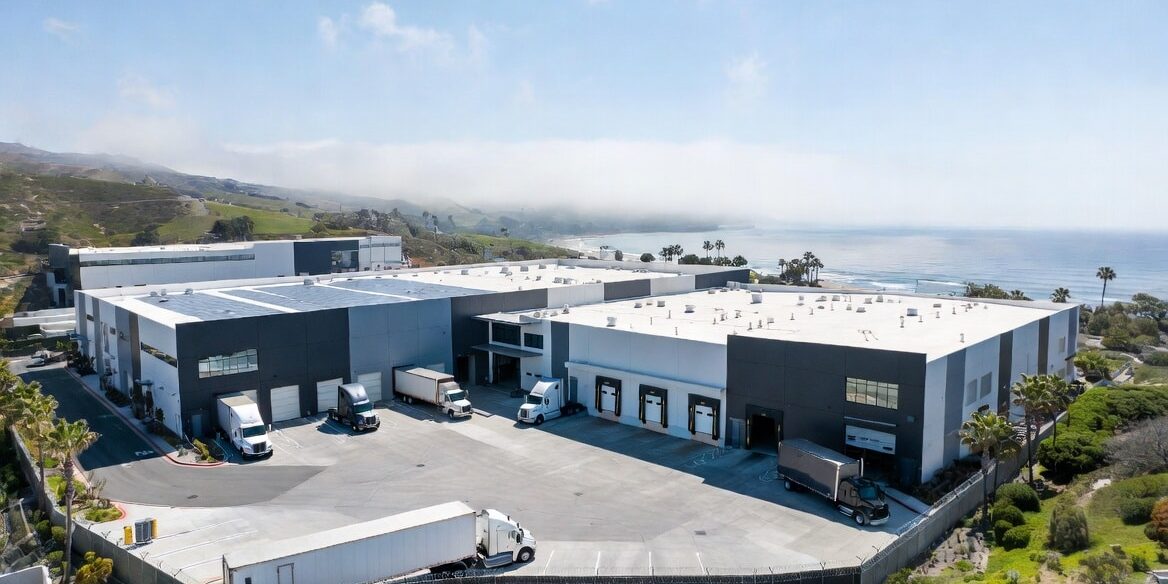
Laguna Beach, nestled along the stunning Southern California coastline in Orange County, is more than just a picturesque tourist destination known for its art galleries, beaches, and vibrant community. In recent years, the area and its surrounding regions have seen growing interest in industrial and logistics properties due to proximity to major ports, highways like the I-405 and CA-73, and the broader Southern California supply chain network. Warehouse and distribution centers in Laguna Beach and nearby Orange County areas play a critical role in supporting e-commerce, retail, and manufacturing sectors. However, maintaining these facilities comes with unique challenges influenced by the local Mediterranean climate, coastal humidity, seismic activity, and strict local regulations.
Proper property maintenance is essential not only for operational efficiency but also for safety, compliance, and cost control. Neglecting maintenance can lead to expensive downtime, regulatory fines, higher insurance premiums, and even safety hazards for workers. In a competitive logistics market, well-maintained warehouses translate to smoother operations, longer asset life, and better tenant or owner satisfaction.
This comprehensive guide outlines the Top 10 Tips for Property Maintenance in Warehouse and Distribution Centers specifically tailored to the conditions in Laguna Beach and Orange County. Whether you manage a small fulfillment center or a large distribution hub, these practical strategies will help you optimize your facility while addressing local environmental factors like salt air corrosion, occasional heavy rains, and wildfire risks during dry seasons.
1. Implement a Robust Preventive Maintenance Schedule
One of the most effective ways to keep your warehouse running smoothly is by establishing a detailed preventive maintenance (PM) program. In Laguna Beach’s humid coastal environment, equipment and structures degrade faster than in drier inland areas. Create a calendar-based or usage-based schedule for inspecting and servicing critical systems such as HVAC, forklifts, conveyor belts, dock doors, and roofing.
Use digital maintenance management software (CMMS) to track tasks, assign responsibilities, and log completion. For distribution centers, prioritize high-traffic areas like loading docks and racking systems, which see constant wear from heavy machinery. In Orange County, where seismic standards are stringent under California Building Code, include structural integrity checks for racks, beams, and foundations at least quarterly.
Regular PM reduces unexpected breakdowns by up to 70% according to industry studies, minimizing costly emergency repairs. Tailor your schedule to local climate patterns—schedule more frequent roof and HVAC inspections during the rainy winter months (November to March) and corrosion checks for metal components exposed to ocean breezes year-round.
2. Prioritize Roof and Structural Integrity Inspections
Warehouses in Laguna Beach face unique roof challenges due to coastal weather. Salt-laden air accelerates corrosion on metal roofs and flashing, while heavy winter rains can expose leaks quickly. Annual professional roof inspections are non-negotiable, with semi-annual checks recommended for older facilities.
Look for signs of ponding water, damaged seams, clogged drains, and UV degradation on membranes. In Orange County, many warehouses must comply with Title 24 energy efficiency standards, so consider reflective cool roofing materials that reduce heat gain and lower cooling costs in the warm summers.
Structural maintenance should include checking for earthquake damage risks. California’s seismic activity means warehouses must have properly anchored racking systems and reinforced walls. Hire certified structural engineers familiar with Orange County codes to conduct load-bearing assessments, especially after any seismic events or major storms. Addressing minor issues early prevents catastrophic failures that could halt operations for weeks.
3. Maintain HVAC and Ventilation Systems for Air Quality and Efficiency
Distribution centers often house temperature-sensitive goods, and in Laguna Beach’s mild but humid climate, proper HVAC maintenance is crucial for preventing mold, moisture damage, and worker discomfort. Dirty filters, clogged coils, and refrigerant leaks not only reduce efficiency but can also lead to higher energy bills—especially important in California where electricity rates are among the highest in the nation.
Schedule quarterly filter changes and annual professional tune-ups. Consider installing smart sensors for real-time monitoring of temperature, humidity, and air quality. In warehouses with high ceilings, destratification fans or upgraded ventilation can improve airflow and reduce energy consumption by 20-30%.
For facilities handling food, pharmaceuticals, or electronics, comply with local Orange County health department standards for indoor air quality. Regular duct cleaning and UV light installations can help control microbial growth exacerbated by coastal humidity.
4. Focus on Floor and Pavement Maintenance
Warehouse floors endure constant abuse from forklifts, pallet jacks, and heavy loads. In Laguna Beach and surrounding areas, concrete floors can crack due to soil movement or seismic shifts common in Southern California. Regularly inspect for cracks, spalling, and uneven surfaces that pose trip hazards or damage equipment.
Apply industrial-grade sealers and coatings every 2-3 years to protect against oil spills, chemicals, and moisture intrusion. For outdoor loading areas and parking lots, maintain asphalt or concrete pavements to prevent potholes that can damage vehicles or cause accidents. Power washing and crack sealing should be done seasonally, particularly after winter rains.
In distribution centers, consider epoxy or polyurethane floor coatings for high-traffic zones—these provide durability, chemical resistance, and easier cleaning, which is vital for maintaining a professional appearance and meeting OSHA safety standards.
5. Control Pest and Rodent Issues Proactively
Coastal locations like Laguna Beach attract more pests due to mild temperatures and proximity to natural habitats. Birds, rodents, insects, and even occasional wildlife can infiltrate warehouses, contaminating goods and damaging insulation or wiring.
Implement an Integrated Pest Management (IPM) program that combines sealing entry points, regular inspections, and eco-friendly treatments. Focus on docks, vents, and utility penetrations where pests enter. Store goods off the floor and away from walls to reduce hiding spots.
In Orange County, work with licensed pest control professionals who understand local regulations on chemical use near residential areas (Laguna Beach has strict environmental protections). Monthly monitoring and immediate response to signs of infestation prevent costly product recalls or health violations.
6. Ensure Fire Safety and Suppression Systems Are Fully Operational
Fire risks in warehouses are high due to stored materials, electrical equipment, and flammable goods. Laguna Beach and Orange County enforce strict fire codes through local fire departments, including requirements for sprinklers, alarms, extinguishers, and clear egress paths.
Test fire suppression systems (sprinklers, clean agent systems) quarterly and have annual inspections by certified technicians. Maintain clear access to fire hydrants and ensure racking layouts allow for proper sprinkler coverage. In wildfire-prone Southern California, create defensible space around the property and maintain vegetation control, especially during dry seasons.
Install and regularly test smoke detectors, emergency lighting, and exit signs. Train staff on evacuation procedures specific to your facility’s layout. Compliance with NFPA standards and local amendments not only saves lives but also keeps insurance costs manageable.
7. Optimize Lighting and Electrical Systems
Energy-efficient lighting is a major cost saver in large warehouses. Upgrade to LED systems if not already done—they last longer, use less power, and provide better illumination for safety and productivity. In Laguna Beach, where daylight varies seasonally, incorporate motion sensors and daylight harvesting to further reduce electricity use.
Inspect electrical panels, wiring, and outlets regularly for wear, especially in humid conditions that promote corrosion. Overloaded circuits or faulty connections are common causes of fires in industrial settings. Schedule infrared thermography scans annually to detect hot spots before they become problems.
For distribution centers with heavy machinery, ensure grounding and surge protection are adequate. Comply with California’s Title 24 and energy efficiency mandates to qualify for potential rebates through Southern California Edison or local utility programs.
8. Manage Landscaping and Exterior Property Maintenance
While warehouses are functional spaces, exterior maintenance impacts curb appeal, property value, and compliance. In Laguna Beach’s scenic area, overgrown vegetation or poor drainage can lead to complaints from neighbors or violations of local aesthetic and environmental ordinances.
Maintain landscaping with drought-tolerant native plants to conserve water—a big concern in California. Ensure proper grading and drainage to prevent water pooling near foundations, which can cause structural issues during rains. Trim trees and shrubs away from buildings to reduce pest access and wildfire fuel.
Regularly clean parking lots, sidewalks, and drainage systems. Power washing exteriors and painting touch-ups every few years keep the property looking professional and protect against coastal weathering.
9. Conduct Regular Safety Audits and Staff Training
Safety is paramount in warehouse environments. Conduct monthly or quarterly safety audits covering everything from forklift operations to slip-and-fall hazards. In Orange County, Cal/OSHA regulations require documented training and hazard communication programs.
Train employees on proper equipment use, emergency procedures, and reporting maintenance issues. Encourage a culture where staff proactively identify problems like damaged racking or leaking roofs. Post clear signage for load limits, exit routes, and hazard areas.
Document all training and audits to demonstrate compliance during inspections. Well-trained teams reduce accidents, lower workers’ compensation claims, and improve overall operational efficiency.
10. Stay Compliant with Local, State, and Federal Regulations
Laguna Beach and Orange County have specific requirements for industrial properties, including zoning, environmental permits, stormwater management (under NPDES), and energy codes. Seismic retrofitting, ADA accessibility, and hazardous material handling rules add layers of complexity.
Partner with local experts—engineers, attorneys, and consultants familiar with South Orange County regulations—to conduct annual compliance audits. Monitor updates to California Building Standards Code, especially seismic and energy provisions that evolve frequently.
Maintain detailed records of all maintenance activities, inspections, and repairs. Digital documentation makes it easier to respond to audits from agencies like the Orange County Fire Authority, Health Department, or Building Department. Proactive compliance avoids fines, delays in permitting, and potential shutdowns.
Additional Best Practices for Laguna Beach-Area Warehouses
Beyond the top 10 tips, consider these supporting strategies:
- Budget Planning: Allocate 1-3% of the property’s replacement value annually for maintenance. Factor in higher costs due to coastal corrosion and seismic requirements.
- Technology Integration: Use IoT sensors for predictive maintenance on critical equipment, reducing reactive repairs.
- Sustainability Focus: Incorporate green practices like solar panels (common in sunny Orange County), water recycling, and energy-efficient upgrades to lower operating costs and appeal to eco-conscious tenants.
- Vendor Management: Build relationships with local contractors experienced in warehouse work and familiar with Laguna Beach permitting processes.
- Insurance Review: Work with insurers specializing in industrial properties to ensure coverage matches your maintenance practices—well-maintained facilities often qualify for lower premiums.
Conclusion
Effective property maintenance for warehouse and distribution centers in Laguna Beach and Orange County is a proactive, ongoing commitment that pays dividends in reliability, safety, and cost savings. By following these Top 10 Tips—from preventive scheduling and roof care to compliance and staff training—you can extend the lifespan of your facility, minimize disruptions, and operate confidently in a challenging coastal and regulatory environment.
In today’s fast-paced logistics industry, a well-maintained warehouse isn’t just an asset; it’s a competitive advantage. Whether you own, manage, or lease industrial property in the Laguna Beach area, investing time and resources in maintenance will protect your investment and support smooth distribution operations for years to come.
If you’re responsible for a warehouse or distribution center in Southern California, start implementing these strategies today. For personalized advice, consult local maintenance professionals or facility management experts who understand the unique conditions of Orange County.






