

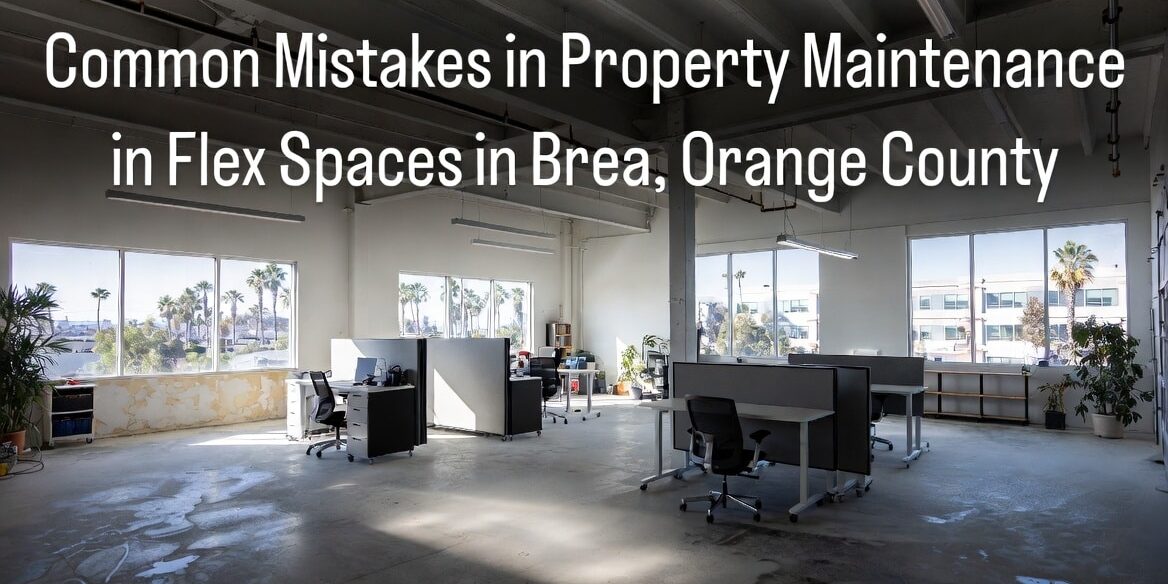
Flex spaces in Brea, Orange County, California, represent one of the most versatile and in-demand property types in the region’s industrial market. These hybrid buildings blend office, showroom, research and development, light manufacturing, and warehouse functions into single structures, typically ranging from 5,000 to 50,000 square feet with high ceilings, multiple grade-level doors, and flexible interior configurations. Brea’s strategic location along the 57 Freeway, proximity to the 91 and 5 freeways, and established business parks such as Brea Central, Lambert Business Park, and Trico Industrial Park have made the city a magnet for tech firms, engineering companies, e-commerce distributors, medical device manufacturers, and professional service providers seeking cost-effective yet professional environments.
Unlike pure office or traditional warehouse properties, flex spaces in Brea experience unique wear patterns: front-office areas demand polished aesthetics and climate control for client meetings, while rear warehouse sections endure heavy forklift traffic, loading dock abuse, and variable storage loads. With Orange County’s industrial vacancy hovering around 5.0–5.7% in recent quarters and asking rents for flex properties in Brea averaging $17–19 per square foot NNN (with premiums for upgraded creative-office components reaching $30+), even minor maintenance lapses can lead to tenant turnover, lease disputes, code violations, or significant capital expenditures.
Property maintenance in these spaces is governed by Brea’s adoption of the International Property Maintenance Code (2024 edition) under Chapter 15.32 of the municipal code, alongside the 2025 California Building Standards Code (Title 24) that became effective January 1, 2026. These regulations require structures to remain safe, sanitary, and fit for occupancy, with specific mandates for exterior upkeep, structural integrity, utilities, fire safety, and stormwater management—particularly important in Brea given its history of oil extraction and industrial activity. The city’s Code Enforcement and Building & Safety Division actively monitor compliance, issuing notices for deteriorating parking lots, overgrown landscaping, roof leaks, or unpermitted tenant improvements. Zoning in C-M (Commercial-Industrial) and M-1/M-2 districts further requires maintained walls, fences, and landscaping to protect neighboring uses.
Despite these clear standards, property owners, managers, and tenants frequently fall into preventable traps. Below are the most common mistakes observed in Brea’s flex spaces, each with real-world consequences and avoidance strategies. Addressing them proactively can preserve asset value, reduce operating expenses, and strengthen tenant retention in a competitive North Orange County submarket.
1. Treating All Areas of the Flex Space with a One-Size-Fits-All Maintenance Approach
Many owners apply uniform maintenance protocols across the entire building, ignoring the distinct needs of the office/showroom front and the industrial rear. Office portions require frequent HVAC filter changes, carpet cleaning, and aesthetic touch-ups, while warehouse zones demand dock leveler lubrication, floor crack repairs, and heavy-duty lighting checks. In Brea’s flex properties, this mistake is amplified by multi-tenant occupancy where one user’s office standards clash with another’s warehouse operations.
Consequences include accelerated deterioration of high-traffic office areas (leading to tenant complaints) and overlooked structural issues in warehouse sections (such as slab settlement from forklift loads). Violations of Brea’s Property Maintenance Code often follow when aesthetics decline or safety hazards emerge.
Avoidance: Create segmented maintenance plans with separate checklists, budgets, and service frequencies. Conduct quarterly walkthroughs that differentiate zones and document findings in a centralized digital log.
2. Relying on Reactive Repairs Instead of Preventive Maintenance Programs
Reactive maintenance—waiting for something to break before fixing it—is the default for many Brea flex owners managing multiple assets. Roofs, HVAC units, electrical panels, and loading docks are left until leaks appear, systems fail, or tenants report issues. Southern California’s dry summers followed by occasional winter storms accelerate hidden wear on flat roofs and drainage systems.
The result? Emergency repairs cost 3–5 times more than planned preventive work, unplanned downtime disrupts tenant operations, and repeated code enforcement visits from the City of Brea can lead to fines or stop-work orders. In extreme cases, neglected roofs have caused interior water damage exceeding $100,000 per incident.
Avoidance: Implement a robust preventive maintenance schedule using CMMS (computerized maintenance management system) software. Schedule bi-annual roof inspections, quarterly HVAC servicing, and annual electrical thermography scans. Budget 1–2% of property value annually for preventive work.
3. Inadequate HVAC Zoning, Servicing, and Upgrades
Flex spaces often feature mismatched HVAC systems: office areas need precise temperature and air-quality control for employees and clients, while warehouse sections require ventilation for fumes or dust without excessive energy waste. Many Brea properties built in the 1980s–2000s still use single-zone rooftop units that cannot handle the hybrid load.
Common failures include uneven cooling, high utility bills, poor indoor air quality, and non-compliance with California’s Title 24 Energy Code updates effective 2026. Tenants in medical device or tech R&D spaces are particularly sensitive to temperature fluctuations that can damage sensitive equipment or samples.
Consequences range from tenant dissatisfaction and early lease terminations to failed energy audits during refinancing or sale. In one documented Brea case, an outdated system led to mold growth after a roof leak, triggering extensive remediation.
Avoidance: Retrofit with zoned or VRF (variable refrigerant flow) systems where feasible. Schedule professional commissioning every 3–5 years and integrate smart thermostats with tenant sub-metering for transparency.
4. Neglecting Roof Inspections and Drainage Maintenance
Flat or low-slope roofs dominate Brea flex buildings, and many owners inspect them only after visible leaks or tenant complaints. Ponding water from clogged scuppers or poor slope, combined with UV degradation in Southern California’s intense sun, shortens membrane life dramatically. Unaddressed issues also violate Brea’s Property Maintenance Code requirements for weather-tight structures.
Consequences include interior damage to ceilings and office finishes, mold growth, structural weakening, and costly insurance claims. During heavy rain events common in Orange County winters, neglected drainage has caused flooding that halts warehouse operations for days.
Avoidance: Mandate semi-annual professional roof scans (including infrared thermography) and immediate clearing of debris from drains and gutters. Maintain detailed repair histories to demonstrate due diligence during city inspections or insurance reviews.
5. Allowing Parking Lots, Loading Docks, and Exterior Surfaces to Deteriorate
High truck traffic in Brea’s industrial corridors accelerates cracking, potholes, and trip hazards in parking lots and dock aprons. Many owners defer resurfacing or restriping, leading to ADA compliance failures, stormwater runoff violations (Brea enforces strict regional NPDES permits), and unattractive first impressions for clients.
Faded striping, broken curbs, and overgrown landscaping also trigger code enforcement notices under Brea’s zoning requirements for maintained walls, fences, and landscaping. In multi-tenant flex parks, disputes over common area maintenance (CAM) charges frequently arise when one owner neglects shared lots.
Avoidance: Budget for sealcoating every 3–5 years and full asphalt overlays every 8–10 years. Install permeable pavers or bioswales where code allows to manage runoff and gain sustainability credits.
6. Poor Coordination of Tenant Improvements and Alterations
Flex tenants frequently request build-outs for offices, mezzanines, or specialized equipment. Without strict oversight, unpermitted modifications—such as added electrical panels, plumbing reroutes, or demising walls—create safety hazards and code violations. Brea requires permits for most tenant improvements under the 2025 California Building Code.
The mistake often surfaces during property sales or refinancing when inspectors flag non-compliant work, delaying transactions or requiring costly retrofits. Insurance coverage gaps can also emerge if alterations void policies.
Avoidance: Require all tenant work to go through the property manager’s permitting process. Maintain as-built drawings and require licensed contractors with proof of insurance. Conduct post-construction walkthroughs to verify compliance.
7. Inadequate Pest and Rodent Control Programs
Warehouse portions of flex spaces attract pests due to stored goods, cardboard packaging, and proximity to open docks. Many Brea owners rely on sporadic extermination rather than integrated pest management (IPM), allowing rodents or insects to damage insulation, wiring, or inventory.
Health department complaints, tenant health concerns, and potential violations of the International Property Maintenance Code (which mandates pest-free conditions) follow. In food-related or medical tenants, infestations can lead to immediate lease breaches.
Avoidance: Contract with licensed IPM providers for monthly exterior baiting and quarterly interior inspections. Seal all penetrations and maintain clean dock areas.
8. Ignoring Updates to Energy Efficiency, Seismic, and Fire Safety Standards
With the 2025 Title 24 and CALGreen updates now in force, older flex buildings in Brea must address lighting retrofits, insulation, and emergency systems during major repairs. Many owners delay compliance until forced by city inspections or tenant demands for LEED or energy-efficient certifications.
Non-compliance risks fines, higher insurance premiums, and lost competitive edge when marketing to ESG-focused tenants. Seismic bracing for racking or equipment is another frequently overlooked requirement in earthquake-prone Southern California.
Avoidance: Commission an energy audit every 3 years and maintain a capital improvement reserve specifically for code-driven upgrades. Partner with Brea Building & Safety early when planning any renovations.
9. Failing to Maintain Proper Records and Documentation
Maintenance logs, service contracts, inspection reports, and tenant communication records are often scattered or nonexistent. During code enforcement visits, insurance claims, or litigation, the absence of documentation makes defending the property owner’s diligence nearly impossible.
In Brea’s active code enforcement environment, lack of records can turn minor issues into prolonged disputes or escalated fines.
Avoidance: Adopt cloud-based property management software that timestamps every work order, invoice, and inspection photo. Require vendors to upload reports immediately upon completion.
10. Underfunding or Mismanaging Common Area Maintenance (CAM) Budgets
In multi-tenant flex parks, shared parking, landscaping, lighting, and drainage systems fall under CAM charges. Owners who underestimate costs or fail to reconcile expenses annually create tenant disputes and cash-flow shortfalls. Deferred maintenance then compounds the problem.
Avoidance: Use realistic annual CAM budgets reviewed by third-party auditors. Provide transparent monthly billing and annual reconciliations within 90 days of year-end, as is standard practice.
Real-World Impact in Brea and How to Build a Better Program
These mistakes are not theoretical. In recent years, Brea property managers have reported tenant losses exceeding 15% due to unresolved maintenance issues, with some owners facing six-figure remediation costs after deferred roof or HVAC failures. Code enforcement actions have increased as the city prioritizes quality-of-life standards amid redevelopment.
The solution is straightforward: develop a comprehensive maintenance program that includes annual property condition assessments, dedicated reserve accounts, technology-enabled tracking, and regular collaboration with Brea’s Building & Safety and Code Enforcement teams. Engage qualified property management firms experienced in North Orange County flex assets who understand the interplay between tenant needs, regulatory requirements, and market expectations.
Conclusion
Common mistakes in property maintenance for flex spaces in Brea are costly not only in dollars but also in tenant loyalty, property value, and regulatory standing. By moving from reactive to preventive strategies, segmenting maintenance by use type, staying ahead of California’s evolving codes, and maintaining meticulous documentation, owners and managers can protect their investments while delivering high-performing environments that attract premium tenants.
In a market where Brea’s flex inventory remains tight and demand for well-maintained hybrid spaces continues to grow, proactive maintenance is no longer optional—it is the competitive edge that separates successful assets from those struggling with vacancies or forced capital expenditures. Property stakeholders who invest in professional programs today will reap the rewards of higher occupancy, stronger rents, and smoother operations for years to come.