

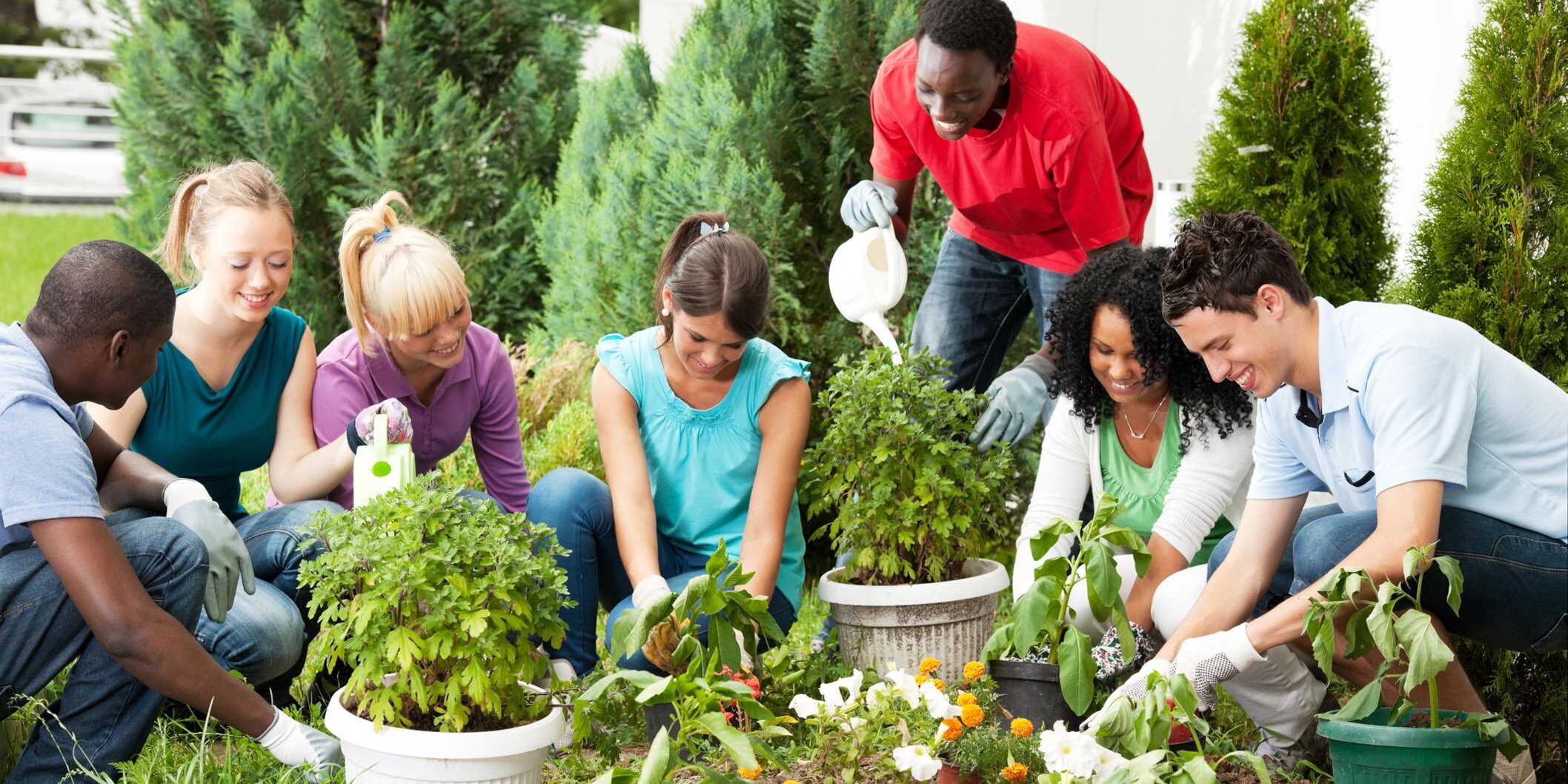
In the heart of Surf City USA, Downtown Huntington Beach pulses with energy. This neighborhood, centered around the iconic Huntington Beach Pier and Main Street, is a blend of coastal charm, bustling commerce, and residential vibrancy. With its mix of apartments, condos, and beachside homes, it’s a place where the ocean breeze mingles with the hum of daily life. Yet, amid the surf shops, restaurants, and tourist attractions, there’s a growing appreciation for green spaces that foster community and sustainability. Community gardens, though not always nestled directly within the downtown blocks, play a vital role in serving these neighborhoods. They offer residents—many of whom lack private yards—a chance to connect with nature, grow fresh produce, and build social ties.
Downtown Huntington Beach, often simply called “Downtown HB,” encompasses areas like the Pacific Coast Highway corridor, the pier district, and adjacent residential zones. It’s one of several neighborhoods in the city, alongside Huntington Harbour to the north, Seacliff to the northwest, and Sunset Beach further up the coast. The area’s urban density means limited space for personal gardening, making communal plots essential. These gardens not only provide access to organic farming but also promote environmental stewardship in a city known for its beaches and outdoor lifestyle. As of 2026, while there isn’t a dedicated community garden right in the downtown core, nearby initiatives like the longstanding Huntington Beach Community Garden and emerging projects address this need, drawing participants from downtown apartments and beyond.
The appeal of community gardens in such neighborhoods lies in their multifaceted benefits. They serve as oases in urban settings, where high-rise living and paved streets dominate. For downtown residents, who might rely on window sills or balconies for any greenery, these spaces offer a tangible link to the earth. They encourage healthy eating by allowing people to harvest their own fruits and vegetables, reduce food miles, and support local charities through donations. Moreover, in a post-pandemic world, they’ve become hubs for mental health, providing therapeutic activities like planting and weeding that combat stress. In Huntington Beach, where the community prides itself on an active, eco-conscious ethos, these gardens align perfectly with the city’s identity.
As we delve deeper, this blog explores the history, current landscape, and future of community gardens tied to Downtown Huntington Beach neighborhoods. We’ll examine how these initiatives bridge the gap between urban living and natural cultivation, fostering a sense of belonging in one of California’s most beloved coastal enclaves.
A Brief History of Community Gardens in Huntington Beach
Community gardens have roots that stretch back to times of necessity, evolving into symbols of resilience and unity. In Huntington Beach, this tradition began gaining traction in the late 20th century, mirroring national trends where urban areas sought to reclaim land for sustainable use. The city’s coastal location, with its mild climate ideal for year-round growing, made it a natural fit for such endeavors.
The cornerstone of this movement is the Huntington Beach Community Garden (HBCG), founded as a 501(c)(3) non-profit organization driven by a vision for an organic, self-sufficient public space. Established to educate both children and adults about organic gardening practices, it aimed to provide plots where residents could grow food for personal consumption and local food banks. This initiative emerged from grassroots efforts, reflecting a community desire to counter urban sprawl with green productivity. Over the years, it has grown into a vital resource, adapting to the city’s expanding population.
In the broader context of Orange County, community gardens like HBCG are part of a network that includes spots in nearby cities such as Irvine and Garden Grove. Huntington Beach’s history ties into California’s legacy of community agriculture, influenced by movements like the victory gardens of World War II and the environmental awakenings of the 1970s. Locally, the push intensified as downtown areas densified with apartments and condos, leaving residents yearning for soil under their fingernails.
By the 2010s, HBCG had solidified its role, with expansions to accommodate more plots. Recent developments, such as the city’s exploration of new sites, show how this history continues to evolve. In July 2025, the Huntington Beach City Council unanimously voted to study a new community garden on the north end, highlighting ongoing commitment to this tradition. This reflects a response to growing demands from downtown dwellers, who often lack private green spaces.
Key Community Gardens Serving Downtown Neighborhoods
While Downtown Huntington Beach doesn’t host a garden within its immediate boundaries, several nearby options serve its residents effectively. The primary one is the Huntington Beach Community Garden, located at 10172 Atlanta Avenue, just a short distance from where the street meets the Santa Ana River. This site is approximately 6-7 miles southeast of the downtown pier area, making it accessible by a quick drive or bike ride along coastal paths. It’s open daily from 7:00 AM to 7:00 PM, except on major federal holidays like New Year’s Day, Thanksgiving, and Christmas.
HBCG features about 110 plots, each roughly 15 feet by 20 feet, available for annual rental at a modest fee. Gardeners commit to organic methods and donate at least 10% of their harvest to local charities, embodying a spirit of giving. The garden is a peaceful haven, where individuals cultivate fruits, vegetables, flowers, and herbs in a communal setting. It promotes sustainable practices, such as composting and water conservation, aligning with Huntington Beach’s environmental goals. Reviews on platforms like Yelp praise its welcoming atmosphere and educational value, with visitors noting the vibrant plots and sense of community.
Complementing this is the Secret Garden in Huntington Central Park, situated behind the Huntington Beach Central Library on Goldenwest Street. About 5 miles inland from downtown, this serene spot isn’t a traditional plot-based community garden but offers a tranquil area for enjoying nature. It’s ideal for downtown residents seeking a quiet escape, with paths winding through native plants and benches for reflection. While not for active gardening, it enhances the city’s green network.
Another related space is Norma Gibbs “Butterfly” Park, which received a new overwintering nectary garden in December 2025 through a community partnership. Located in the city, this project involved volunteers, the Sea Isle Garden Club, and Girl Scout Troop 1420, planting native species to support pollinators. It’s a step toward more eco-friendly spaces that indirectly benefit community gardening by promoting biodiversity.
These gardens, though not downtown-exclusive, draw heavily from the neighborhood’s population. Downtown’s proximity to the beach means residents can combine garden visits with coastal outings, creating a holistic outdoor experience.
The Proposed North End Community Garden: A Game-Changer for Downtown
Looking ahead, a significant development is the proposed 12-acre community garden on Huntington Beach’s north end. Initiated in July 2025 by Councilmember Andrew Gruel and Mayor Pat Burns, this project aims to transform a former railroad corridor acquired at no cost from Spreckels Sugar Company. The city council directed staff to assess feasibility, including multi-trophic aquaculture—a innovative system integrating fish farming with plant growth for mutual sustainability.
As of early 2026, the project remains in the planning phase, with a feasibility report expected soon. This north end location, near neighborhoods like Huntington Harbour and Sunset Beach, is about 5-6 miles north of downtown, making it conveniently accessible via major roads like Warner Avenue. It’s particularly appealing for downtown apartment dwellers, as Gruel noted the need for gardening options beyond window sills.
If realized, this garden could offer expanded plots, educational programs on aquaculture, and enhanced food production. It represents a pilot for innovative farming, potentially boosting local economy and environment by planting native species and fostering neighborly bonds. For downtown residents, it promises closer access to sustainable activities, reducing the drive to existing sites.
Benefits to the Community and Environment
Community gardens offer profound advantages, especially in dense areas like Downtown Huntington Beach. Health-wise, they encourage physical activity through digging, planting, and harvesting, while providing fresh, nutrient-rich produce that supports better nutrition. In a beach town where outdoor fitness is king, these spaces add variety to routines.
Socially, they build connections. Neighbors from diverse backgrounds collaborate, sharing tips and stories, which strengthens community ties in a transient urban setting. Environmentally, they promote biodiversity, reduce carbon footprints by localizing food sources, and conserve water through efficient practices. In Huntington Beach, facing coastal challenges like erosion and climate change, such gardens aid in habitat restoration.
Economically, they cut grocery costs and support food banks, addressing food insecurity. Studies show participants report improved mental well-being, with gardening acting as a stress reliever amid the downtown hustle.
How to Get Involved
Joining is straightforward. For HBCG, submit a membership application via their website or email, agreeing to organic rules and donation commitments. Waiting lists may apply due to popularity. Volunteering opportunities include maintenance days or educational workshops.
For the new project, stay informed through city council updates or local forums. Groups like the Facebook HB Community Forum often discuss initiatives. Downtown residents can advocate by attending meetings.
Challenges and Solutions
Challenges include water scarcity in California’s droughts, requiring drip irrigation and mulching. Maintenance demands community effort, and waiting lists reflect high demand. Solutions involve education and expansion, like the north end project.
The Future of Greenery in Downtown HB
With ongoing projects, the future looks lush. Potential for more downtown-adjacent gardens could arise, integrating with parks or vacant lots. As sustainability gains traction, these spaces will thrive.
In conclusion, community gardens enrich Downtown Huntington Beach neighborhoods, weaving sustainability into the coastal fabric. Whether through established plots or new ventures, they invite all to dig in and grow together.