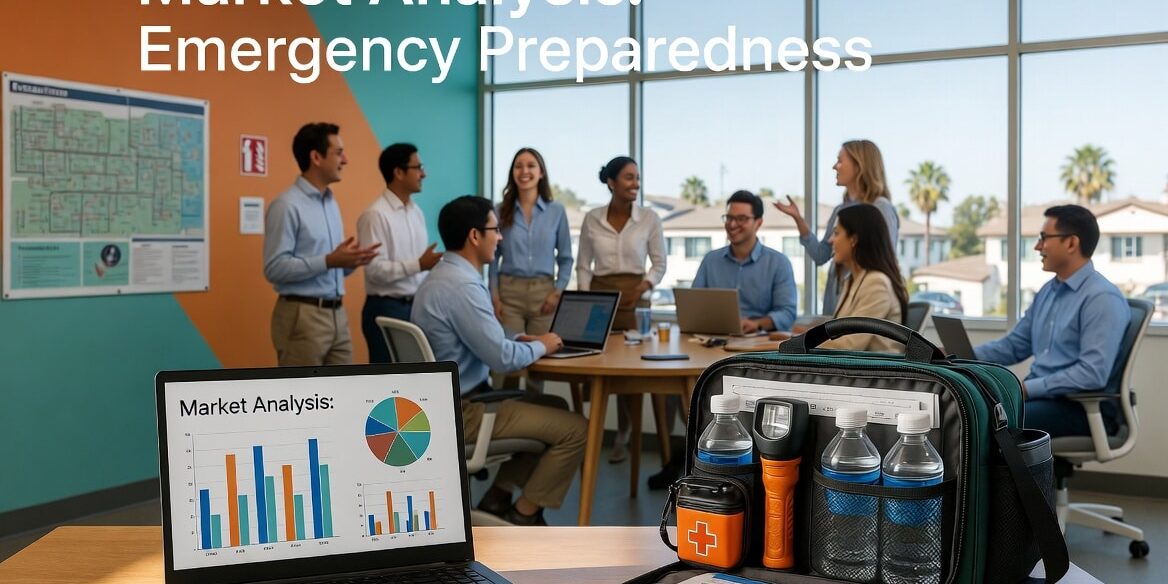
In recent years, co-working spaces have transformed the way professionals, freelancers, startups, and small businesses operate. Fullerton, located in the heart of Orange County, California, has seen a notable growth in these flexible workspaces. As more individuals and companies choose shared environments for collaboration, cost-efficiency, and community, one critical aspect often overlooked is emergency preparedness. Conducting a thorough market analysis for emergency preparedness is essential for operators looking to differentiate their offerings, ensure compliance, mitigate risks, and attract safety-conscious clients in this competitive market.
This blog post explores the process of performing such an analysis specifically tailored to co-working spaces in Fullerton and the broader Orange County region. We’ll cover why it matters, local risk factors, regulatory requirements, step-by-step methodologies, and strategic insights to help stakeholders build more resilient and marketable workspaces.
The Growth of Co-Working in Fullerton and Orange County
Fullerton offers a vibrant mix of historic charm and modern amenities, making it attractive for entrepreneurs. Downtown Fullerton and areas along major corridors host several co-working options, ranging from boutique setups emphasizing creative communities to more structured environments serving remote teams and startups. The post-pandemic shift toward hybrid and flexible work has accelerated demand for co-working. Professionals seek not just desks and meeting rooms but reliable, inspiring environments that support productivity without the overhead of traditional leases. However, with high occupancy and a transient user base—members coming and going daily—these spaces present unique challenges during emergencies compared to single-tenant offices.
Market analysis helps operators understand how emergency preparedness fits into the value proposition, potentially commanding premium pricing or serving as a key differentiator amid growing awareness of natural disasters. With Orange County’s economy rebounding and Fullerton’s strategic location near major freeways, universities, and tech corridors, the co-working sector is poised for continued expansion, creating both opportunities and responsibilities for safety planning.
Why Emergency Preparedness is Paramount in Co-Working Spaces
Co-working spaces host diverse users: independent contractors unfamiliar with building layouts, teams from multiple companies, and frequent visitors. This heterogeneity means standard corporate emergency plans may not suffice. A single incident, whether a fire, medical emergency, or large-scale disaster, can affect dozens or hundreds of unrelated individuals simultaneously.
Effective preparedness reduces liability, builds trust, minimizes downtime, and supports rapid recovery. In a shared environment, responsibility is distributed, making clear protocols, training, and communication systems vital. Operators who invest in robust systems can market their spaces as “safe havens,” appealing to risk-averse businesses and professionals. Furthermore, strong preparedness can lower insurance premiums and demonstrate due diligence in the event of claims or audits.
Local Hazard Profile: Risks Specific to Fullerton, Orange County
Fullerton sits in a seismically active region near major fault lines, including the San Andreas and local faults, resulting in significant earthquake risk. Historical data and local assessments highlight liquefaction and ground shaking as primary concerns in certain areas. Wildfire threats are also prominent, especially during dry seasons exacerbated by Santa Ana winds. Although Fullerton is more urbanized than hillside communities, interface fires and urban conflagration remain risks.
Flooding has historical precedence, with major events in the 20th century impacting northern Orange County through barrancas and channels. Climate trends indicate increasing potential for extreme precipitation and flash flooding. Other hazards include extreme heat events, which can strain cooling systems and affect occupant health, as well as potential utility disruptions. Fullerton’s Local Hazard Mitigation Plan addresses these geologic, fire, and flood risks comprehensively, serving as a valuable reference for businesses.
Orange County as a whole faces a mix of natural and human-caused threats, requiring co-working operators to adopt location-specific strategies rather than generic national templates. Understanding these localized risks is the foundation of any credible market analysis.
Navigating the Regulatory Landscape
California maintains some of the strictest workplace safety standards in the nation. Cal/OSHA mandates Emergency Action Plans (EAPs) for most workplaces, detailing evacuation procedures, alarm systems, reporting methods, and roles during emergencies. Fire codes require adequate exits, clearly marked routes, fire suppression systems, and regular inspections. For co-working operators, compliance extends to ensuring all members—even day-pass users—receive orientation on safety protocols.
Local building and zoning regulations in Fullerton may impose additional requirements for occupancy loads, accessibility during emergencies, and coordination with city emergency services. Staying aligned with updates to the city’s hazard mitigation efforts ensures alignment with broader community resilience goals. Market analysis should evaluate how well current spaces comply and identify gaps that represent business opportunities or compliance risks.
Defining Market Analysis for Emergency Preparedness
Market analysis in this context goes beyond traditional demand forecasting. It involves assessing the competitive environment regarding safety features, gauging customer perceptions and willingness to pay for enhanced preparedness, identifying regulatory trends and insurance implications, and quantifying potential ROI through risk reduction and marketing advantages. It combines hazard assessment, user surveys, competitor benchmarking, and economic modeling tailored to the co-working sector.
Step-by-Step Guide to Conducting the Analysis
Step 1: Establish Objectives and Scope Define what success looks like. Is the goal to retrofit an existing space, design a new one, or position the facility as a leader in safety? Scope should cover primary hazards, user demographics, and budget constraints. Align objectives with Fullerton’s specific market dynamics, such as the blend of creative freelancers and small tech firms common in the area.
Step 2: Conduct Comprehensive Risk Assessment Review local data from city hazard mitigation documents, FEMA flood maps, and seismic hazard reports. Engage professionals to perform site-specific vulnerability assessments, considering building age, location, and layout. Factor in how Fullerton’s urban density and proximity to transportation corridors might influence evacuation times or secondary hazards like traffic gridlock during major events.
Step 3: Review Regulatory and Compliance Requirements Catalog all applicable federal, state, and local mandates. Consult with fire departments, building officials, and legal experts to understand minimum standards and best practices exceeding them. This step reveals opportunities to surpass basic Cal/OSHA requirements, such as implementing advanced notification tools that could become a selling point.
Step 4: Analyze the Competitive Landscape Survey other co-working spaces in Fullerton and nearby cities like Anaheim, Orange, and Brea. Evaluate what they offer: AEDs, first-aid kits, emergency communication apps, backup power, evacuation signage quality, drill frequency, and member training. Identify underserved areas, such as advanced earthquake preparedness or real-time alert systems. In a market where spaces compete on amenities like high-speed internet and ergonomic furniture, superior safety infrastructure can become the decisive factor.
Step 5: Gather Customer and Stakeholder Insights Use surveys, focus groups, and interviews with current members, potential clients, and property managers. Key questions include: How important is emergency preparedness in choosing a workspace? What features would increase your sense of security? Would you pay a premium for certified safety standards? Segment responses by user type—freelancers may prioritize quick evacuation, while small teams might value business continuity planning.
Step 6: Evaluate Technological and Operational Solutions Research tools like mass notification systems, smart building integrations for automated alerts, emergency kits tailored to local risks, and partnerships with local Community Emergency Response Team programs. Assess costs, implementation ease, and user adoption rates. Consider solutions that integrate seamlessly with existing co-working management software to minimize disruption.
Step 7: Perform Economic and ROI Analysis Calculate costs of preparedness investments versus benefits: reduced insurance rates, fewer lost workdays, enhanced brand reputation, and potential revenue from safety-focused marketing. Model scenarios for different disaster types to quantify risk exposure. In Fullerton’s cost-sensitive market, demonstrating clear financial returns helps justify expenditures to investors or landlords.
Step 8: Synthesize Findings and Develop Recommendations Compile data into actionable insights, prioritizing high-impact, cost-effective measures. Create a phased implementation plan that balances immediate compliance needs with longer-term differentiators. Include metrics for ongoing evaluation, such as annual drills and member feedback scores.
Opportunities in the Fullerton Market
Fullerton’s mix of established businesses and growing startup scene creates demand for workspaces that offer peace of mind. Operators can differentiate by going beyond minimum compliance—offering earthquake kits at every desk, regular multi-hazard drills, or integration with county alert systems. With increasing awareness of climate and seismic risks, marketing “resilient co-working” can appeal to larger enterprises seeking satellite offices or hybrid solutions for employees. The relatively lower rental costs in Fullerton compared to coastal Orange County cities further position safety enhancements as an affordable way to stand out.
Challenges and Mitigation Strategies
Challenges include high upfront costs, user engagement fatigue, and coordinating across diverse tenants. Solutions involve starting with low-cost measures like improved signage and training, then scaling to technology. Partnering with local emergency management offices can provide resources and credibility. Regular communication campaigns—newsletters, app notifications, and onboarding videos—help maintain awareness without overwhelming members.
Emerging Trends and Future Outlook
The emergency management market nationally is expanding rapidly, driven by more frequent disasters and technological advancements. Trends relevant to co-working include AI-powered predictive alerts, mobile apps for personalized evacuation guidance, integration of IoT sensors for real-time hazard detection, and sustainability-linked resilience (e.g., solar-powered backup systems). In Orange County, as hybrid work stabilizes, co-working spaces investing in preparedness will likely see stronger retention and attraction of quality members. Fullerton’s forward-looking business community is well-positioned to adopt these innovations early.
Conclusion
Conducting a detailed market analysis for emergency preparedness is no longer optional for forward-thinking co-working operators in Fullerton, Orange County. It is a strategic imperative that protects lives, safeguards businesses, ensures regulatory compliance, and creates competitive advantage.
By systematically assessing local risks, understanding user needs, benchmarking against competitors, and quantifying economic impacts, operators can develop comprehensive preparedness strategies that enhance value and build community resilience. In an era of uncertainty, those who prioritize safety will not only survive but thrive, positioning Fullerton’s co-working ecosystem as a model of responsible, modern workspace management.