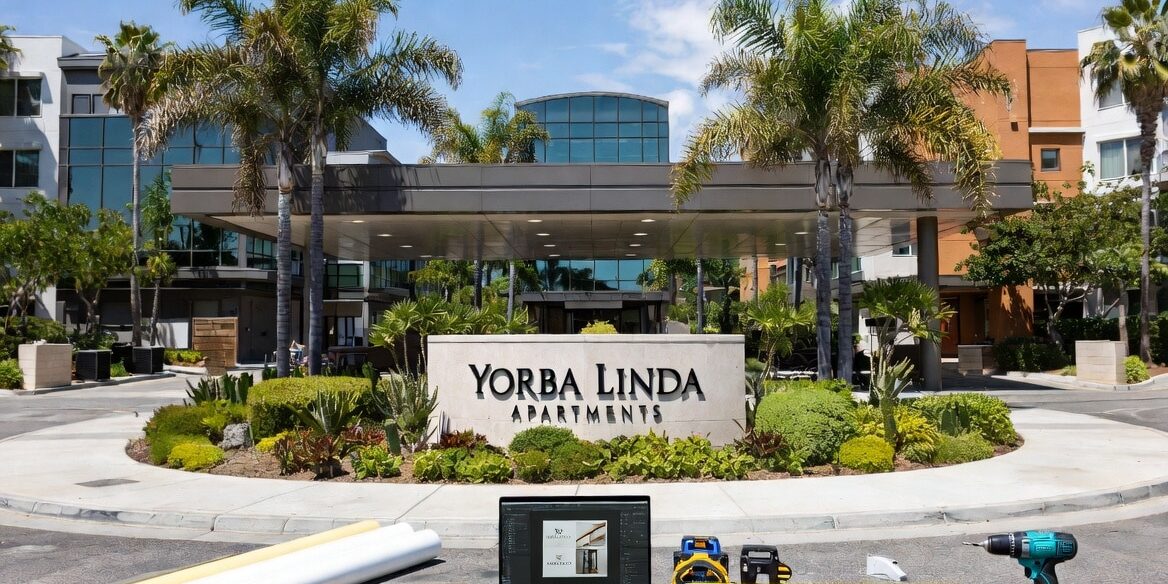
Yorba Linda, nestled in the heart of Orange County, California, offers a suburban charm with its tree-lined streets, excellent schools, and family-friendly atmosphere. Apartment complexes here cater to a mix of young professionals, families, and retirees seeking well-maintained, branded communities that reflect quality living. Effective signage and branding play a pivotal role in attracting tenants, ensuring smooth operations, enhancing resident satisfaction, and complying with local regulations. A strong visual identity helps properties stand out in a competitive Orange County rental market, where first impressions from entrance monuments to interior wayfinding can influence leasing decisions and long-term tenant retention.
This comprehensive guide explores the essential tools—both physical and digital—for creating, implementing, and maintaining signage and branding in Yorba Linda apartment complexes. Whether you’re a property manager, developer, or owner of a multifamily community, investing in the right tools can boost curb appeal, reinforce brand consistency, improve navigation, and ultimately increase property value and occupancy rates. We’ll cover types of signage, design and production tools, installation essentials, compliance considerations specific to Yorba Linda, and advanced digital solutions.
Why Signage and Branding Matter for Apartment Complexes in Yorba Linda
In Yorba Linda, apartment signage serves multiple purposes: identifying the community, guiding visitors and residents, highlighting amenities like pools, gyms, or dog parks, and enforcing rules for safety and order. A well-branded property signals professionalism and care, which can differentiate it from neighboring complexes in Orange County.
Key benefits include:
- First Impressions: Monument signs at entrances with the community name, logo, and contact info create an inviting welcome.
- Wayfinding and Safety: Directional arrows, building numbers, parking signs (distinguishing resident vs. visitor spaces), and emergency information reduce confusion and liability.
- Branding Consistency: Uniform colors, fonts, and materials across all signs build trust and reinforce the property’s lifestyle appeal—whether it’s luxury, family-oriented, or eco-friendly.
- Marketing Impact: Signs can promote lease specials, events, or amenities, supporting broader marketing efforts like brochures, flyers, and online listings.
- Regulatory Compliance and Maintenance: Proper signage helps meet city codes while durable materials withstand Southern California’s weather, including sun, wind, and occasional rain.
Studies and industry practices show that cohesive signage can increase perceived property value and resident satisfaction. For instance, consistent branding from exterior to interior fosters a sense of community and professionalism.
Local Regulations: Signage in Yorba Linda, Orange County
Before selecting tools or designs, understand Yorba Linda’s sign ordinances to avoid fines or removal orders. The city requires a Sign Permit from the Planning Division (contact: 714-961-7130) for most permanent signs. Temporary banners have specific rules and time limits.
Highlights relevant to apartments:
- Freestanding or Monument Signs: Limited in size and height; one per street frontage often allowed for multifamily properties.
- Parking Directional Signs: Up to 6 square feet and 4 feet in height at entrances/exits.
- Real Estate or Rental Signs: Restrictions on size (e.g., 32 square feet in some zones) and duration; open house signs have limits on number and placement.
- Residential Zones: Additional rules for flags, pennants, and illuminated signs.
- General Requirements: Signs must be maintained in good condition, with proper contrast for readability. Non-compliance can lead to enforcement actions.
Property managers should consult the Yorba Linda Municipal Code (e.g., Article 2 and 3 on signs) or work with local sign companies familiar with Orange County standards. Early planning ensures designs meet ADA accessibility (e.g., braille, high-contrast), which is increasingly important for inclusive communities.
Working with permitted professionals helps navigate these rules while aligning signage with the community’s brand.
Types of Essential Signage for Apartment Complexes
A complete signage program includes several categories:
- Entrance and Monument Signs: Large, branded freestanding or wall-mounted signs displaying the community name, logo, address, and tagline. These set the tone and are highly visible from streets.
- Wayfinding and Directional Signs: Arrows, maps, and directories guiding to buildings, amenities (gym, pool, laundry), parking, and exits. Post-and-panel or pylon signs work well for larger complexes.
- Building and Unit Identification: Numbers, letters, and plaques for easy navigation. These should match the overall brand aesthetic.
- Parking and Regulatory Signs: Resident/visitor parking, no-parking zones, towing warnings, and rules (e.g., speed limits, pet areas).
- Amenity and Rule Signs: Pool rules, gym hours, laundry instructions, pet stations, and community boards for announcements.
- Interior Branding: Lobby welcome signs, elevator graphics, wall murals, and resident handbooks with consistent logos and colors.
- Temporary and Promotional Signs: Banners for lease specials, open houses, or events—subject to time limits.
Materials commonly recommended for durability in California include acrylic (versatile and cost-effective), aluminum or stainless steel (sleek and weather-resistant), and wood or composite for a premium feel. High-contrast colors and legible fonts (sans-serif for readability) enhance visibility.
Essential Design and Creation Tools for Branding and Signage
Creating professional signage starts with strong design tools that ensure brand consistency.
- Graphic Design Software:
- Adobe Creative Cloud (Photoshop, Illustrator, InDesign): Industry standard for vector graphics, photo editing, and layout. Ideal for creating scalable logos, custom illustrations, and print-ready files for signs.
- Canva: User-friendly for non-designers. Offers templates for flyers, brochures, social media graphics, and basic signage mockups. Great for quick property marketing materials like floor plans or resident welcome packets.
- Other Options: CorelDRAW, Affinity Designer, or specialized sign software like CADlink SignLab or EasySign for direct output to cutters and routers.
- Brand Style Guides: Develop a comprehensive guide covering logos, color palettes (e.g., warm earth tones for Yorba Linda’s suburban vibe), fonts, and usage rules. This ensures all signage, marketing collateral, and digital assets align. Tools like Adobe InDesign or even Google Docs can house the guide for team access.
- Content Creation for Digital Elements: For brochures, flyers, and property booklets, use tools that support high-resolution exports. Include lifestyle imagery, floor plans, and amenity highlights to attract tenants.
These tools help property managers produce consistent visuals that extend from physical signs to websites and social media.
Production and Fabrication Tools
Once designs are ready, fabrication requires specialized equipment:
- Vinyl Cutters and Plotters: For applying graphics, lettering, and decals to signs. Brands like Roland or Graphtec offer precision cutting.
- Large-Format Printers: UV or solvent printers for durable outdoor banners, vehicle wraps, or interior wall graphics. These handle weather-resistant inks.
- CNC Routers and Laser Engravers: For cutting acrylic, metal, or wood into custom shapes. Essential for 3D letters, dimensional signs, or intricate logos.
- Materials and Supplies: High-quality substrates (aluminum composite panels, acrylic sheets), laminates for UV protection, and mounting hardware (posts, brackets, standoffs).
Many property managers partner with local Orange County sign shops equipped with these tools rather than investing in-house, but understanding them helps in specifying quality work.
Installation Tools:
- Basic toolkit: Levels, measuring tapes, drills, anchors, and safety gear.
- For larger projects: Boom lifts or scaffolding for monument signs, post drivers for freestanding units.
- Professional installers ensure signs are secure, level, and code-compliant, minimizing future maintenance.
Top must-have installation picks include cordless drills, laser levels for alignment, and proper fasteners for different surfaces.
Digital Signage and Advanced Tools
Modern apartment communities increasingly incorporate digital signage for dynamic communication:
- Hardware: LED displays, LCD/LED video walls, floor-standing kiosks, and TV-based systems for lobbies, elevators, or amenity areas. Indoor LED or direct-view LED offers high brightness and clarity.
- Software Platforms:
- Yodeck, Mandoe, or Rise Vision: Cloud-based content management for scheduling announcements, events, rules, or promotional content remotely.
- Interactive Wayfinding Systems: Touchscreen kiosks with maps, directories, and search functions. Useful for larger complexes to guide visitors to units or amenities.
- Content Creation Add-ons: Integration with Canva, Adobe Spark, or AI tools for quick updates.
Benefits include real-time updates (e.g., event changes, maintenance alerts), energy efficiency, and enhanced resident engagement. For Yorba Linda properties, digital signs in common areas can display community news without reprinting static materials.
TV Digital Signage tailored for apartments can reduce management portals and boost awareness of rules or events.
Marketing and Branding Support Tools
Signage is part of a broader branding ecosystem:
- Print Materials: Brochures, flyers, floor plan maps, resident handbooks, and welcome packets. Use professional printing services for high-quality output on durable stock.
- Promotional Items: Branded merchandise like keychains, tote bags, or apparel for staff and events.
- Digital Marketing Tie-Ins: Consistent logos across websites, social media, and email campaigns. Tools like property management software often integrate marketing modules.
A cohesive approach—combining static signs with digital and print—strengthens the overall brand story, from “Coming Soon” construction banners to move-in gifts.
Maintenance and Long-Term Management Tools
Durable signage requires ongoing care:
- Inventory Software: Simple spreadsheets or dedicated property management apps to track sign locations, conditions, and replacement schedules.
- Cleaning Supplies: Non-abrasive cleaners for acrylic and metal to combat dust and sun fading.
- Monitoring: Schedule regular inspections for fading, damage, or code issues. LED systems often include remote diagnostics.
Budget for maintenance as part of the initial investment—high-quality materials last longer and reduce replacement frequency.
Best Practices for Implementation in Yorba Linda Apartments
- Start with a Plan: Conduct a signage audit of existing elements. Develop a master plan covering all areas, aligned with brand guidelines.
- Consistency is Key: Use the same color scheme, fonts, and logo treatments everywhere to project professionalism.
- Prioritize Visibility and Accessibility: Test signs from various distances and angles. Ensure ADA compliance for text size, contrast, and braille.
- Budget Wisely: Balance cost with durability. Entry-level vinyl signs suit temporary needs; premium metal/acrylic for permanent branding.
- Work Locally: Collaborate with Orange County sign companies experienced in Yorba Linda permits for seamless compliance.
- Measure Impact: Track how improved signage affects leasing inquiries, resident feedback, and online reviews.
For new developments, integrate signage early in the design phase rather than as an afterthought. Construction signage with branding can generate pre-leasing buzz.
Conclusion: Investing in the Right Tools for Success
In Yorba Linda’s vibrant Orange County setting, essential tools for signage and branding—from design software like Adobe and Canva to fabrication equipment, digital platforms, and durable materials—empower apartment complexes to create welcoming, navigable, and memorable environments. These tools not only fulfill functional needs like wayfinding and regulation but also elevate the property’s brand, attract quality tenants, and support long-term operational efficiency.
Property managers who treat signage as a strategic investment rather than a checkbox see higher ROI through improved aesthetics, reduced confusion, stronger community identity, and better compliance. Whether refreshing an existing complex or launching a new one, prioritize consistency, quality materials suited to California’s climate, and adherence to local codes.
For tailored advice, consult local experts in Yorba Linda or Orange County who understand multifamily needs. With the right toolkit and thoughtful planning, your apartment community can shine as a standout destination in one of Southern California’s most desirable suburban areas.