
As of October 20, 2025, Downtown Huntington Beach remains the vibrant core of “Surf City USA,” where palm-lined streets, the iconic pier, and Pacific Ocean breezes create an unparalleled coastal lifestyle. With median home prices soaring to $2.4 million (up 101.1% year-over-year) and a competitive market fueled by low inventory (~50 active listings), buyers in this premium enclave must move swiftly yet cautiously.. Whether you’re eyeing a historic Craftsman bungalow on Main Street or a sleek condo with ocean views, a thorough home inspection is your safeguard against costly surprises in this high-stakes market. Downtown Huntington Beach’s unique coastal environment—complete with salt air, humidity, and seismic risks—demands a tailored approach to inspections. In this comprehensive guide exceeding 1,600 words, we present a detailed Home Inspection Checklist for Downtown HB buyers, blending local nuances, 2025 market insights, and expert advice to ensure your investment shines as brightly as a Pacific sunset. From structural integrity to coastal-specific concerns, this checklist will empower you to navigate Surf City’s real estate with confidence.
Why Home Inspections Matter in Downtown Huntington Beach
In a market where homes sell in 54 days and bidding wars are common for properties under $3 million, skipping a home inspection can be tempting but risky. Downtown HB’s properties—ranging from 1920s bungalows to modern condos—face unique challenges: corrosion from salty air, flood risks per FEMA maps, and seismic vulnerabilities in California’s fault-prone region. A thorough inspection uncovers hidden issues (e.g., mold, foundation cracks) that could cost $10,000-$50,000 to remedy, impacting your budget and resale value. With mortgage rates at 6.28% for 30-year fixed, ensuring your home’s condition aligns with its $876/sq ft price tag is non-negotiable. California law requires sellers to disclose known defects, but inspections provide an independent assessment, giving buyers leverage to negotiate repairs or price reductions in this seller-leaning market.
Hire a licensed inspector familiar with Huntington Beach’s coastal conditions—look for certifications from ASHI or InterNACHI. Expect costs of $500-$1,500 for a 2,000 sq ft home, with add-ons like mold or sewer scopes ($200-$500). Schedule within the 17-day contingency period typical in HB contracts to protect your deposit. Below, we outline a tailored checklist, prioritizing Downtown HB’s unique risks and opportunities.
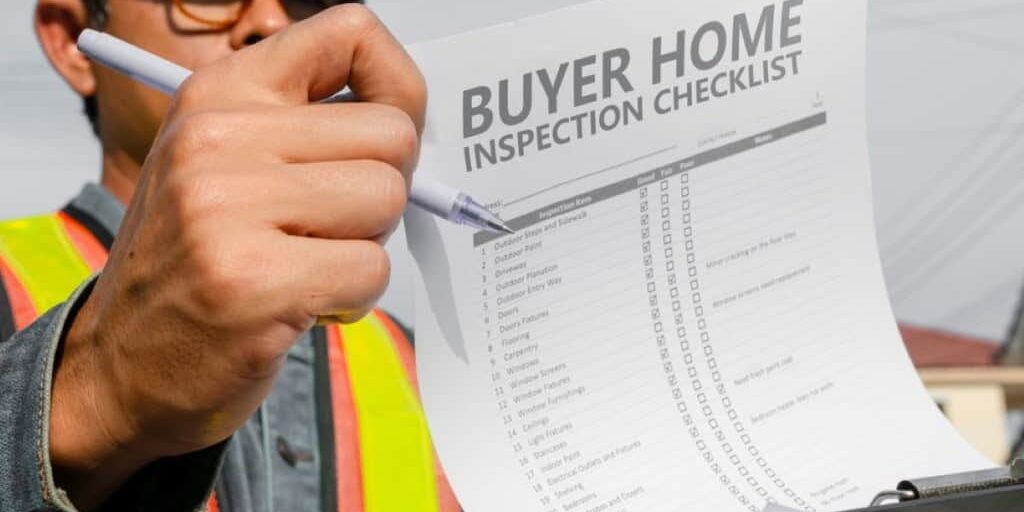
Comprehensive Home Inspection Checklist for Downtown Huntington Beach
1. Exterior and Structural Integrity
Downtown HB’s proximity to the Pacific (some homes are <500 ft from the shore) exposes exteriors to salt corrosion and moisture.
-
Roof and Gutters: Inspect for missing shingles, cracked tiles, or rust on metal roofs (common in 1970s condos). Check for proper drainage; clogged gutters risk water intrusion in HB’s occasional storms. Average roof replacement: $15,000-$30,000.
-
Siding and Paint: Look for peeling paint or warped siding, especially on wood-frame bungalows. Salt air accelerates wear; ensure marine-grade coatings. Stucco cracks signal settlement—costly at $10,000+ to fix.
-
Foundation: Assess for cracks or uneven settling, critical in seismic zones. Slab foundations (common in newer builds) may hide leaks; crawlspaces in older homes need vapor barrier checks. Retrofits cost $5,000-$20,000.
-
Windows and Doors: Test for air leaks or corrosion on frames (aluminum common in condos). Double-pane, low-E windows reduce UV damage and energy costs ($500/window to replace).
-
Decks/Patios: Ensure wood or composite decks resist rot; railings must meet code (36” min height). Coastal erosion risks require stable footings—repairs ~$2,000-$10,000.
HB Tip: Request a coastal exposure report; properties in FEMA flood zones (e.g., near PCH) need elevated foundations and flood insurance ($1,000/year).
2. Interior Systems and Safety
Interiors in Downtown HB face wear from humidity and heavy use in rental-heavy areas (44.68% renter-occupied).
-
Electrical Systems: Verify panels meet 200-amp minimum for modern loads; older homes (pre-1980s) may have outdated wiring (e.g., aluminum, $10,000 to rewire). Check GFCI outlets in kitchens/bathrooms.
-
Plumbing: Inspect copper or PEX pipes for corrosion; galvanized pipes in 1950s homes signal replacement ($8,000-$15,000). Test water pressure (low flow indicates clogs) and water heater (tankless preferred, $3,000+).
-
HVAC: Confirm AC/heating units are <10 years old; coastal humidity shortens lifespans. Duct cleaning ($500) prevents mold. Energy-efficient systems qualify for rebates.
-
Smoke/Carbon Monoxide Detectors: Ensure compliance with California’s 2025 codes—detectors in every bedroom and hallway. Non-compliance fines: $200/event.
-
Mold and Ventilation: Check for mold in bathrooms, basements, or crawlspaces (common in HB’s 70% humidity). Remediation: $2,000-$10,000. Ensure exhaust fans vent externally.
HB Tip: In condos, confirm HOA-maintained systems (e.g., elevators, shared HVAC) are up-to-date; special assessments ($5,000-$20,000/unit) can hit unexpectedly.
3. Coastal-Specific Environmental Checks
Huntington Beach’s beachfront setting demands scrutiny of environmental factors that impact longevity and insurance costs.
-
Flood Risk Assessment: Use FEMA’s Flood Map Service Center to confirm zone status; Downtown’s AE zones require flood insurance ($800-$2,000/year). Check drainage systems for storm readiness.
-
Salt Air Corrosion: Inspect metal fixtures (railings, HVAC coils) for rust; marine-grade stainless steel is ideal. Corrosion repairs: $1,000-$5,000.
-
Seismic Preparedness: Verify seismic straps on water heaters and bolting on foundations (mandatory for pre-1990 homes). Retrofits cost $3,000-$15,000 but prevent $100K+ quake damage.
-
Asbestos/Lead: Pre-1978 homes (common in Downtown) may have asbestos tiles or lead paint. Testing ($500) and abatement ($5,000-$20,000) are critical for health and resale.
HB Tip: Request a CLUE report for prior insurance claims; flood or mold history can spike premiums or derail financing.
4. Energy Efficiency and Sustainability
With HB’s push for sustainability (solar homes fetch 10% premiums), energy audits are wise.
-
Insulation: Check R-values (R-30 min for attics); poor insulation spikes cooling costs in HB’s 75°F summers. Upgrades: $2,000-$5,000.
-
Solar Panels: If installed, verify output (5-10 kW typical) and inverter condition (10-year lifespan). New systems: $15,000-$25,000, with 30% federal tax credits.
-
Windows/Doors: Ensure low-E coatings and tight seals; upgrades save 15% on energy bills ($500/year).
-
Appliances: Confirm Energy Star ratings on HVAC, refrigerators, and washers; replacements cost $1,000-$5,000 but cut bills.
HB Tip: Check for Orange County’s energy rebate programs; retrofits like solar or insulation can yield $1,000-$3,000 credits.
5. Condo-Specific Considerations
Condos (60% of sub-$1.5M sales) require extra scrutiny due to shared ownership.
-
HOA Financial Health: Review reserve studies and budgets; underfunded HOAs (<70% reserves) risk assessments ($5,000-$50,000). Verify no pending litigation.
-
Common Areas: Inspect elevators, pools, and parking structures; deferred maintenance signals future fees. Recent HB condo assessments hit $10,000/unit for roof repairs.
-
Soundproofing: Test for noise from neighbors or Main Street bustle; poor insulation costs $2,000-$5,000 to fix.
-
CC&Rs: Confirm rental/pets policies align with plans; short-term rental rules vary (HB allows with permits).
HB Tip: Request HOA meeting minutes for red flags like disputes or planned hikes ($400-$800/month typical).
6. Additional Specialized Inspections
Some issues warrant expert add-ons, especially in Downtown HB’s unique setting.
-
Sewer Scope: Video inspection ($200-$400) checks for root intrusion or clogs in older laterals (pre-1980 homes); repairs: $5,000-$15,000.
-
Pest/Termite: Coastal humidity breeds termites; a Wood-Destroying Organism report ($150-$300) is standard. Treatment: $1,000-$5,000.
-
Mold/Air Quality: Test for mold spores ($300-$500); remediation ($2,000-$10,000) is critical for health and resale.
-
Pool/Spa (if applicable): Inspect pumps, heaters, and liners ($200-$500); repairs run $1,000-$10,000.
HB Tip: Bundle inspections to save 10-15%; local firms like OC Home Inspections specialize in coastal risks.
Post-Inspection Strategies for Buyers
Once the report is in, act decisively within your contingency window:
-
Negotiate Repairs: If issues like foundation cracks ($10,000+) or mold arise, request seller credits or repairs. In HB’s seller’s market, offer concessions (e.g., waive minor fixes) to stay competitive.<grok:render type=”render_inline_citation”> 3</grok:render>
-
Budget for Fixes: Allocate 1-2% of purchase price ($24,000-$48,000 for $2.4M home) for immediate repairs; prioritize safety (electrical, seismic) over cosmetics.
-
Walk Away if Needed: Major red flags—like unpermitted additions or flood zone non-compliance—justify exiting, especially with $500K+ down payments at stake.<grok:render type=”render_inline_citation”> 15</grok:render>
-
Plan for Future Costs: Coastal homes face 10% higher maintenance ($5,000-$10,000/year); budget for corrosion-resistant upgrades.
Market Context: Why Inspections Are Non-Negotiable in 2025
Downtown HB’s 2025 market is a pressure cooker: Low supply (41% below pre-pandemic) and 6.28% rates amplify stakes, with 67% of sales closing under 30 days for hot listings. Skipping inspections risks overpaying for flawed assets, especially as 31.4% of ZIP 92648 listings see price cuts from overpricing. Condo buyers face HOA surprises, while single-family buyers grapple with aging infrastructure (50% of homes pre-1970). Yet, inspections unlock leverage: A $20,000 repair credit on a $1.5M condo can offset 6 months of HOA fees.
Future Outlook: Inspection Trends in Downtown HB
By 2026, inspections may evolve with tech: Drone roof scans and AI-driven reports could cut costs 10-15%. Coastal regulations will tighten—expect mandatory flood certifications as sea levels rise. HB’s push for green homes (3-5% appreciation projected) rewards energy audits, with solar-equipped properties leading sales. Inventory may tick up to 4,000 countywide if rates drop to 5.9%, but Downtown’s scarcity persists, making inspections your shield against bidding haste.
Conclusion: Secure Your Surf City Dream with Confidence
In Downtown Huntington Beach’s sizzling 2025 market—where $2.4M medians and oceanfront allure collide—a meticulous home inspection is your lifeline. From salt-corroded roofs to seismic-ready foundations, this checklist tailored to Surf City’s coastal quirks ensures your investment weathers the tides. Hire local pros, scrutinize HOAs, and budget for fixes to avoid $50K+ pitfalls. As Main Street hums and waves beckon, don’t let haste cloud judgment—inspect thoroughly, negotiate smartly, and claim your piece of paradise. Ready to surf the HB market? Partner with a coastal-savvy realtor and ride the wave to a sound purchase.